Walking the Camino Alone: Guide to a Solo Pilgrimage
Walk the Camino alone with confidence: solo safety facts, route and lodging strategy, social dynamics, and smart tips for freedom, pace, and peace of mind.

Anja
January 26, 2026
9 min read
Quick links
Quick Facts: Solo on the Camino
Safety in Numbers: With over 500,000 pilgrims annually, the trail offers a secure environment where you are rarely out of sight of other walkers.
Solo Female Friendly: Women make up 52% of all pilgrims, cementing the Camino as a safe and empowering choice for women walking alone.
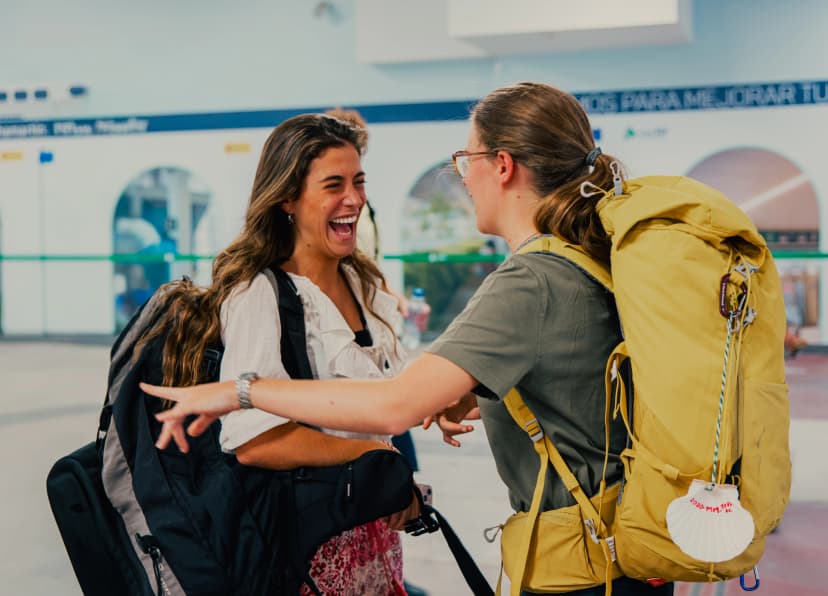
Instant Community: The "Camino Family" dynamic means you will connect with fellow travelers over shared meals and miles, often within the first few days.
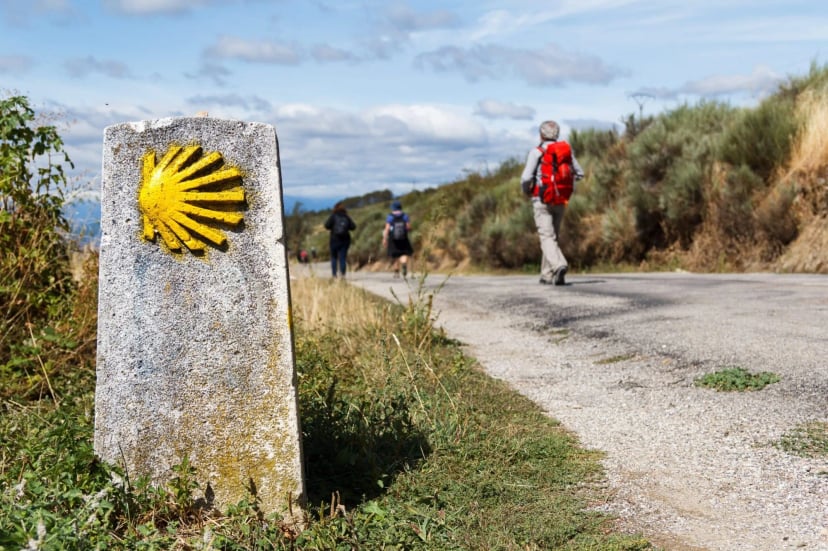
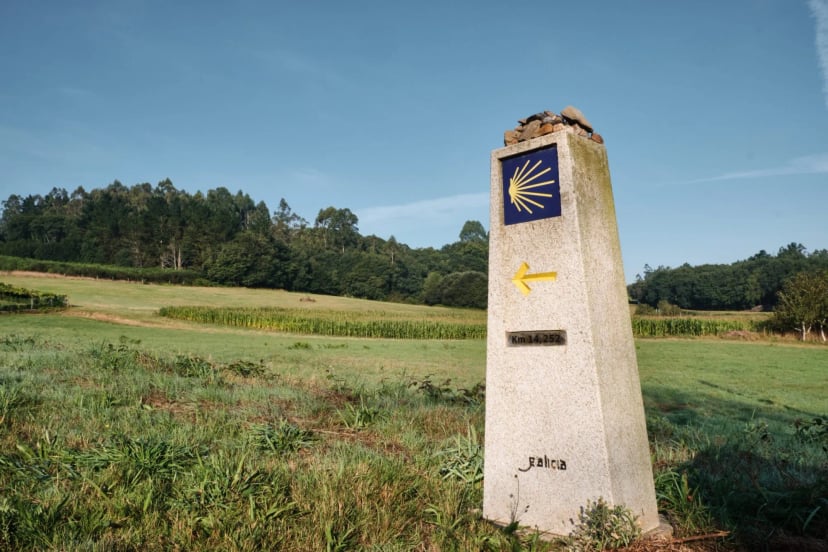
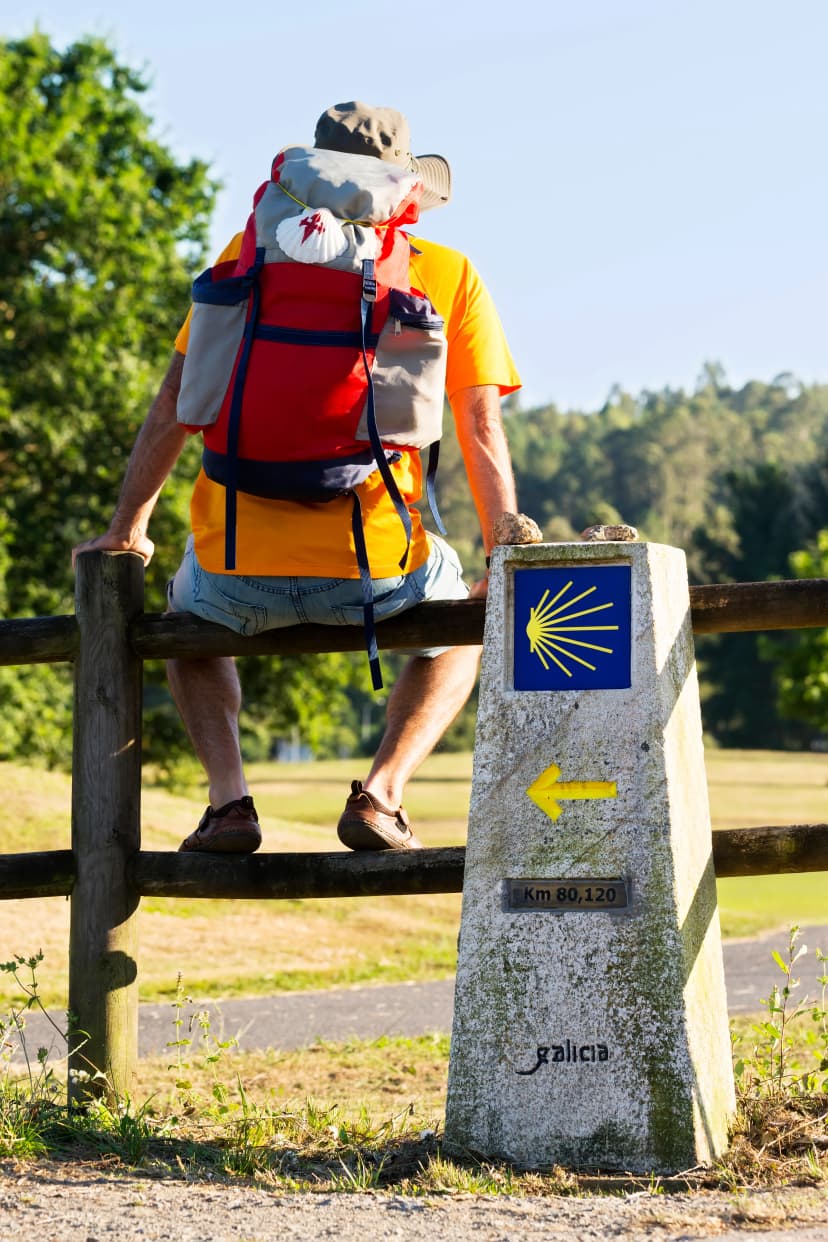
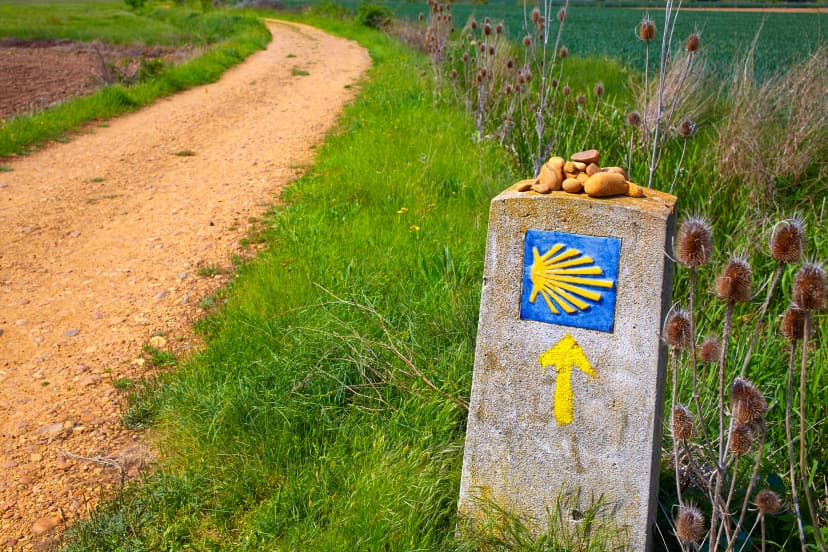
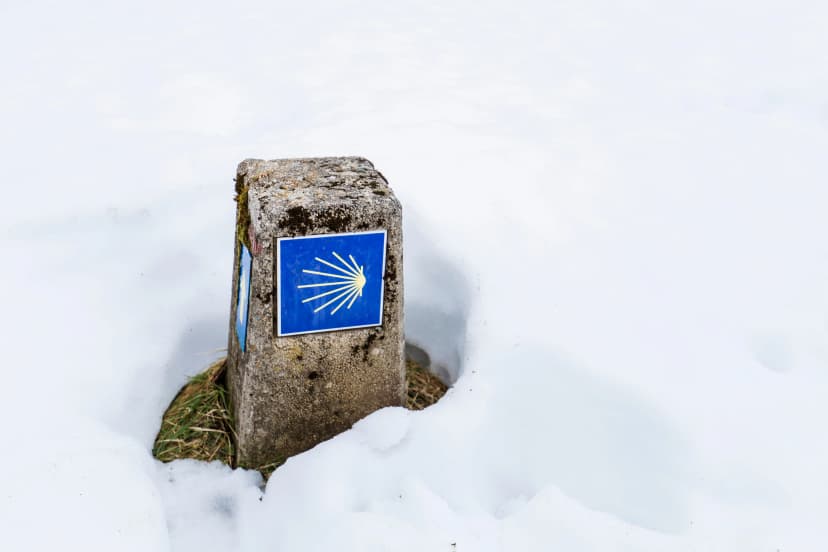
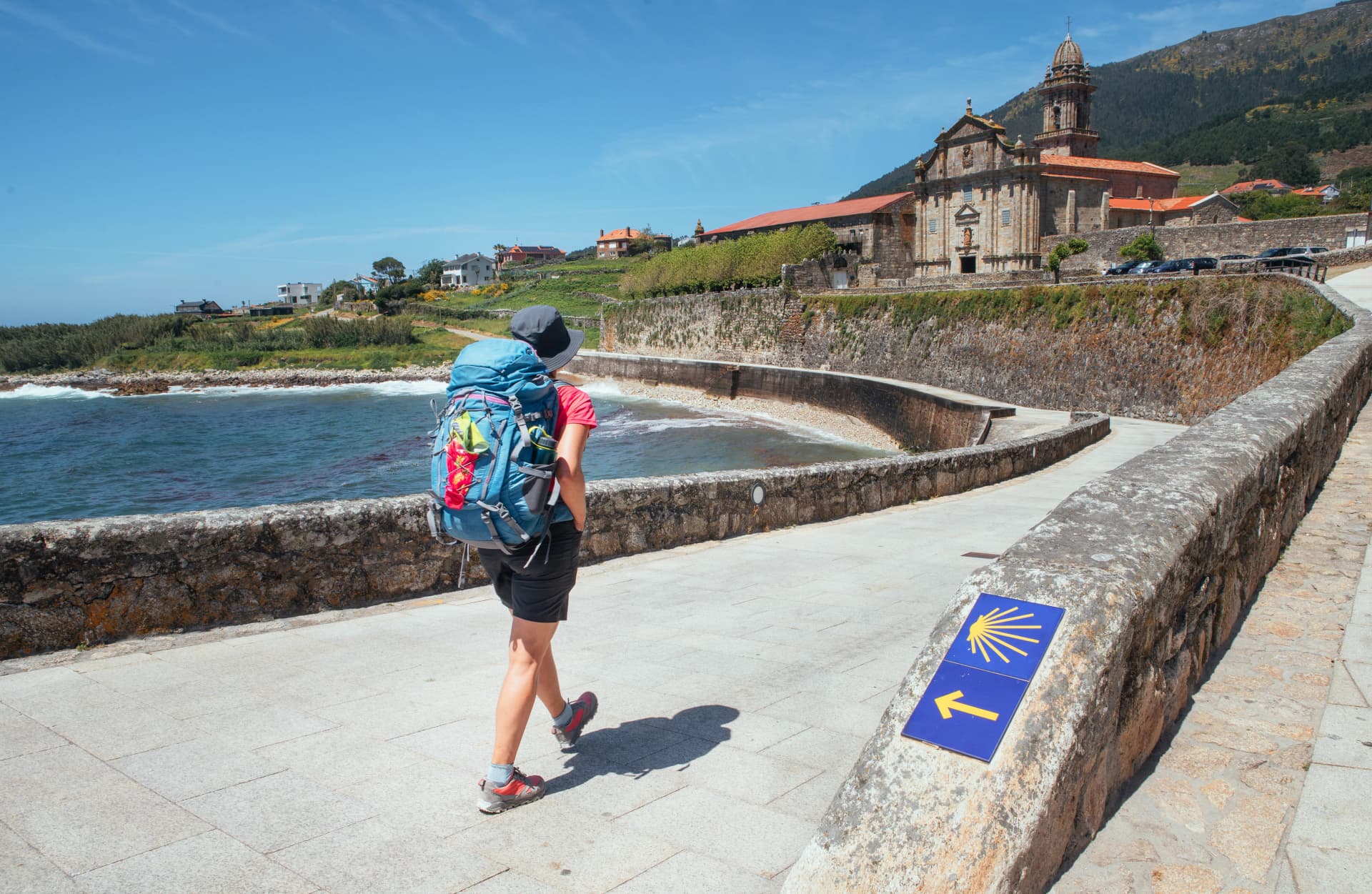
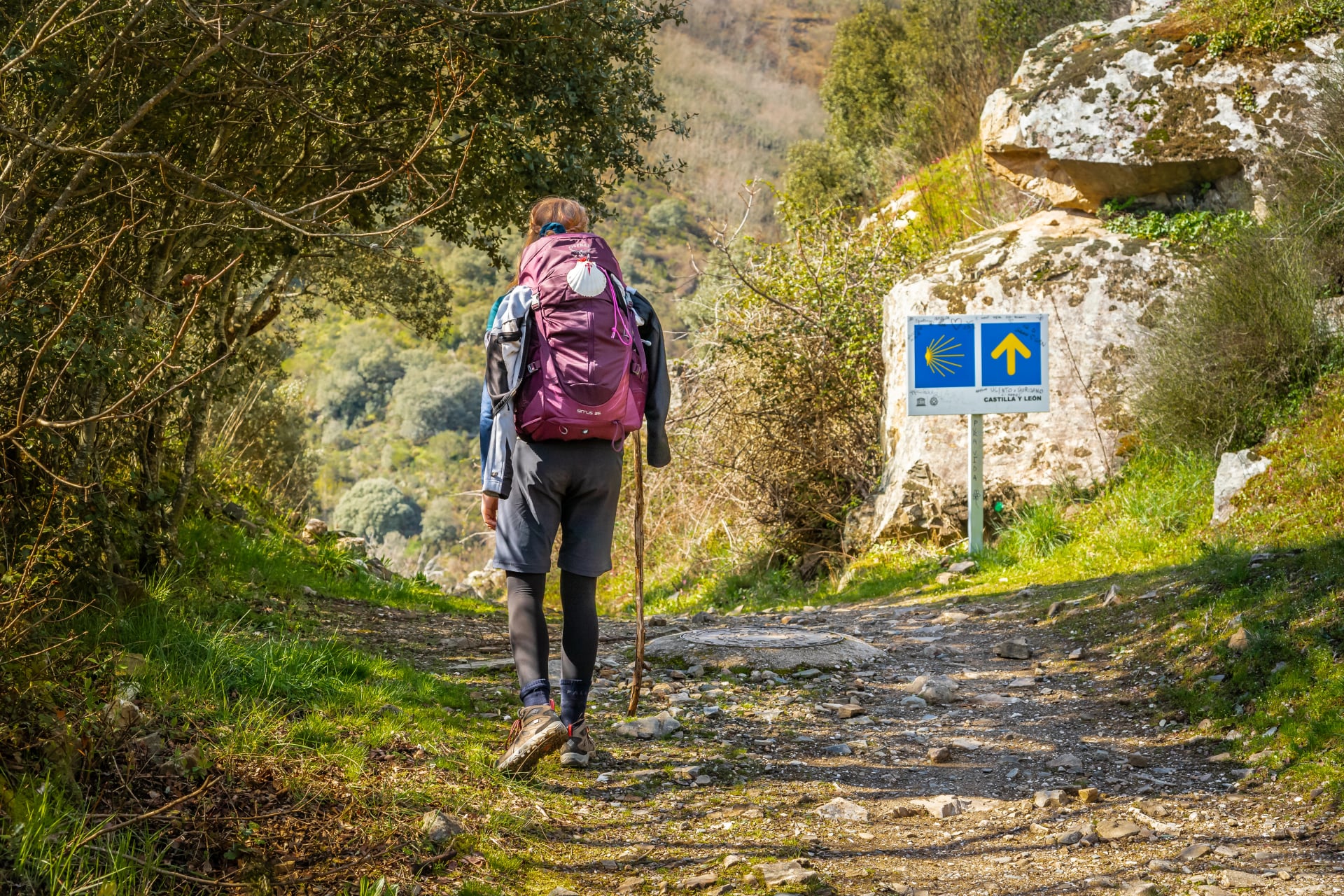
Stress-Free Navigation: Iconic yellow arrows and scallop shell markers guide you at every turn, making it nearly impossible to get lost.
Total Flexibility: Abundant infrastructure allows you to stop when you want, removing the pressure to match a group's pace.
Professional Backup: Self-guided tours offer the perfect balance of independence and safety, with 24/7 emergency support just a phone call away.
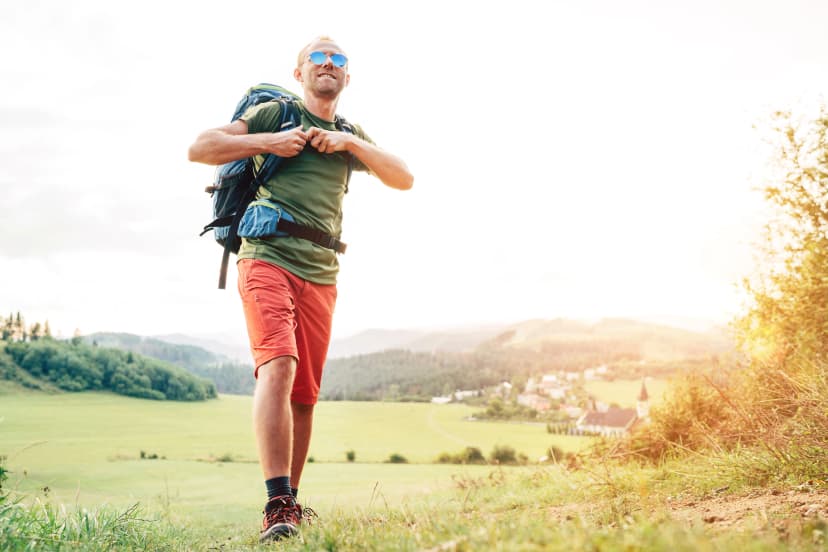
For thousands of people every year, a solo camino adventure turns out to be the most social, empowering, and liberating experience of their lives. In fact, statistics show that a significant portion of pilgrims arrive at the starting point alone, only to finish the journey with lifelong friends. Walking solo does not mean walking in isolation; it means walking with total freedom.
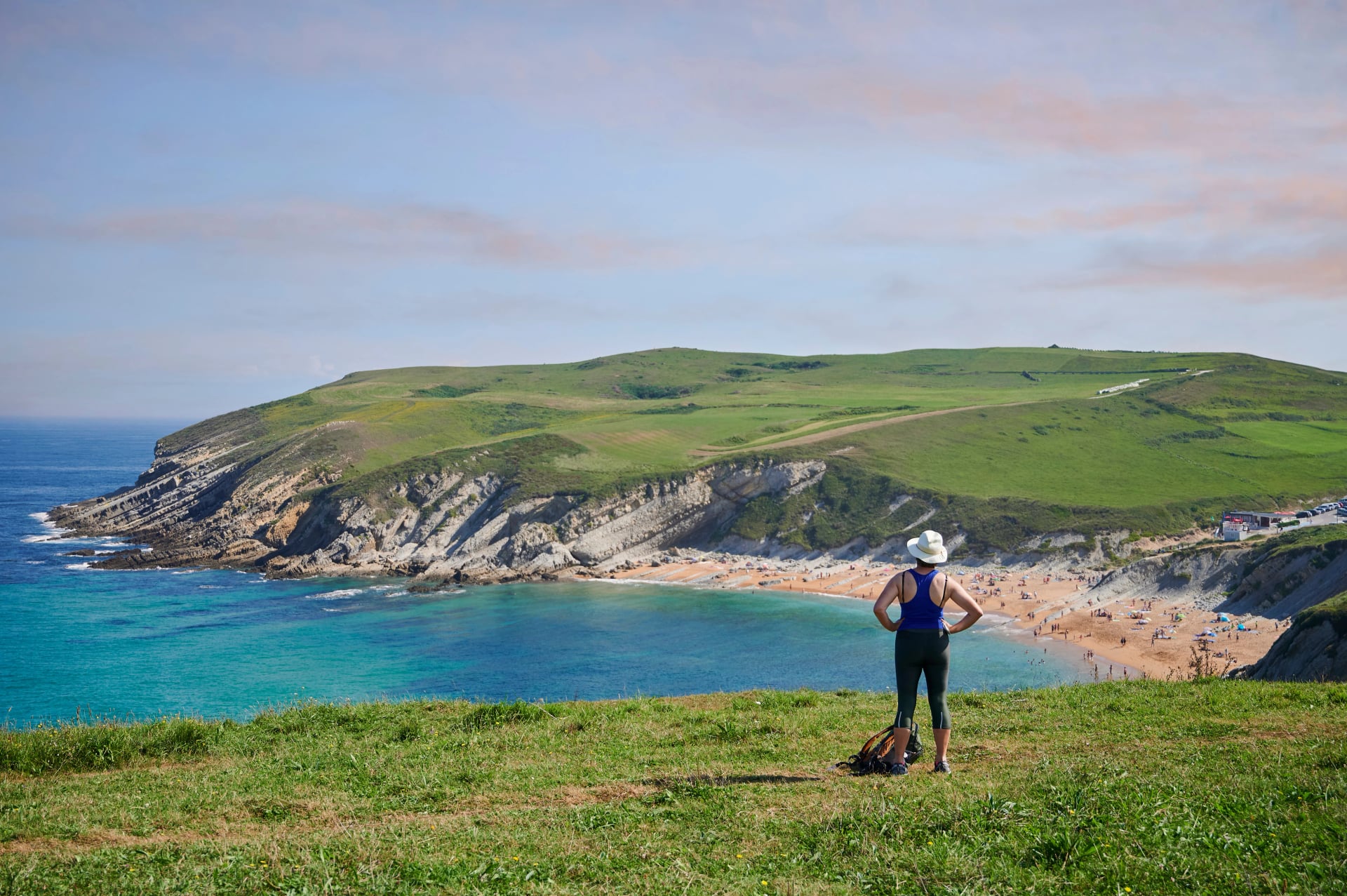
This guide will break down everything you need to know about taking on the Way of St. James by yourself, from safety and route selection to the unique social dynamics of the trail.
Why Choose a Camino Solo Adventure?
When you travel with a partner or a group, your journey is defined by compromise. You walk at a shared pace, stop when the group stops, and sleep where the group agrees to sleep. Walking the camino alone removes these constraints entirely. Benefits when walking alone include:
A Typical Day: The Rhythm of the Solo Pilgrim
One of the biggest questions solo travelers have is, "What will I actually do all day?" The beauty of the Camino lies in its simple, structured routine which eliminates the chaos of normal life.
Morning Freedom: You wake up when you want. There is no waiting for a travel companion to pack their bag or finish breakfast. You can hit the trail at dawn to watch the sunrise, or sleep in and enjoy a slow coffee.
The Walking Hours: You will likely fall into step with others naturally. You might chat with a pilgrim from Germany for an hour, stop for a solo lunch under a tree, and then walk the afternoon with a group from Brazil. You have complete control over your social battery.
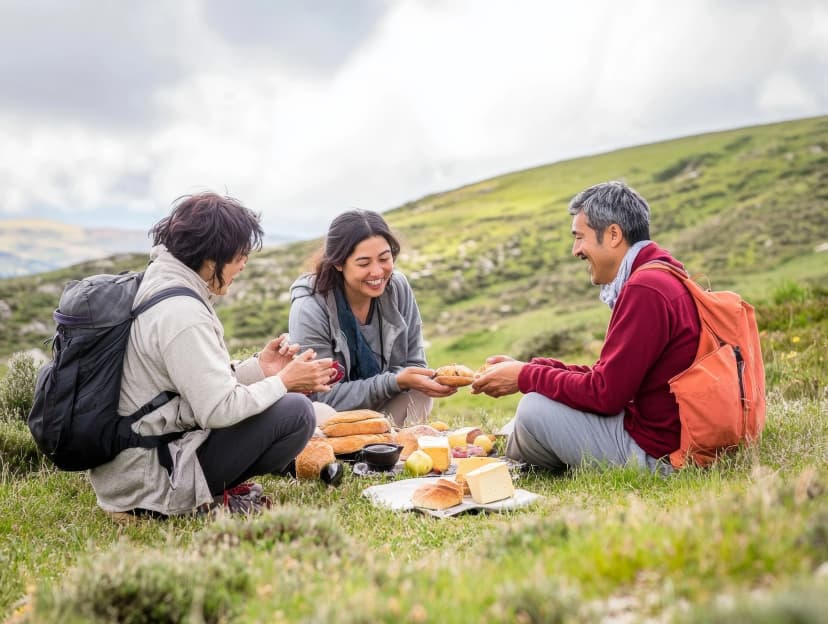
The Evening Social: After showering and resting, the evenings are communal. Even if you arrive at your accommodation alone, the shared dinners and pilgrim menus act as a natural icebreaker. It is incredibly rare to eat dinner alone unless you specifically choose to.
Best Routes for Walking the Camino Alone
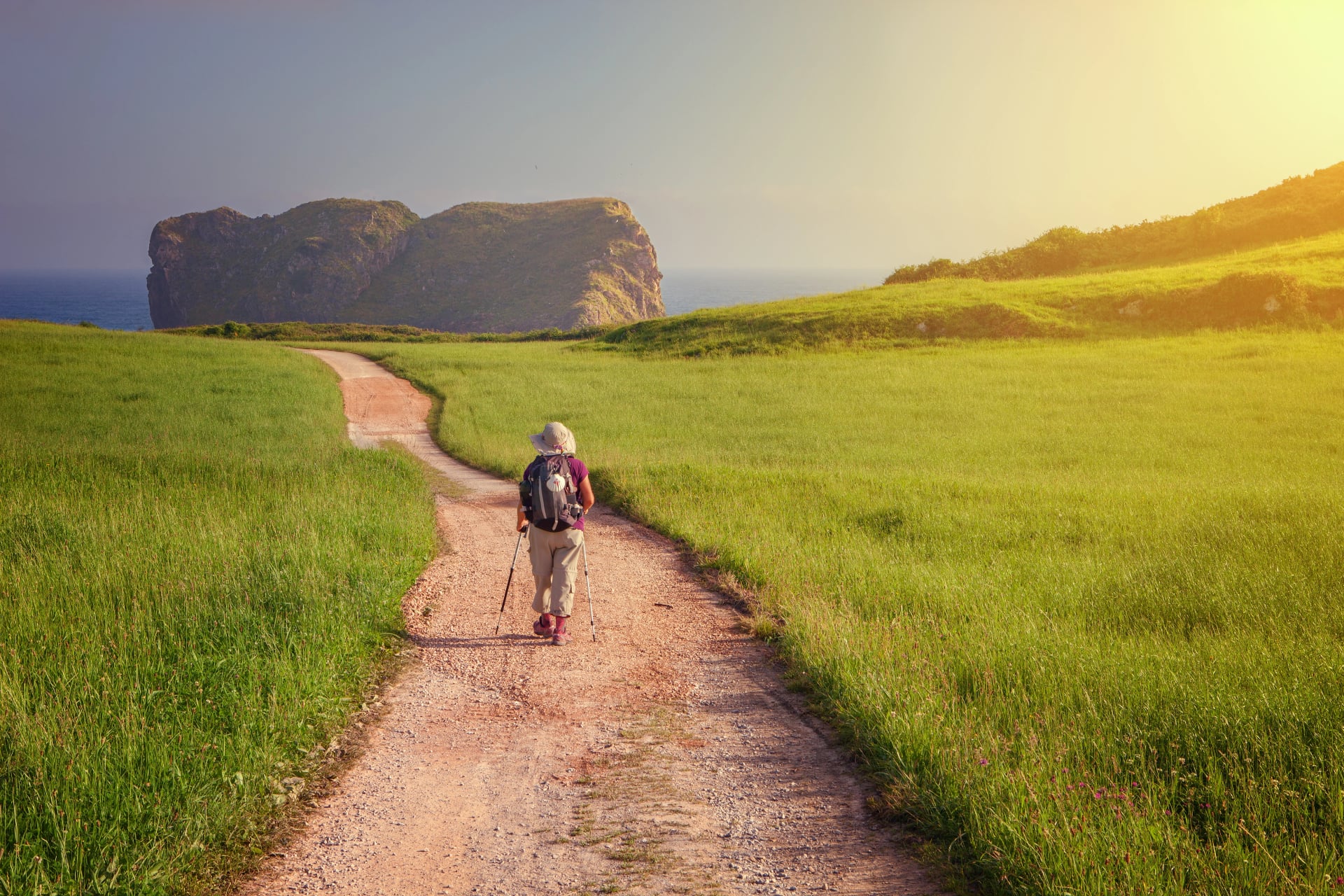
While you can walk any route solo, some are better suited for it than others. The right choice depends on whether you are seeking a bustling social environment or a quiet, reflective escape.
1. Camino Francés: The Social Safety Net
If your main concern is being too lonely or getting lost, the Camino Francés is the answer. It is the most traversed route, meaning you will have constant company and support.
Why it works solo: You are never truly isolated. With over 60% of all pilgrims choosing this path, the infrastructure is dense. There are cafés, fountains, and villages every few kilometers, which provides a massive psychological safety net for the first-time soloist.
The Experience: You will encounter a vibrant international community. It is impossible to walk this route without meeting people. The trail fosters a "Camino family" dynamic quickly, where you see the same faces day after day.
Recommended Section: The final 100km from Sarria is the most popular segment, perfect for those wanting a guaranteed social buzz and the security of numbers.
Experience this tour:
2. Camino Portugués: The Coastal Companion
For a solo walker who wants safety but perhaps a bit more breathing room than the Francés offers, the Portuguese Way is ideal.
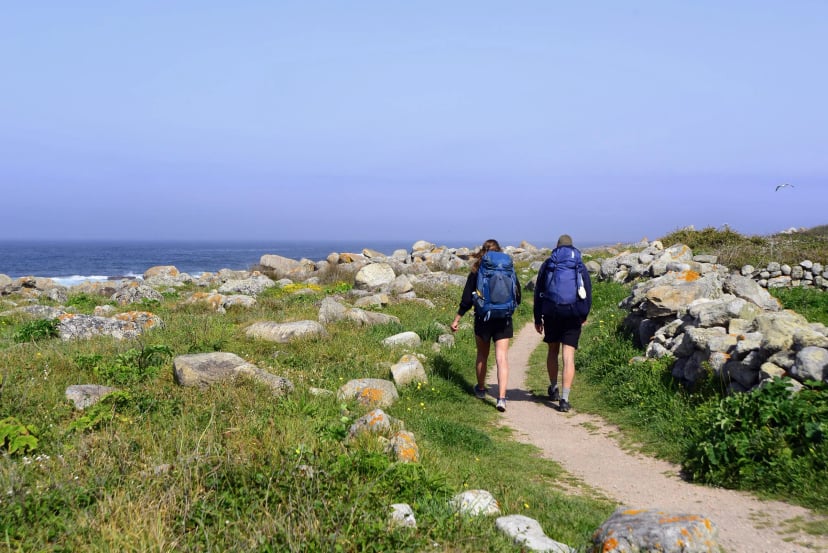
Why it works solo: It is the second most popular route, so it is safe and well-marked, but less chaotic. The Coastal route keeps the Atlantic Ocean as your constant companion, which many solo walkers find incredibly soothing.
The Experience: You pass through populated towns and walk along secure boardwalks, adding an extra layer of security. The locals in Northern Portugal and Galicia are famously hospitable, often going out of their way to assist a lone walker.
Experience this tour:
3. Camino Inglés: The Short & Confidence-Building Option
If you are nervous about committing to a month-long solo trip, the Camino Inglés is the perfect "test drive."
Why it works solo: It starts in Ferrol and takes only 5-7 days to reach Santiago. It is a manageable timeframe that feels like a distinct project rather than an endless expedition.
The Experience: Because the route is shorter and has fewer pilgrims than the Francés, the people you meet on Day 1 are likely the people you will walk into Santiago with on Day 5. This creates a tight-knit group dynamic very quickly, preventing feelings of isolation.
Experience this tour:
Safety on the Trail: Dispelling the Myths
Safety is naturally the primary concern for anyone considering a camino solo trip. However, the Camino de Santiago is widely regarded as one of the safest long-distance trails in the world.
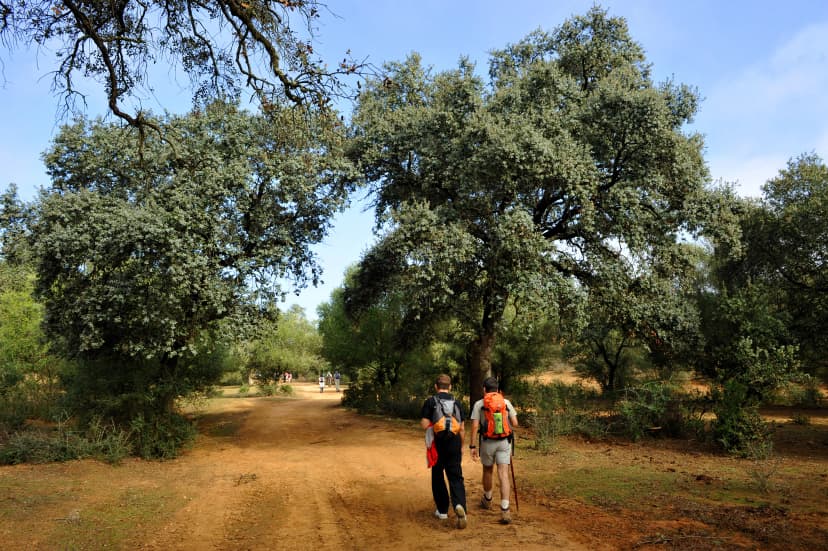
Infrastructure and Navigation: Getting lost is actually quite difficult on the major routes. The trails are distinctively marked with yellow arrows and scallop shell symbols painted on trees, walls, and sidewalks. You are rarely out of sight of a waymark for more than a few minutes.
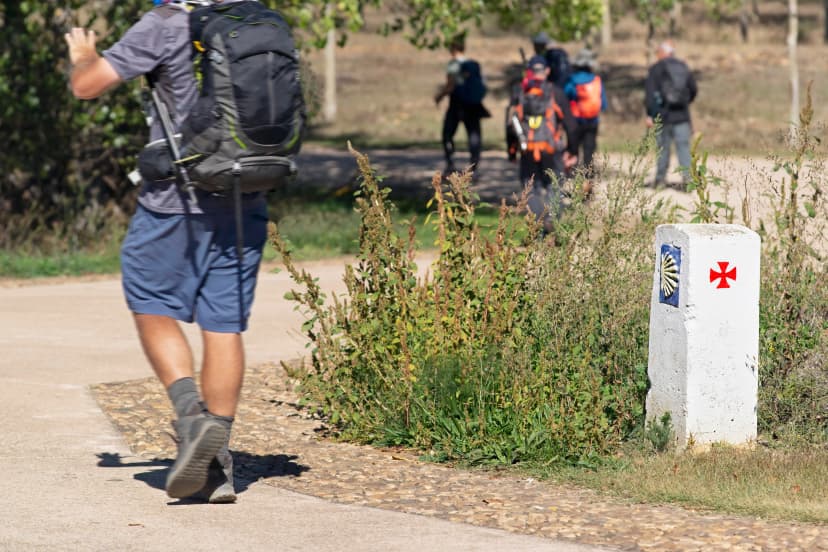
The Community Watch: The sheer number of people on the trail acts as a safety net. You are surrounded by a community of "peregrinos" who look out for one another. If you stop to tie your shoelace, someone will likely ask if you are okay.
24/7 Support: When you book with a specialized agency, you add a layer of professional security. You have access to 24/7 emergency support, meaning if you twist an ankle or lose a document, help is just a phone call away.
Practical Preparation for the Solo Walker
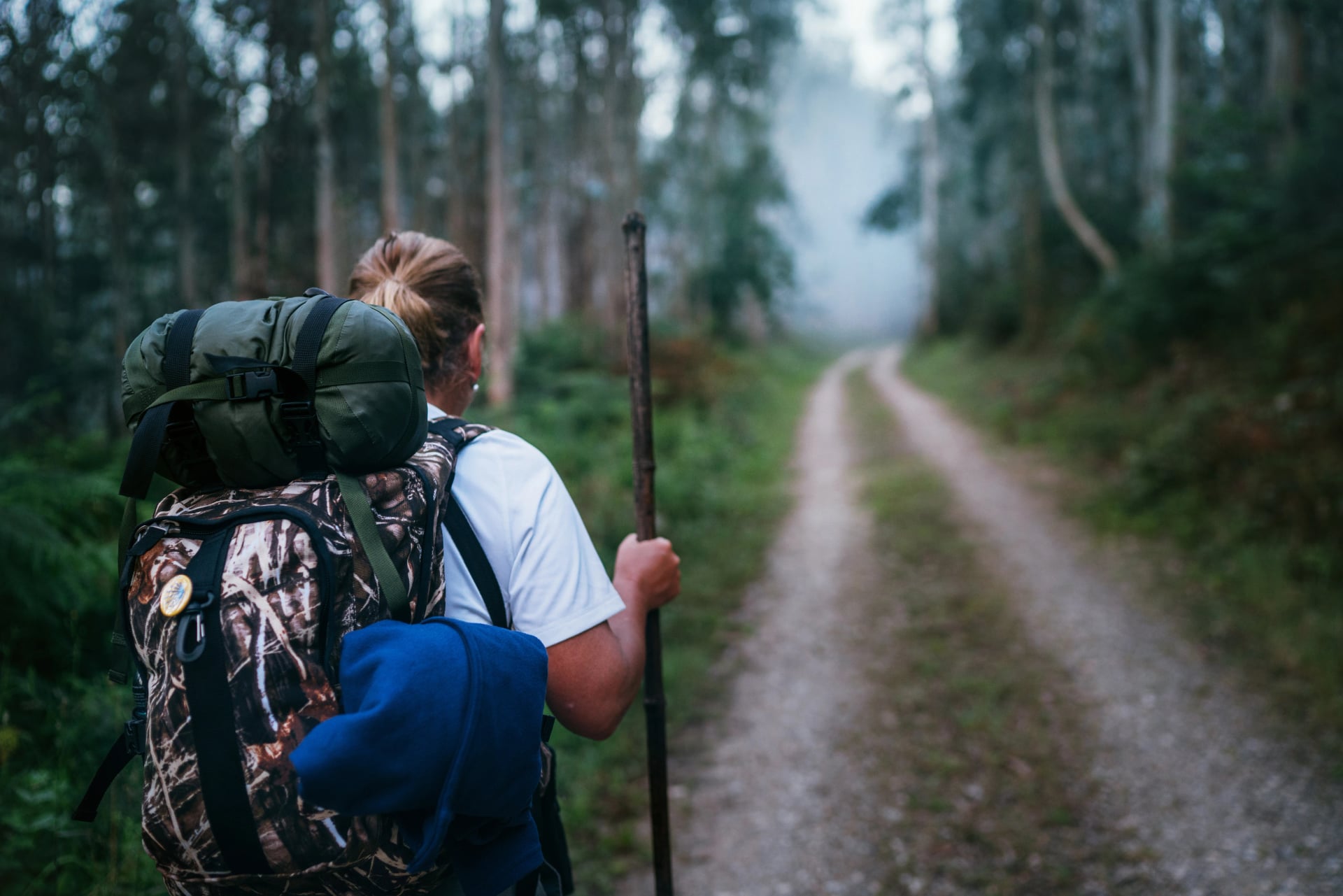
When you walk alone, you are responsible for your own gear. You cannot split the weight of your snacks or sunscreen bottle with a partner, so smart packing is essential.
Essential Gear for One
Power Bank: Since your phone is your map, translator, and emergency line, a dead battery is a major hassle. Bring a reliable power bank to ensure you are always connected.
Lightweight Layers: You have to carry every ounce. Focus on quick-drying layers that can be washed in a sink and dried overnight. For a detailed list, check our guide on What to Pack for the Camino.
Offline Maps: While the trail is marked, having GPS maps downloaded to your phone gives you peace of mind and prevents that moment of panic at a confusing crossroad.
See our entire suggested packing list in the ultimate guide for walking the Camino.
Language Basics
While many people speak English on the popular routes, knowing a few phrases in Spanish will help you feel more confident and independent. Simple phrases like "Una cama, por favor" (A bed, please) or "¿Dónde está...?" (Where is...?) allow you to navigate local interactions with ease.
Logistics for One: Sleeping and Eating
Managing the daily logistics of sleeping and eating is straightforward, even when you are on your own.
Accommodation Strategies
You generally have two choices: Albergues or Private Rooms.
Albergues (Hostels): These are the best places to meet people. However, they lack privacy.
Private Rooms: After a long day of socializing, you might want to retreat. Booking a private room guarantees you space to decompress and sleep without earplugs. If you book a self-guided tour, these rooms are secured in advance, eliminating the "race for beds" anxiety.
Our accommodation guide covers any questions or concerns you may have regarding accommodation on the way.
Dining Alone
Eating alone in a restaurant can be a source of anxiety for some, but on the Camino, it is normal. You can bring a book or a journal, but more often than not, you will see other solo pilgrims. A simple "Is this seat taken?" is often all it takes to join a table.
Food Tip: In Galicia, you must try Pulpo a la Gallega (octopus). It is often served on wooden plates and is a staple of the region. For a deeper dive into what to eat, check out our guide on Camino Cuisine.
Ready to Walk Solo?
Walking the Camino alone is not just about moving from point A to point B. It is about discovering that you are capable of more than you imagined. It is about realizing that you are never truly alone on the Camino unless you choose to be.
You will find support in the smile of a local, the yellow arrow on a tree, and the shared stories of strangers who become family.
If you are ready to take the leap but want the security of planned logistics, we can help. We can arrange your accommodation, luggage transfers, and itinerary, giving you the freedom of a solo walk with the safety net of a supported tour.
Browse our selection of tours at Camino Tours or contact us to build your next custom itinerary via our inquiry page.