Camino del Norte: The Ultimate Guide
Everything for the Camino del Norte: route options, key stops, daily stages, terrain and season insights to help you prepare for Santiago de Compostela.
Quick links
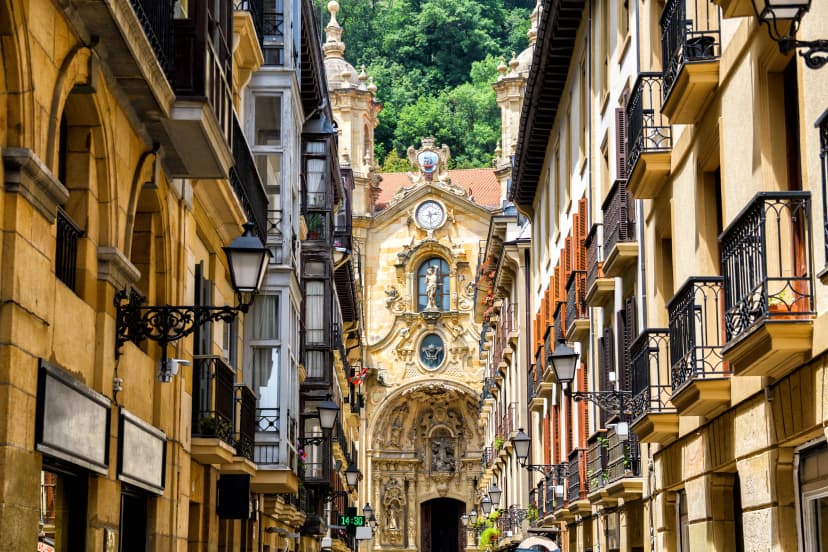
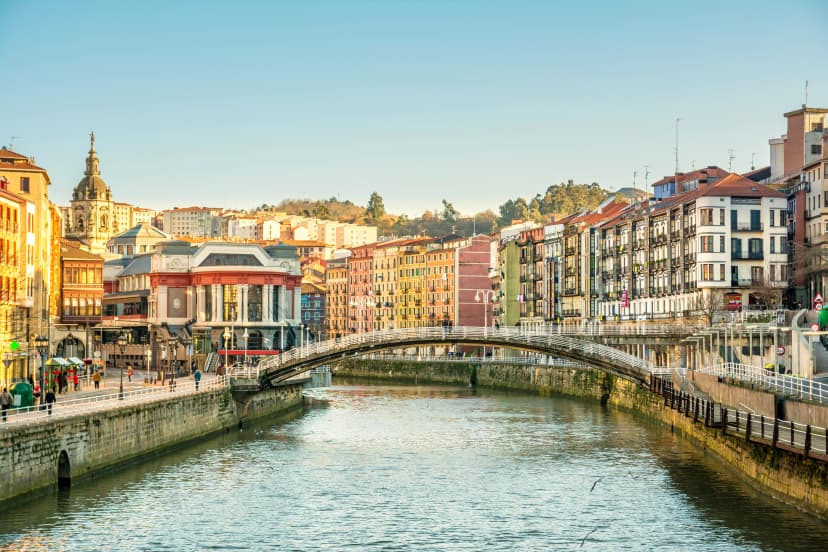
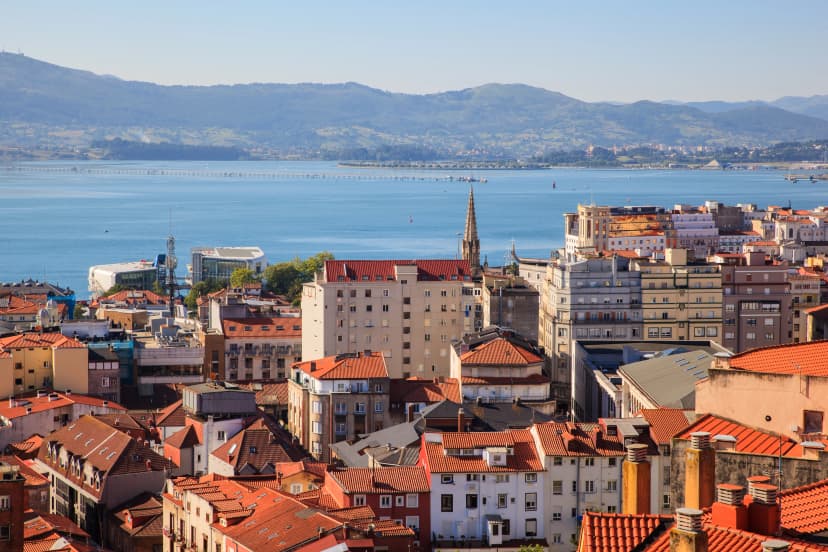
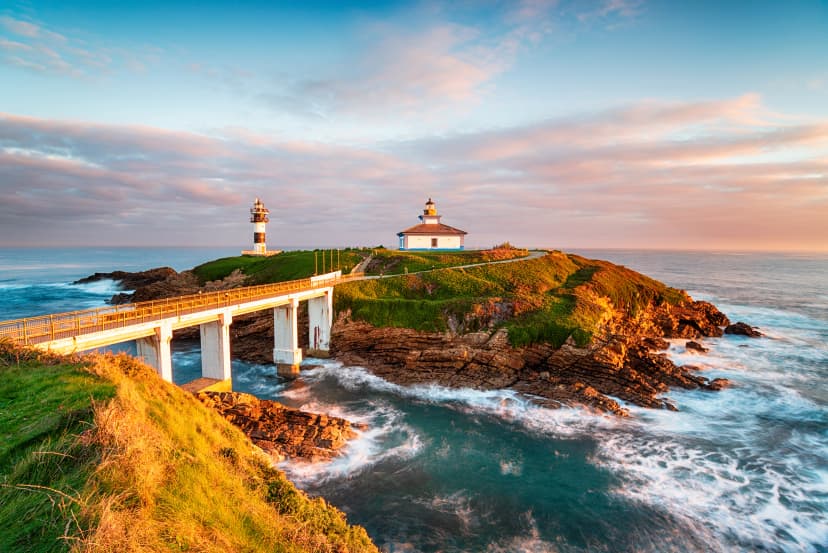
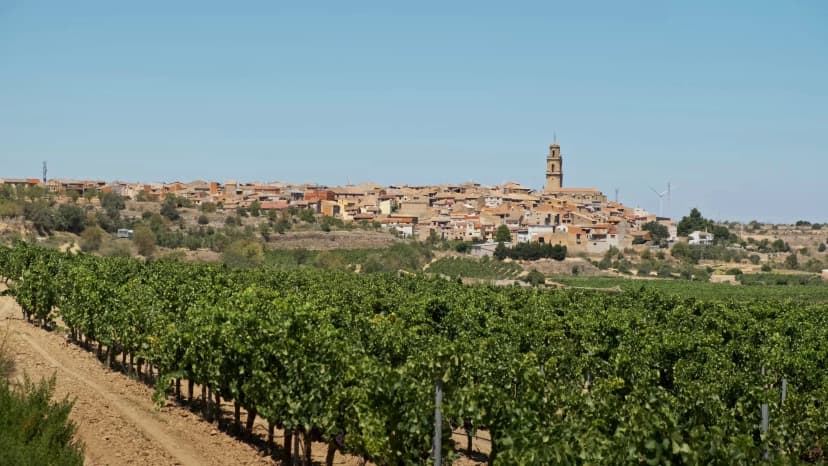
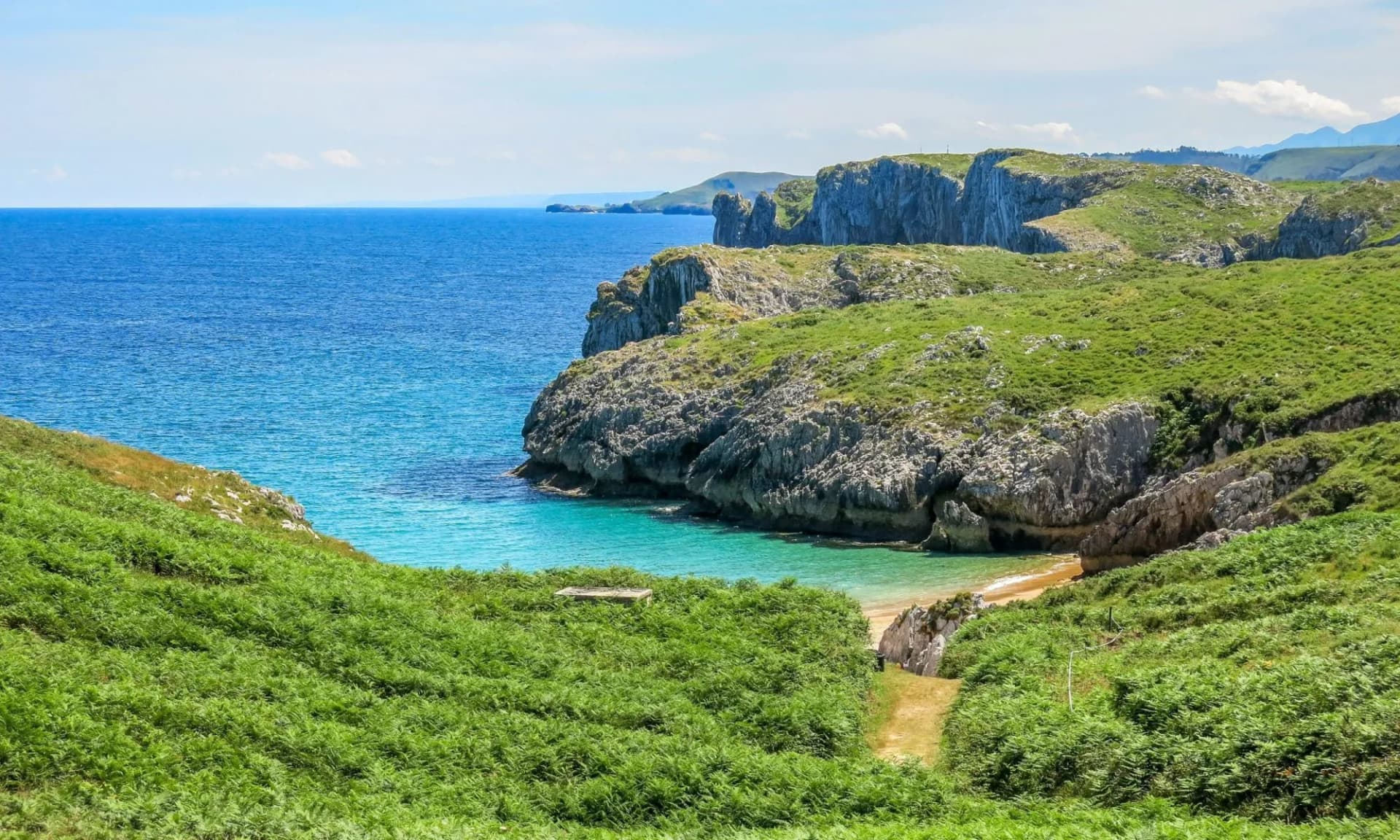
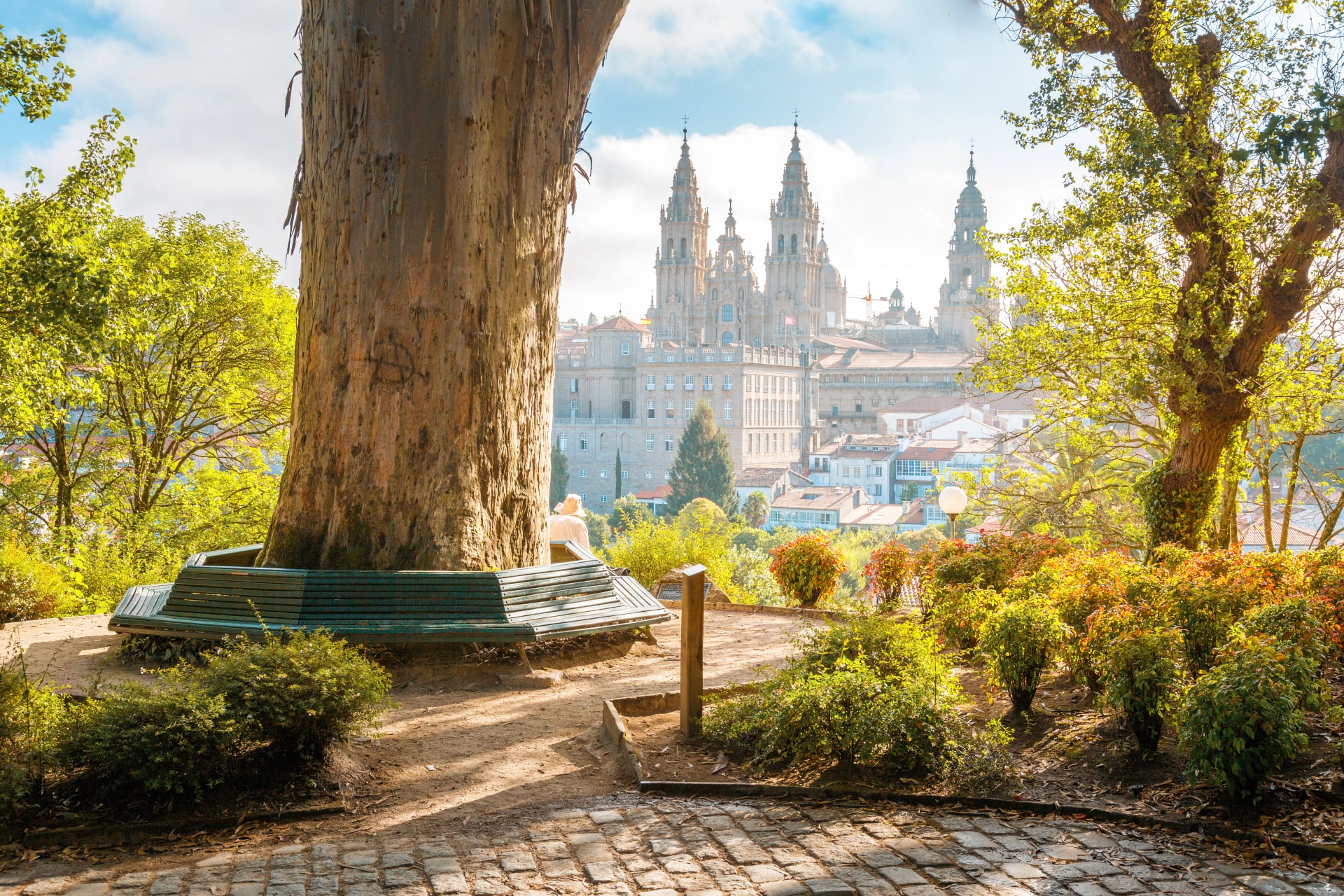
The Camino del Norte, or Northern Way, stands as one of the most spectacular coastal pilgrimage routes to Santiago de Compostela. Following Spain's dramatic northern coastline along the Bay of Biscay, this historic path stretches from the Basque Country through Cantabria and Asturias, finally entering Galicia before reaching Santiago.
Known for its breathtaking ocean views, rugged coastal cliffs, and exceptional regional cuisine, the Camino del Norte offers pilgrims a more challenging but deeply rewarding alternative to the popular Camino Frances. Starting in the elegant Basque city of San Sebastián, this is a journey where mountains meet the sea, where four distinct Spanish cultures blend together, and where fewer pilgrims mean more opportunities for solitude, reflection, and authentic cultural immersion.
Camino del Norte in Numbers
Length: Approximately 825 km (512 miles)
Starting point: Irún or San Sebastián, Basque Country
Finishing point: Santiago de Compostela, Galicia
Duration: 32-38 days (full route)
Average daily distance: 18-25 km
Cumulative elevation gain: ~15,000+ meters
Technical difficulty: 4/5 | Fitness level: 4/5
Annual pilgrims: ~10-15% of total Camino pilgrims
Ideal for: Experienced hikers seeking coastal beauty, challenging terrain, and exceptional food
Camino del Norte Map
The Norte attracts fewer pilgrims than the Frances, creating a more contemplative experience. While the full route requires 5-6 weeks, many pilgrims walk specific sections based on available time.
Popular Starting Points
Starting Point | Distance to Santiago | Typical Duration |
Irún | 825 km | 35-40 days |
San Sebastián | 815 km | 32-38 days |
Bilbao | 615 km | 25-30 days |
Santander | 455 km | 18-22 days |
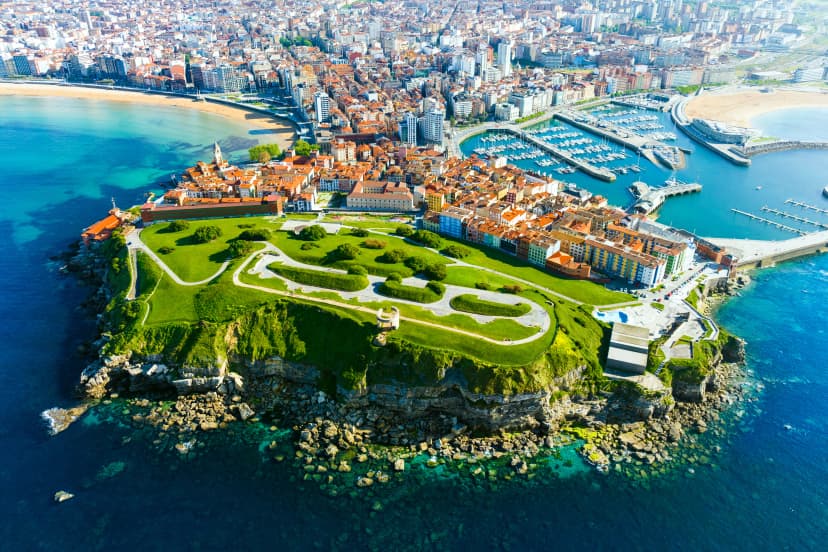
Gijón | 320 km | 13-16 days |
Ribadeo | 190 km | 8-10 days |
Vilalba | 116 km | 5-6 days |
The final 100km from Vilalba qualifies pilgrims for the Compostela certificate and represents the most popular short section, combining manageable challenge with authentic Galician countryside.
Why Walk the Camino del Norte?
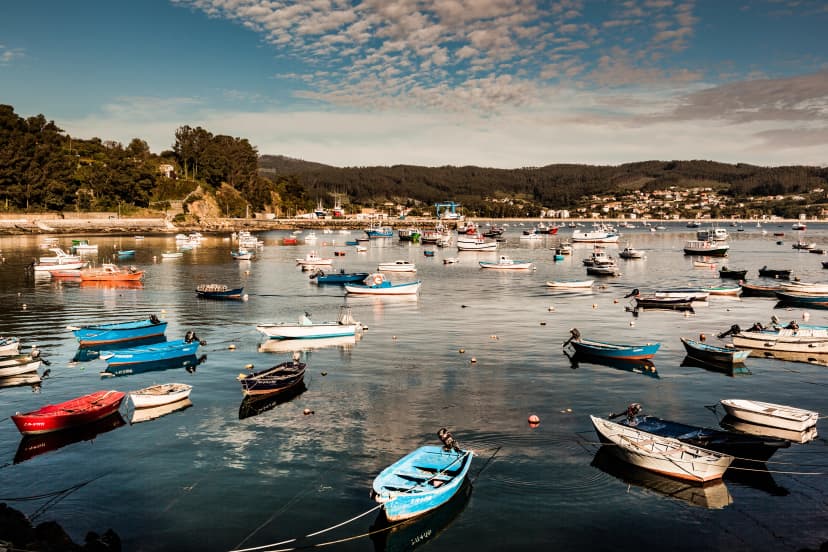
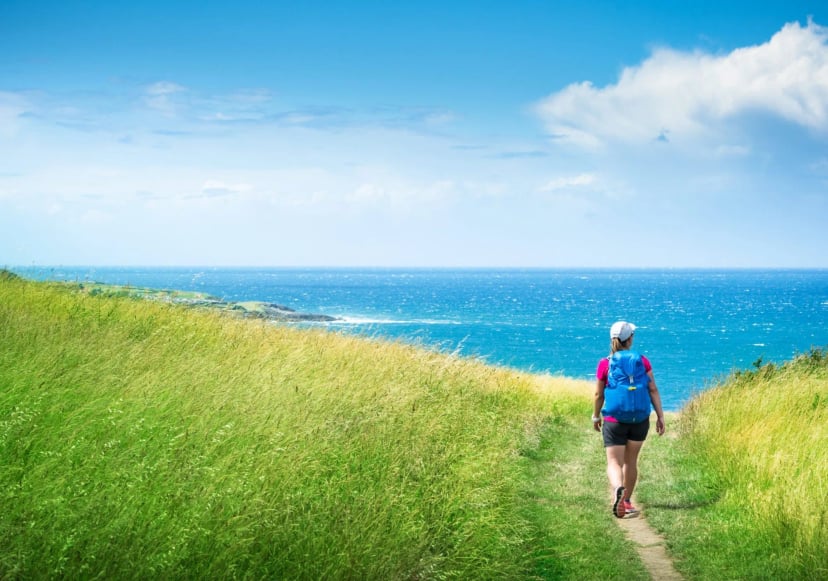
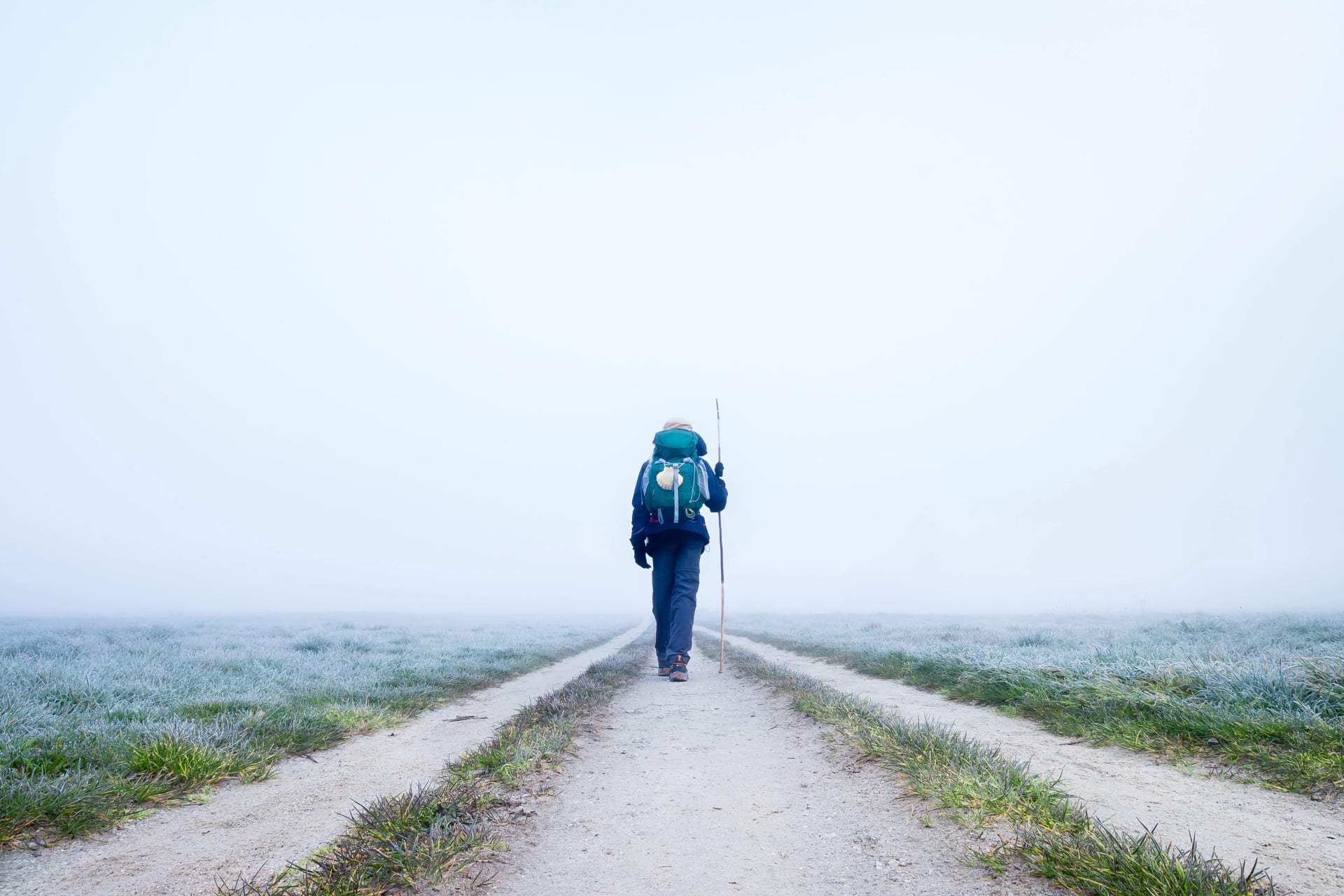
The Camino del Norte offers a coastal pilgrimage where the Atlantic Ocean becomes your constant companion. Daily ocean breezes, dramatic cliff-top paths, and crashing waves create an experience Frances pilgrims never encounter. The sound of surf replaces the silence of wheat fields, and each day brings new ocean panoramas rather than repetitive agricultural landscapes.
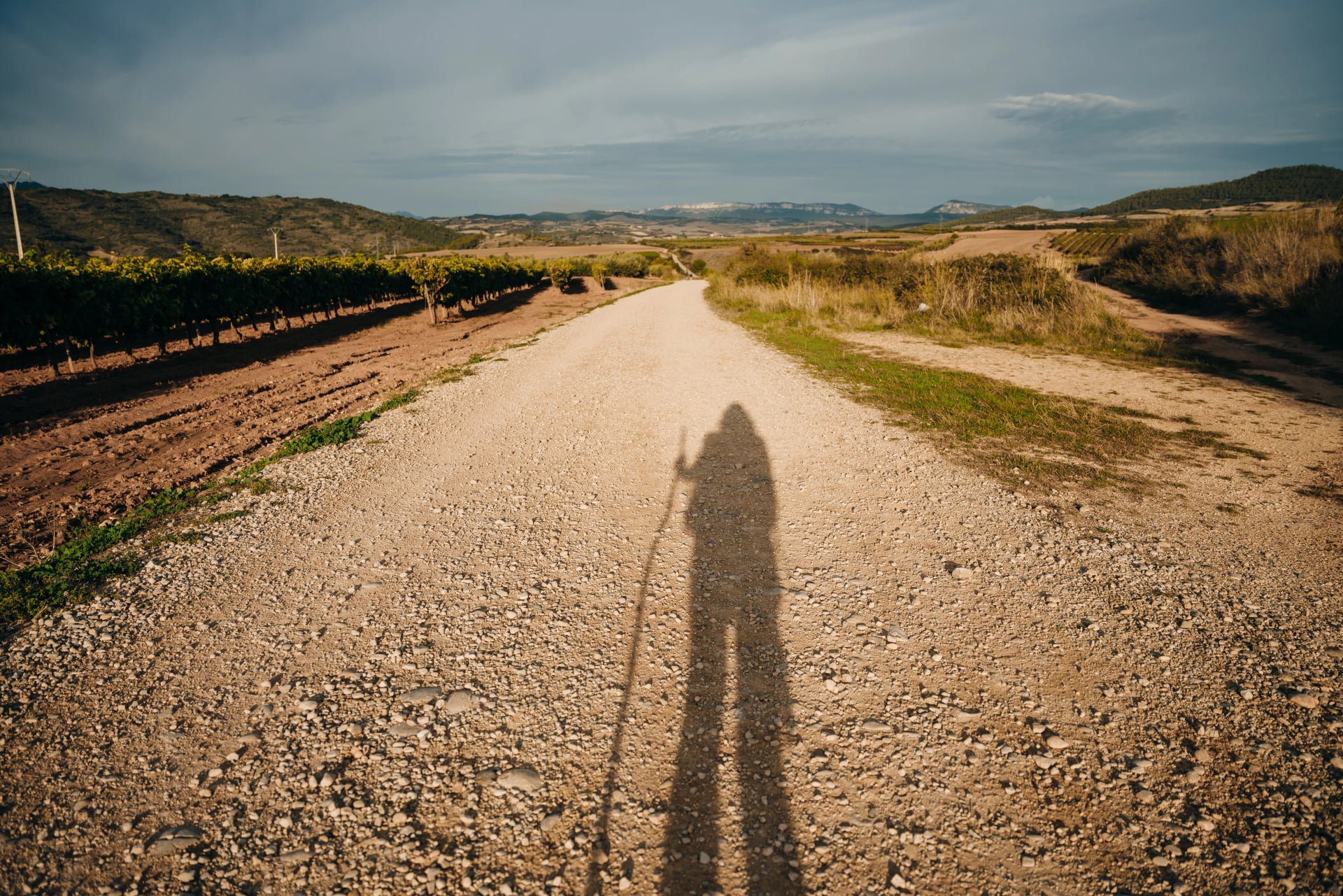
With only 10-15% of pilgrims choosing this route, the Norte provides genuine solitude for reflection and contemplation. You'll walk for hours seeing only a handful of fellow travelers, creating space for the internal journey that pilgrimage traditionally offers. This journey passes through four distinct cultures—Basque Country, Cantabria, Asturias, and Galicia—each with its own language, traditions, architecture, and fierce regional identity.
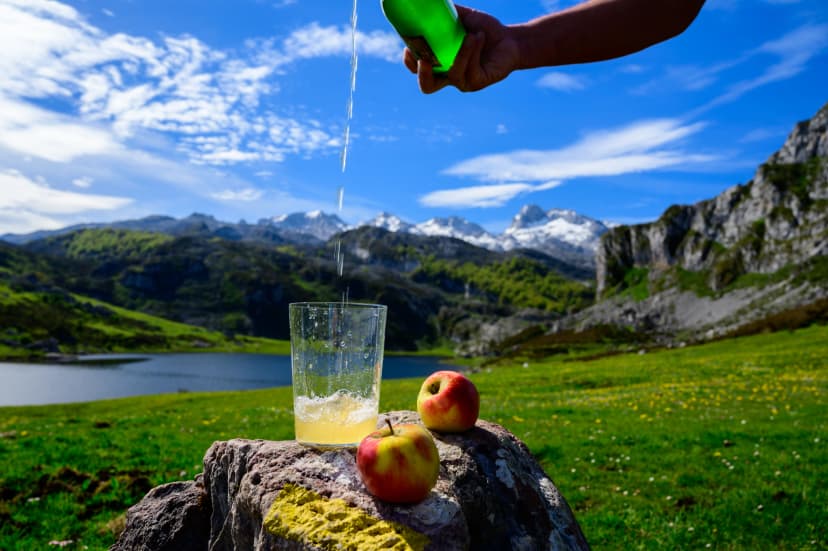
From pintxos bars in San Sebastián to sidrerías in Gijón to seafood restaurants in coastal fishing villages, the Norte is arguably Spain's greatest gastronomic pilgrimage. Budget travelers can still experience regional specialties, while food enthusiasts can indulge in some of Europe's finest cuisine.
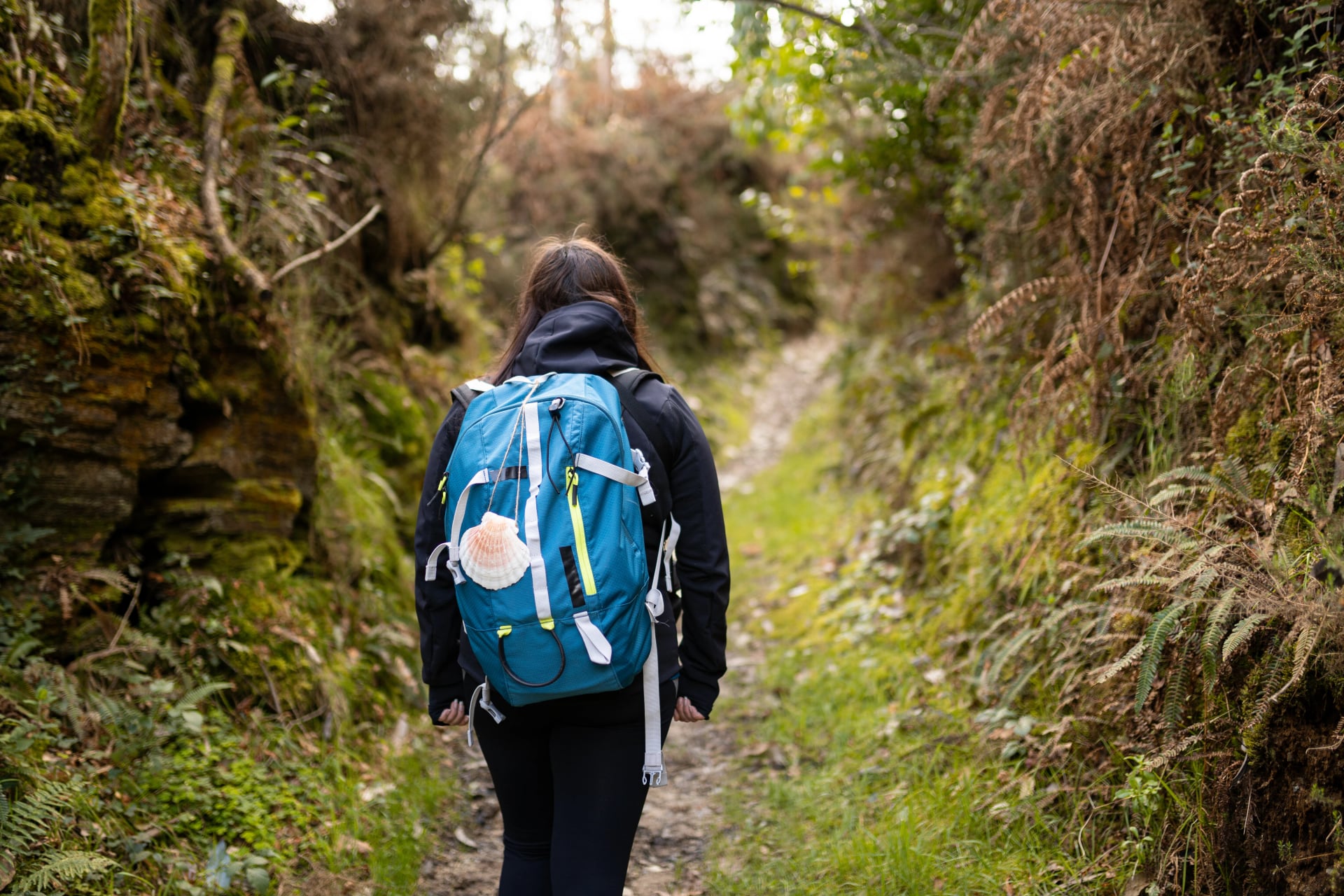
The terrain is hillier and more challenging than the Frances, with constant coastal climbs rewarding fit hikers with spectacular views that justify every difficult ascent. The physical challenge creates deeper satisfaction—you earn these views, you earn your daily arrival, you earn your Compostela in ways that flat routes cannot provide.
For comprehensive Camino preparation guidance, including training plans and packing lists, visit our ultimate Camino de Santiago guide.
Key Destinations Along the Way
Historical Overview
The Camino del Norte emerged as one of Christianity's earliest pilgrimage routes during the 9th and 10th centuries, when Muslim conquest pushed northward across the Iberian Peninsula. While much of Spain fell under Islamic rule, the northern coastal regions—particularly the Kingdom of Asturias—remained under Christian control, providing safe passage for pilgrims journeying to Santiago de Compostela.
Pilgrims arrived by sea from across Europe—Scandinavia, England, Flanders, and Germany—landing at northern Spanish ports before walking westward. Many stopped first in Oviedo to venerate the relics of San Salvador Cathedral before continuing to Santiago, creating a tradition that persisted for centuries. This detour added days to the journey but was considered essential by medieval pilgrims seeking the cathedral's sacred treasures.
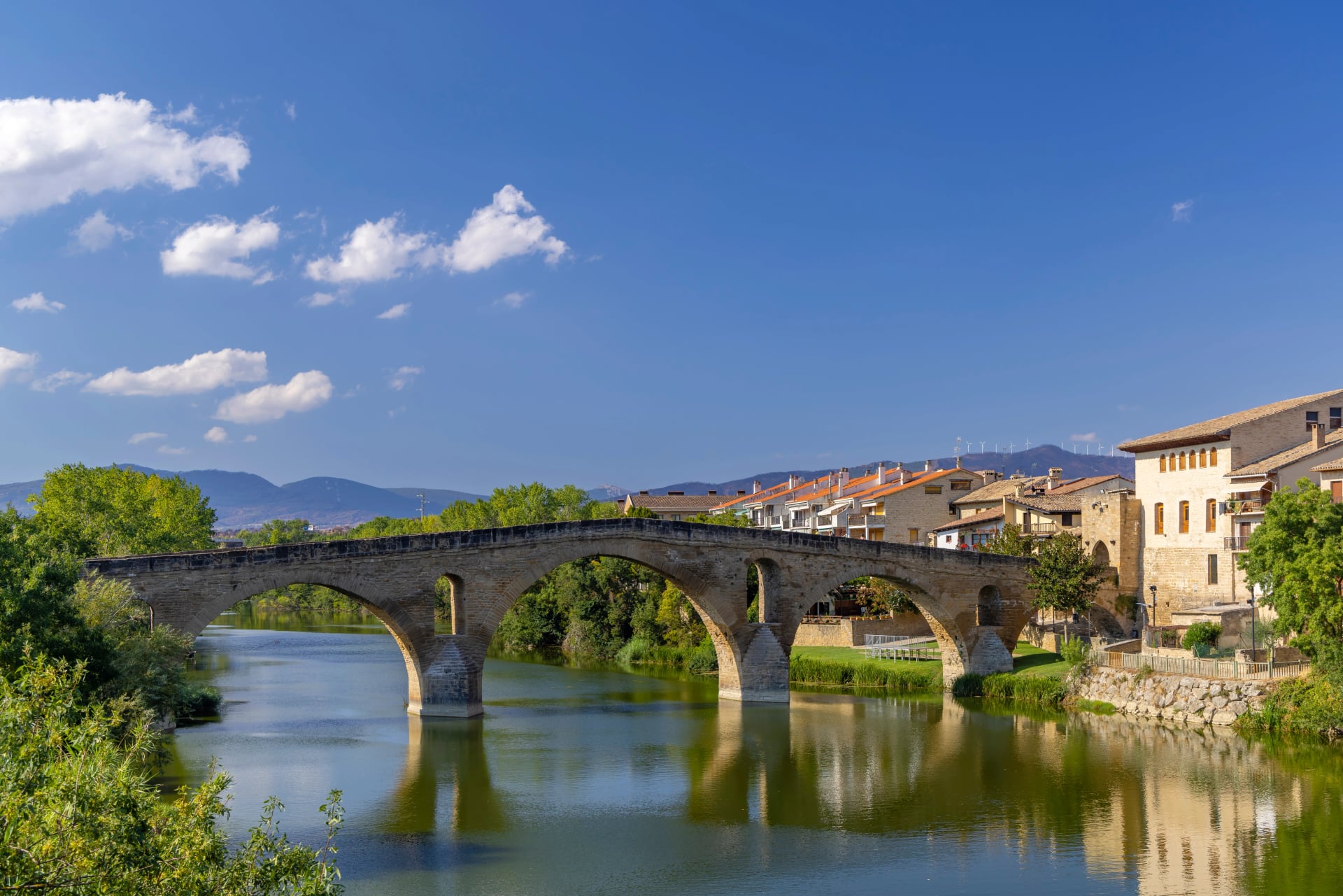
After the 11th century Reconquest, when Christian kingdoms reclaimed central Spain and the royal court moved to León, the Camino Frances grew to dominate as the preferred pilgrimage route. Its flatter terrain, better infrastructure, and royal sponsorship drew the majority of pilgrims, while the Norte maintained a steady but smaller flow of coastal travelers who valued the maritime route despite its additional challenges.
Today, the Camino del Norte has experienced remarkable revival. Designated as a UNESCO World Heritage Site along with other Camino routes, it attracts pilgrims seeking a less crowded, more challenging coastal alternative to the Camino Frances. The route's historical significance as one of the original paths to Santiago adds depth to the modern pilgrimage experience.
Terrain & Difficulty
The Camino del Norte's reputation as the most challenging major Camino route stems from constantly undulating terrain. Unlike the Frances with its long, flat Meseta stretches, the Norte rises and falls relentlessly—climbing coastal headlands, descending to fishing villages, climbing again to cliff-top paths, descending to cross river valleys.
Average daily elevation gain ranges from 600-1,000 meters, with some stages exceeding 1,200m of cumulative climbing. While individual ascents rarely exceed 300-400m at once, the continuous up-and-down pattern throughout each day taxes legs far more than single large climbs. This cumulative effect demands respect and proper pacing.
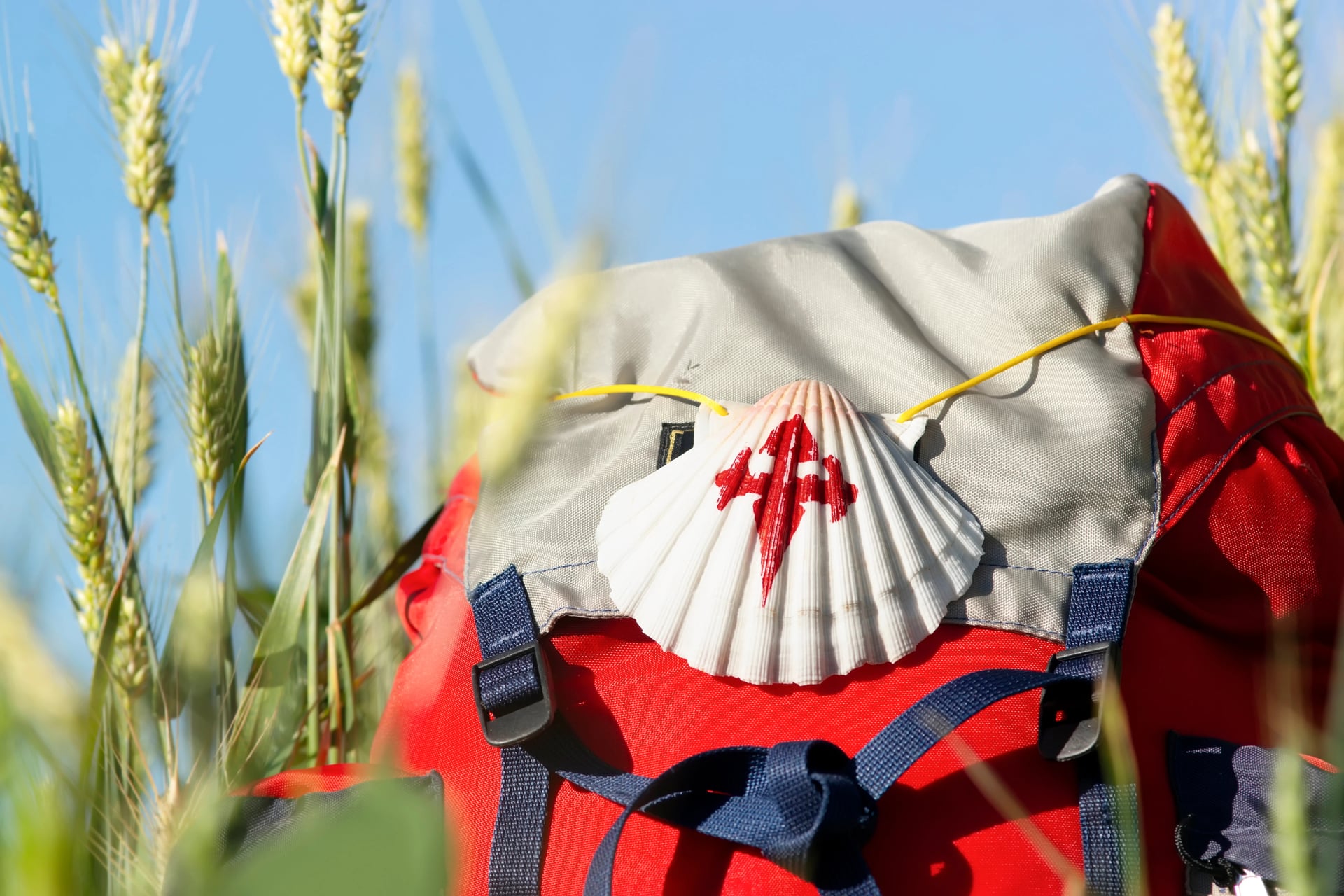
Terrain varies dramatically by region, creating distinct challenges and rewards:
Basque Country features steep coastal paths and forested hillsides with constant elevation changes
Cantabria alternates between dramatic clifftop walking and mountain crossings inland from the coast
Asturias presents some of the route's most dramatic coastal scenery with exposed headland paths requiring sure footing
Galicia softens considerably with gentle rolling hills through rural farmland, providing welcome relief for tired legs
Most Challenging Stages:
San Sebastián to Zarautz: Constant coastal climbing with exposed paths and significant cumulative elevation
Deba to Markina-Xemein: Steep inland mountain crossing departing from the coast
Bilbao to Castro-Urdiales: Long day combining distance with significant elevation gain
Easier Sections:
Vilalba to Santiago: Gentle Galician countryside comprising the final 100km
Santander to Santillana: Moderate coastal walking with manageable elevation changes
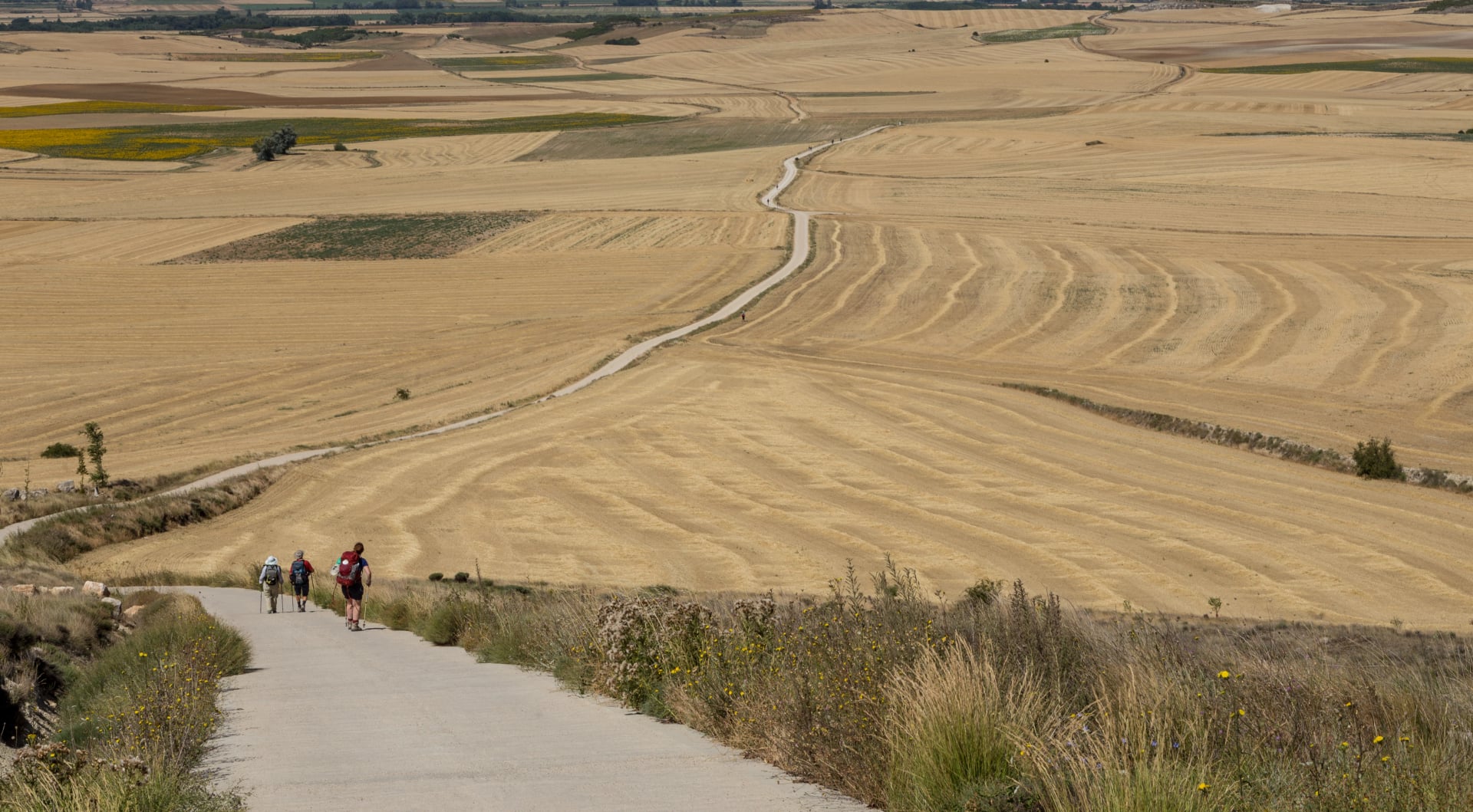
Most pilgrims walk 18-25km daily compared to 25-30km on the Frances. The slower pace reflects challenging terrain, the frequent spectacular Atlantic viewpoints worth stopping for, and the more contemplative atmosphere that fewer pilgrims create.
Infrastructure
The Camino del Norte's infrastructure, while excellent, differs notably from the Camino Frances in albergue density and stage flexibility:
Accommodations:
More spread out than the Frances
Some stages offer only 1-2 albergue options compared to Frances's abundance
More careful planning required, particularly during summer peak season
Municipal and private albergues line the entire route
Booking ahead more important than on the Frances
Many popular coastal stages sell out weeks in advance during July-August
Hotels and pensiones supplement albergue options in larger towns
Trail Marking:
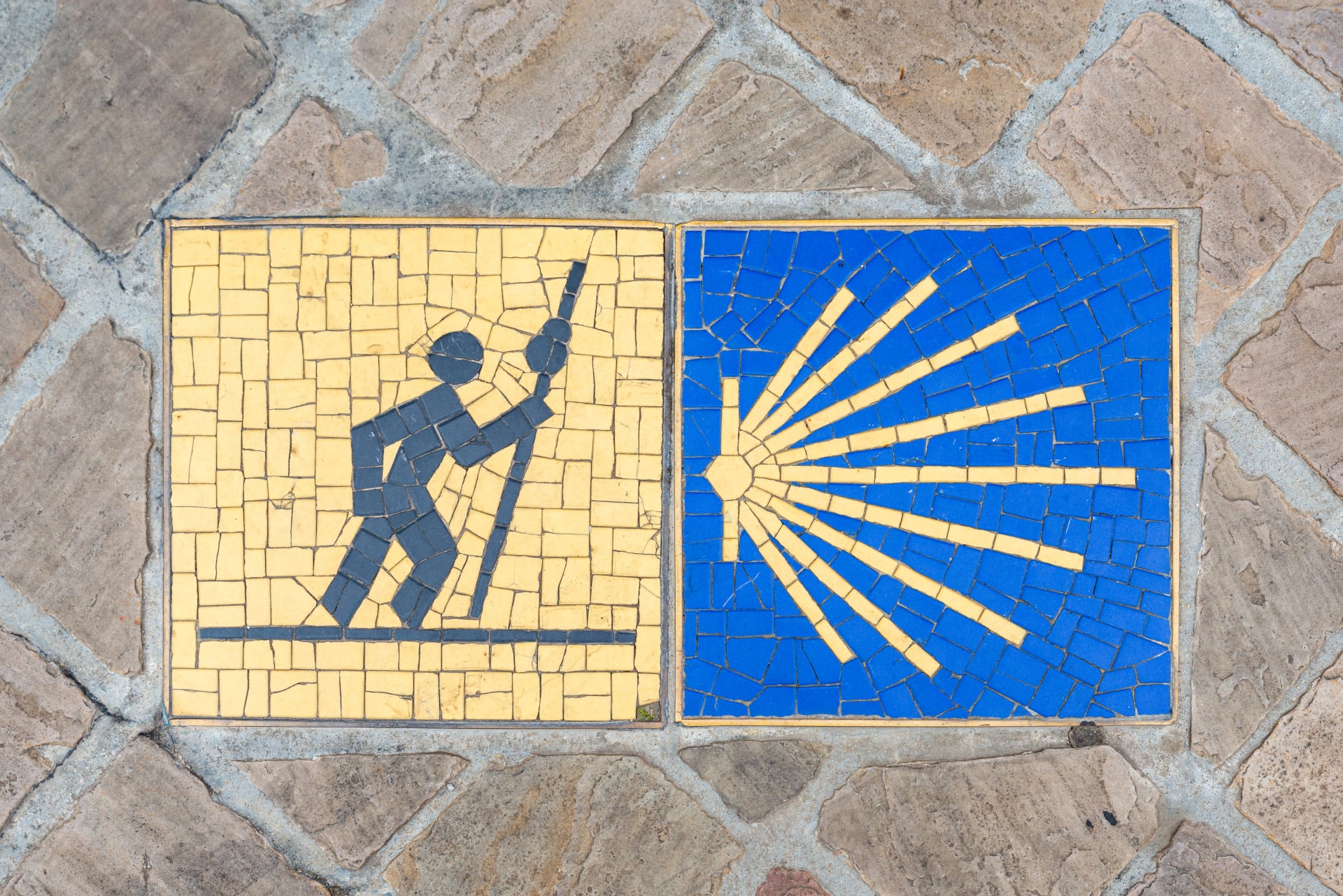
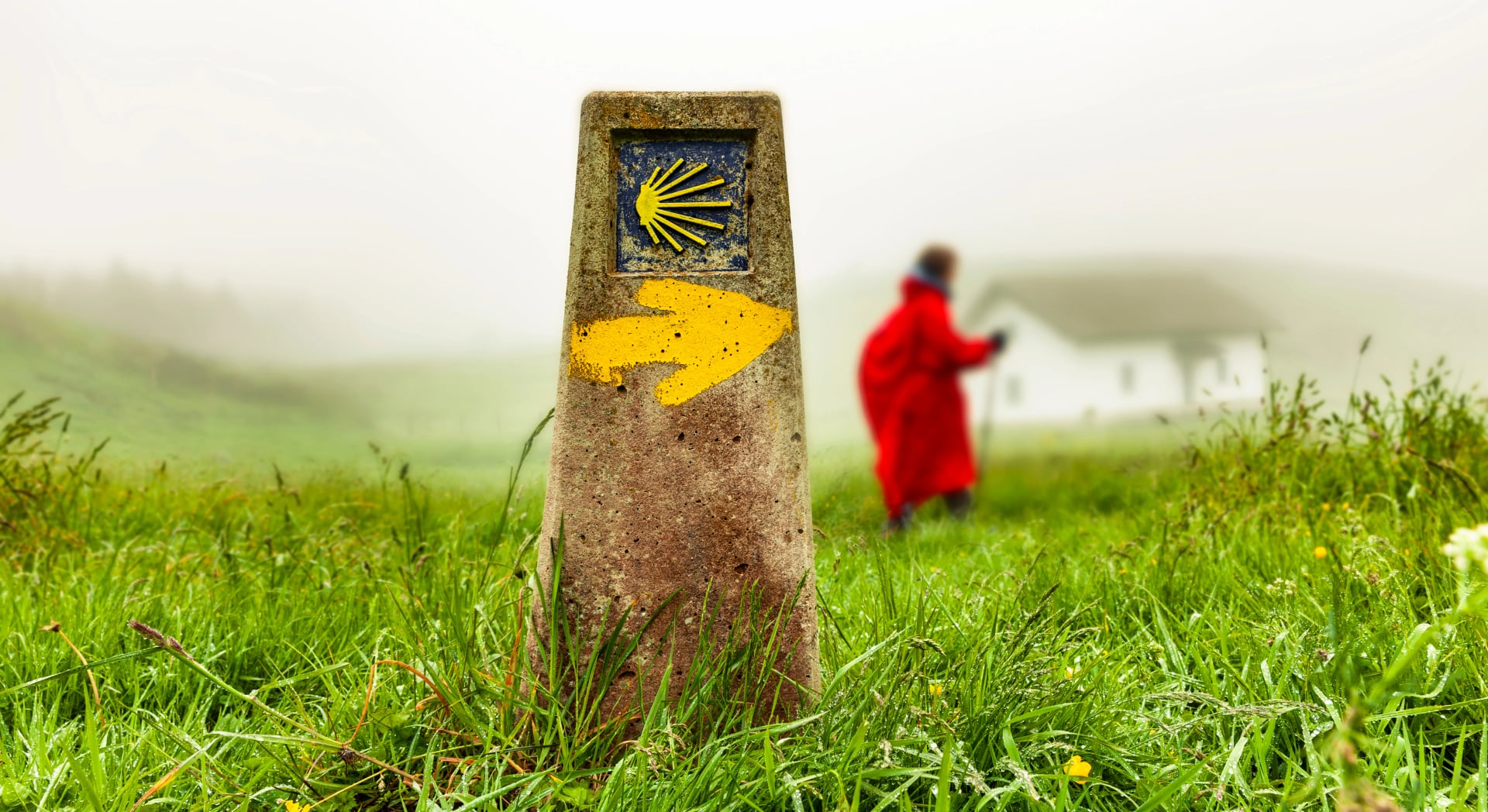
Exceptionally well-marked with standard yellow arrows and scallop shells
Some city sections require attention as waymarks can be less obvious among urban signage
Navigation apps and GPS tracks provide helpful backup
Services:
Larger towns offer complete services—supermarkets, pharmacies, gear shops, medical facilities
Small coastal villages may have only a bar-restaurant and albergue
Planning resupply stops and carrying extra snacks more important than on Frances
Connectivity:
Mobile coverage generally excellent along the coast
Some inland mountain sections lose signal
Wi-Fi standard in most albergues and accommodations
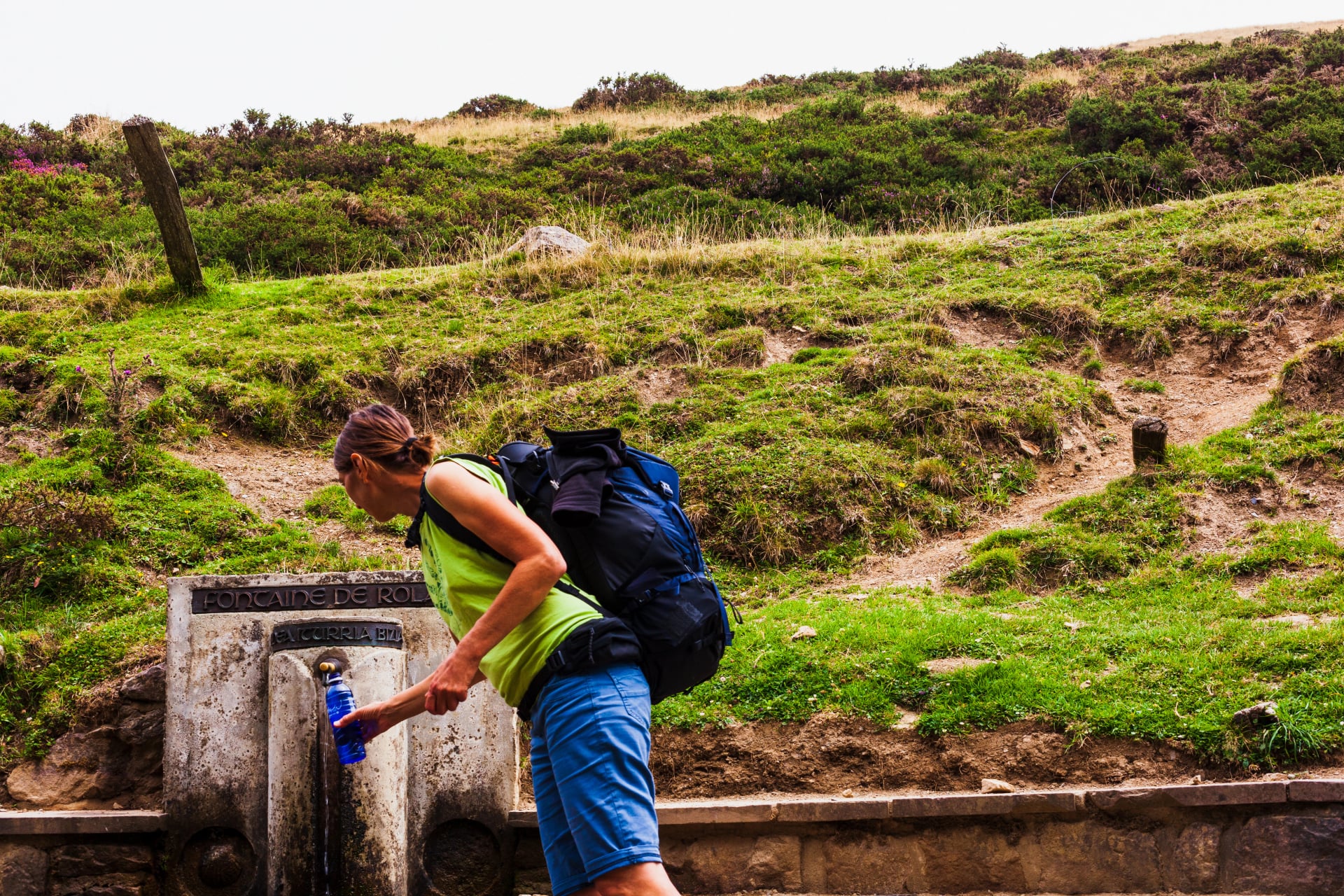
Water fountains appear less frequently than on the Frances
1.5-2L water capacity important, particularly during summer heat when coastal walking offers limited shade
Food on the Way
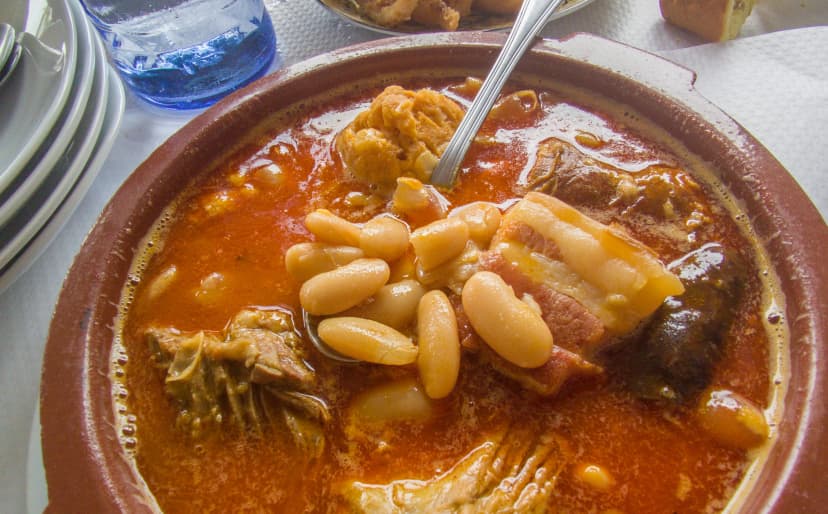
The Camino del Norte stands as Spain's greatest gastronomic pilgrimage, passing through regions celebrated for distinctive culinary traditions. From Basque pintxos culture to Asturian cider and mountain stews to Galician seafood, the Norte offers daily opportunities to experience authentic regional cooking that defines northern Spain.
Budget €15-25 daily for food to properly experience regional specialties beyond basic pilgrim menus. The investment rewards you with authentic tastes rarely found elsewhere in Spain. Here are the most important dishes to try along this route:
A Day on Camino del Norte
Understanding the daily rhythm helps prepare you mentally for this coastal pilgrimage's unique character.
Morning (6:00-8:00 AM)
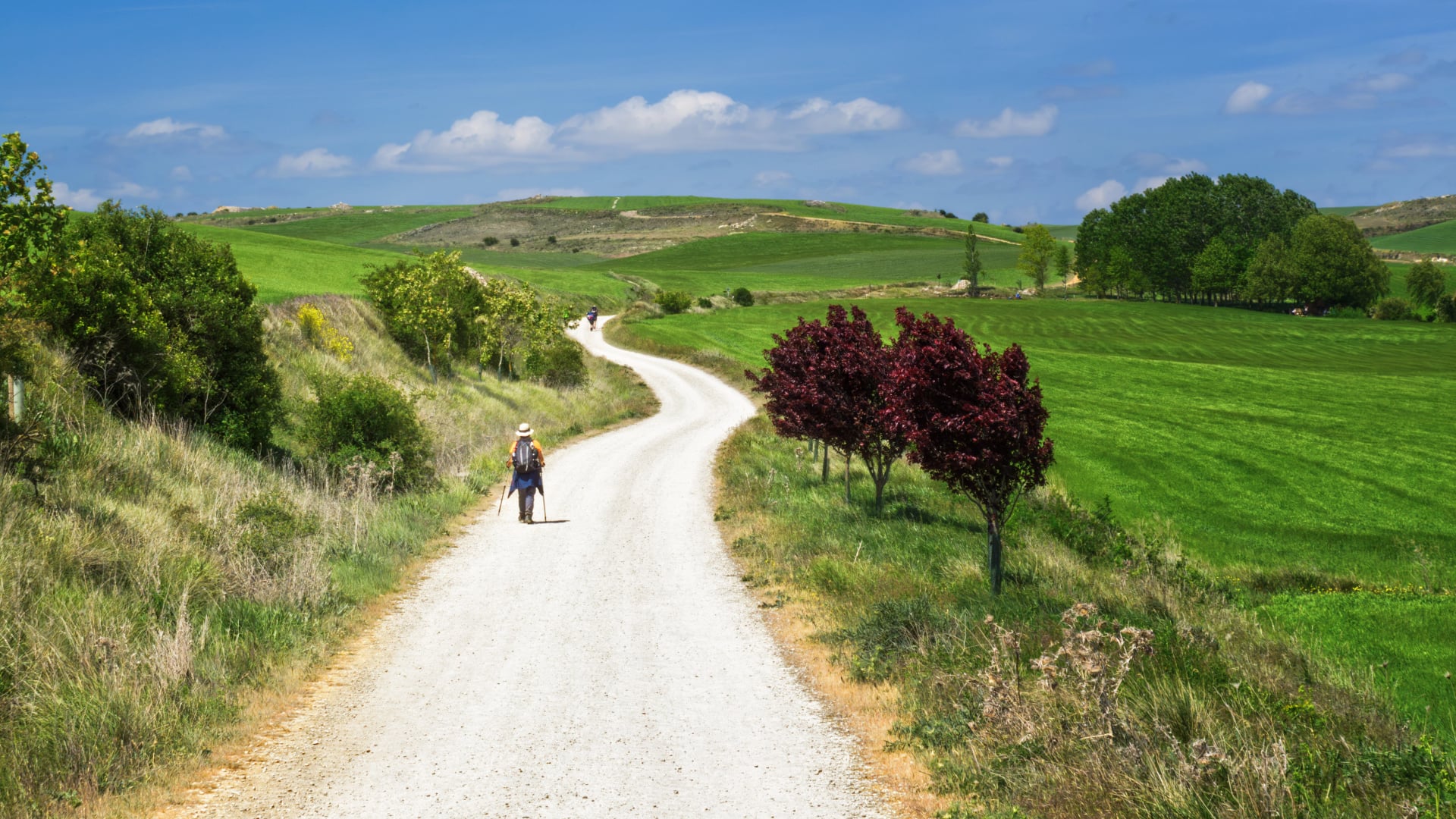
Most Norte pilgrims start earlier than on the Frances—6:30-7:30 AM becomes standard to maximize morning's cooler conditions for coastal climbing. Sunrise over the Atlantic from clifftop paths rewards early starts beyond just practical considerations. Many skip albergue breakfasts, preferring to walk 5-8km before stopping at a village bar for café con leche and tostada. This first coffee stop becomes ritual, warming muscles and providing social time as familiar faces gather.
Walking (7:00 AM-3:00 PM)
The core walking typically spans longer hours, with pilgrims averaging 18-25km per day at a slower pace. Constant elevation changes mean covering 20km on the Norte takes similar time to 28-30km on flat Frances stages. The undulating terrain creates natural rhythm—climb for 30-60 minutes, descend steeply for 15-20 minutes, walk flat coastal path for a kilometer, climb again. Experienced Norte pilgrims pace themselves carefully, knowing tomorrow brings identical challenges.
Views dominate the walking experience. Unlike the Frances where landscape occasionally becomes monotonous, the Norte provides constantly changing ocean panoramas, cliff formations, fishing villages appearing below, and the ever-present sound of Atlantic waves crashing against rocks. This visual drama makes the extra physical effort worthwhile.
Afternoon Arrival (1:00-4:00 PM)
Most arrive between 1-4 PM, later than Frances arrivals due to challenging terrain. Securing albergue beds, showering, and doing hand laundry follows familiar patterns. Coastal towns often offer beach time in afternoons—many pilgrims swim in the Atlantic, letting cold water soothe tired legs. This beach opportunity distinguishes the Norte from all other major Caminos, providing unique recovery and refreshment.
Evening (7:00-10:00 PM)
Dinner typically happens later, particularly in Basque Country where Spanish eating schedules prevail. The evening pintxo or tapas ritual in many coastal towns creates different social atmosphere than typical pilgrim menu dinners. Rather than fixed dining times, pilgrims often join locals for bar-hopping, sampling regional specialties in different establishments throughout the evening.
When to Go?
The coastal location creates unique weather patterns requiring different timing than inland routes. Best months: May-June and September offer optimal conditions—mild temperatures, stable weather, manageable crowds.
Spring (April-May): 12-18°C (54-64°F), unpredictable weather with frequent rain. Very light crowds, many services just opening. For hardy pilgrims comfortable with variable conditions.
Late Spring/Early Summer (June): 16-22°C (61-72°F), ideal walking weather. Increasingly stable with less rain. Moderate crowds building toward July. Best weather/crowd balance for most pilgrims.
Summer (July-August): 20-28°C (68-82°F), occasionally reaching 30°C+. Warmest and most stable weather. Busiest period—advance booking essential (3-4 weeks minimum). The coastal location means temperatures remain significantly cooler than the Meseta on the Frances.
Early Autumn (September): 18-24°C (64-75°F), often the most stable weather of the year with crystal-clear visibility. Moderate crowds decreasing after mid-month. Many consider September the absolute best month.
Late Autumn (October): 13-19°C (55-66°F), cooling significantly. Increasing rain and autumn storms. Light crowds, many coastal albergues closing.
Winter (November-March): 8-14°C (46-57°F), rarely freezing but feeling cold in coastal wind. Frequent rain, winter storms, many services closed. Only for experienced hikers comfortable with challenging conditions and limited infrastructure.
How to Get to the Starting Point
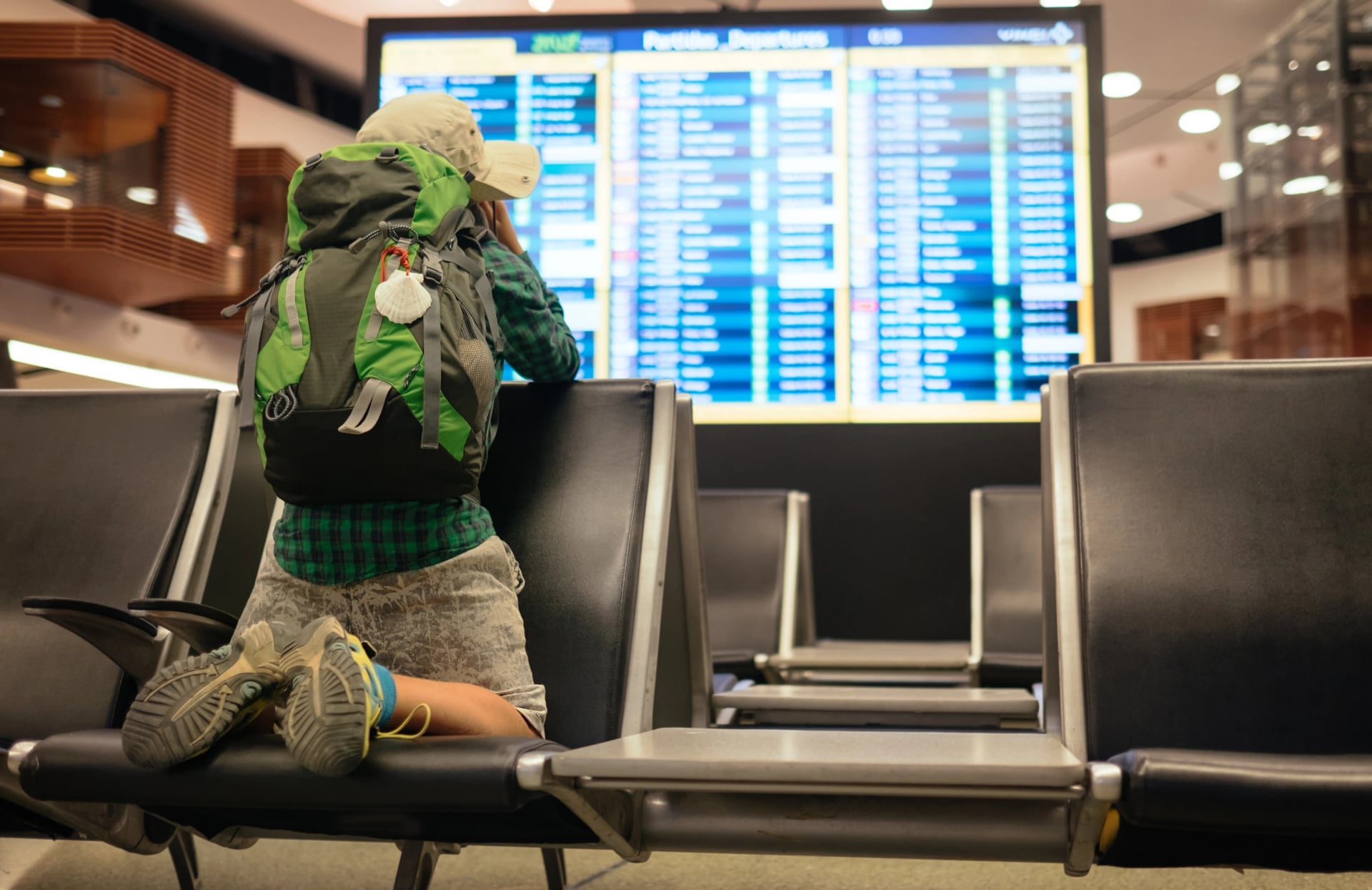
San Sebastián (Donostia in Basque) sits in Spain's northeastern corner near the French border, offering multiple route options.
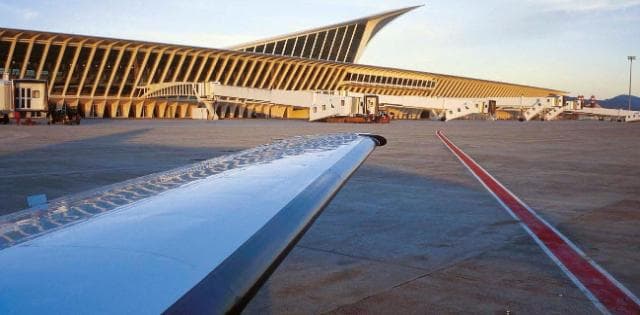
From Major Airports
PESA bus operates direct service to San Sebastián
Journey: 70-90 minutes, €17-20, hourly departures
Book at AVANZA website
Other Airports
San Sebastián Airport (EAS) - 20km: Small airport with limited flights. E21 bus connects to center (30-40 minutes, €2-3).
Biarritz Airport (France) (BIQ) - 50km: Across the border. Bus or taxi to San Sebastián (60 minutes, €25-35 by bus).
Madrid-Barajas Airport (MAD): For international arrivals. Domestic flight to Bilbao (1 hour) or high-speed train to San Sebastián (5-6 hours, €40-70, browse tickets and schedules at Renfe).
From Major Cities
From Madrid: Train (Renfe Alvia, 5-6 hours, €40-70) or Bus (ALSA, 6-7 hours, €30-50 schedules at ALSA)
From Barcelona: Train via Madrid or Bilbao (8-10 hours) or flight via Bilbao
From Bilbao: PESA bus direct (70 minutes, €17-20)
Alternative Starting Point
The official route begins in Irún, adding 26km before San Sebastián. Most pilgrims start in San Sebastián for better accommodation, more atmospheric starting point, and easier transport access.
Arriving in San Sebastián
Credential: Pick up at Cathedral de Buen Pastor
Accommodation: Book ahead—limited space, high summer demand
Arrival Day: Explore La Concha beach, Old Town pintxos bars, Mount Igueldo views
Departing From the Finish Point
After completing your pilgrimage, Santiago offers excellent onward connections:
Reach by Airport bus (Freire company): Every 30 minutes from Praza de Galicia, 20 minutes, €3.
Taxi: €25-30. Ryanair, Vueling, Iberia serve major European cities and domestic destinations.
Train Station
To Madrid: Alvia trains, 5.5-6 hours, from €25-60 (book at Renfe)
To Porto: Regional trains via Vigo, ~5 hours, €20-30
To A Coruña: 30 minutes, €5-10
Bus Station
To Porto: 4 hours, €20-30
To Lisbon: 10 hours, €40-50
To Madrid: 7-8 hours, €35-50
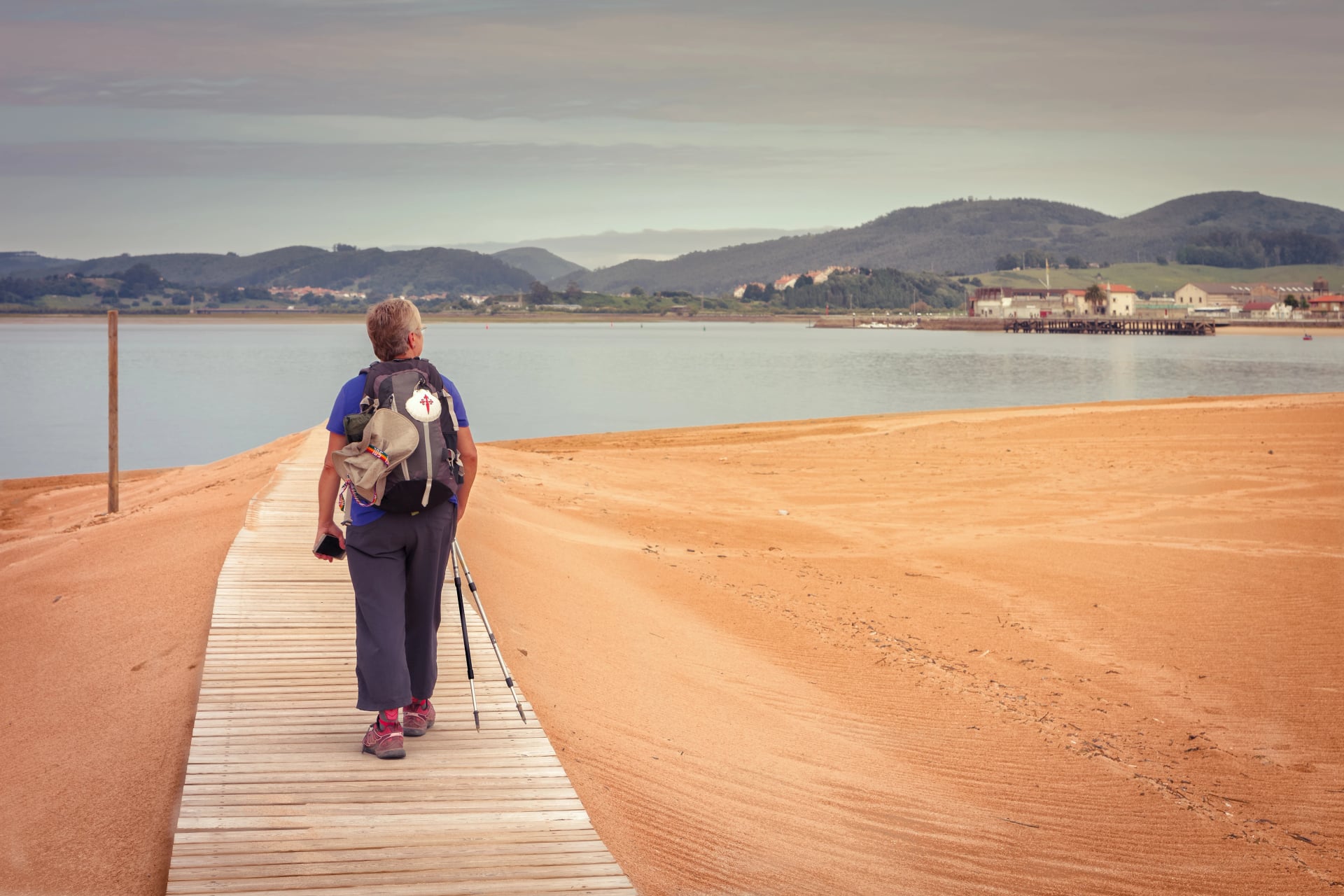
*All ticket prices are approximate and are subject to change depending on season and weather conditions.
Continuing to Finisterre
Many pilgrims extend to Finisterre (End of the World): 3-4 days walking (90km) or bus alternative (Monbus, 3 hours, €15-20, daily). Explore our full range of Camino tours including the Finisterre extension.
Accommodation on The Way
The Camino del Norte offers diverse accommodation with different characteristics than the Frances.
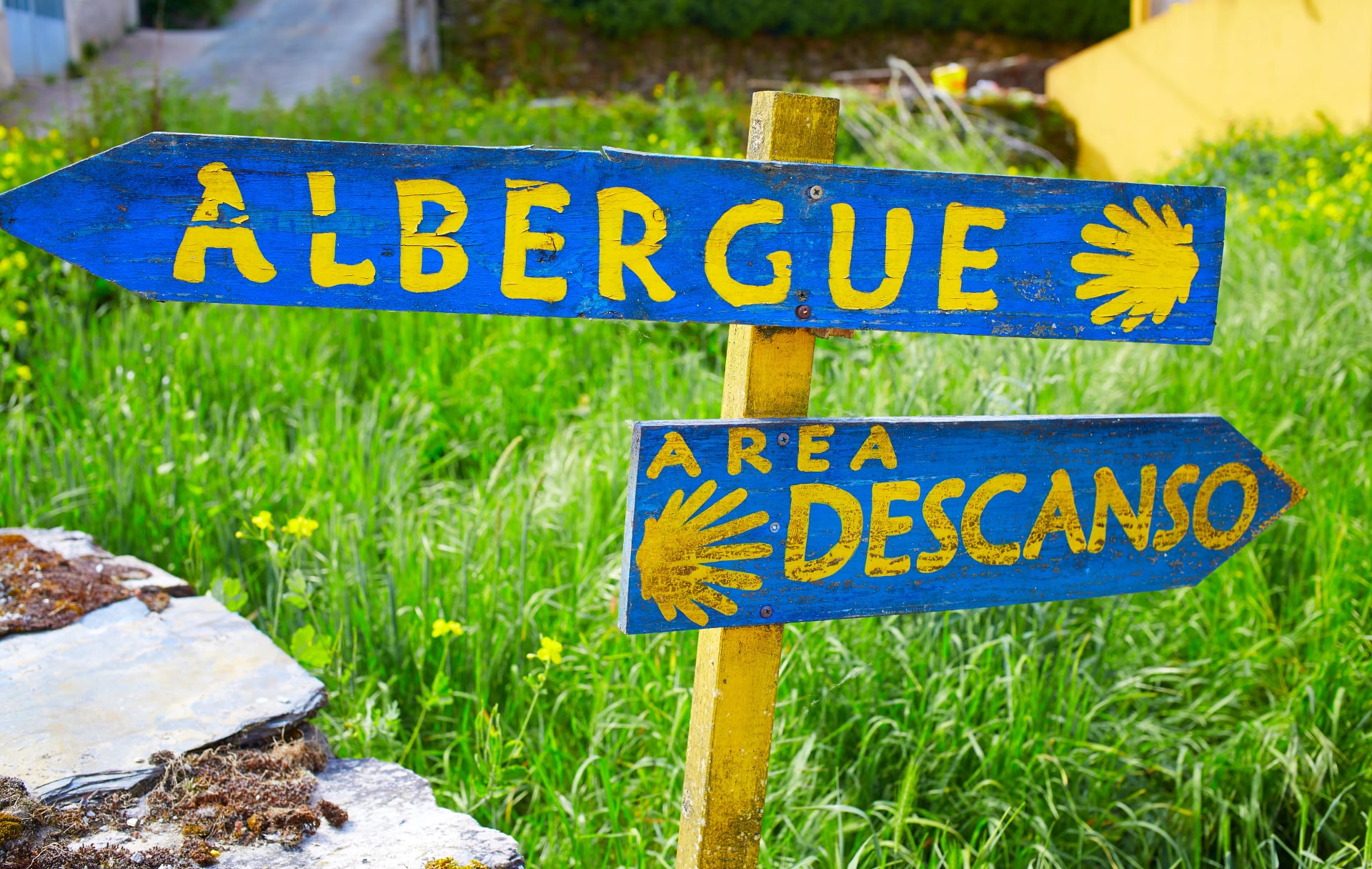
Municipal Albergues (~€10-15/night): Basic pilgrim hostels with dormitory-style accommodation, shared facilities. First-come, first-served in many cases. Credential required.
Private Albergues (~€15-30/night): Can book in advance (recommended). Better amenities, more services. Coastal locations fill quickly.
Hotels & Pensions (~€45-90+): Private rooms with en-suite bathrooms. Essential on some stages where albergue capacity is limited.
Booking Strategy
Unlike the Frances, the Norte requires more advance planning:
Summer (July-August): Book 3-4 weeks ahead
Shoulder season (May-June, September): Book 1-2 weeks ahead
Popular coastal sections: Always book ahead
When you book with us, we secure all accommodations months in advance, ensuring guaranteed beds throughout your journey. We handle Spanish-speaking host communication and select the best-positioned properties for each stage.
Albergue Etiquette: Remove boots immediately, pack evening before for silent morning departures, respect quiet hours (10 PM-6 AM), use headlamp for early departures.
When you book our Camino del Norte tour, we secure all accommodations months in advance, ensuring you have guaranteed beds throughout your journey without daily booking stress.
Top-10 Practical Tips
Train for Hills: The Norte demands more than flat-terrain fitness. Include hill training in your preparation—stair climbing, incline treadmill walking, or actual hill hiking. Your preparation should mirror the route's demands: constant elevation changes rather than single big climbs.
Book Ahead: The sparser accommodation network means advance booking is essential, especially for coastal stages between San Sebastián and Santander, and anywhere during July-August. Don't assume walk-in availability.
Pack Rain Gear: Coastal weather means rain year-round. Quality waterproof jacket and pants are essential, not optional. Even in summer, Atlantic weather systems can bring sudden downpours.
Bring Tide Tables: Some beach walking sections (particularly near Ribadeo's Cathedral Beach) require low tide timing. Check tide schedules online before arrival to avoid disappointment.
Budget for Seafood: The Norte's gastronomic opportunities cost more than Frances pilgrim menus. Budget €20-30 daily for food to properly experience regional cuisine beyond basic pilgrim menus. The investment rewards you with authentic tastes.
Learn Regional Basics: While Spanish works everywhere, basic Basque phrases in San Sebastián ("eskerrik asko" = thank you) show respect for local culture and are appreciated by residents.
Start Conservative: The first week is hilliest (Basque Country stages). Begin with shorter days (15-18km) to adapt before increasing distance. Many Norte pilgrims report the Basque stages as the route's most challenging.
Navigation Apps: While well-marked, some urban sections benefit from GPS backup. Download offline maps for the Norte route before departure.
Carry Extra Snacks: Village spacing means some days offer limited resupply options. Always carry extra energy bars, nuts, or dried fruit for longer stages between services.
Accept Slower Pace: Your 25km Frances days become 20km Norte days. The hills demand respect—embrace the slower rhythm. Quality over quantity defines the Norte experience.
Questions about preparing for the Norte or need personalized fitness advice? Contact us for guidance based on your experience level.
Buen Camino!
For those seeking a structured yet independent Norte experience, we provide the perfect balance—handling complex logistics while preserving your freedom to walk at your own pace.
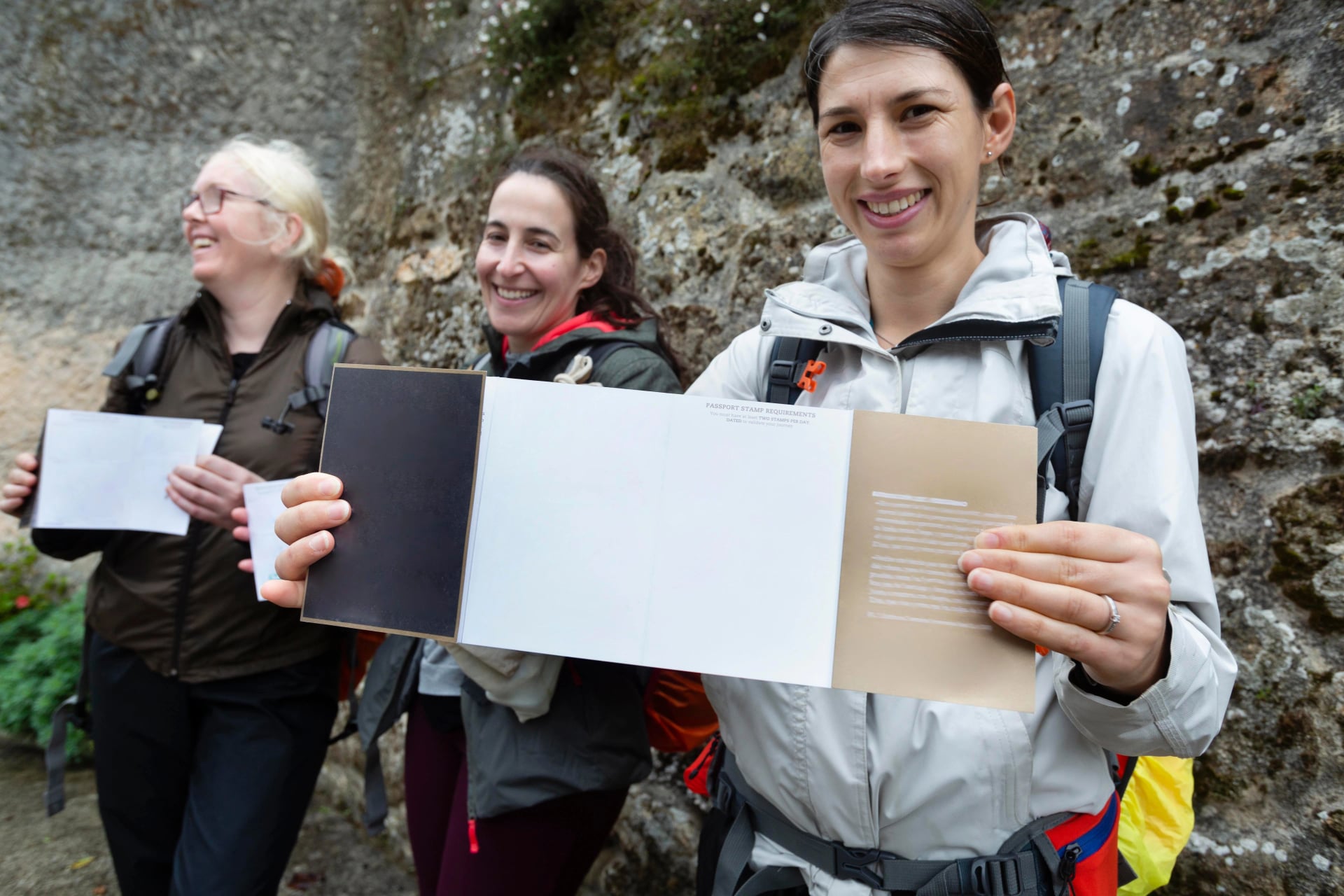
What We Provide:
Pre-arranged accommodations months in advance
Detailed route guides and GPS tracks
24/7 assistance throughout and before your journey
Transport coordination from arrival to departure
The Norte's sparser accommodation network makes independent booking significantly more challenging than the Frances. We secure beds in the best locations, handle Spanish-speaking host communication, and ensure you're positioned perfectly for each day's walk. Luggage transfer proves particularly valuable on the Norte's constant climbs.
Ready to discuss your Camino del Norte? Schedule a meeting with our team to explore options matching your available time and fitness level.


HASSLE-FREE
We handle itineraries, accommodations, and anything else you prefer not to deal with, so you can enjoy a carefree hike.
.svg)
TRIED & TESTED ADVENTURES
Only the best of Camino de Santiago, cherry-picked by our local team with an in-depth knowledge of the region.

SELF-GUIDED TRAVEL
Explore independently and with confidence while we keep everything running from behind the scenes.
.svg)
TRUSTED BY MANY
Since 2014, we have taken care of thousands of happy customers, making it our mission to put your satisfaction first.