The Ultimate Guide for Via Francigena
Plan your journey along the Via Francigena with clarity—stages, landscapes, historic towns and practical advice for walking this ancient route to Rome.
Quick links
Via Francigena in Numbers
Length: Approximately 3,200 km (1,990 miles)
Duration: 45–50 days (Great St Bernard Pass to Rome)
Starting point: Canterbury, England
Finishing point: Rome (Vatican City), Italy
Technical difficulty: 2/5 | Fitness level: 3/5
Ideal for: Those seeking a quieter, historically rich pilgrimage across multiple European countries
Via Francigena Full Historical Route Map
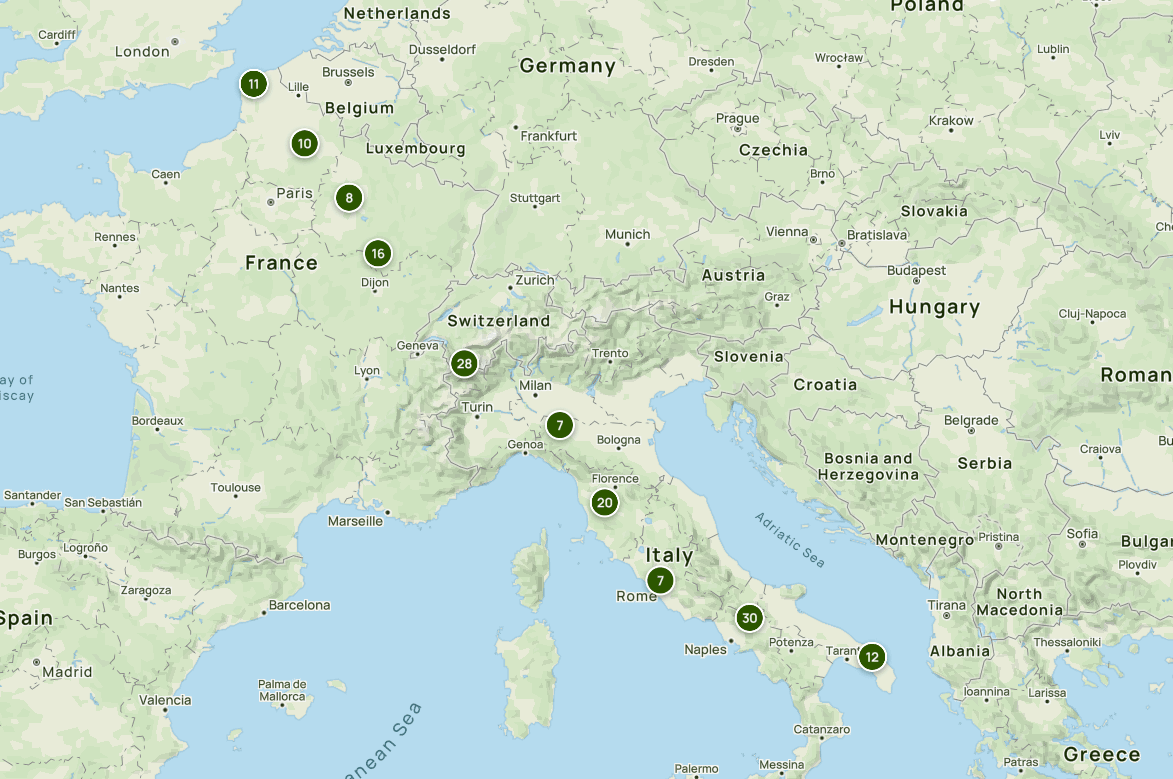
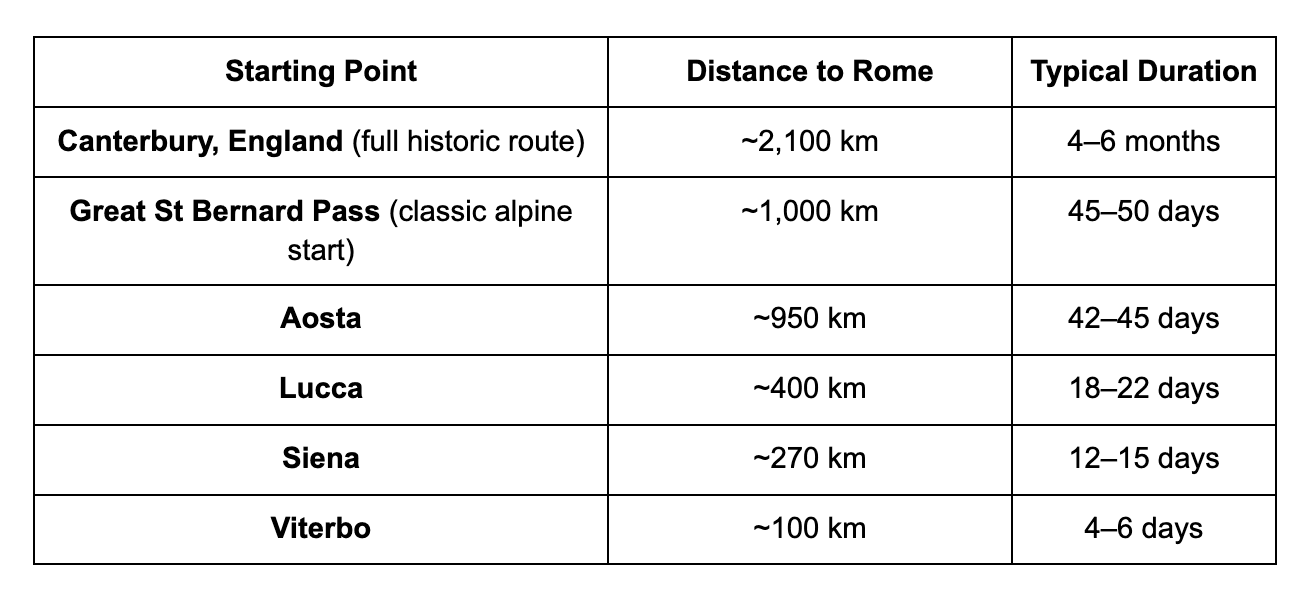
Not everyone walks the Via Francigena from start to finish. Many pilgrims choose where to begin based on available time, season, and preferred sections of the route.
Waymarking & Navigation
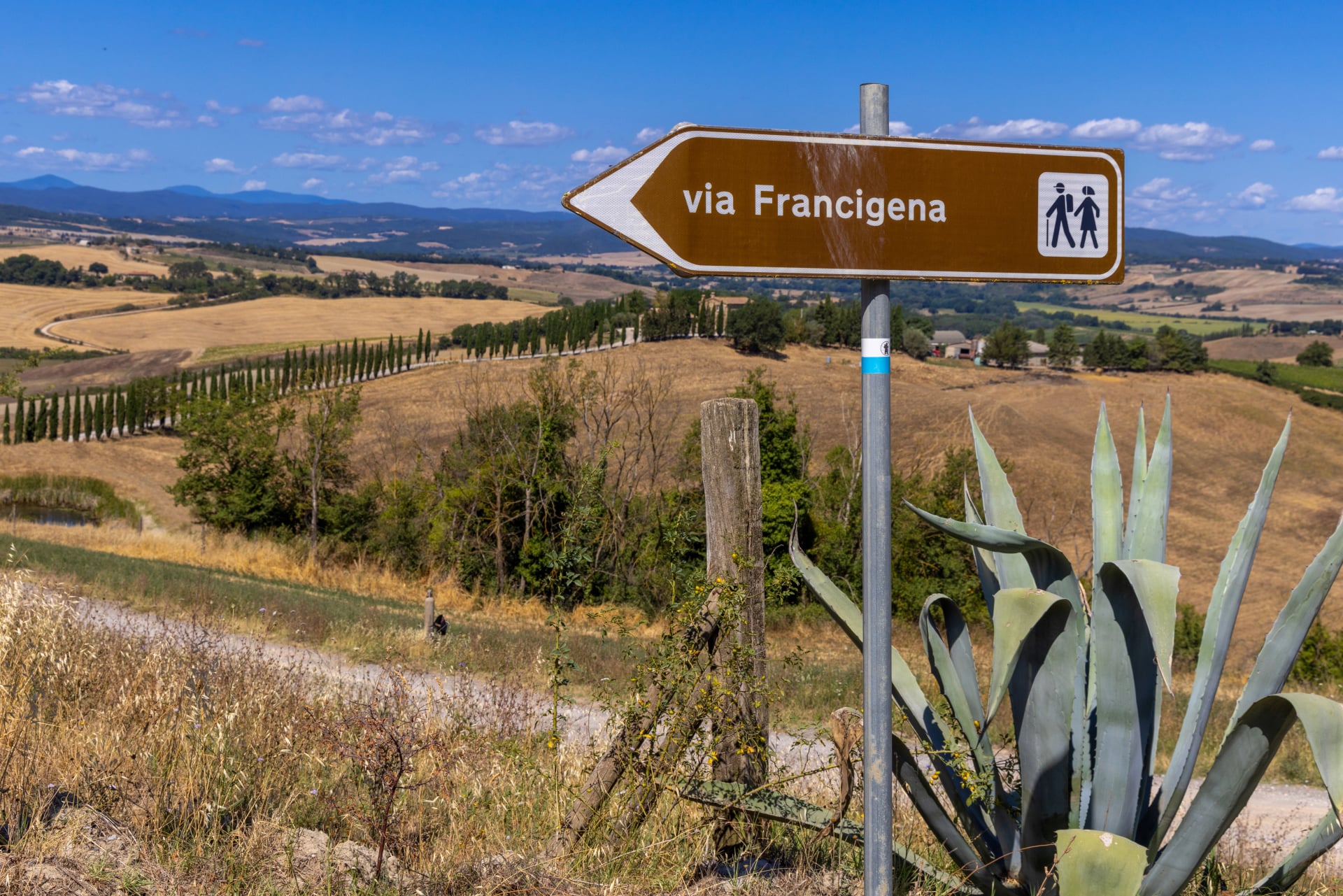
The Via Francigena is generally well signposted, especially in Italy, where markers guide walkers from north to south toward Rome. Along many stages you’ll see official signs with a brown background and a yellow pilgrim icon with an arrow, designed to be easy to spot in towns and rural areas alike.
In addition to these dedicated markers, painted and stickered signs—often in red and white or with route logos—appear on poles, walls, and milestones in some sections. These help reassure walkers between settlements, though they can vary in frequency depending on the region.
In northern parts of the trail, signage may align with broader walking networks and regional markings, so relying on offline GPS tracks or route notes alongside waymarks is a good idea. Overall, navigation is straightforward with basic preparation, and most pilgrims find that a combination of visual waymarks and a simple digital map keeps them confidently on course.
Why Choose the Via Francigena
The Via Francigena is more than a long-distance walk—it is a continuous journey through the rural heart of Europe on the way to Rome. The route crosses multiple regions and landscapes where local traditions, food, and daily life remain closely connected to the land rather than to large-scale tourism.
Compared to busier pilgrimage routes, the Francigena offers a calmer and more flexible experience. Waymarking has improved across much of the trail, daily stages are clearly defined, and accommodation options continue to grow, particularly in Italy. This makes the route approachable for first-time pilgrims without sacrificing its low-key character.
The social atmosphere is quieter and more personal. Walkers tend to meet in small numbers, often sharing meals in family-run guesthouses, parish lodgings, or local trattorias. For those familiar with Camino-style journeys, the structure will feel recognizable, but the experience is shaped more by local interaction than by crowd dynamics.
From open farmland and vineyard-covered hills to Alpine valleys and the rolling countryside of Tuscany and Lazio, the scenery changes constantly. Each stage brings a distinct sense of place, leading gradually into Rome and offering a deeply rewarding arrival at the end of the journey.
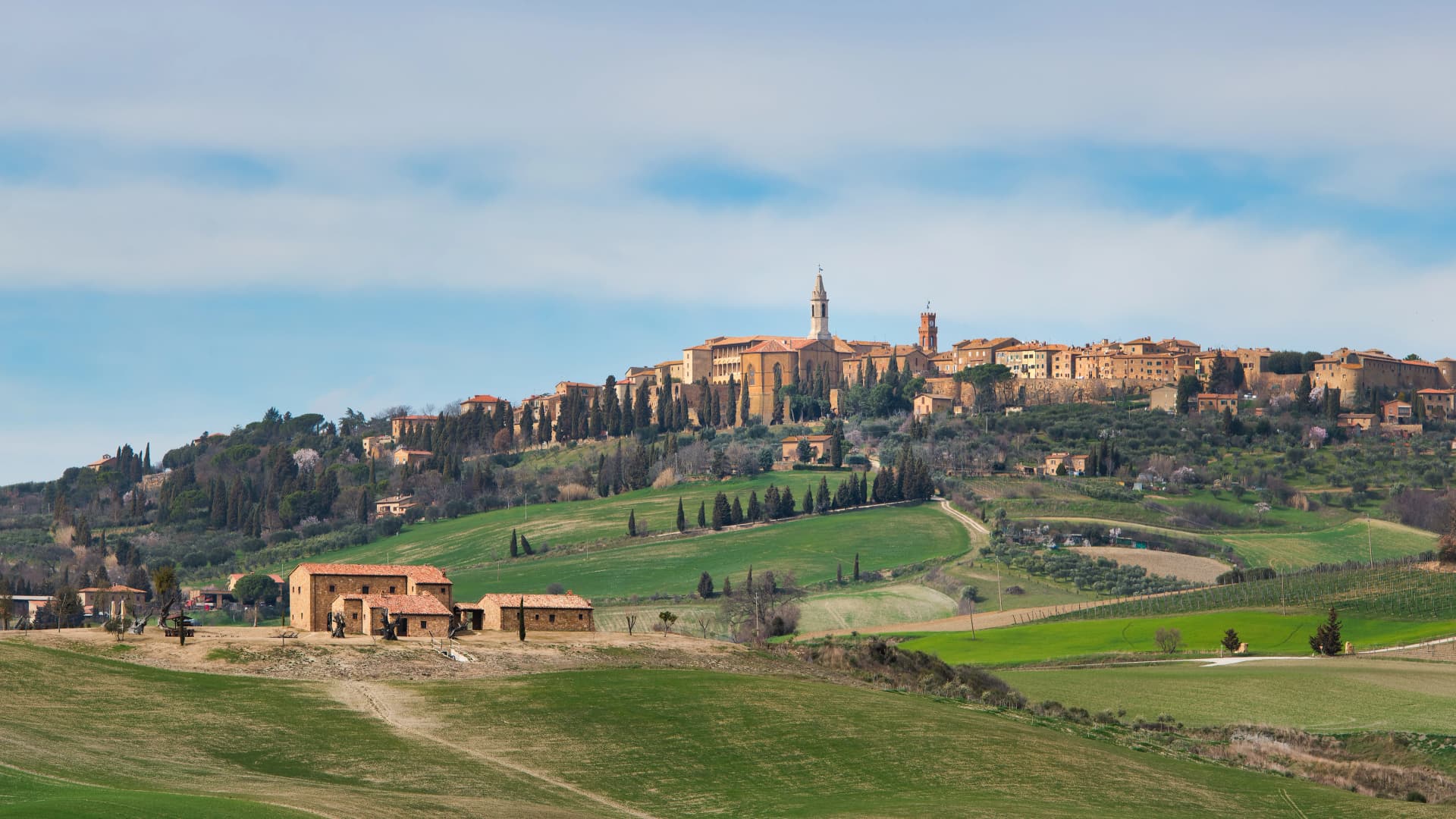
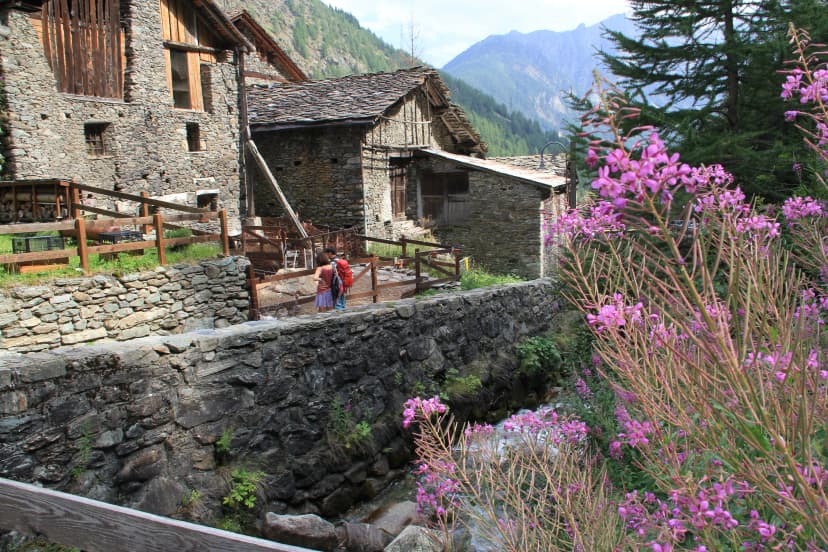
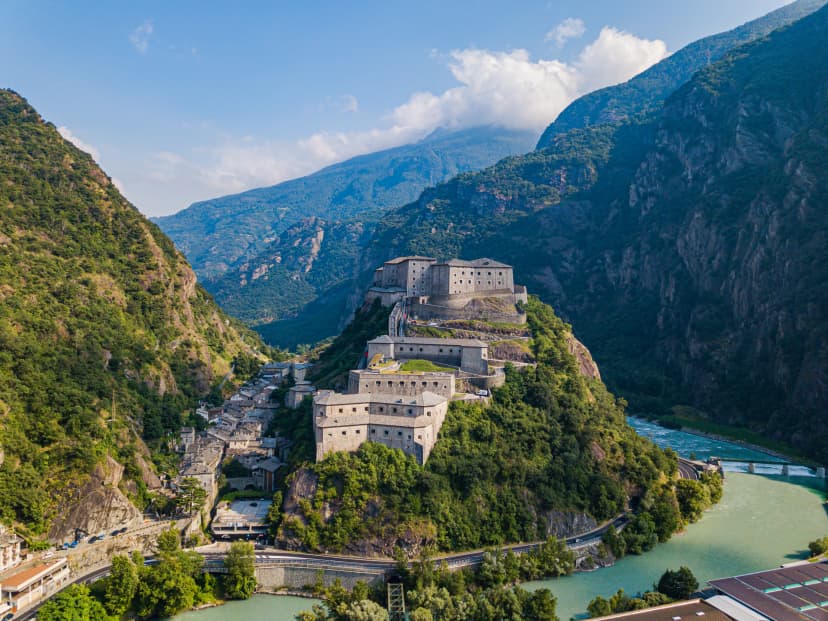
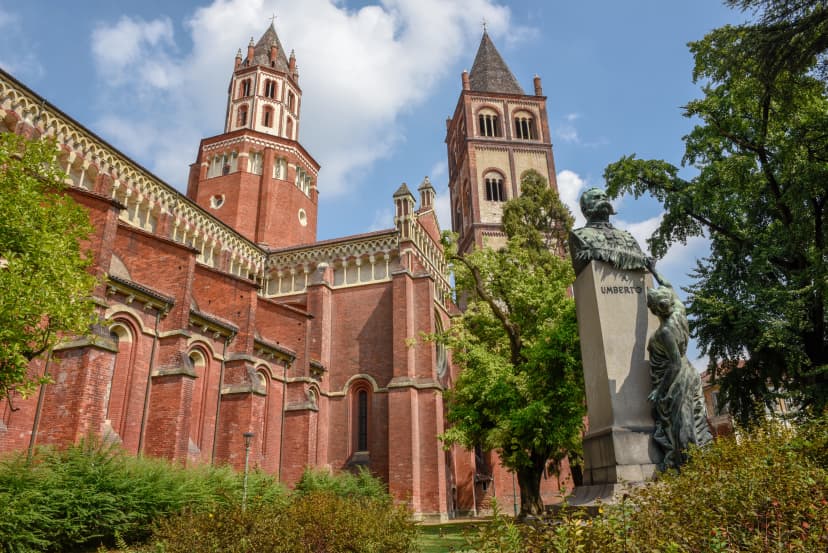
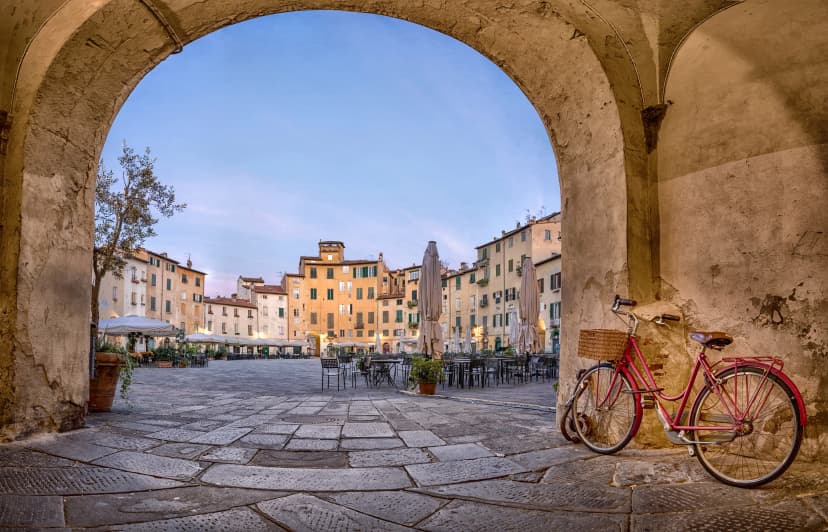
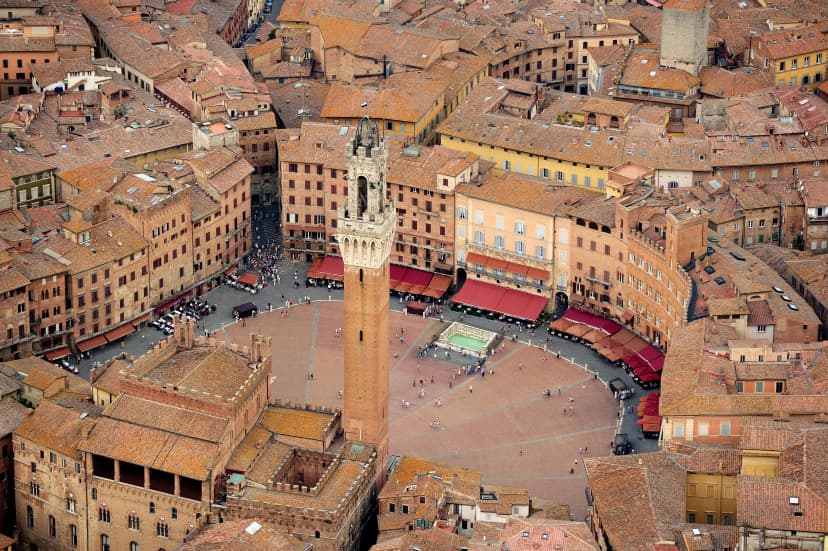
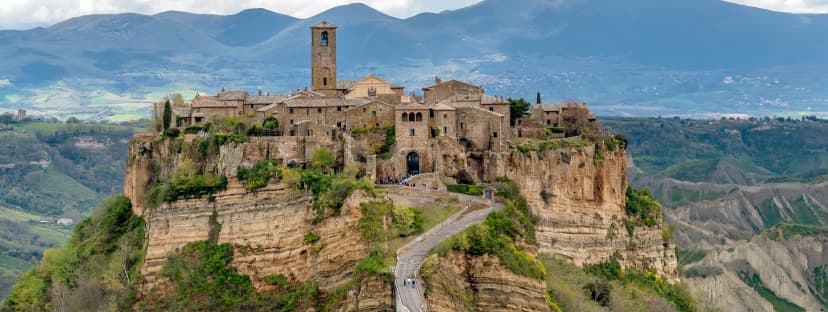
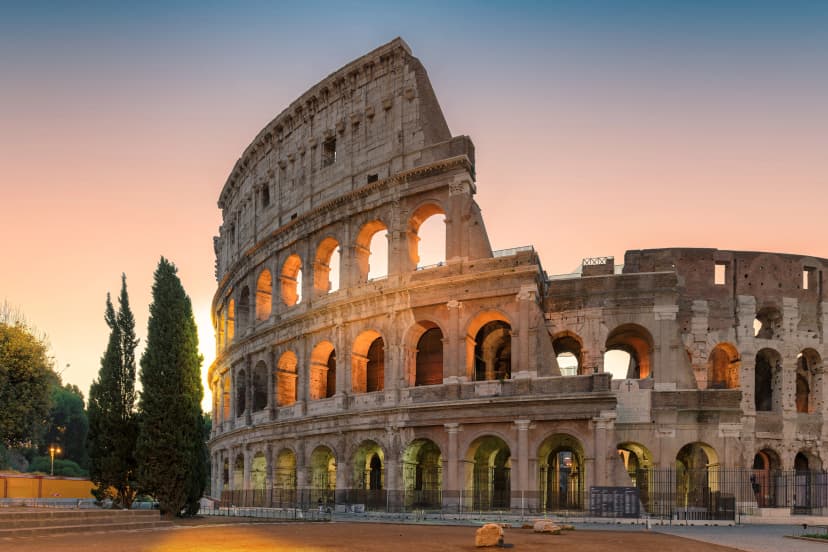
As the route unfolds south toward Rome, a series of towns and cities mark both physical progress and cultural shifts along the way.
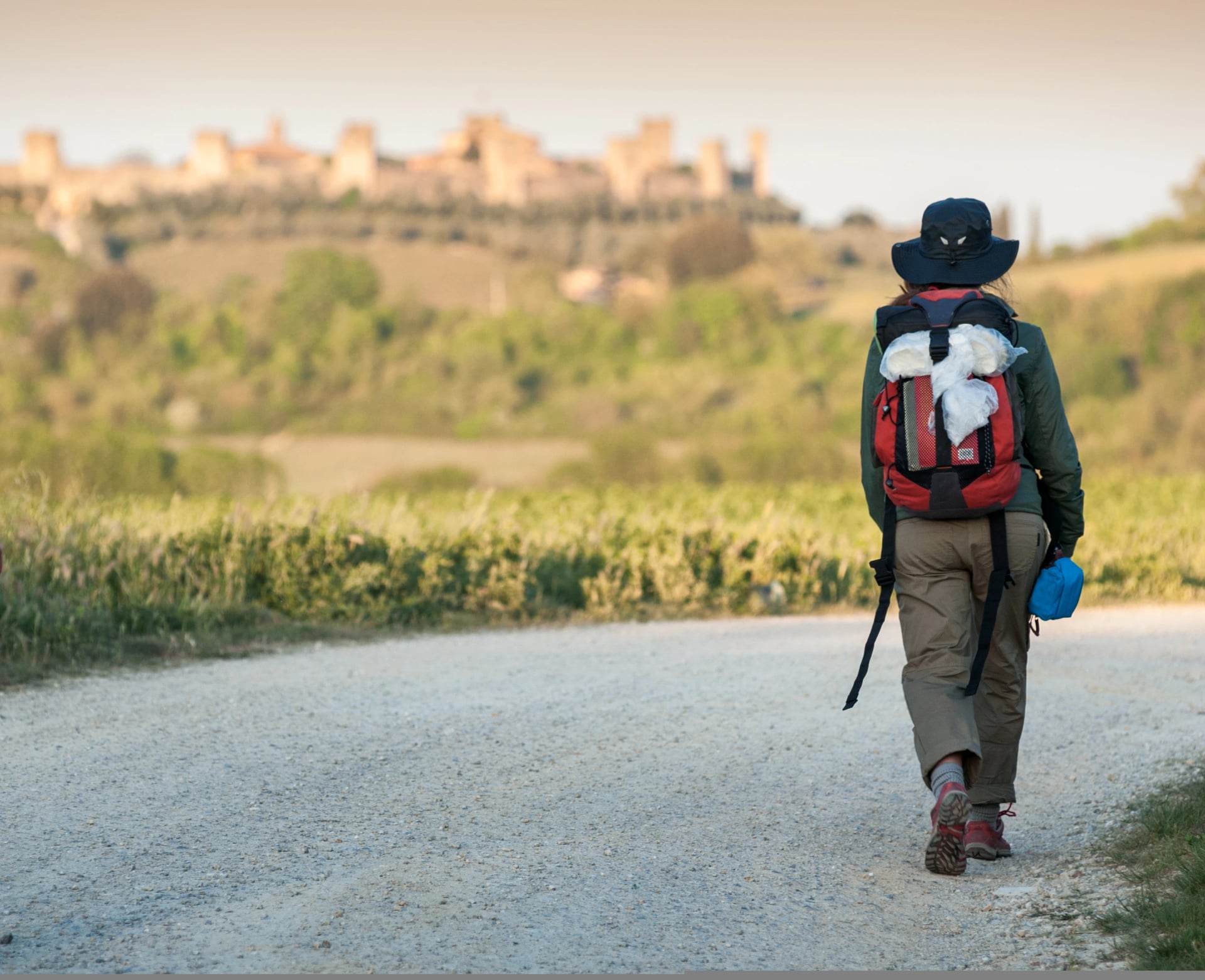
For many pilgrims, this quieter atmosphere makes walking alonea natural choice. The Via Francigena offers space for solitude while still providing gentle social contact in towns and shared accommodations. If you’re considering a solo journey, you can also check out our blog on walking alone for practical insights and personal perspective.
Key Stops Along the Way
Beyond individual places, the Via Francigena is defined by the rhythm of daily walking and the quiet routines that shape each stage.
A Typical Day on the Trail
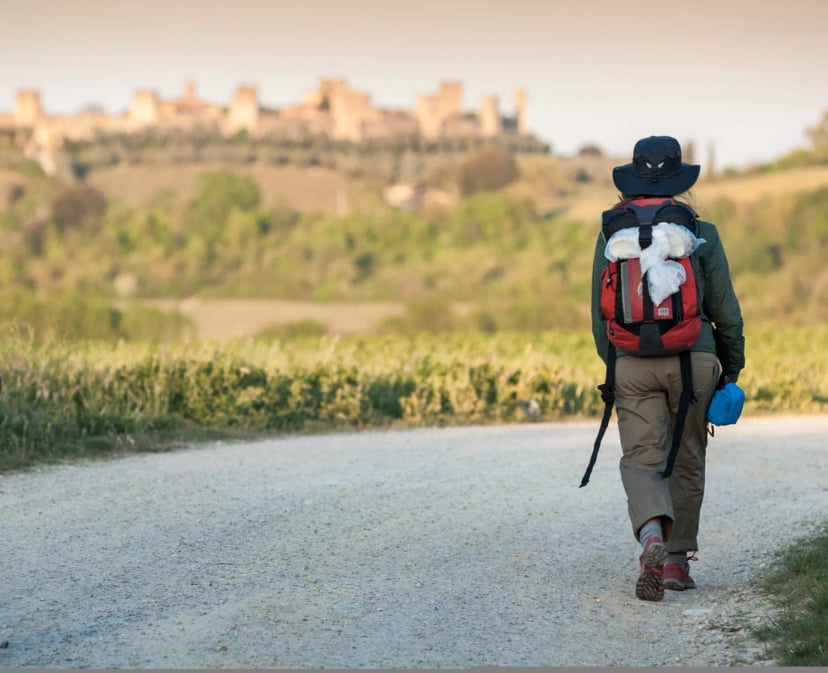
Life on the Via Francigena settles into a calm, repeatable rhythm after just a few days. While distances and terrain vary, most days unfold at a measured pace shaped by daylight, weather, and the availability of towns along the route.
Morning (6:30–9:00 AM)
Days usually begin as villages come to life. Walkers rise early, pack their bags, and step out quietly, often before shops fully open. Starting early is especially common during warmer months, when cooler morning air makes the first hours of walking more comfortable and enjoyable.
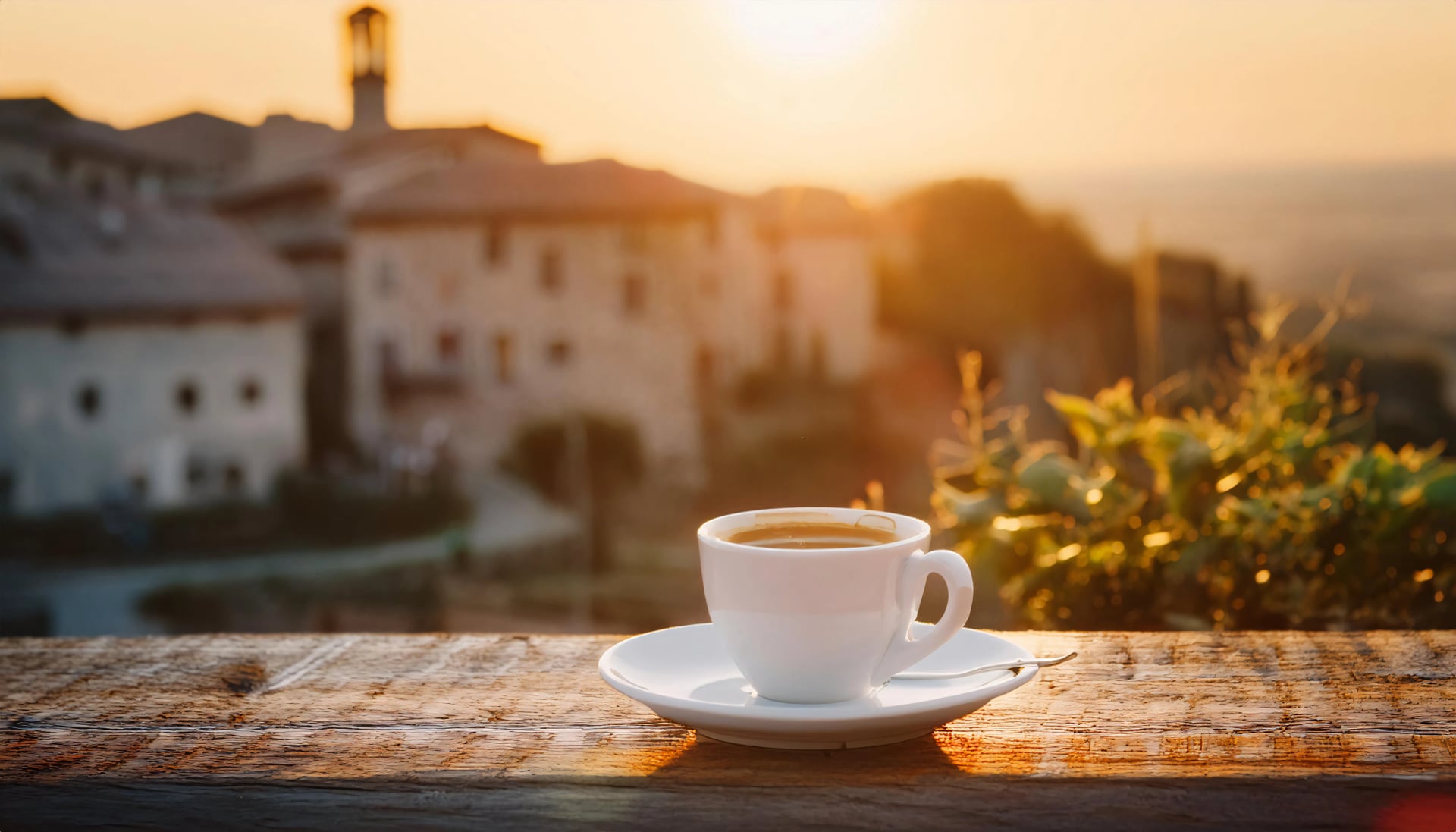
Breakfast tends to be informal. Some pilgrims eat at their accommodation, while others wait until the first café or bakery along the route opens. A quick espresso and something sweet or freshly baked often marks the true start of the day, offering a short pause before heading back onto the trail.
Walking (8:00 AM–2:00 PM)
Most of the distance is covered during late morning and early afternoon. Daily stages typically range between 18 and 25 kilometers, depending on elevation and route choice. The Francigena leads along a mix of gravel tracks, quiet rural roads, and historic pathways, encouraging steady progress rather than speed.
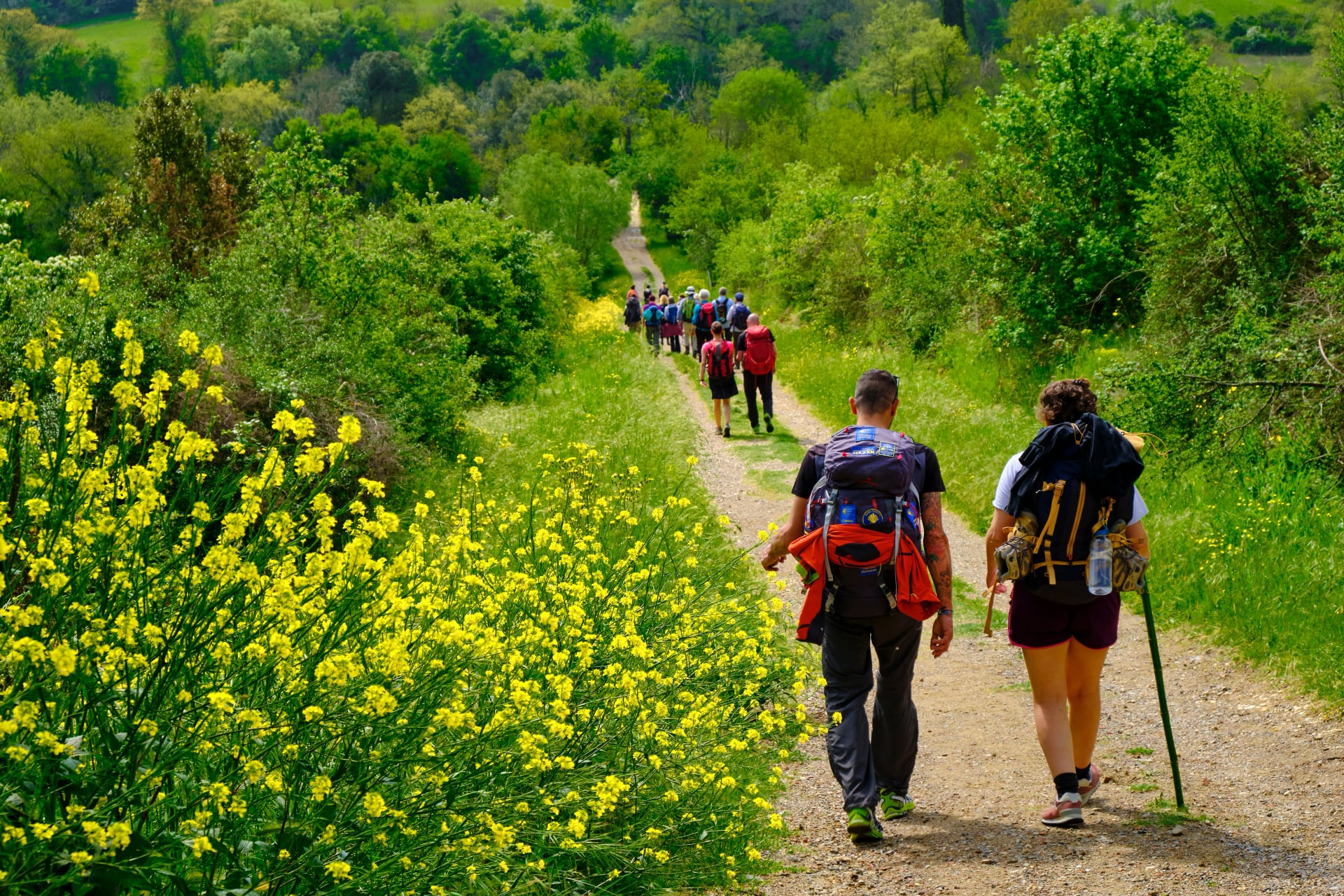
The hours on foot can feel surprisingly expansive. Some days bring easy conversation with fellow walkers moving at a similar pace; on others, long stretches pass without meeting anyone at all. This balance between connection and solitude is one of the route’s defining qualities.
Afternoon Arrival (1:30–4:00 PM)
By early or mid-afternoon, most walkers reach their destination for the night. After settling in, attention shifts to practical comforts: washing clothes, tending to sore feet, and finding a place to sit and rest. Towns and villages invite slow exploration, whether that means a short walk through the historic center or a quiet moment in the shade.
Because the route is less crowded, afternoons unfold at an easy pace, leaving time to slow down and enjoy where you are.
Evening (7:00–10:00 PM)
Evenings on the Via Francigena are relaxed and low-key. Dinner usually takes place in small local restaurants or at the accommodation itself, where meals highlight regional cuisine rather than standardized pilgrim menus. Shared tables are common, but gatherings tend to stay intimate and unstructured.
As night falls, places grow quiet. Most walkers turn in early, ready to repeat the simple pattern the following day—walking, resting, and moving gradually closer to Rome.
Historical Overview
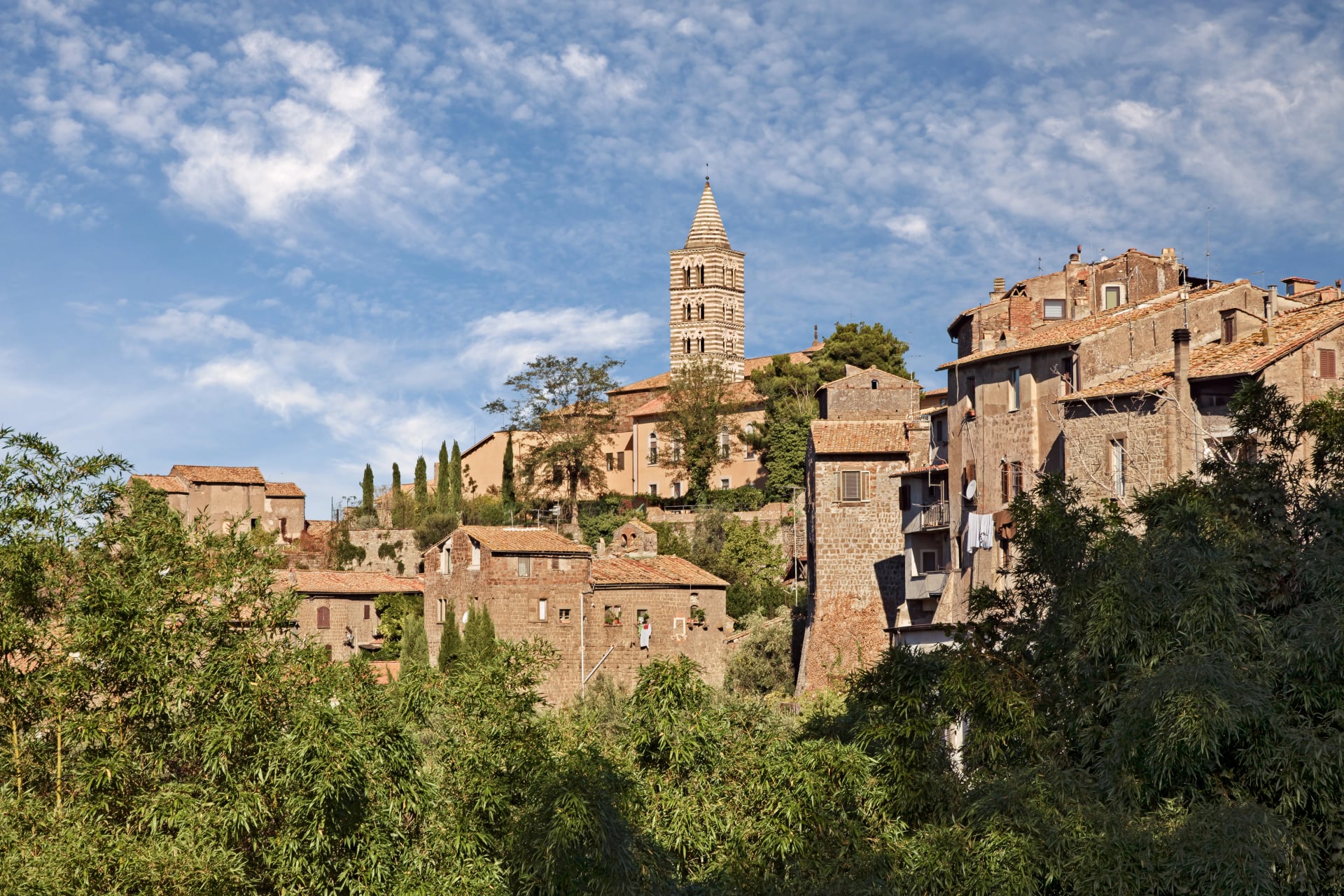
The Via Francigena emerged as one of Europe’s principal pilgrimage routes during the early Middle Ages, linking northern Europe with Rome. Its course followed existing Roman roads and trade corridors, gradually becoming a recognized path for pilgrims, clerics, and travelers moving toward the seat of the papacy.
The most detailed early record of the route dates to 990 AD, when Archbishop Sigeric of Canterbury documented his journey back from Rome. He listed 79 stopping points along the way, creating a practical framework that still shapes how the Francigena is understood and walked today.
Over the centuries, political change, shifting borders, and new transportation routes led to periods of decline, particularly after the Renaissance. The route faded from everyday use, surviving mainly in fragments of local memory and historic documents.
Interest in the Via Francigena was renewed in the late 20th century, driven by restoration projects, improved waymarking, and growing interest in slow travel and cultural walking routes. Since 1994, it has been recognized as a Cultural Route of the Council of Europe, continuing to evolve as a modern pilgrimage path that balances historical depth with contemporary walking infrastructure.
As history gives way to experience, the character of the route changes noticeably once you step onto the trail.
Terrain & Walking Difficulty
The Via Francigena crosses a wide range of landscapes, with terrain that shifts gradually as the route moves south toward Rome. Walkers encounter mountain paths, river valleys, open plains, and rolling countryside, creating a varied journey without requiring technical hiking skills.
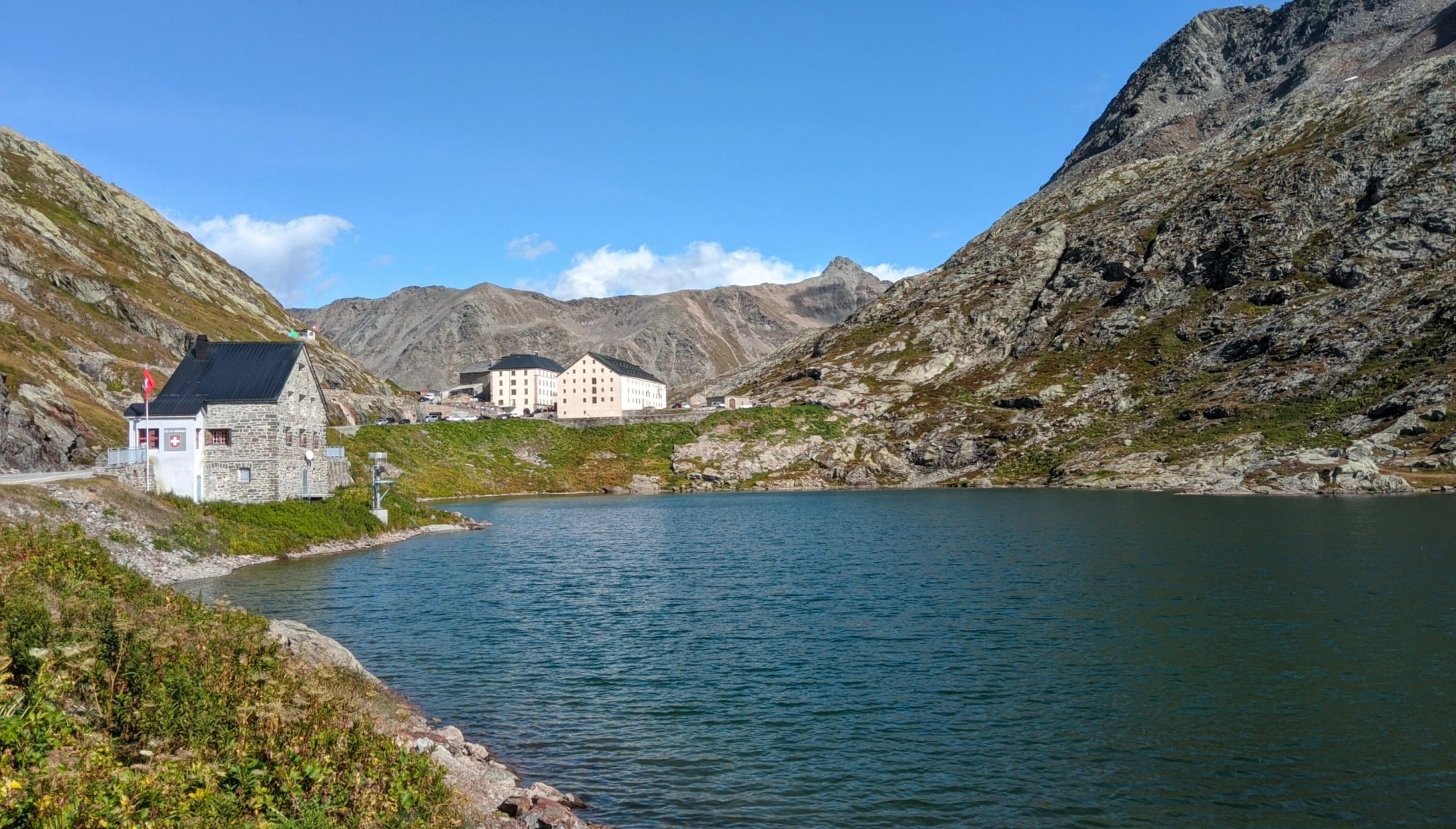
One of the route’s most demanding sections comes early, at the Great St Bernard Pass, where the trail reaches 2,473 meters above sea level. This Alpine crossing involves sustained climbs and descents and is sensitive to weather conditions, particularly at the start and end of the walking season. For many pilgrims, it represents the most physically challenging stage of the entire route.
After descending into Italy, the terrain becomes noticeably more forgiving. The path leads through the Aosta Valley and across the plains of northern Italy, where walking is physically easier but can feel long and exposed during warmer months. These flatter stages reward steady pacing and help walkers settle into a consistent daily rhythm.
Further south, variety returns. Tuscany introduces rolling hills, gravel roads, and frequent short climbs, while Lazio offers gentler countryside shaped by volcanic terrain and open farmland. Elevation changes here are moderate, but cumulative distance can still feel demanding over consecutive days.
Overall, the Via Francigena is considered moderate in difficulty and well suited to walkers with reasonable fitness and preparation. Daily distances typically range from 18 to 25 kilometers, with surfaces including dirt tracks, gravel paths, cobblestones, and quiet secondary roads. Clear waymarking across most stages helps keep navigation straightforward, even in rural areas.
Most Challenging Sections:
Great St Bernard Pass: High-altitude Alpine crossing (2,473 m)
Aosta Valley stages: Long ascents and descents following the Alps
Southern Tuscany hills: Repeated short climbs on gravel roads
Easiest Sections:
Po Valley (Vercelli area): Flat terrain with minimal elevation change
Northern Lazio: Gentle countryside approaching Rome
As landscapes change, so does what ends up on the plate, with local food becoming part of the walking experience rather than a separate concern.
Food Along the Francigena
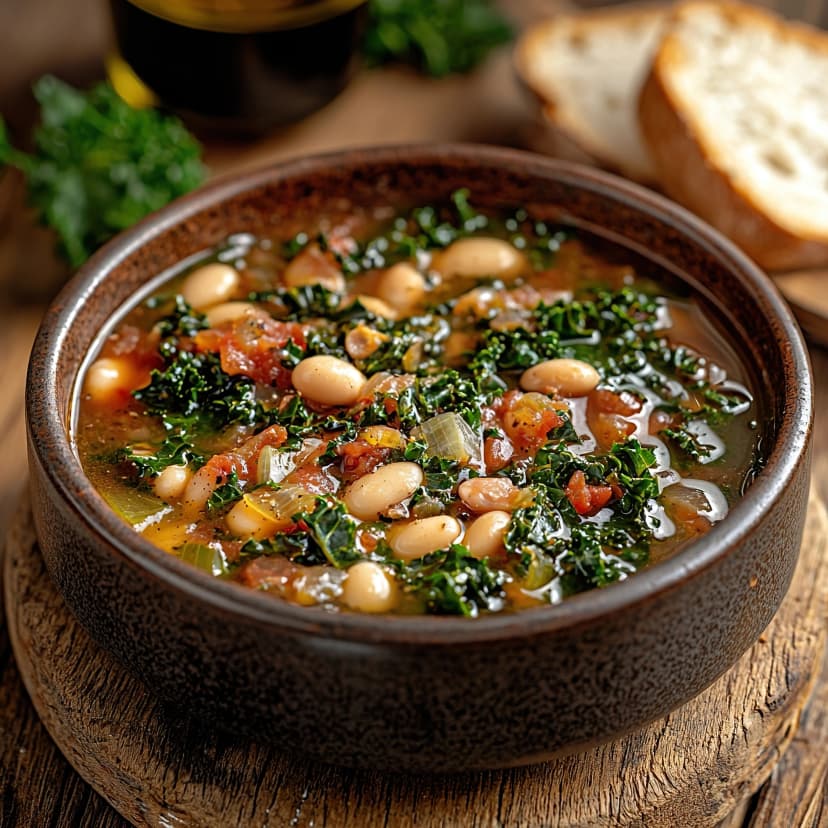
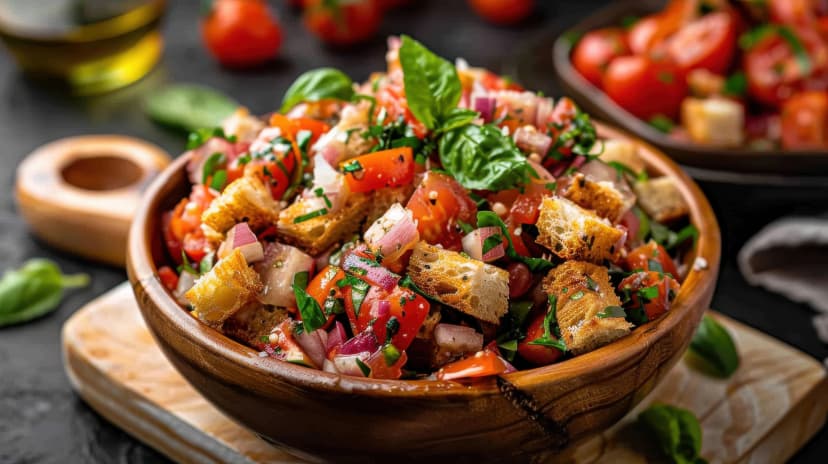
Food along the Via Francigena reflects the regions you walk through, changing steadily from alpine comfort dishes to the lighter, olive-oil-based cuisine of central Italy. Meals are practical, seasonal, and closely tied to local agriculture—designed to refuel walkers without excess.
When to Walk
The Via Francigena can be walked for much of the year, but seasonal conditions vary significantly depending on altitude and region. Weather, daylight hours, and accommodation availability all play an important role in choosing the right time for your journey.
Best Months (May, June & September):
These months offer the most balanced conditions along the Via Francigena. Daytime temperatures typically range between 15–25°C, landscapes are at their most vibrant, and services are fully operating. This period suits most walkers, especially those planning to cross the Alps or walk longer stages through Italy.Summer (July–August):
The warmest and busiest time of year, particularly in Tuscany and Lazio, where daytime temperatures often reach 30–35°C, and can occasionally climb higher during heatwaves. Early starts are essential to avoid midday heat, and shade can be limited on exposed stages. Mountain areas remain cooler and more comfortable.Spring (April–early May):
A quieter and visually appealing season, with fresh greenery and wildflowers along much of the route. Temperatures usually sit between 10–20°C, though conditions in the Alps can be variable. Snow may linger near the Great St Bernard Pass early in the season, and some accommodations operate on reduced schedules.Autumn (October):
Cooler temperatures and softer light make autumn attractive, especially in central Italy. Expect daytime temperatures around 12–20°C, with cooler mornings and evenings. Harvest season brings local produce, but shorter daylight hours and occasional rain should be factored into planning. Some rural lodgings begin closing late in the month.Winter (November–March):
Winter walking is feasible only on lower sections of the route. Temperatures often range from 0–10°C, depending on region and elevation. Alpine crossings are typically closed or unsafe due to snow, and many services shut down. This season is best suited to experienced walkers comfortable with cold weather and limited infrastructure.
With a sense of when to walk, the next step is deciding where—and how—to begin, taking into account access points, transport connections, and the section of the route that best fits your time and pace.
Getting There
The Via Francigena does not have a single fixed starting point, and many walkers choose where to begin based on time, fitness, and season. The most common starting point for the Italian section is the Great St Bernard Pass (on the Swiss–Italian border), while others begin further south in cities such as Aosta, Lucca, or Siena for shorter itineraries.
From Major Airports
Geneva Airport (Switzerland)
Approx. 170 km from Great St Bernard Pass. The most practical international gateway for the alpine start.
Train from Geneva Airport to Martigny (2–2.5 hours, ~CHF 30–40)
Regional train from Martigny to Orsières (1 hour)
Bus or taxi from Orsières to Great St Bernard Pass (seasonal; taxis ~CHF 60–80)
Note: Public transport to the pass operates mainly between June and September, depending on snow conditions.
Turin Airport (Italy)
Approx. 130 km from Aosta. A convenient option for starting slightly south of the Alps.
Train or bus from Turin Airport to Aosta (2–3 hours, ~€20–30)
Aosta is a popular alternative starting point if the alpine pass is closed
Florence Airport (Italy)
Ideal for central Italy starts:
Train from Florence to Lucca (1.5 hours, ~€10–15)
Lucca is a common starting point for walking through Tuscany toward Rome
From Major Cities
From Geneva:
Direct trains to Martigny run frequently throughout the day, making Geneva one of the easiest access points for the alpine route.
From Milan:
Regular trains connect Milan with Aosta (2 hours) or Lucca (3–4 hours), offering flexibility depending on where you plan to begin walking.
From Florence or Rome:
Both cities are well connected by regional trains to key Francigena towns such as Lucca, Siena, Viterbo, and San Miniato.
Alternative Starting Points
If the Great St Bernard Pass is inaccessible or not part of your plan, consider starting from:
Aosta – gateway to the Italian route, well connected by rail
Lucca – popular Tuscan starting point with strong transport links
Siena – ideal for a shorter, scenic walk through central Italy
Viterbo – commonly chosen for the final 100 km approach to Rome
Arriving at Your Starting Town
Pilgrim Credential: Available in major starting towns, cathedrals, and pilgrim offices along the route
Supplies & Gear: Most larger towns offer outdoor shops, pharmacies, and supermarkets
Cash Access: ATMs are available in cities and larger towns, but less frequent in rural stages. Make sure to always bring cash with you on the trails, as smaller towns may not accept cards.
Departing From The Finish Point
After completing the Via Francigena, Rome offers extensive onward connections, making it easy to return home or continue traveling within Italy and Europe.
Rome Fiumicino Airport (FCO)
Rome Fiumicino Airport (Leonardo da Vinci Airport) is Italy’s main international hub and the most convenient option for long-haul and European flights. It serves as the primary departure point for pilgrims finishing their journey in Rome.
Location: Approx. 32 km from central Rome
Getting There:
Leonardo Express train: Direct from Roma Termini
Departs every 15–30 minutes
Journey time: 32 minutes
Cost: approx. €14
Taxi: Fixed fare approx. €50 from within the Aurelian Walls
Flight Connections:
Direct flights across Europe and international destinations
Airlines include ITA Airways, Lufthansa, Air France, British Airways, Ryanair
Easy intercontinental connections without transfers
Rome Ciampino Airport (CIA)
Ciampino Airport mainly serves low-cost European carriers and is a practical alternative for short-haul flights.
Location: Approx. 15 km southeast of the city center
Getting There:
Shuttle buses from Roma Termini (40–50 minutes)
Taxi: Fixed fare approx. €31 from central Rome
Flight Connections:
Short-haul European routes
Primarily served by Ryanair and Wizz Air
Rome Train Stations
Roma Termini (main station, central Rome)
Major Routes:
Florence: 1.5–2 hours (high-speed trains)
Milan: 3–3.5 hours
Naples: 1–1.5 hours
Venice: 3.5–4 hours
Tickets and schedules are available via Trenitalia or Italo.
Long-Distance Buses
Rome’s bus terminals connect the city with destinations across Italy and Europe.
Operators include:
Continuing Your Journey
Many walkers choose to spend additional days in Rome exploring historic neighborhoods and Vatican sites, while others continue south into Lazio or onward through Italy by train.
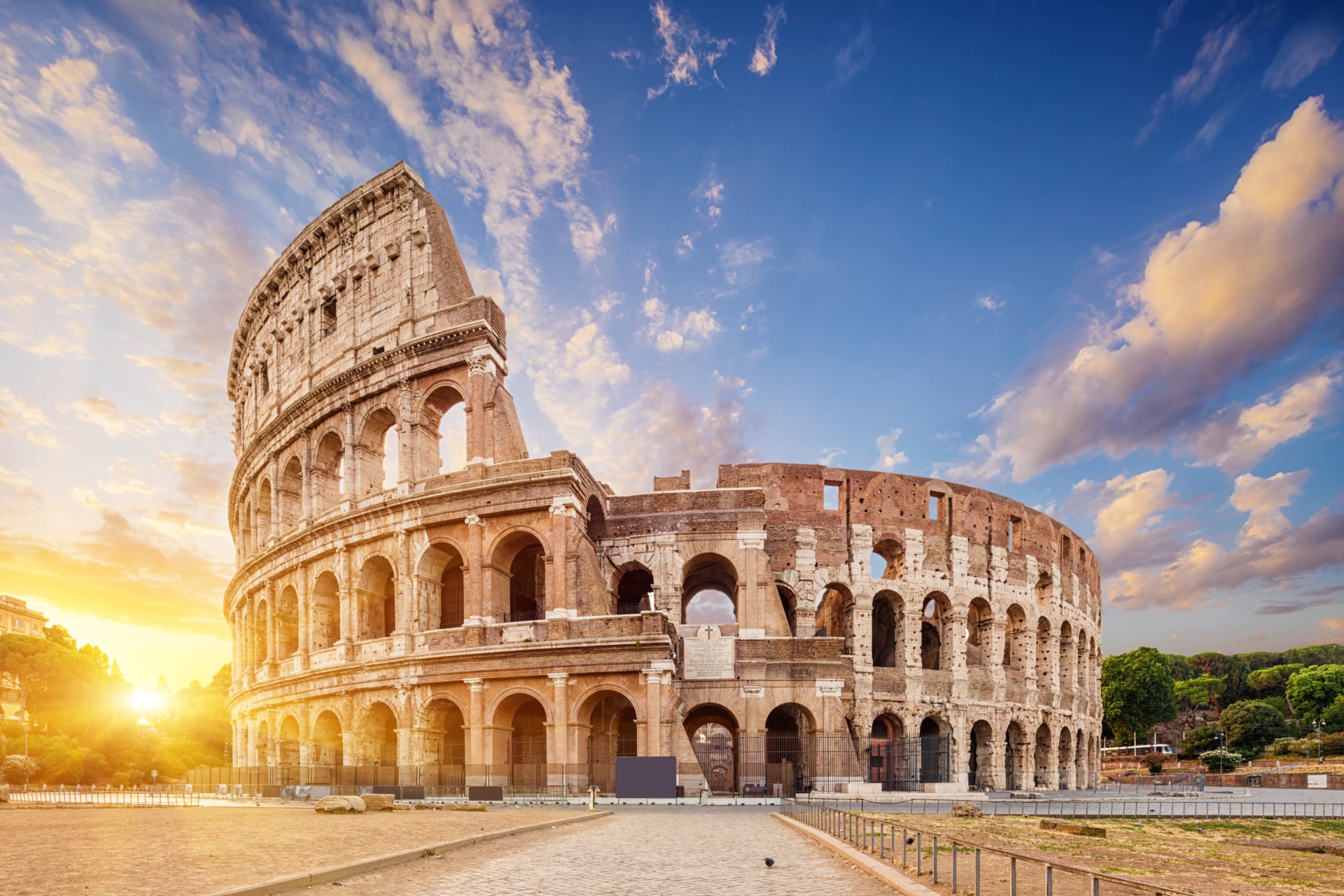
Accommodation Along the Route
Accommodation along the Via Francigena is varied and steadily improving, particularly in Italy. Options range from simple pilgrim lodgings to comfortable private rooms, allowing walkers to choose based on budget, comfort, and stage length.
1. Pilgrim Hostels & Parish Lodgings (approx. €15–25 / night)
These are simple accommodations created specifically for walkers on the route, often managed by parishes, municipalities, or pilgrim associations:
Shared dormitories (typically 4–12 beds, bunk or single beds)
Pilgrim credential required at check-in
Bathrooms shared; hot showers usually available
Kitchens or common rooms available in many locations
Check-in: commonly between 3:00–6:00 PM
Quiet hours: usually 10:00 PM – 6:00 AM
Departure: often requested by 8:00–9:00 AM
These lodgings are most common in smaller towns and rural stages and offer a traditional, no-frills pilgrim atmosphere.
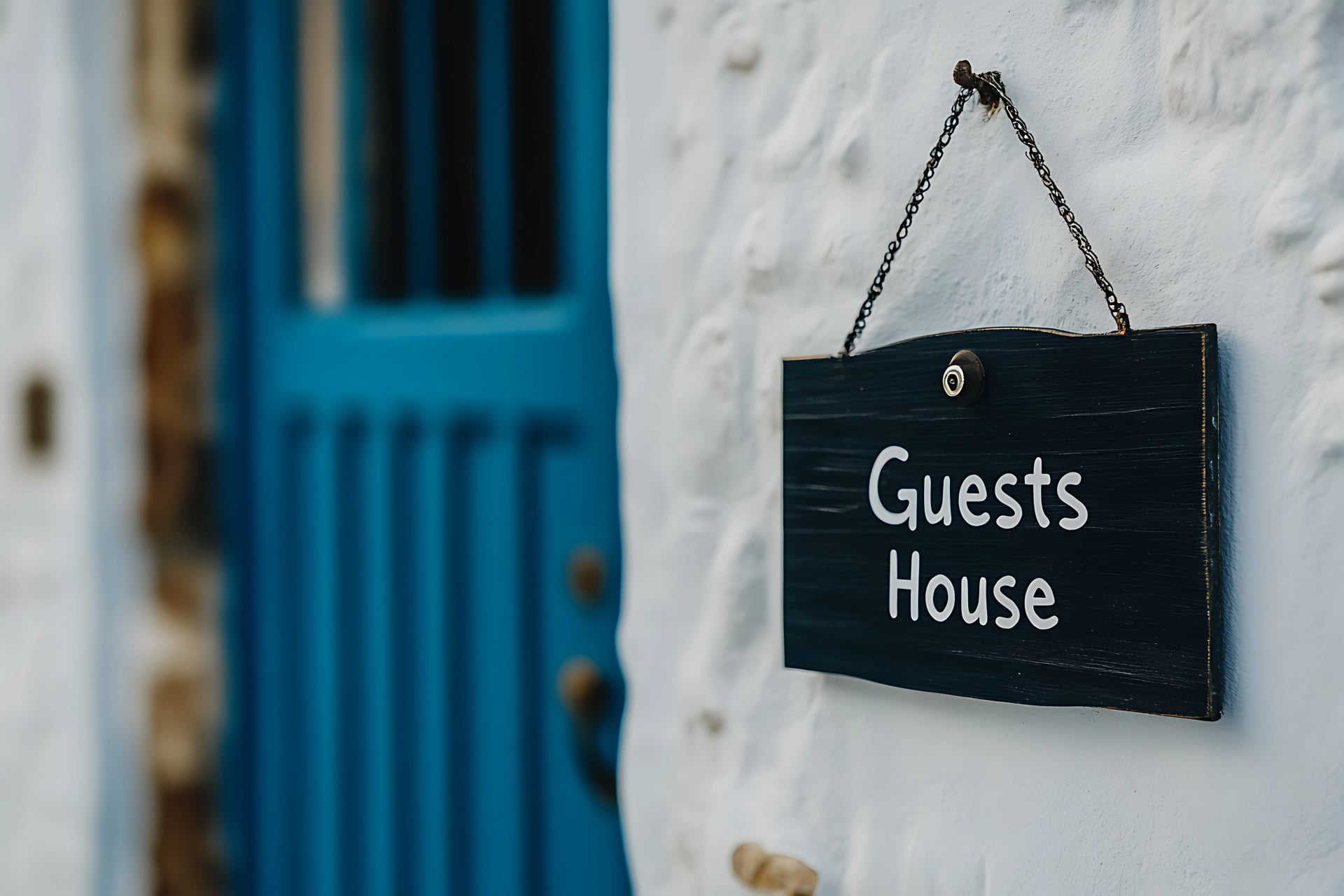
2. Guesthouses, B&Bs & Agriturismi (approx. €25–50 / night)
One of the most characteristic accommodation types on the Via Francigena, especially in Italy:
Private or semi-private rooms
More comfortable bedding and quieter environments
Often family-run, with hosts familiar with pilgrims’ needs
Breakfast typically included
Dinner frequently available in rural agriturismi (set times, usually 7:00–8:30 PM)
Laundry service sometimes offered for an additional fee
These stays provide a balance between comfort and local interaction and are widely used on Tuscan and Lazio stages.
3. Hotels & Small Inns (approx. €50–90+ / night)
Available mainly in larger towns and cities along the route:
Private rooms with en-suite bathrooms
Flexible check-in times
Daily housekeeping and luggage storage
Suitable for rest days or recovery nights
Prices increase during peak season and near major destinations such as Siena, Lucca, and Rome.
4. When to Book Ahead
May–June & September: booking ahead recommended, especially in Tuscany
July–August: advance booking strongly advised due to heat-driven demand and limited rural capacity
October: availability decreases toward the end of the month
November–March: many rural lodgings close or operate on request only
Pre-arranged itineraries remove uncertainty, particularly on quieter stages.
5. Accommodation Etiquette
Remove walking shoes at the entrance
Keep backpacks packed the night before early departures
Use headlamps quietly during early mornings
Respect shared bathrooms and drying spaces
Observe posted quiet hours strictly, especially in parish lodgings

Practical Tips
Prepare Your Footwear:
Walk at least 60–100 km in your boots or shoes before starting. The Via Francigena includes long gravel roads, cobblestones, and paved sections, which can cause hot spots if footwear isn’t fully broken in. To choose the right footwear for your walk, check out our Camino Footwear Guide.Build Distance Gradually:
Plan shorter stages of 15–20 km during your first few days, especially if starting near the Alps or in hilly regions. This allows your body to adapt before moving into longer, consecutive walking days.Carry Cash Daily:
Small villages, parish lodgings, and rural cafés often accept cash only. Carry €50–80 per day, particularly in remote stages where ATMs can be spaced far apart.Learn a Few Italian Basics:
English is less widely spoken in rural areas. Simple Italian phrases go a long way:
“Un letto, per favore” (A bed, please)
“Quanto costa?” (How much does it cost?)
“Dove si trova…?” (Where is…?)
“Grazie” (Thank you)
“Buon cammino!” (Good walk!)
Start Early in Warm Months:
From late June through August, temperatures in Tuscany and Lazio can exceed 30°C. Walking between 6:30 AM and early afternoon helps avoid peak heat and reduces fatigue.Plan for Water Stops:
Public drinking fountains are common in towns but less frequent on rural stages. Carry at least 1.5–2 liters of water and refill whenever possible, especially in summer.Respect Quiet Hours:
Most pilgrim accommodations observe quiet hours from 10:00 PM to 6:00 AM. Packing your bag the night before and using a headlamp discreetly helps maintain a peaceful atmosphere.Sundays & Holidays:
In small towns, shops and supermarkets may close on Sundays or during local holidays. Plan food purchases ahead, particularly for Monday morning departures.
Infrastructure
The Via Francigena is supported by a growing network of services that make long-distance walking manageable while preserving its quieter character.
Accommodation options are available throughout the route, particularly in Italy, ranging from pilgrim lodgings and guesthouses to agriturismi and small hotels, allowing flexibility across different stages and budgets.
The trail is marked with Via Francigena signs, painted symbols, and directional posts, with especially clear waymarking in Tuscany and Lazio. In more rural sections, GPS tracks or route notes can be helpful.
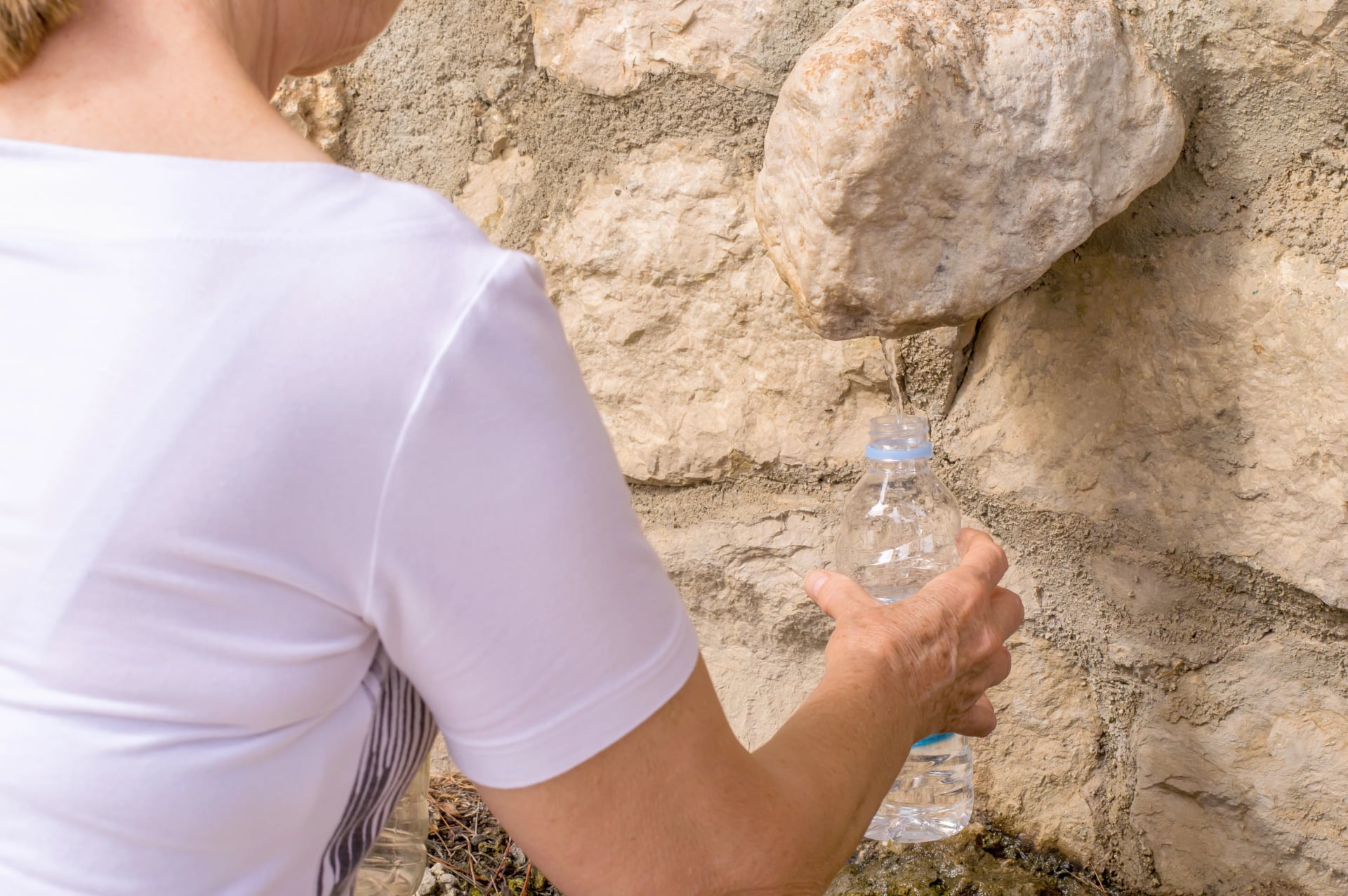
Pharmacies and basic medical services are accessible in towns along the way, and public drinking fountains are common in villages, making it easy to refill water supplies. Wi-Fi is widely available in accommodations and cafés.
Train and bus connections link many towns on the route, offering flexibility for adjusting stages or planning onward travel.
Our Via Francigena Highlights Tour
Not everyone has the time to commit to a multi-week walk to Rome. For those who want to experience the essence of the Via Francigena without taking on the full distance, our Via Francigena Highlights Tour focuses on some of the route’s most rewarding Italian stages. You can check the map of the shortened route below.
This shorter itinerary combines classic pilgrimage walking with Italy’s most recognizable landscapes, historic towns, and regional food culture. You’ll walk well-chosen sections of the Francigena trail while staying in comfortable accommodation and enjoying a slower, more immersive way of traveling through Italy.
If you’re drawn to the idea of an Italy pilgrimage walk that balances cultural depth, manageable distances, and time to enjoy each place, this tour offers a practical and rewarding way to experience the Via Francigena.
Why Book With Us?
Walking the Via Francigena can be deeply rewarding, but planning logistics across multiple regions and accommodation types can be complex. Traveling with a specialist hiking agency allows you to focus on the journey itself while we take care of the details.
We provide comprehensive support, including:
Pre-arranged accommodations along each stage
Carefully planned itineraries based on your pace and available time
Detailed route notes and GPS tracks
24/7 support before and during your walk
If you’d like to read more about Camino routes and long-distance pilgrimage walking in general, you can explore our general guide for additional background, planning advice, and personal perspectives.
If you’re considering walking the Via Francigena and would like support along the way, we’re happy to help. We offer itinerary planning and guidance tailored to your timing, walking pace, and preferred sections of the route—just send us an inquiry and we’ll take it from there.
Ready to Walk the Via Francigena?
The Via Francigena offers a rewarding blend of long-distance walking, cultural depth, and gradual immersion into the landscapes of Italy on the road to Rome. Whether you choose a full multi-week journey or a shorter section through Tuscany or Lazio, the route invites a slower, more connected way of traveling.
If you’d like to talk through your plans, you’re welcome to book a consultation with us. Although we don’t offer a standard Via Francigena tour, tailored itinerary support can be discussed on request.


HASSLE-FREE
We handle itineraries, accommodations, and anything else you prefer not to deal with, so you can enjoy a carefree hike.
.svg)
TRIED & TESTED ADVENTURES
Only the best of Camino de Santiago, cherry-picked by our local team with an in-depth knowledge of the region.

SELF-GUIDED TRAVEL
Explore independently and with confidence while we keep everything running from behind the scenes.
.svg)
TRUSTED BY MANY
Since 2014, we have taken care of thousands of happy customers, making it our mission to put your satisfaction first.




![The real Italian Cheese - On the family lunch table with rosemary and a bottle of red wine - [Il vero formaggio Italiano]](/_next/image?url=https%3A%2F%2Fcdn.world-discovery.com%2F60288%2Fthe-real-italian-cheese-on-the-family-lunch-table-with-rosemary-and-a-bottle-of-red-wine-il-vero-formaggio-italiano.webp&w=828&q=75)