Camino Frances: The Ultimate Guide
Walk the classic Camino Francés with confidence—route breakdown, daily stages, must-see stops and practical guidance for reaching Santiago de Compostela.
Quick links
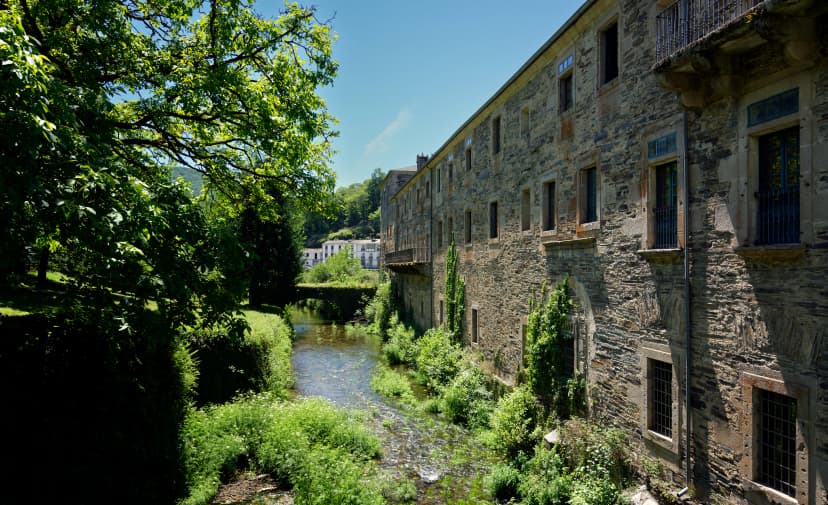
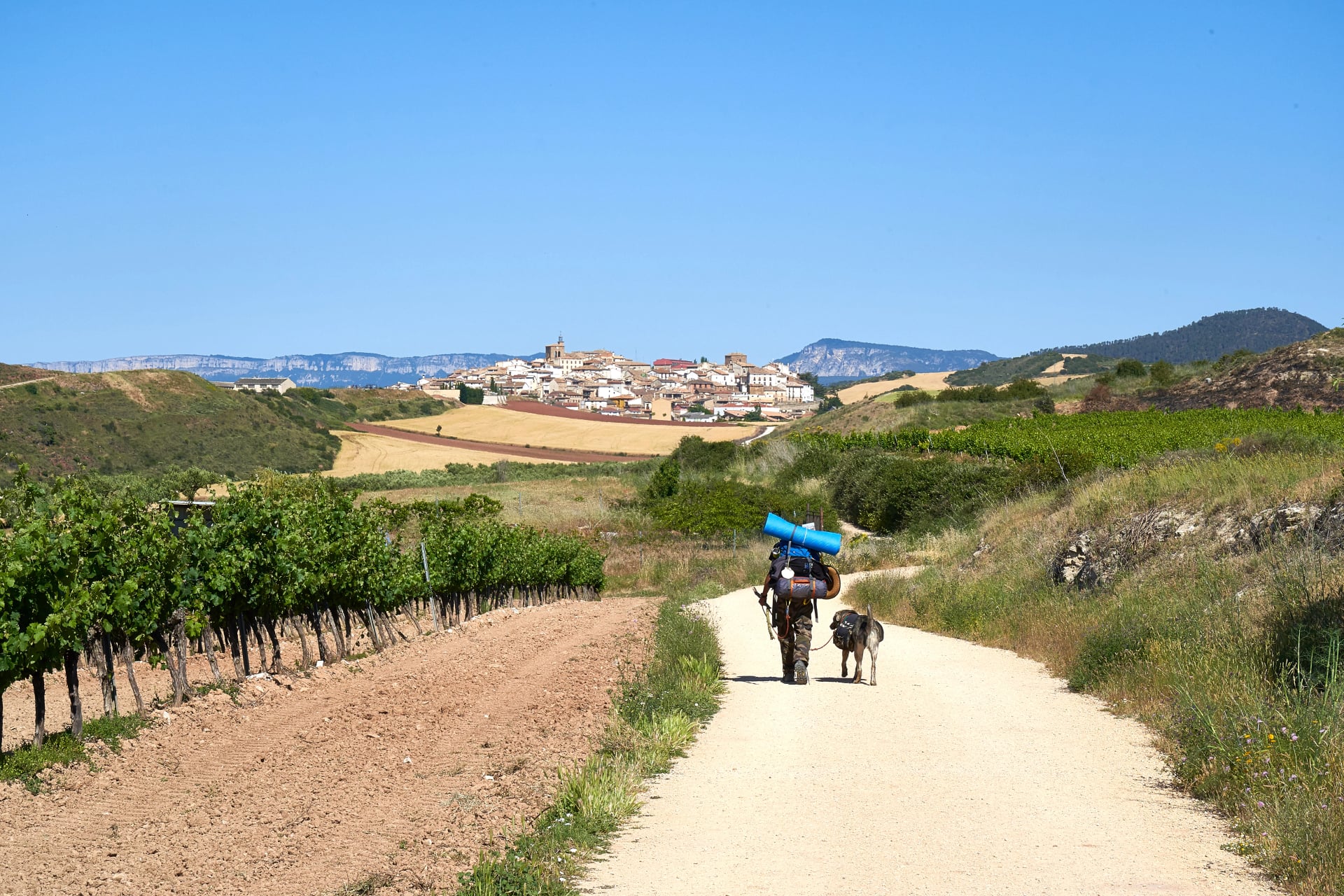
The Camino Frances, or the French Way, stands as the most traversed and celebrated route of the Camino de Santiago pilgrimage. Spanning across the diverse landscapes of northern Spain, this historic path offers a blend of rich cultural heritage, architectural marvels, and natural beauty.
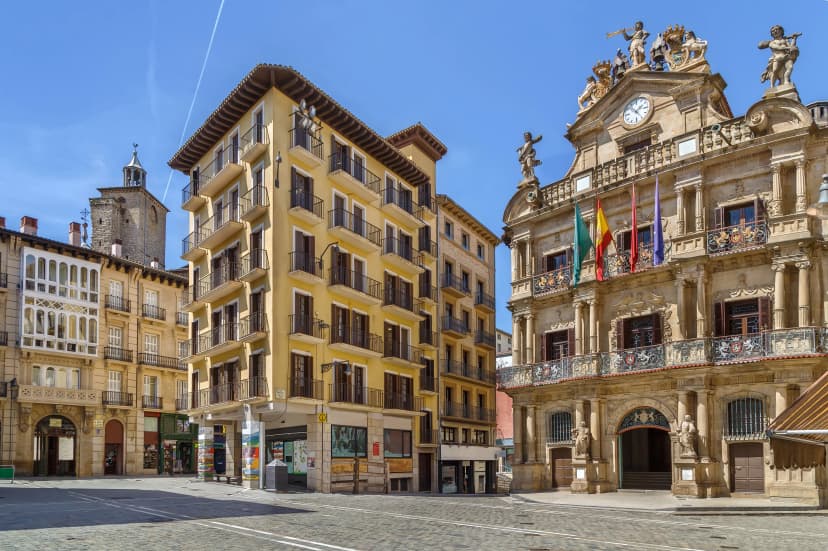
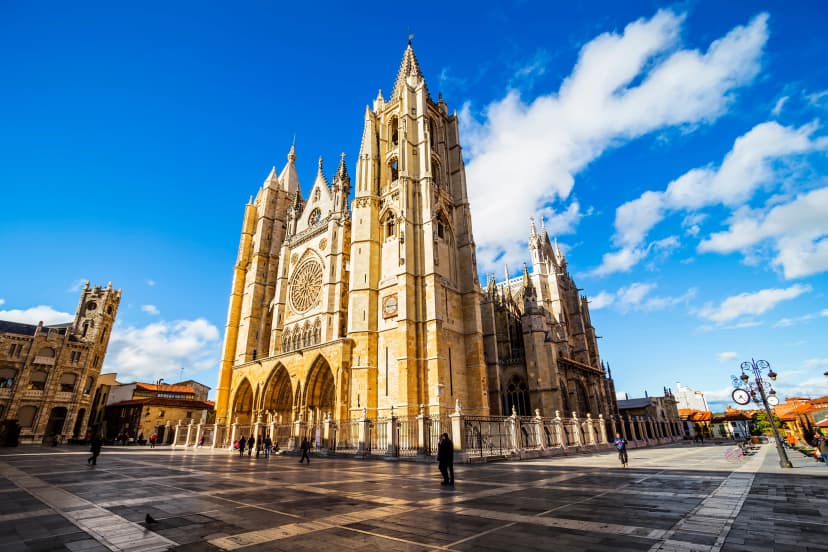
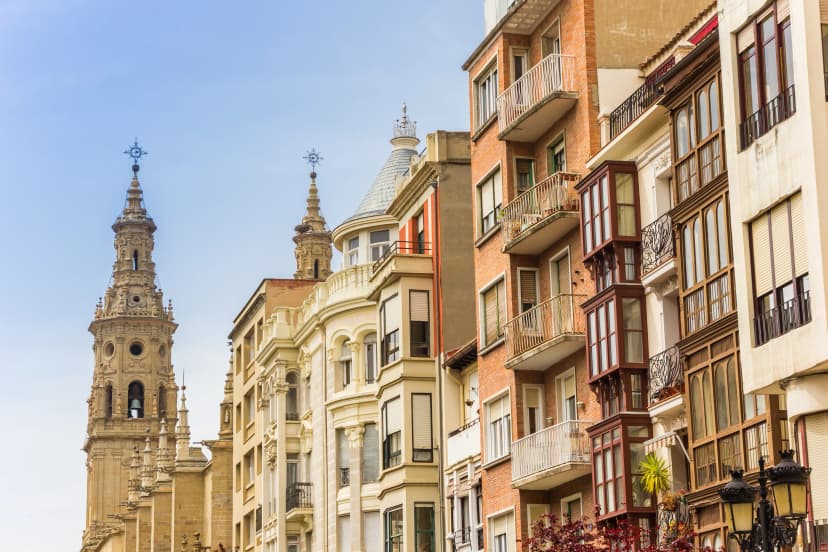
Originating from Saint-Jean-Pied-de-Port in France, it winds through renowned cities like Pamplona, Logroño, and León, culminating in the sacred city of Santiago de Compostela.
Camino Frances in Numbers
Length: Approximately 790 km (490 miles)
Starting point: Saint-Jean-Pied-de-Port, France
Finishing point: Santiago de Compostela, Spain
Duration: 30-35 days
Technical difficulty: 3/5 | Fitness level: 3/5
Ideal for: Those seeking a traditional pilgrimage experience on the most popular route
Camino Frances Route Map
Popular Starting Points
Not everyone walks from St Jean-Pied-de-Port. Many pilgrims choose alternative starting points based on available time and fitness level:
Starting Point | Distance to Santiago | Typical Duration |
Saint-Jean-Pied-de-Port (Original route) | 790 km | 30-35 days |
Roncesvalles | 746 km | 28-32 days |
Pamplona | 702 km | 26-30 days |
Logroño | 606 km | 23-26 days |
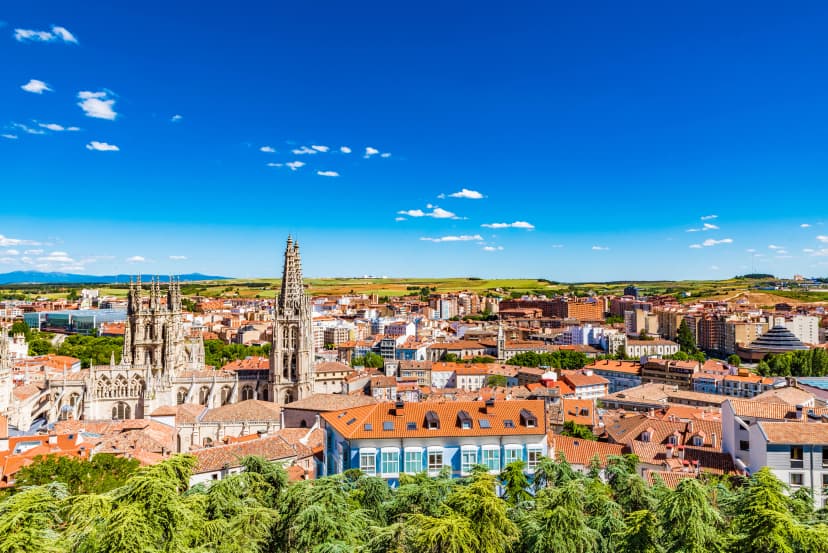
Burgos | 483 km | 18-21 days |
León | 319 km | 12-15 days |
Sarria | 116 km | 5-6 days |
Why Walk the Camino Frances?
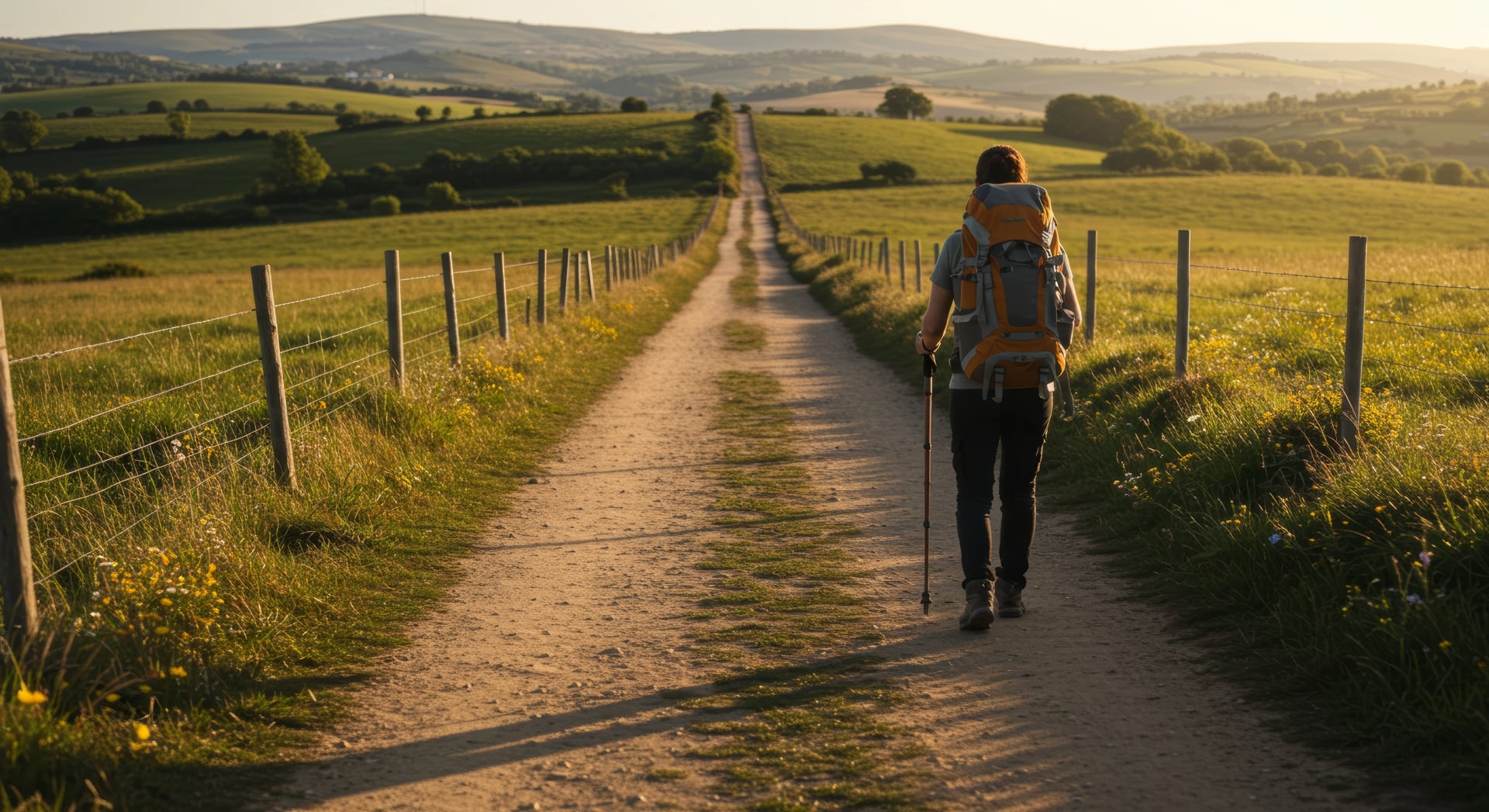
The Camino Frances is more than just a long-distance walk—it's a cultural journey across northern Spain through four distinct regions, each with its own traditions, languages, and cuisines.
This route offers the most developed infrastructure of any Camino path. With over 60% of all pilgrims walking the Frances, you'll find excellent accommodation options, well-marked trails, and plentiful services along every stage. For first-time Camino walkers, this infrastructure provides security and confidence.
The social element defines the Camino Frances experience. You'll meet pilgrims from dozens of countries, form "Camino families" with fellow walkers, and share experiences over communal dinners at mountain refuges. The camaraderie and sense of shared purpose creates bonds that often last far beyond the pilgrimage itself.
From the Basque Pyrenees to the vineyards of La Rioja, from the vast plains of the Meseta to the green hills of Galicia, every step brings new landscapes and encounters. This is Spain's heartland—authentic, unchanged by tourism, welcoming to pilgrims as it has been for over a thousand years.
Key Destinations Along the Way
A Day on the Camino Frances
Understanding the daily rhythm helps you prepare mentally for the multi-week journey ahead. While specific terrain and challenges vary, the basic structure remains consistent.
Morning (6:00-9:00 AM)
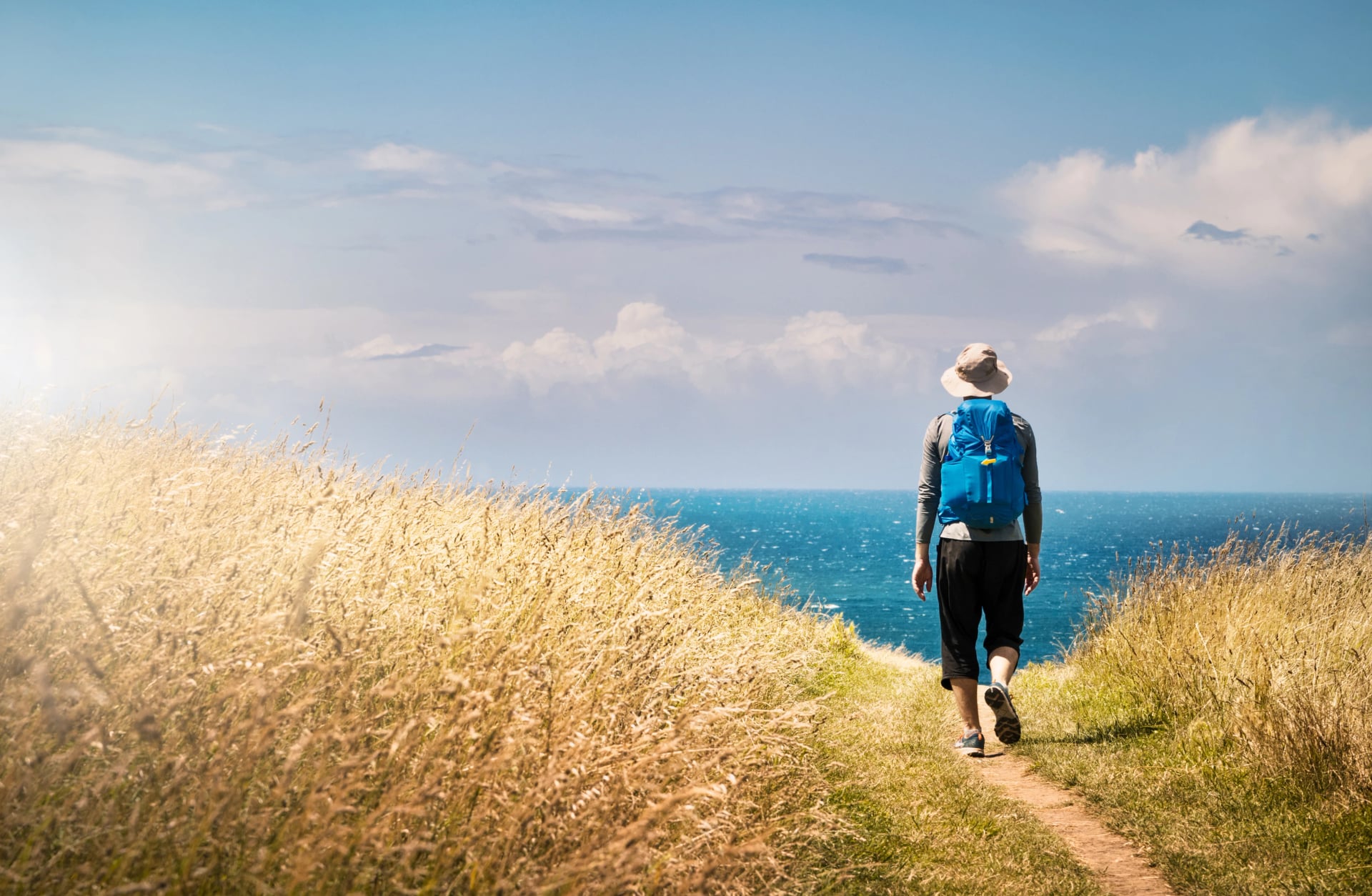
Most pilgrims wake between 6-7 AM, though municipal albergues often see movement as early as 5:30 AM from those wanting extremely early starts. The morning routine involves quick ablutions, packing your backpack (ideally done the previous evening), and quiet departure to avoid disturbing dormitory mates.
Many pilgrims skip albergue breakfast, preferring to walk 5-8km before stopping at a village bar for café con leche (coffee with milk) and a croissant or tostada (toast with tomato and olive oil). This first coffee stop becomes a treasured ritual, warming cold muscles and providing social time as familiar faces gather.
Walking (7:00 AM-2:00 PM)
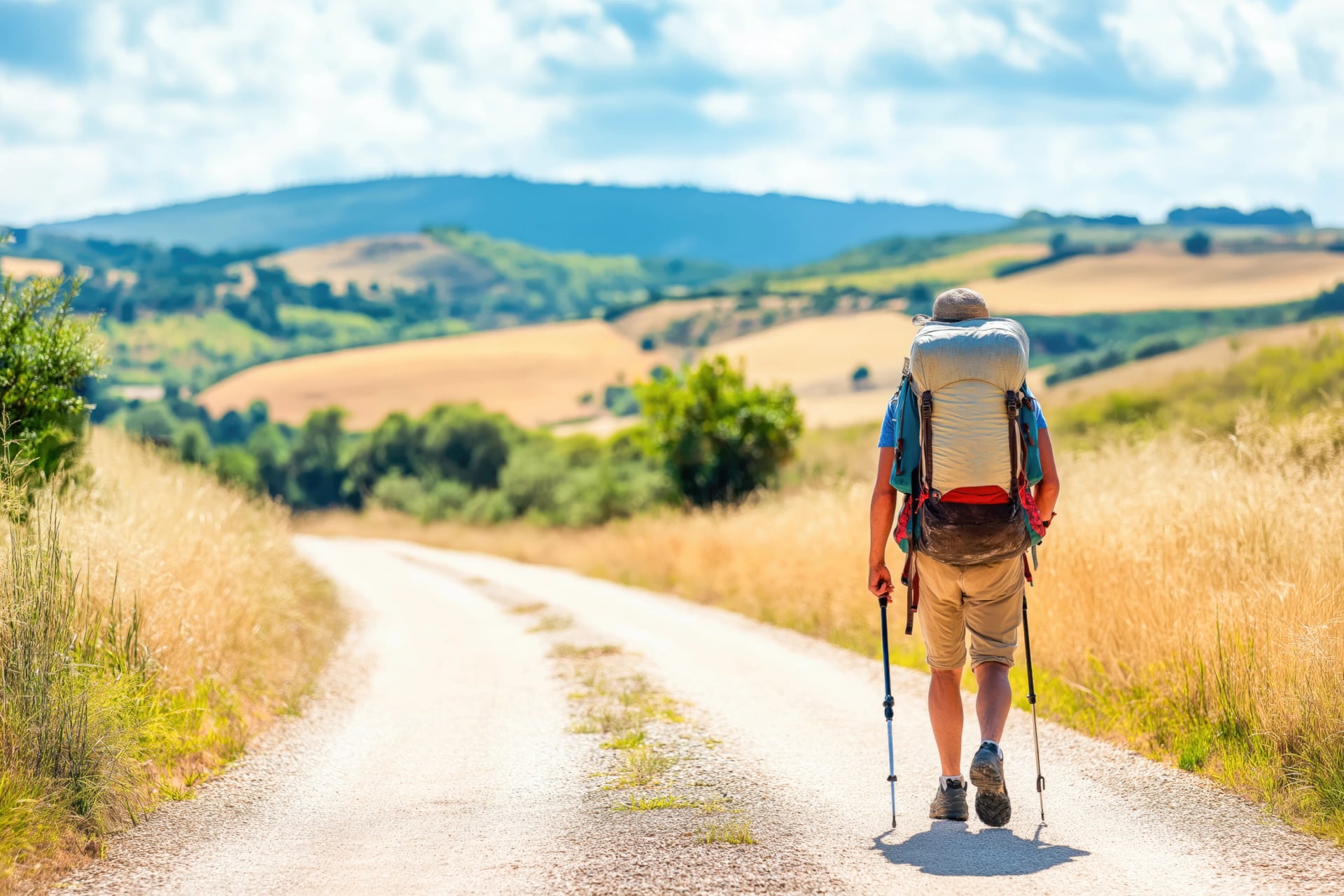
The core walking typically occurs during morning hours, with most pilgrims covering 20-25km per day at a comfortable 4-5 km/hour pace including breaks. Experienced pilgrims walk in two-hour blocks, stopping briefly every 8-10km to rest, snack, remove layers as the day warms, or refill water bottles.
The rhythm of walking for hours daily creates meditative space. Conversations develop naturally as walking speeds align, creating temporary companionships that may last hours or weeks. Equally common are long stretches of solitude, walking alone with thoughts, taking in landscapes, and experiencing the simple act of forward movement.
Afternoon Arrival (1:00-3:00 PM)
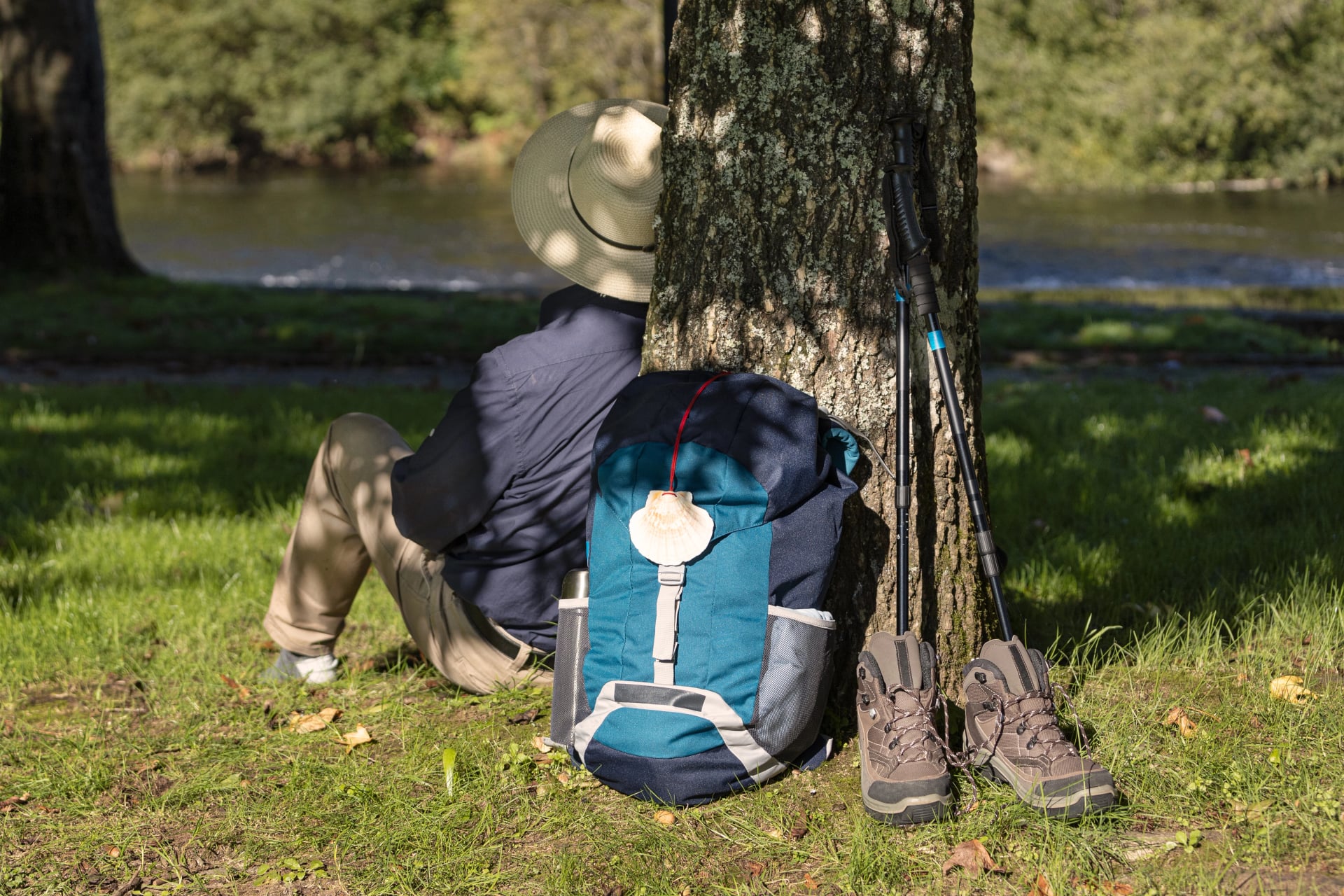
Most pilgrims arrive at their destination between 1-3 PM, securing beds at albergues (earlier in popular stages during summer), showering, and doing hand laundry of walking clothes. Afternoon becomes social time—exploring the town, visiting churches, resting weary feet, and gathering with fellow pilgrims.
Evening (7:00-10:00 PM)
Pilgrim dinners start around 7-8 PM, with most pilgrims opting for the Menú del Peregrino. These communal meals, often at long shared tables, create the Camino's most social moments. Conversations flow across language barriers, stories are exchanged, and the day's challenges become shared experiences.
Quiet hours begin at 10 PM in all albergues. Lights go out, conversations cease, and pilgrims sleep knowing tomorrow brings another day of walking.
Historical Overview
The Camino Frances boasts a rich history dating back to the late 11th century. Its inception is credited to monarchs such as Sancho III the Greater and Sancho Ramirez de Navarra y Aragón, who played crucial roles in its establishment and promotion.
Documented meticulously in the Codex Calixtinus around 1135, the Camino Frances was outlined as a detailed guide for medieval pilgrims. Attributed to the French cleric Aymeric Picaud, the guide highlighted the political and religious significance of the route while providing practical information for pilgrims journeying to Santiago de Compostela.
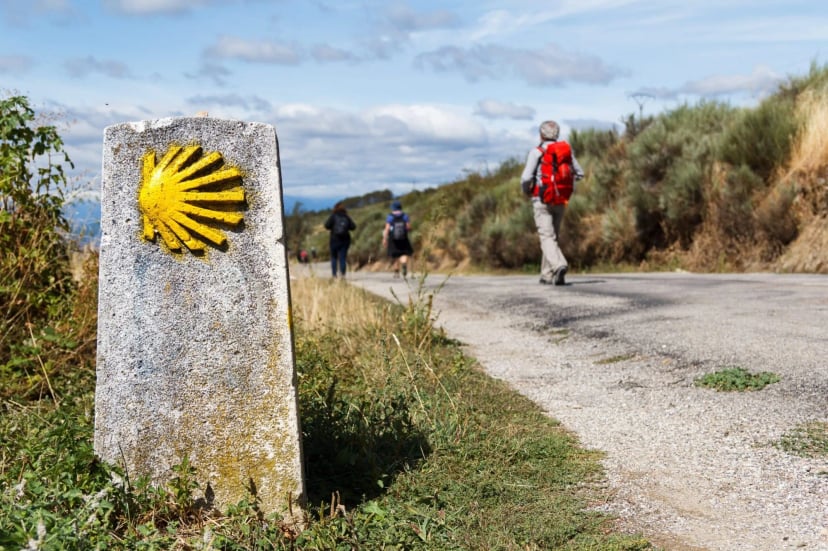
Over the centuries, the route faced periods of decline due to political and religious upheavals across Europe. However, renewed interest emerged in the late 19th century, leading to a resurgence in the 20th century. The efforts of figures like Elias Valiña, parish priest of O Cebreiro, were pivotal in rediscovering, restoring, and revitalizing this ancient trail. Valiña created the yellow arrow waymarking system in the 1970s using leftover road paint, revolutionizing Camino navigation.
Today, the Camino Frances is recognized not only as a crucial part of Christian heritage but also as a UNESCO World Heritage Site and the first European Cultural Route, designated by the Council of Europe in 1987.
Terrain & Difficulty
The Camino Frances takes pilgrims through diverse terrains, each offering its own level of challenge. The journey begins with the demanding ascents and descents of the Pyrenees Mountains at Saint-Jean-Pied-de-Port, testing endurance right from the start with a 1,200m elevation gain on Day 1.
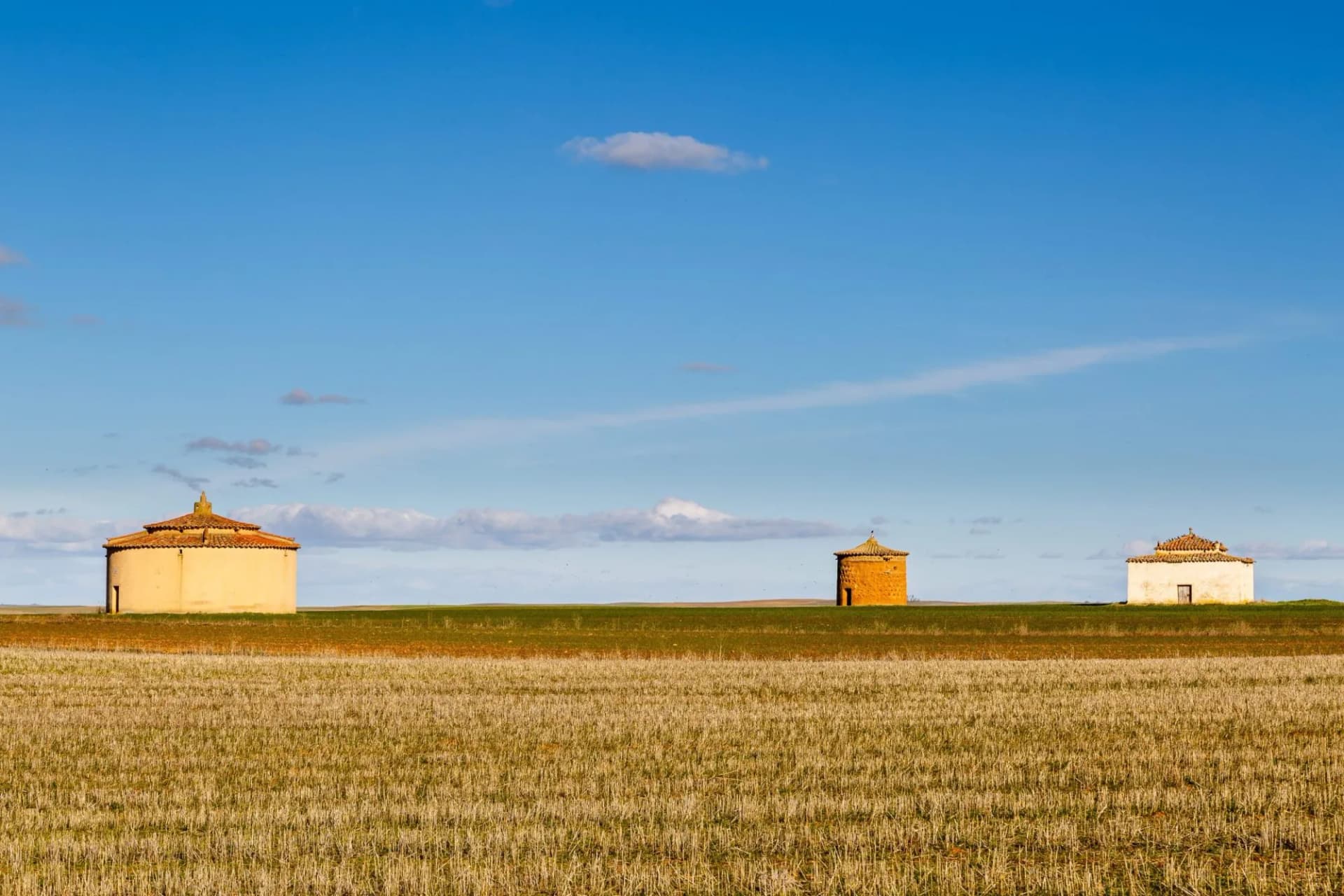
As the path progresses, it softens into the rolling hills and vineyards of La Rioja and then opens into the vast, flat landscapes of the Meseta. Many pilgrims find the Meseta mentally challenging despite its physical ease—days of walking through wheat fields with limited shade and distant horizons test psychological endurance more than fitness.
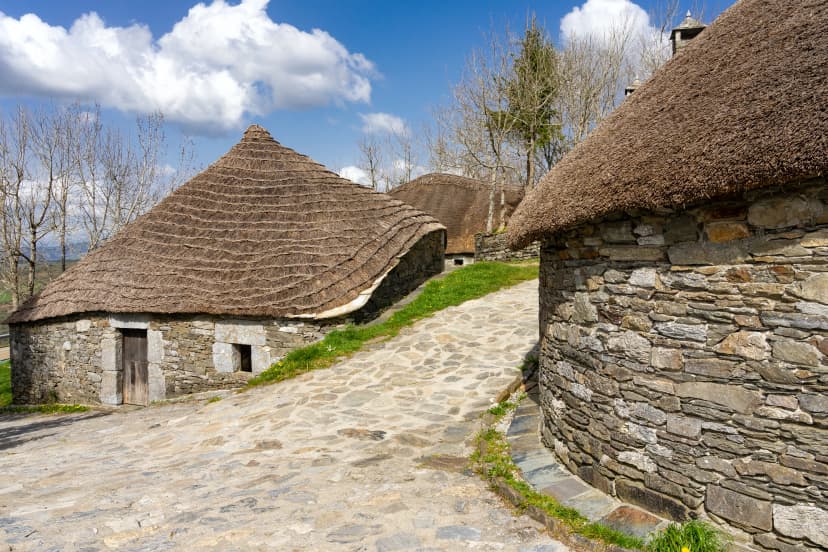
Approaching Galicia, the terrain becomes more varied again, with undulating rural paths and forested areas. The ascent to O Cebreiro (600m elevation gain in one stage) presents the route's final major physical challenge.
Although the Camino Frances is considered medium difficulty overall, the initial Pyrenees stage is notably challenging due to steep climbs. However, after this initial test, the route becomes more forgiving and suitable for beginners and those with moderate fitness levels.
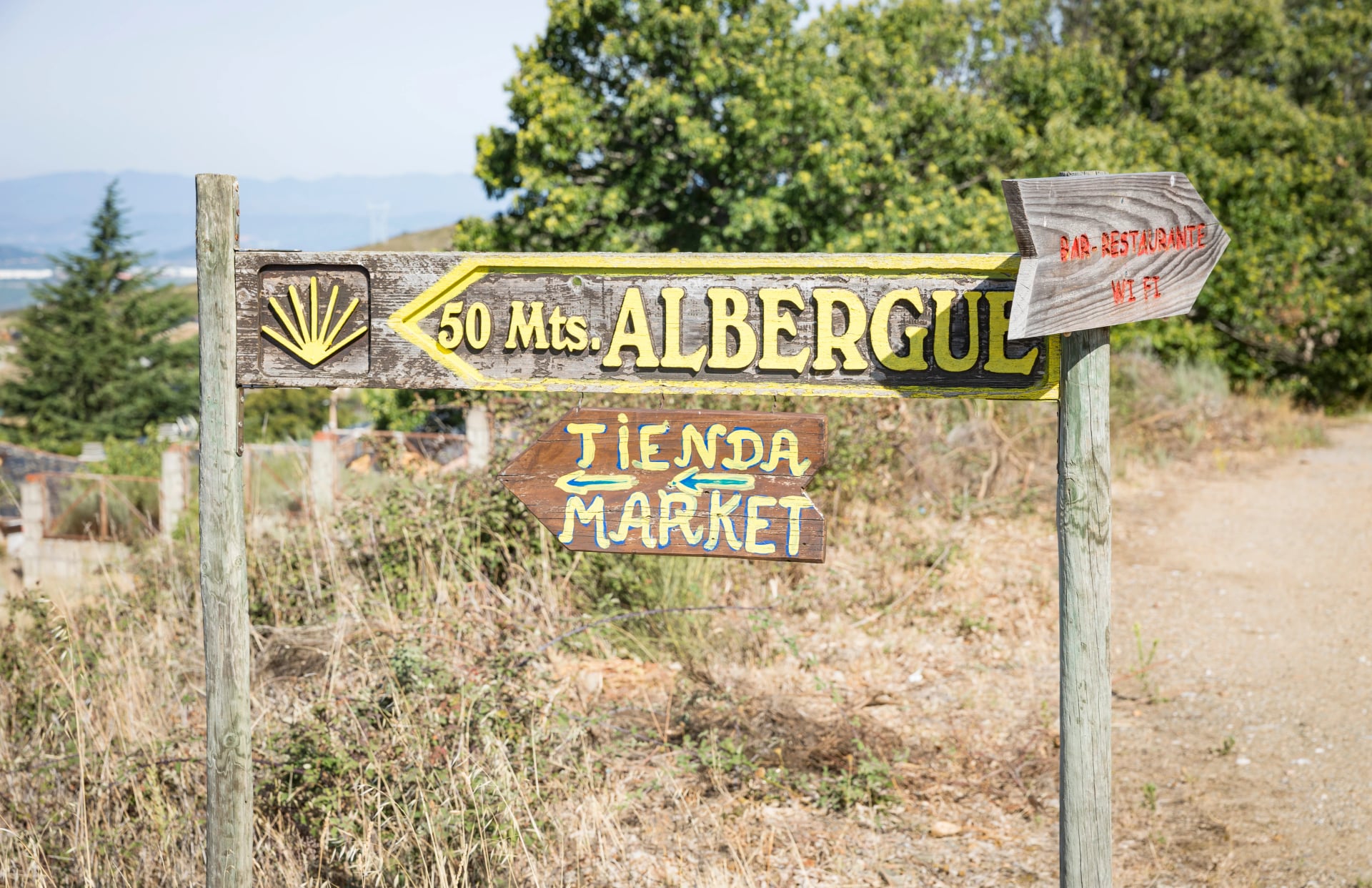
Pilgrims typically walk an average of 20-30 kilometers per day, traversing a mix of dirt tracks, gravel paths, and country roads. The route is exceptionally well-marked with yellow arrows and scallop shell symbols, easing navigation through diverse landscapes.
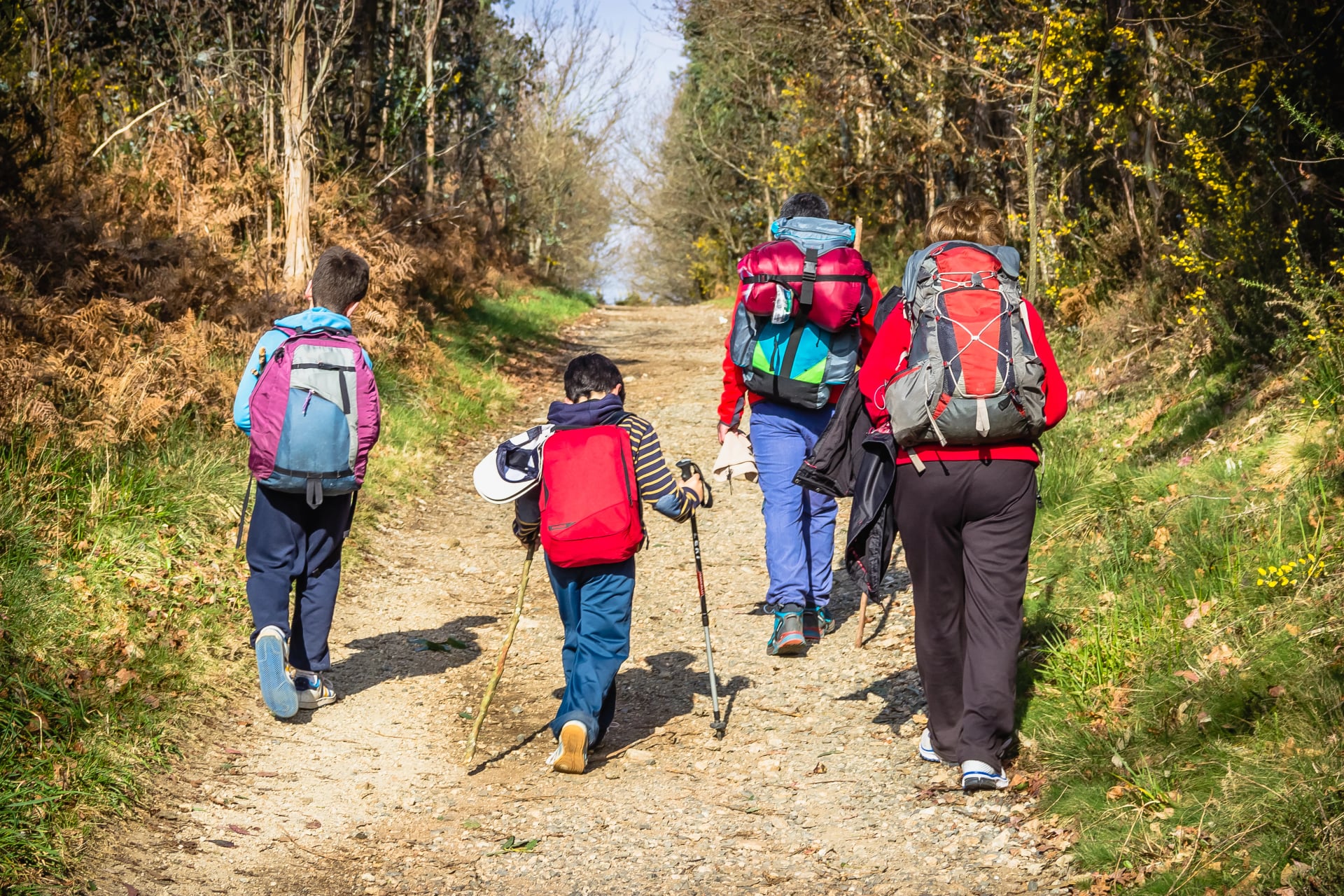
Most Challenging Sections:
St Jean to Roncesvalles: Pyrenees crossing, 1,200m elevation gain
Rabanal to Ponferrada: Cruz de Ferro ascent and mountain crossing
Villafranca to O Cebreiro: 600m steep climb into Galicia
Easiest Sections:
Meseta (Burgos to León): Flat terrain, minimal elevation change
Final 100km (Sarria to Santiago): Gentle rolling hills
Food on the Way
The Camino Frances passes through four distinct culinary regions, each offering unique specialties that reflect local traditions and ingredients. From Basque pintxos to Galician seafood, the food becomes an integral part of your pilgrimage experience.
When to Go?
The Camino Frances is walkable year-round, though seasonal conditions vary dramatically. Understanding these patterns helps align your journey with personal preferences for weather, crowds, and atmosphere.
Best Months: Late May through June and September offer optimal conditions—comfortable temperatures (15-25°C), stable weather, and manageable crowds. These shoulder-season months provide the best balance of conditions for most pilgrims.
Summer (July-August): The busiest and hottest period. The Meseta can reach 40°C+, making early morning starts essential. Accommodation must be booked weeks in advance, especially for the popular Sarria to Santiago section. However, summer offers guaranteed social atmosphere and fully operational services.
Spring (April-May): Unpredictable weather with possible rain, but fewer crowds and beautiful wildflower displays. Prices are lower than summer peak season.
Autumn (October): Cooler temperatures and autumn colors, especially in Galicia, but some albergues begin closing after mid-October.
Winter (November-March): Cold and wet with many albergues closed. The Pyrenees crossing via Route Napoleon is closed (alternative Valcarlos route available). Only for experienced hikers comfortable with challenging conditions and limited services.
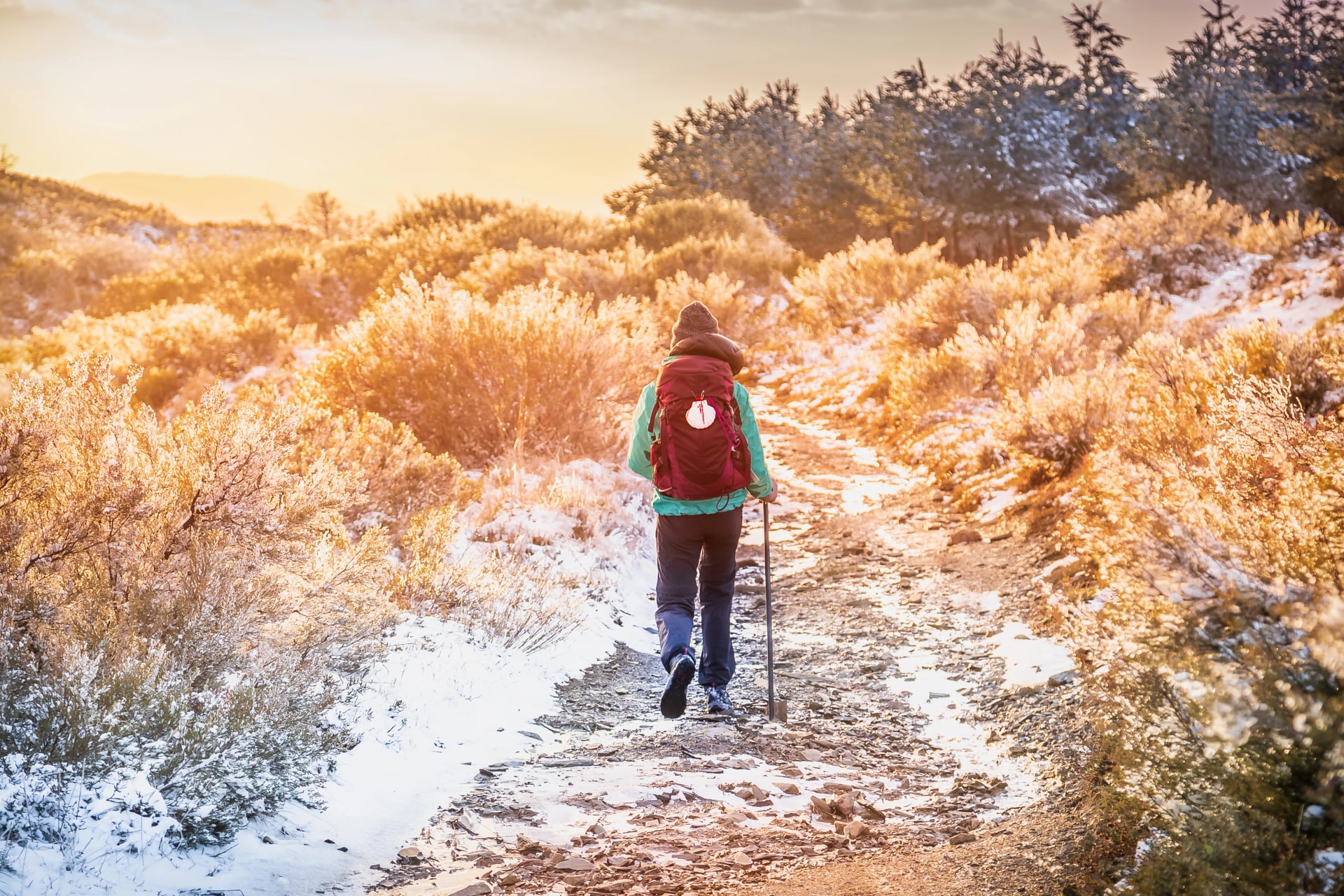
For comprehensive monthly breakdowns and packing recommendations, visit our ultimate Camino de Santiago guide.
Getting to The Start
Saint-Jean-Pied-de-Port, the traditional starting point, is a picturesque town in the French Pyrenees near the Spanish border. Getting there requires some planning but offers multiple route options.
From Major Airports
Biarritz Airport (France) - 50km away
Most convenient option for reaching St Jean
Take ATCRB shuttle bus from airport to Bayonne train station (30 minutes, ~€1-2)
From Bayonne, take local SNCF train to St Jean-Pied-de-Port (1.5 hours, ~€10-12)
Total journey time: ~2.5 hours from airport
Total cost: ~€12-15
Pamplona Airport (Spain) - 80km away
Express Bourricot bus operates daily direct service from Pamplona to St Jean
Advance booking essential (often sells out weeks ahead in summer)
Journey time: 2 hours
Cost: ~€22-25
Bus departs morning and early afternoon—check current schedule
Bilbao Airport (Spain) - 150km
Take bus from airport to Pamplona (2 hours, ~€18-20)
From Pamplona, take Express Bourricot to St Jean (as above)
Other bus or train tickets can be purchased on Omio
Alternatively, private transfers available (~€150-200)
Contact our team if you would like to have a private transfer to your starting point, we can make it happen.
From Major Cities
From Paris:
TGV high-speed train to Bayonne (5.5 hours, from €40-80)
Change to local train to St Jean (1.5 hours, €10-12)
Total journey: ~7 hours
From Madrid or Barcelona:
Train or bus to Pamplona
Express Bourricot to St Jean (book ahead!)
Alternative Starting Points
If St Jean proves difficult to reach, consider starting from:
Roncesvalles (accessible by taxi from Pamplona, €80-100)
Pamplona (major transport hub with airport, trains, buses)
Sarria (for the final 100km) - accessible by train from Madrid (6 hours) or bus from Santiago
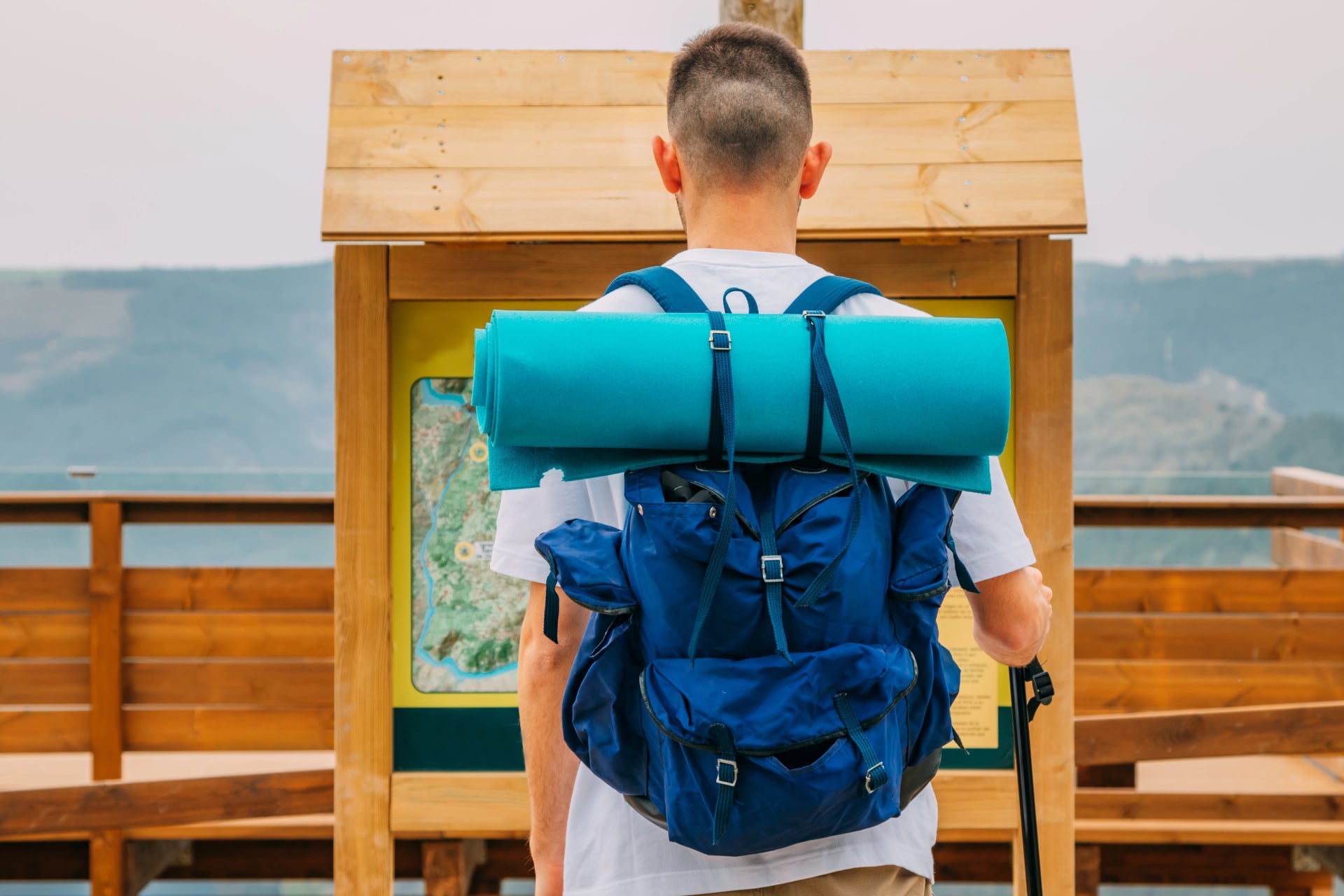
Arriving in Saint-Jean-Pied-de-Port
Pilgrim Credential: Pick up at the Pilgrim Office on Rue de la Citadelle (open 7:30 AM-noon and 2-8 PM)
Accommodation: Book ahead in summer—the town has limited capacity
Gear shops: Several shops sell last-minute equipment
ATMs: Withdraw cash before starting (limited ATM access on early stages)
Departing From The Finish Point
After completing your pilgrimage, Santiago offers excellent onward connections to continue your journey or return home.
Location: 15km from city center
Getting There:
Airport bus (Freire company): Departs every 30 minutes from Praza de Galicia in city center
Journey time: 20 minutes
Cost: €3
Taxi: €25-30 to airport
Flight Connections:
Domestic flights to Madrid, Barcelona, Málaga
International connections via Madrid or Barcelona
Alternatively you can visit Skyscanner for easier flight planning and ticket booking
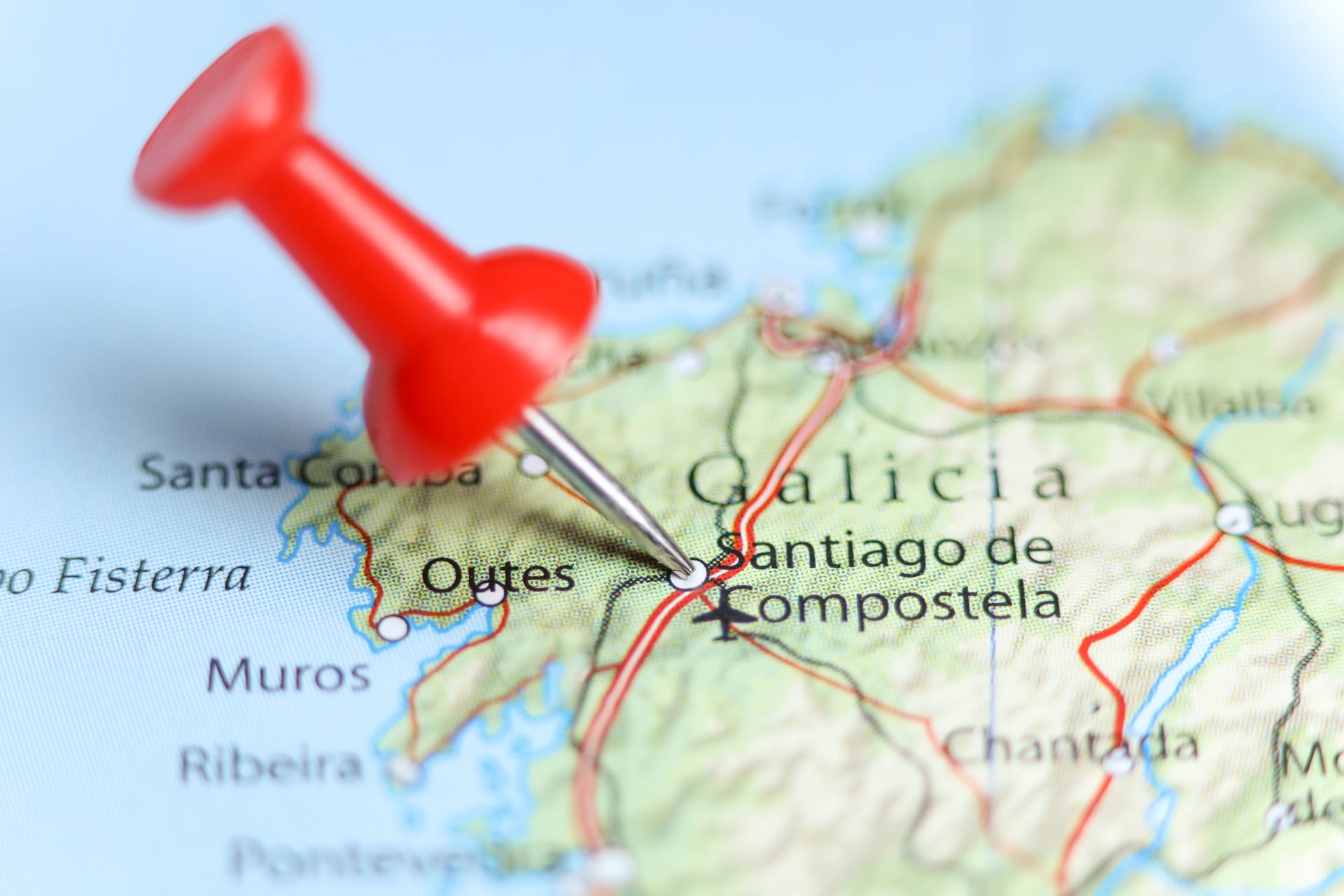
Santiago Train Station (15-minute walk from cathedral)
Major Routes:
To Madrid: Alvia trains, 5.5-6 hours, from €25-60 (book on Renfe.com)
To Porto: Regional trains via Vigo, ~5 hours, €20-30
To A Coruña: 30 minutes, €5-10
To Barcelona: Change in Madrid
Train tickets and schedules
Santiago Bus Station (1.5km from center, local bus or taxi)
ALSA buses serve:
To Porto: 4 hours, €20-30
To Lisbon: 10 hours, €40-50
To Madrid: 7-8 hours, €35-50
Continuing to Finisterre
Many pilgrims extend their journey to Finisterre (End of the World):
3-4 days walking (90km)
Bus alternative: Monbus company, 3 hours, €15-20, departs daily
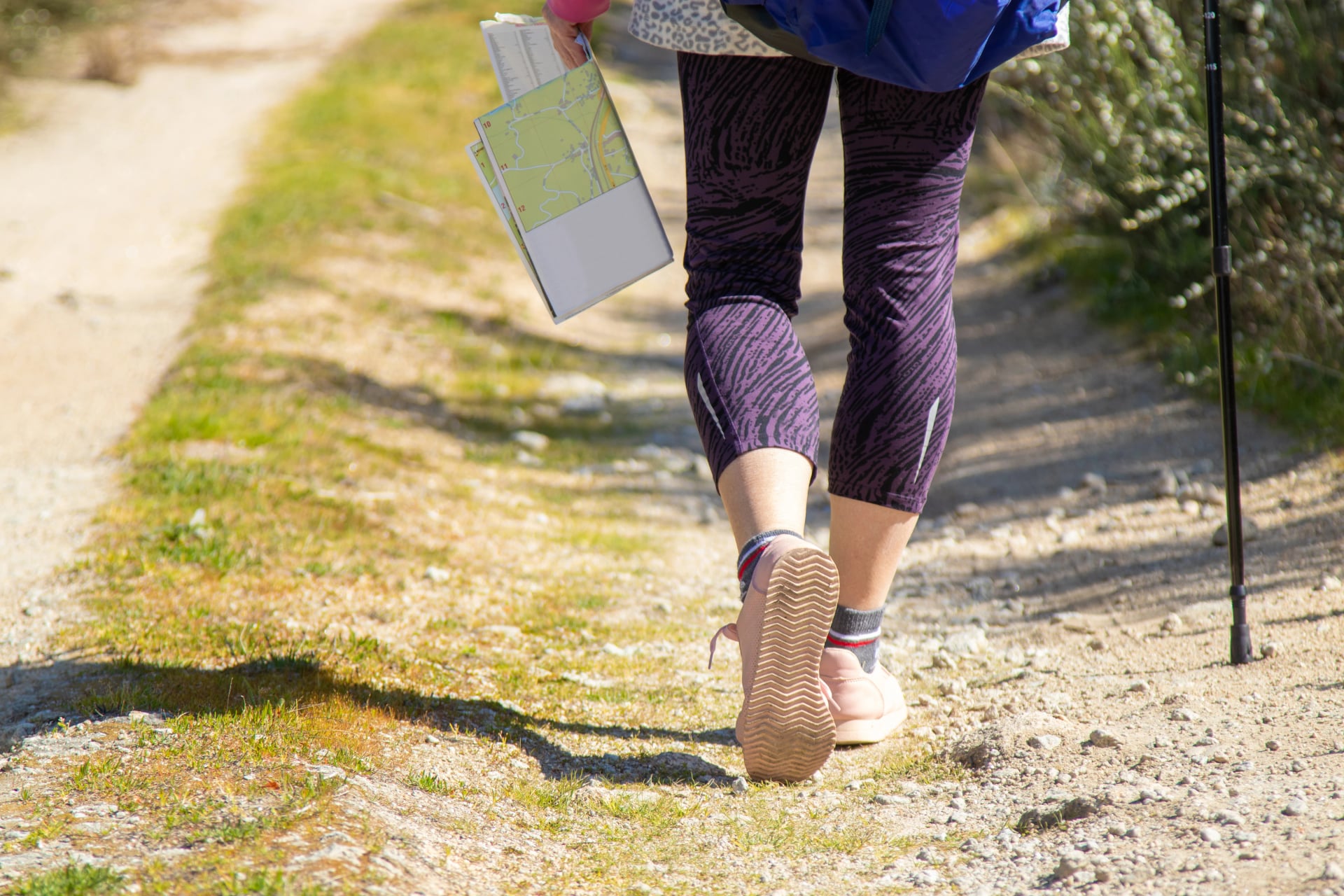
Accommodation on the Camino
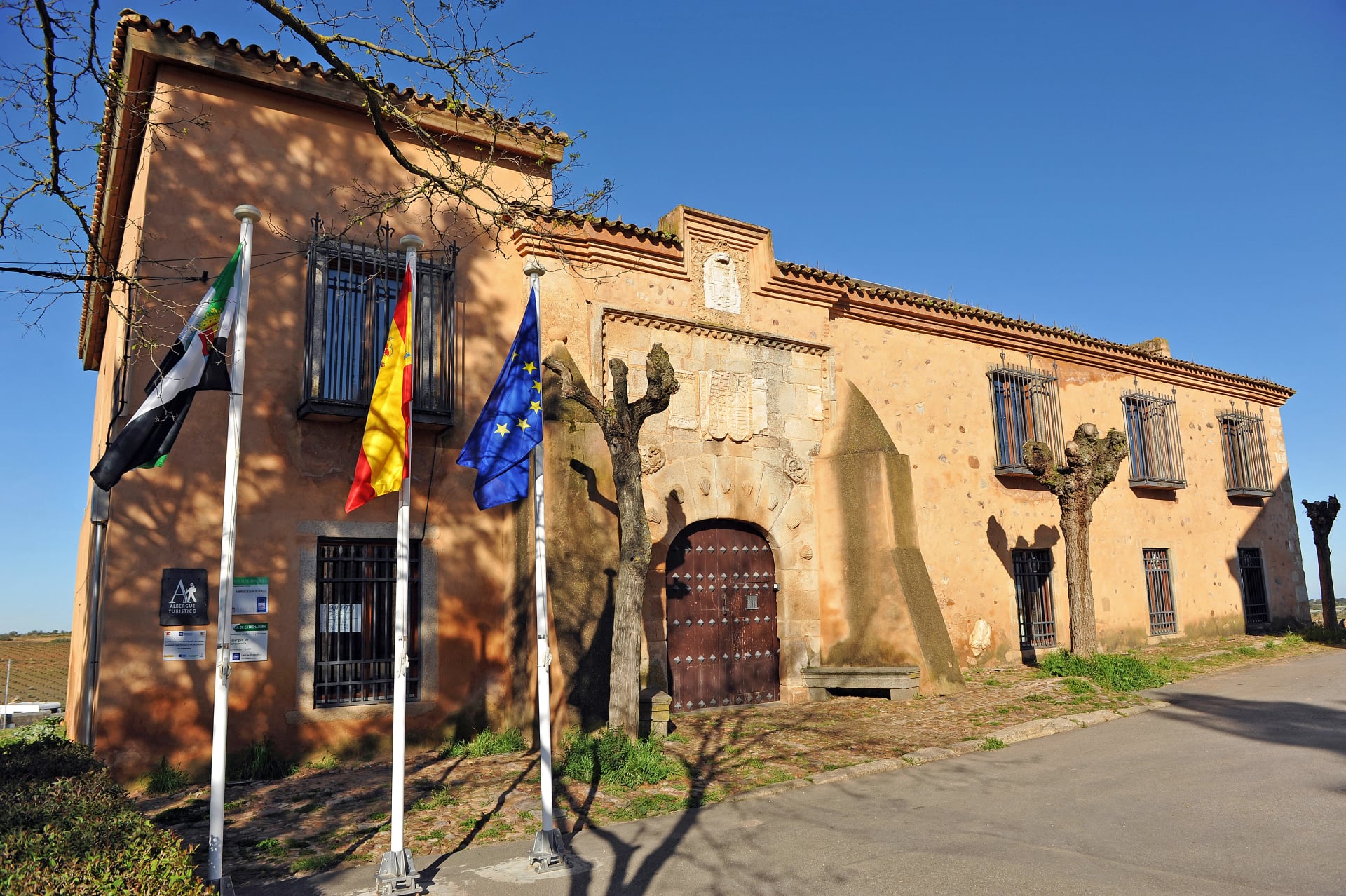
The Camino Frances offers diverse accommodation options to suit various preferences and budgets. Understanding the differences helps you plan appropriately.
1. Municipal Albergues (€10-15/night)
Basic pilgrim hostels operated by towns or churches:
Dormitory-style accommodation (bunk beds)
First-come, first-served (no advance bookings accepted)
Pilgrim credential required
Facilities: Shared bathrooms, usually kitchen, sometimes washing machines
Opens: Typically 1-3 PM
Quiet hours: 10 PM lights out, 6-7 AM checkout
2. Private Albergues (€15-25/night)
Privately operated pilgrim hostels:
Can book in advance (recommended in summer)
Better amenities than municipal (towels sometimes provided, better showers)
More services (breakfast options, luggage storage, laundry)
Slightly more comfortable but maintains pilgrim atmosphere
3. Hotels & Pensions (€40-80+)
Private rooms for those wanting more comfort:
En-suite bathrooms
More privacy and comfort
Book ahead in peak season (May-September)
Best for rest days or occasional respite from dormitories
4. When to Book Ahead
Sarria to Santiago in summer: Book 2-4 weeks ahead (very busy)
Popular stages anytime: Book 1-2 weeks ahead
Shoulder season (May, September): Book 3-5 days ahead or walk-in
Winter: Usually walk-in acceptable (many closed)
5. Albergue Etiquette
Remove boots immediately upon entering
Sleeping bag liner required in all albergues (purchase if needed, €5-8)
Pack backpack evening before for silent morning departures
Respect quiet hours (10 PM-6 AM strictly observed)
Headlamp essential for early departures without disturbing others
Practical Tips
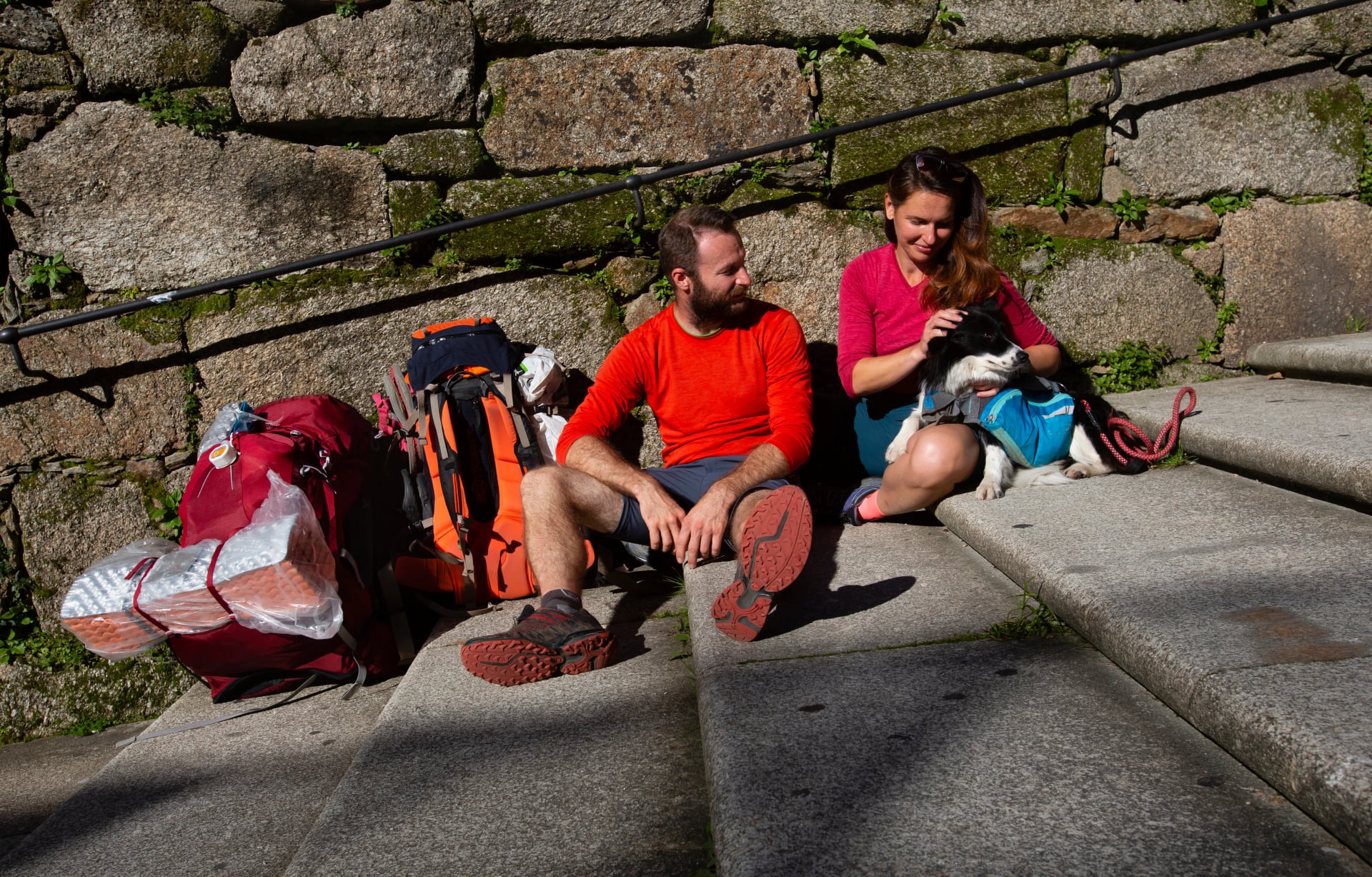
Break in Your Boots: Wear your hiking boots for at least 50-100km before starting the Camino. New boots guarantee blisters. This is a crucial thing to do before any Camino. For a full guide on what to pack for your Camino see our Ultimate Camino Guide.
Start Slow: Begin with shorter 15-20km days for the first 3-4 days, allowing your body to adapt before increasing distance.
Carry Euros: Not all establishments accept cards, especially small village bars and municipal albergues. Budget €60-90 cash per day.
Learn Basic Spanish: While many speak English on the Frances, basic Spanish dramatically enhances your experience:
"Una cama por favor" (A bed please)
"¿Cuánto cuesta?" (How much?)
"¿Dónde está...?" (Where is...?)
"Gracias" (Thank you)
"Buen Camino!" (Good Camino!)
Start Early in Summer: Beat the Meseta heat by walking 7 AM-1 PM, arriving before afternoon temperatures peak.
Don't Race for Beds: Despite stories of "bed races," accommodation exists for all pilgrims. The Frances has extensive infrastructure.
Bed Bugs Awareness: While uncommon, bed bugs do exist. Keep your backpack sealed in dormitories and check mattresses for signs.
Infrastructure
The Camino Frances boasts impressive infrastructure, significantly enhancing the convenience and accessibility of the pilgrimage.
Accommodation options are plentiful, ranging from traditional pilgrim albergues to hotels and guesthouses, catering to various preferences and budgets.
The route is distinctly marked with yellow arrows and scallop shell symbols, ensuring easy navigation. Along the way, pilgrims have access to basic medical services in larger towns, and many albergues provide first aid for minor ailments.
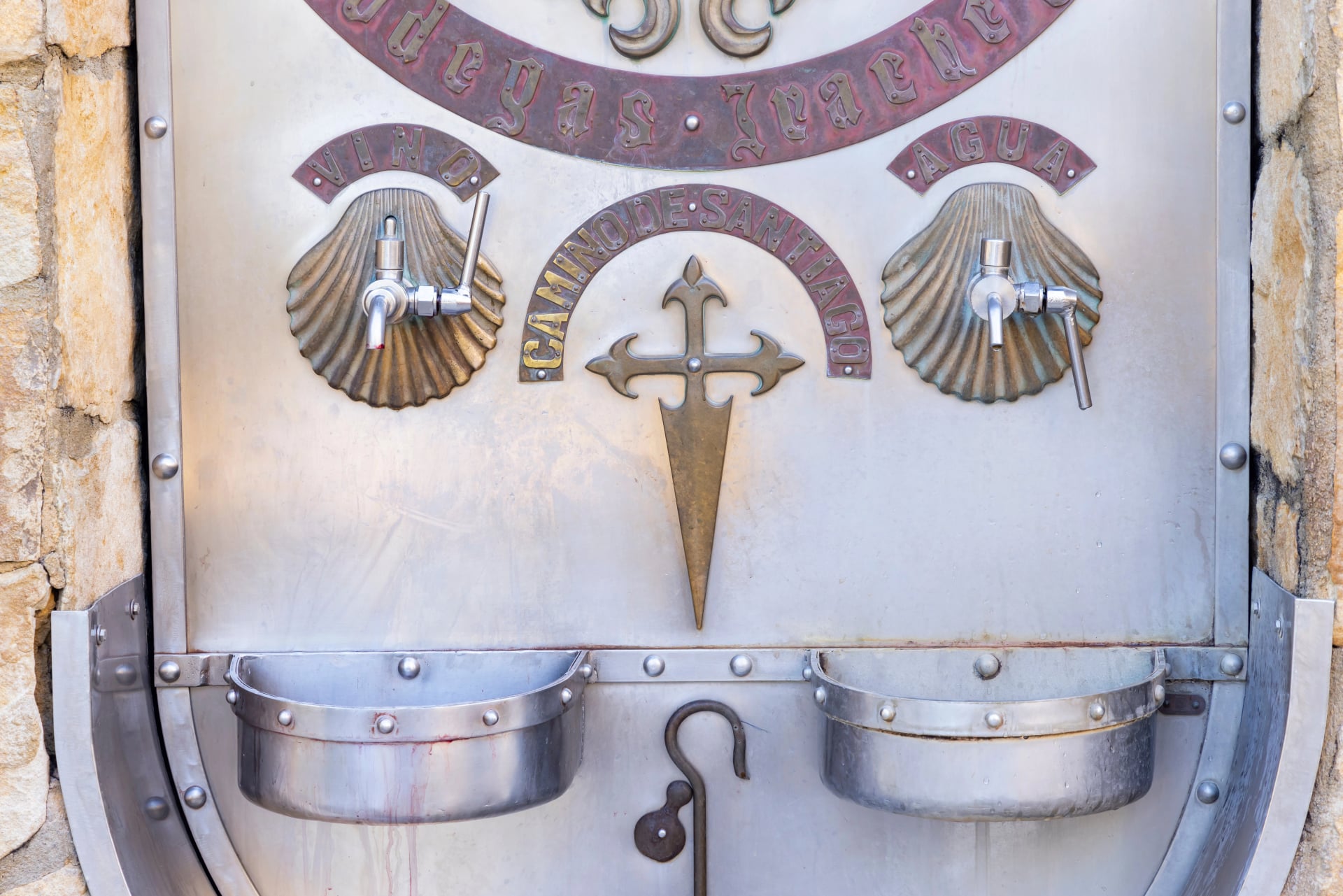
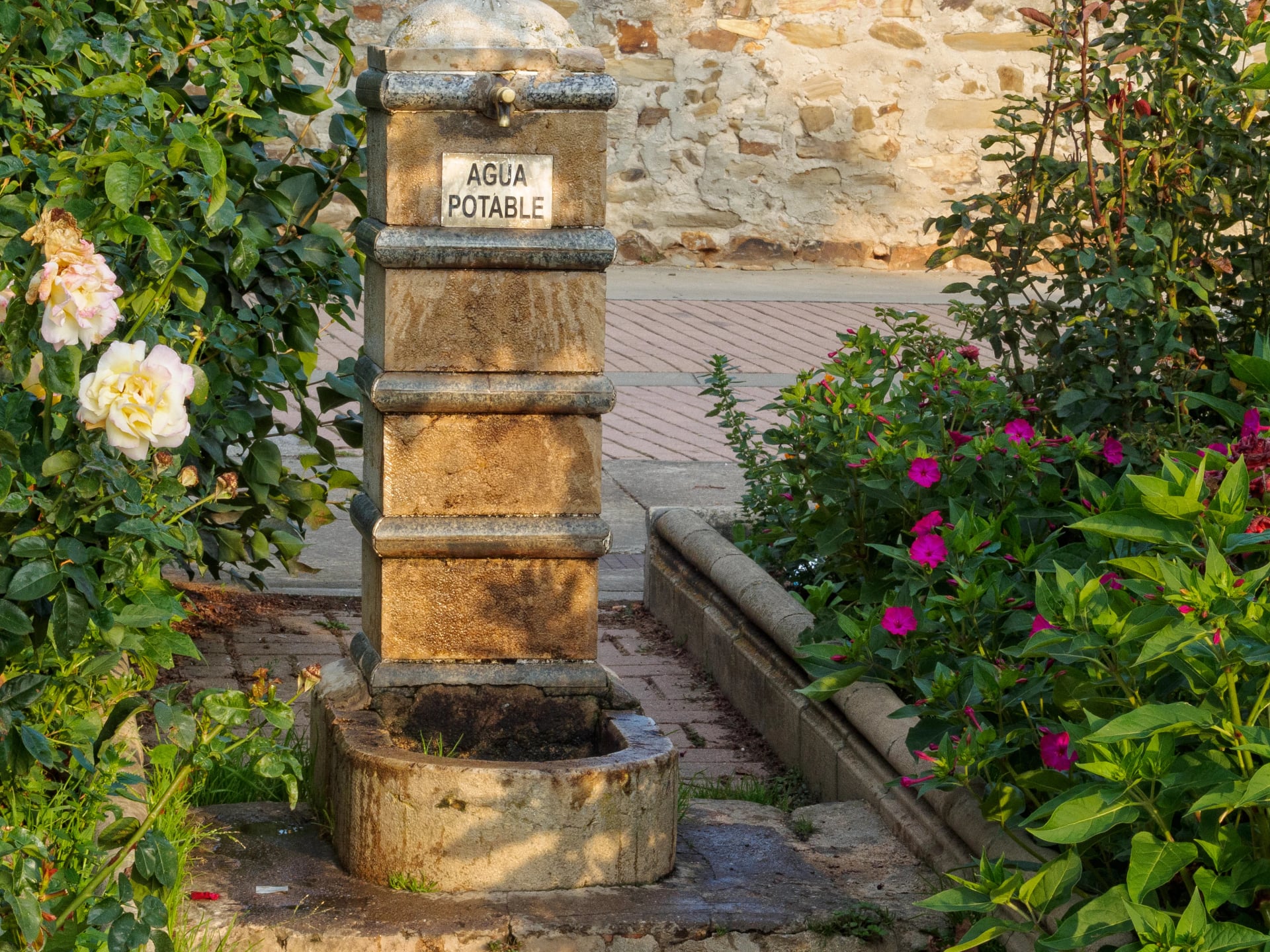
Water fountains are strategically placed along the path, ensuring pilgrims can easily stay hydrated. Wi-Fi is widely available in most accommodations and public spaces..
Public transportation in major towns provides flexibility for pilgrims who may need to skip sections or arrange transport back home.
Why Book With Us?
For those seeking a more structured and hassle-free Camino Frances experience, traveling with a hiking agency can be an excellent option.
We offer comprehensive services including:
Pre-arranged accommodations (securing beds months in advance)
Detailed route guides and GPS tracks
24/7 support before and throughout your journey
Customized itineraries matching your fitness and time constraints
Explore our Camino Frances tour to see how we can enhance your pilgrimage experience. Our services are designed to remove logistical stress while preserving the authentic independence and spiritual experience of the Camino.
For more information or to discuss which option suits you best, visit our inquiry page.
Alternative Route
Note on San Sebastián: While San Sebastián is a beautiful Basque city, it's the starting point for the Camino del Norte (Northern Way), not the Camino Frances. If you're interested in starting from San Sebastián, consider exploring the Northern Way instead.
Browse all our Camino de Santiago tours to explore other routes including the Camino Portugues, Camino del Norte, and Camino Primitivo.
Ready for Camino Frances?
The Camino Frances offers an unforgettable journey combining physical challenge, cultural immersion, and spiritual discovery. Whether you walk the full 790km or just the final 100km from Sarria, this ancient pilgrimage route welcomes you with open arms and well-worn paths.
Book a consultation with us and let’s make your dream Camino Frances a reality.


HASSLE-FREE
We handle itineraries, accommodations, and anything else you prefer not to deal with, so you can enjoy a carefree hike.
.svg)
TRIED & TESTED ADVENTURES
Only the best of Camino de Santiago, cherry-picked by our local team with an in-depth knowledge of the region.

SELF-GUIDED TRAVEL
Explore independently and with confidence while we keep everything running from behind the scenes.
.svg)
TRUSTED BY MANY
Since 2014, we have taken care of thousands of happy customers, making it our mission to put your satisfaction first.