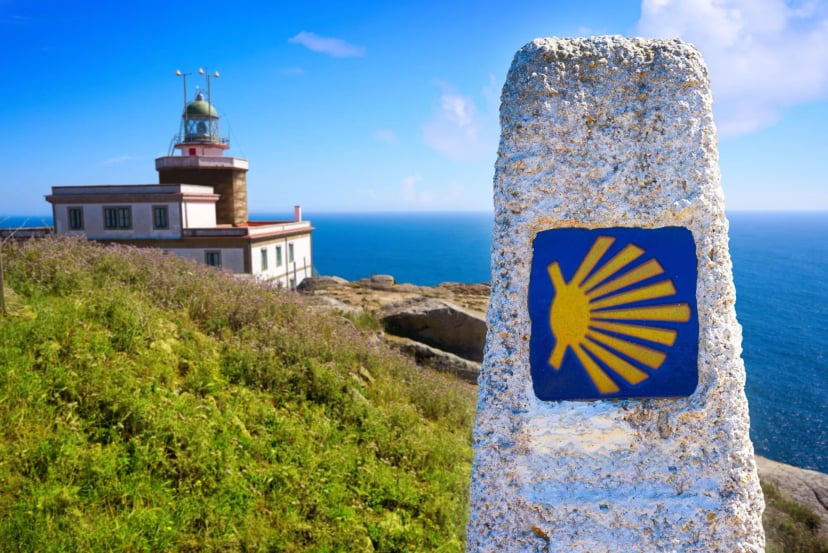
Camino Finisterre: The Ultimate Guide
Discover the ultimate guide to Camino Finisterre: essential tips, historical insights, and practical advice for your spiritual journey to the end of the world.
Quick links
Camino Finisterre in Numbers
Length: 90 km to Finisterre; 87 km to Muxía; 118 km for both destinations
Starting point: Santiago de Compostela, Spain
Finishing point: Cape Finisterre and/or Muxía, Spain
Duration: 3-4 days (single destination); 5-6 days (both destinations)
Technical difficulty: 2/5 | Fitness level: 2/5
Unique distinction: The ONLY Camino route starting in Santiago and moving away from the Cathedral
Ideal for: Pilgrims seeking spiritual closure after Santiago arrival, those wanting shorter extension route, anyone drawn to ancient pre-Christian pilgrimage sites, and lovers of dramatic Atlantic coastal scenery
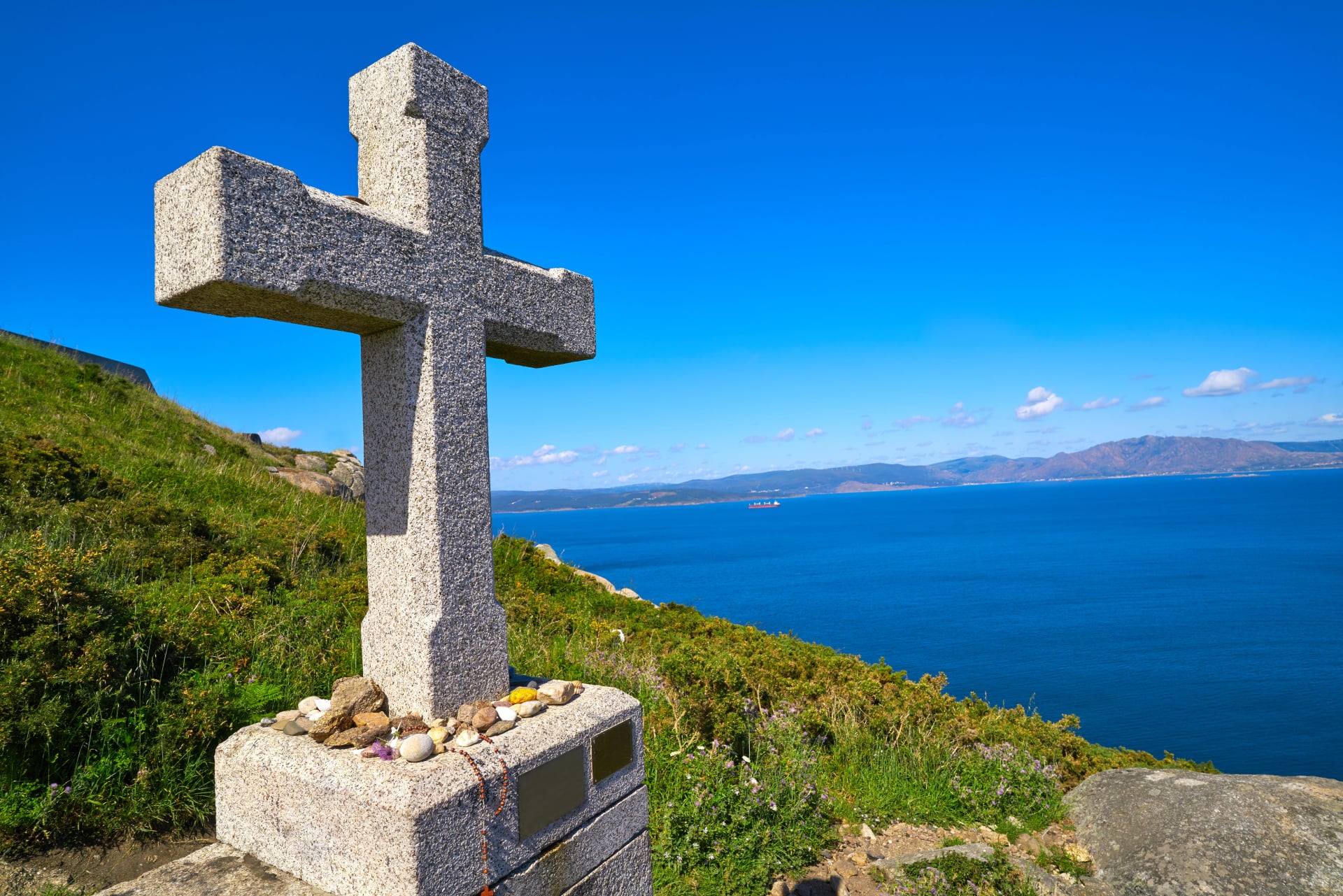
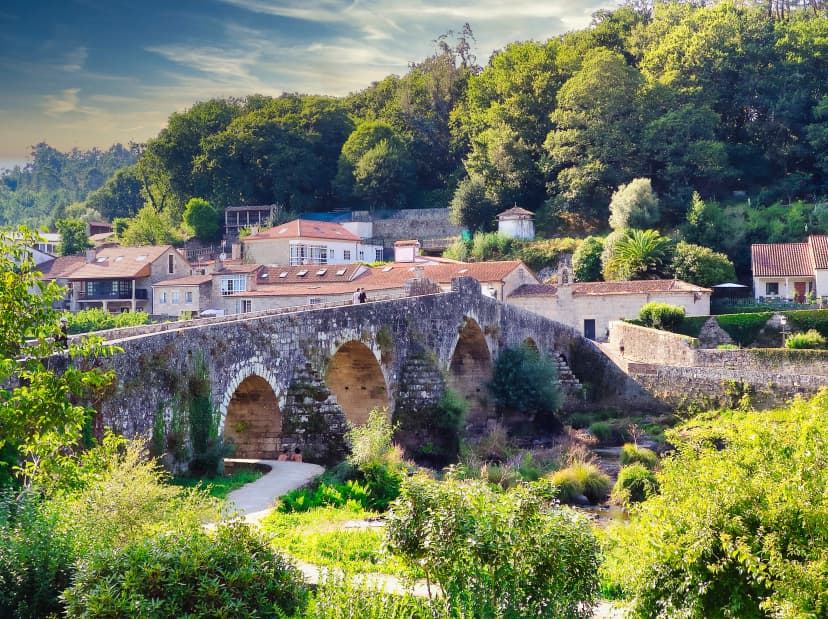
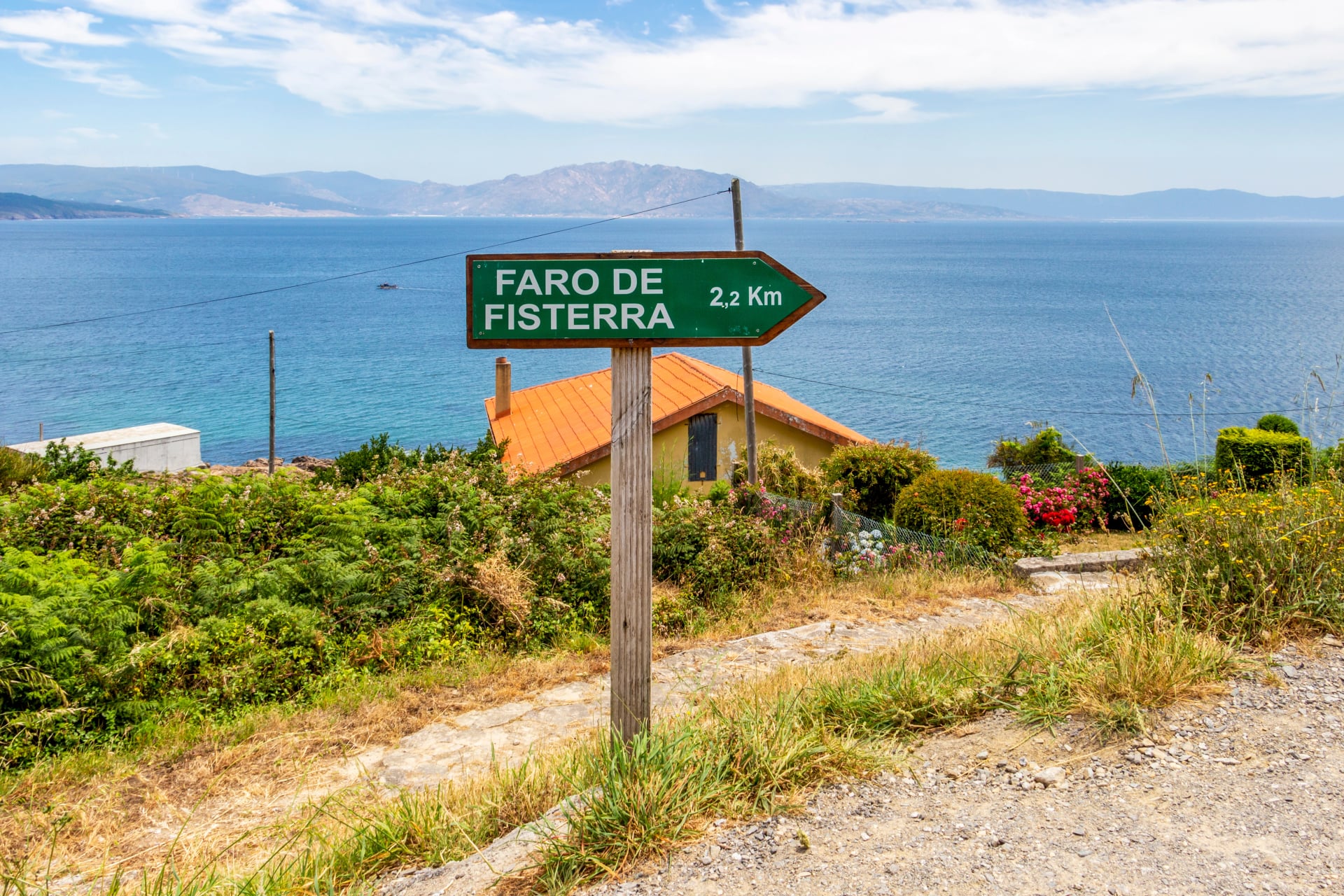
The Camino Finisterre, an extension of the Camino de Santiago, offers a unique experience for those seeking to explore beyond Santiago de Compostela. Stretching approximately 90km to Finisterre or 87km to Muxía, this route is a historical path leading to what was once considered the edge of the known world. This ancient pilgrimage represents something profoundly different from other Camino routes. It's the only Camino that starts in Santiago de Compostela and moves away from the Cathedral rather than toward it.
This guide provides comprehensive information on the route's terrain, cultural background, destination options, ancient rituals, modern traditions, and the serene beauty of its coastal terminus at Finisterre or Muxía—helping you decide which ending calls to your pilgrim soul.
Route Map & Destination Options
The Camino Finisterre's unique characteristic as the only Camino starting in Santiago creates multiple journey possibilities. Unlike other routes with single destinations, pilgrims choose between Finisterre, Muxía, or both—each offering distinct spiritual significance.
Route Options from Santiago de Compostela
Route Choice | Distance | Duration | Certificate Earned |
Santiago → Finisterre | 90 km | 3-4 days | Fisterrana |
Santiago → Muxía | 87 km | 3-4 days | Muxiana |
Santiago → Finisterre → Muxía | 118 km | 5-6 days | Both certificates |
Santiago → Muxía → Finisterre | 115 km | 5-6 days | Both certificates |
Reverse (Finisterre/Muxía → Santiago) | 90-120 km | 3-5 days | Compostela if 100km+ |
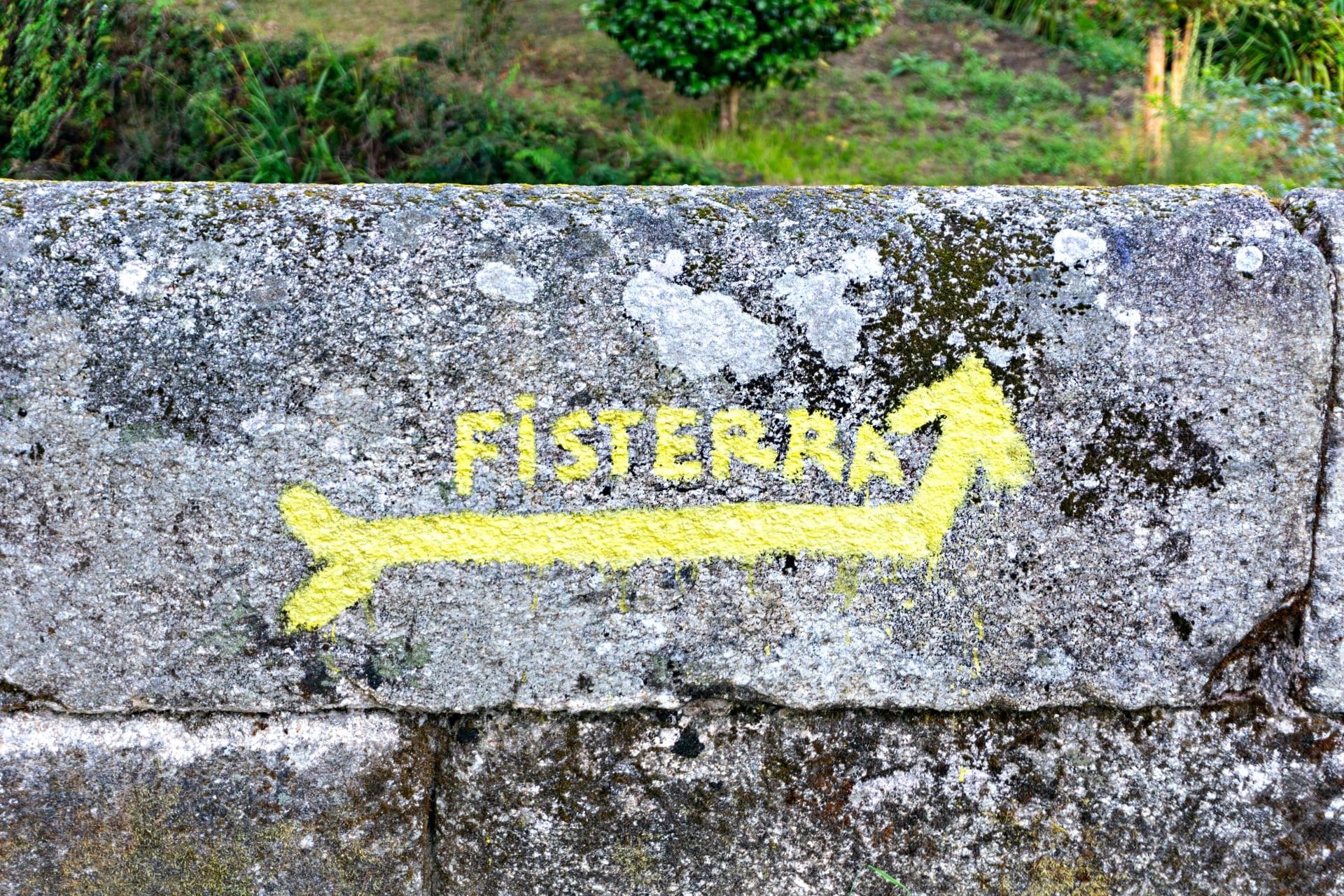
The Critical Split: All routes share the first 60km from Santiago through rural Galicia to Hospital/Olveiroa, where paths diverge—left to Finisterre, right to Muxía. This junction creates memorable decision moment as pilgrims commit to their chosen ending.
Walking to Both Destinations: The 28km coastal connector between Finisterre and Muxía hugs the spectacular Costa da Morte coastline—arguably the most beautiful section of the entire journey. Walking this allows experiencing both destinations plus dramatic ocean cliffs, fishing villages, and wild Atlantic character between them.
Reverse Direction Note: Walking Finisterre or Muxía back TO Santiago (opposite direction) can earn the Compostela IF total distance exceeds 100km. For example, Muxía→Finisterre→Santiago totals ~120km, qualifying for the certificate.
Why Walk to "The End of the World"?
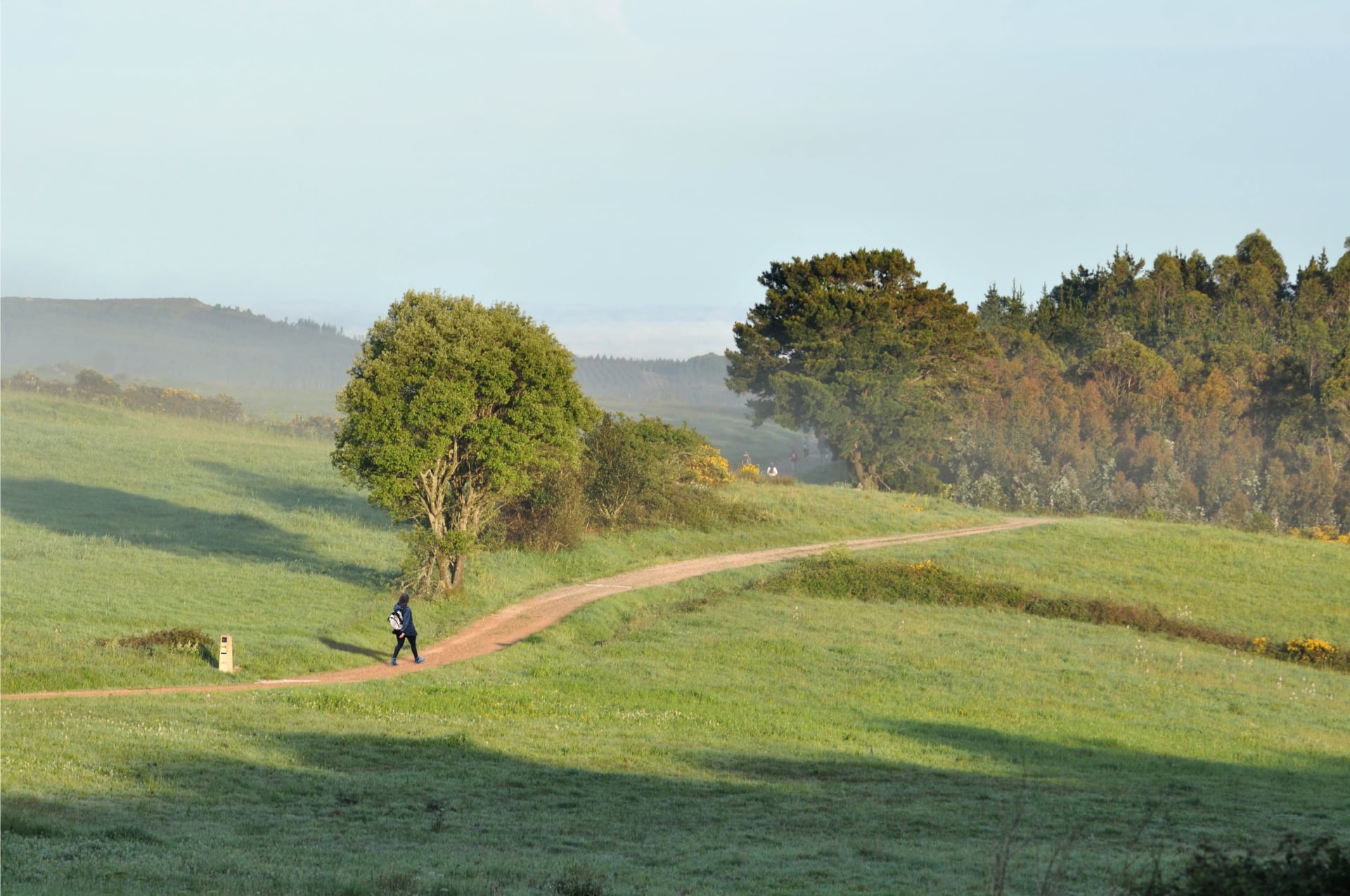
The pilgrimage to Finisterre and Muxía offers compelling spiritual, historical, and experiential reasons distinct from walking TO Santiago. Understanding these motivations helps clarify why hundreds of thousands continue their journey to the coast.
Spiritual Closure & Symbolic Completion
The journey to Finisterre represents spiritual epilogue for those who've completed another Camino route—Francés, Portugués, del Norte, Primitivo, or Inglés. After reaching Santiago Cathedral and obtaining your Compostela, many pilgrims experience unexpected feeling: the journey feels incomplete. There's residual energy, questions unanswered, transformation in progress.
Walking to the literal edge of the known world provides that closure. The physical act of reaching land's end—where solid ground meets infinite ocean—creates powerful metaphor for releasing the past and embracing transformation. Many describe standing at Cape Finisterre lighthouse or Muxía sanctuary as more emotionally significant than Santiago Cathedral arrival itself.
Pre-Christian Heritage: Older Than the Camino Itself
Unlike other routes born from St. James's discovery in 9th century, Finisterre pilgrimage predates Christianity by millennia. This creates unique spiritual character impossible on purely Christian routes.
Celtic peoples (1200 BCE onward) walked here for sun worship at the Ara Solis altar on Cape Finisterre, believing this sacred point where the sun died each night before rebirth at dawn. The rituals performed here—many linked to fertility, death, and renewal—highlight deep spiritual significance the area held for ancient civilizations. Romans inherited this tradition, calling the cape Promontorium Nerium and considering it literally the edge of the world—beyond here, unknown terrors and endless ocean. They worshipped here, erected monuments, and performed ceremonies honoring gods of sea and sun.
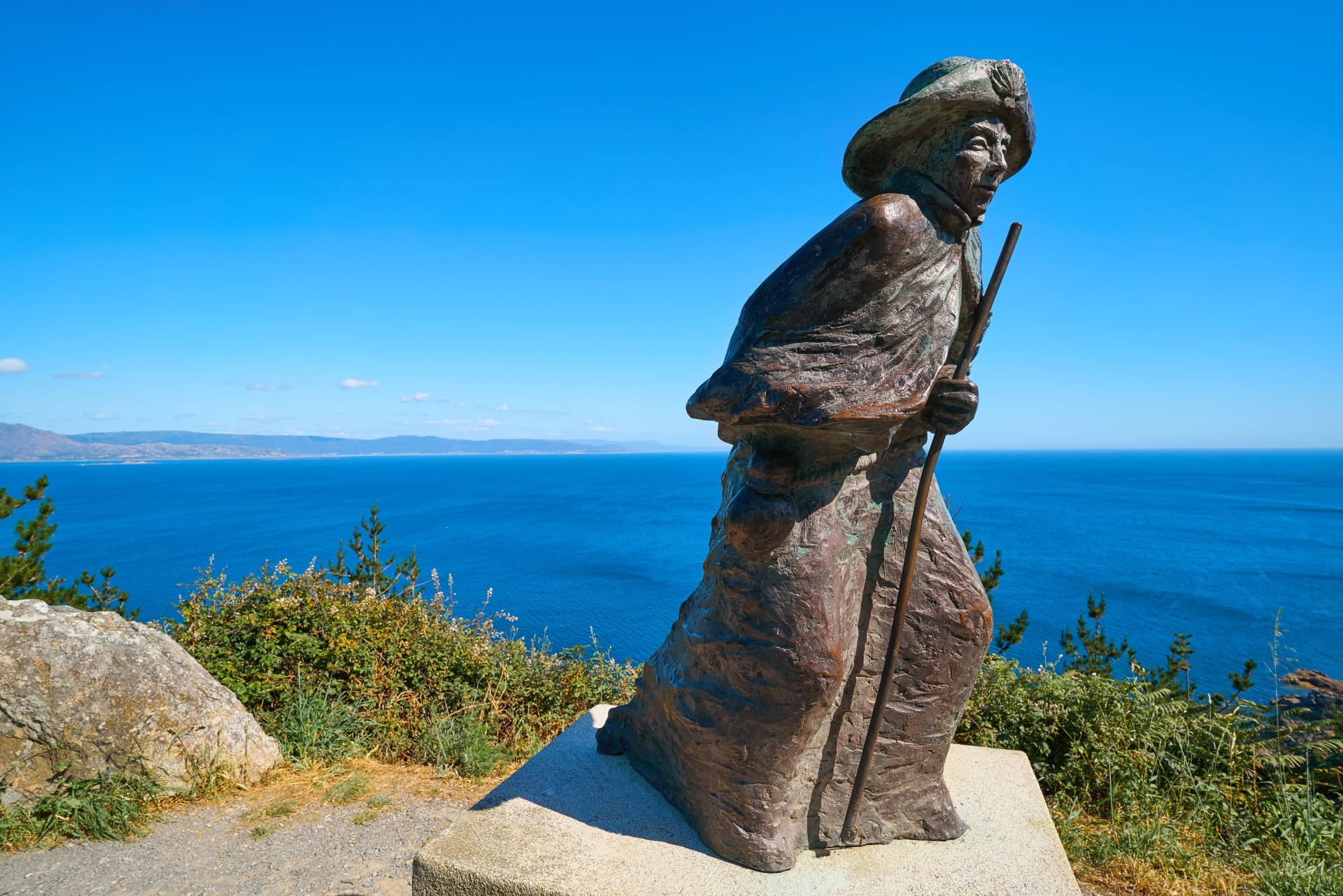
This ancient lineage creates pilgrimage unlike any other Camino route. You're not just walking Christian path but following footsteps across 3,000+ years—Neolithic peoples, Celtic druids, Roman centurions, medieval pilgrims, modern seekers. The weight of centuries presses tangibly on these coastal paths.
The Perfect Epilogue After Any Camino
Most pilgrims walk Finisterre as extension after completing Francés, Portugués, del Norte, Primitivo, or Inglés. The timing proves perfect—you've earned Compostela, celebrated Santiago arrival, rested 1-2 days in the city, and now feel ready for final chapter.
The compressed timeframe (3-5 days) suits those with extra time post-Santiago but not weeks for another full Camino. It provides enough walking to maintain rhythm and reflection, without month-long commitment. Many describe it as their favorite Camino section despite (or because of) its brevity.
The pressure releases completely. You're not racing to accumulate 100km for certificate, not pushing through injury to reach goal, not managing daily stage logistics with same urgency. The Compostela sits safely in your pack. Now you walk simply because you want to—for beauty, reflection, completion. This liberation transforms the experience.
Costa da Morte: Dramatic Coastal Landscape
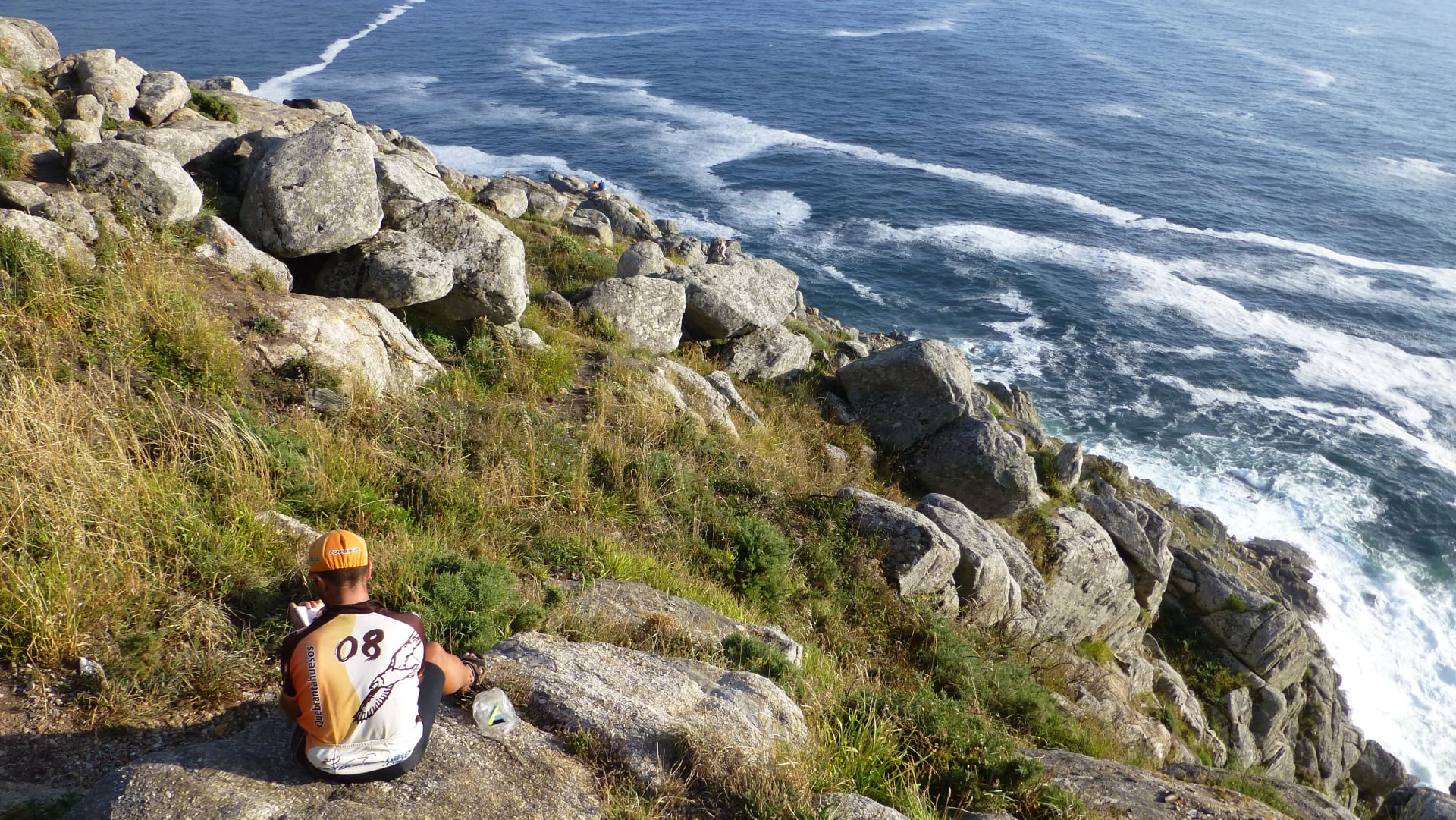
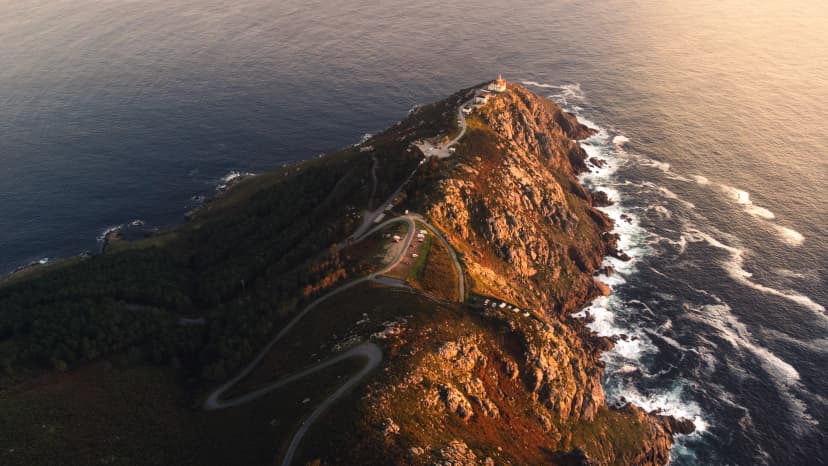
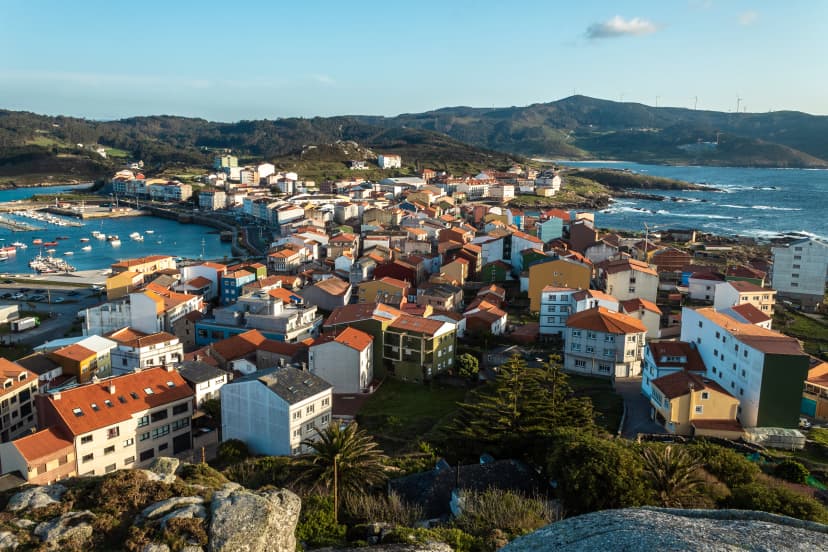
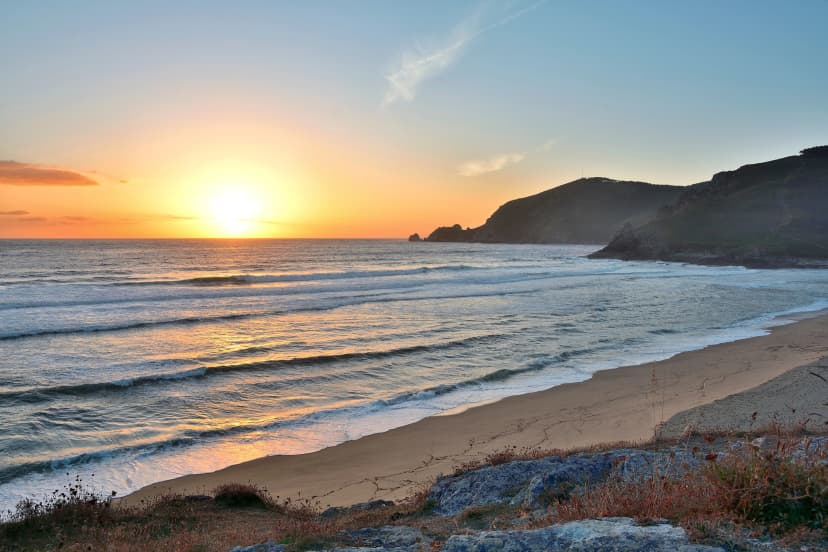
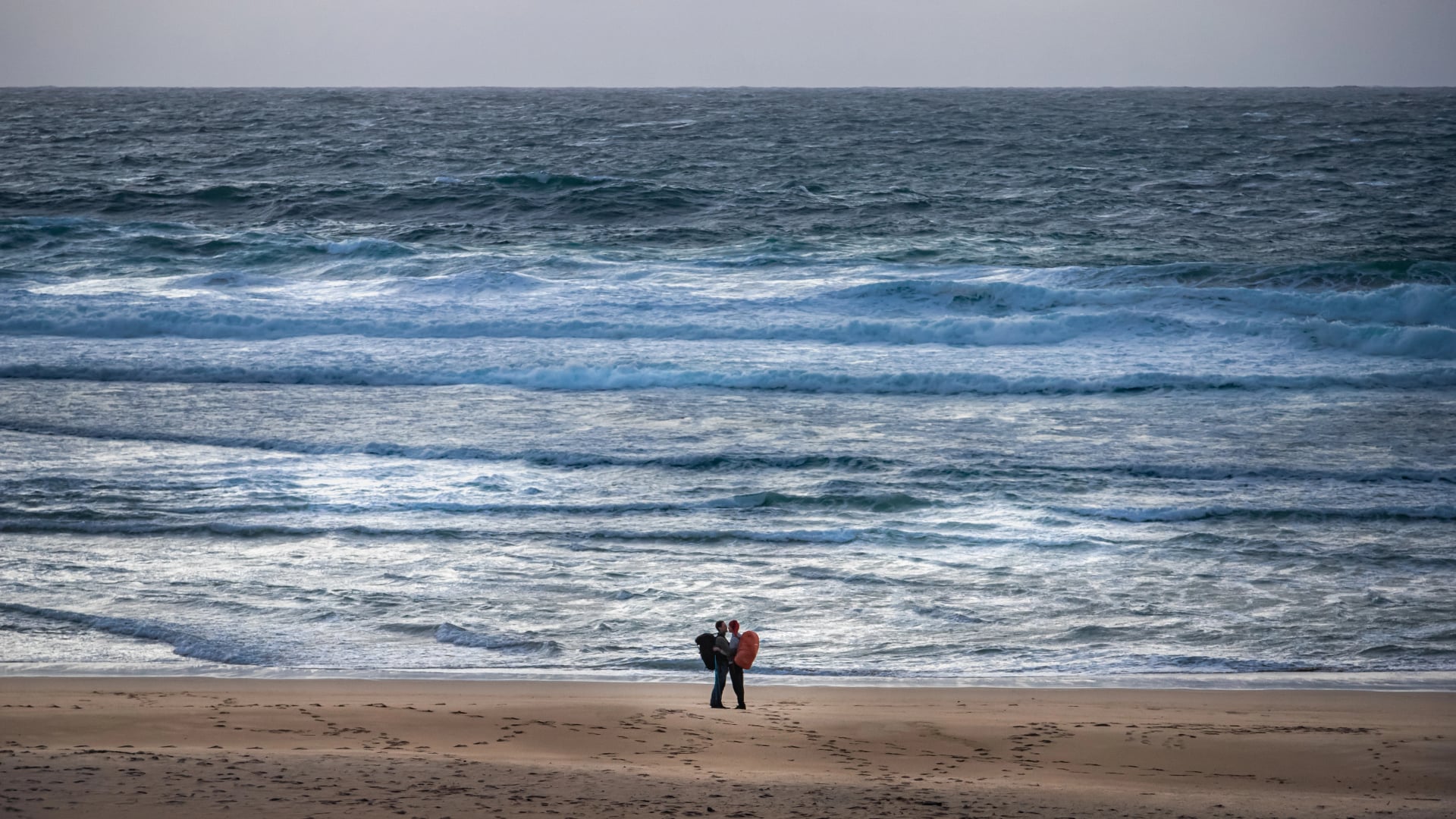
The Coast of Death (Costa da Morte) earned its ominous name from treacherous Atlantic waters claiming countless ships throughout history—the coastline's jagged rocks, sudden storms, and powerful currents creating maritime graveyard. But the name also derives from Celtic belief that the sun died here each night, sinking into western ocean. Rugged Atlantic scenery defines these final days—wild cliffs plunging to crashing waves, fishing villages clinging to rocky shores, lighthouses warning of dangers, and constant ocean horizon stretching to infinity. The landscape differs profoundly from interior Camino routes dominated by farmland and forests.
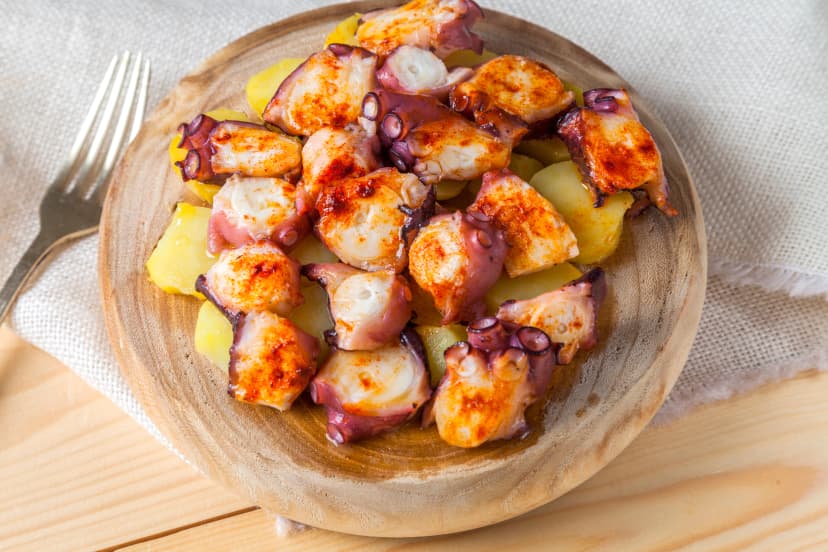
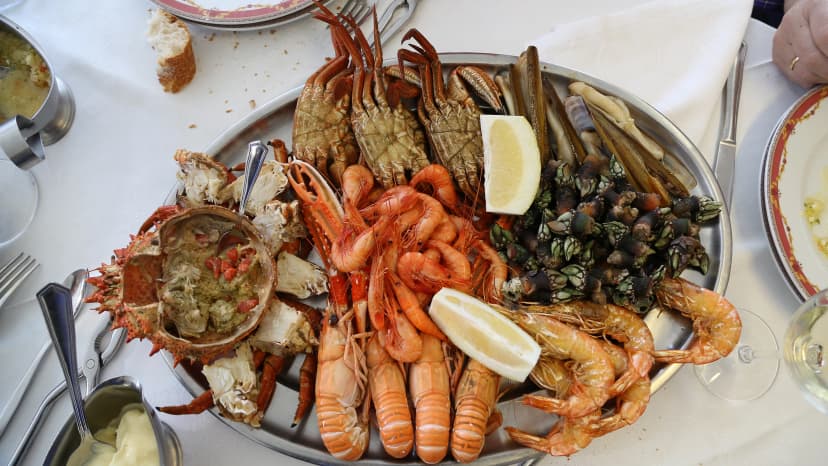
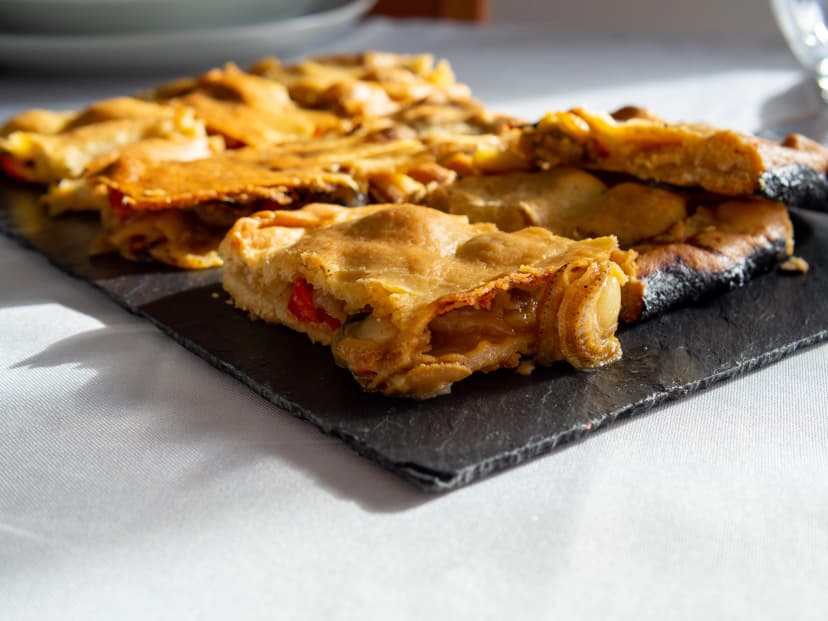
Galician coastal culture showcases fresh seafood impossible inland—percebes (goose barnacles) harvested from dangerous rocks, mariscada (seafood platters) featuring lobster and scallops caught that morning, pulpo (octopus) prepared in traditional galician style. The fishing heritage permeates everything—boats unloading catches, markets displaying oceanic bounty, restaurants serving the sea.
The elemental forces—wind howling across headlands, waves thundering against cliffs, salt air coating everything, storms arriving with terrifying suddenness—ground pilgrimage in primal reality. This isn't gentle countryside walking but confrontation with nature's raw power.
Choose Your Own Ending: Finisterre or Muxía (or Both)
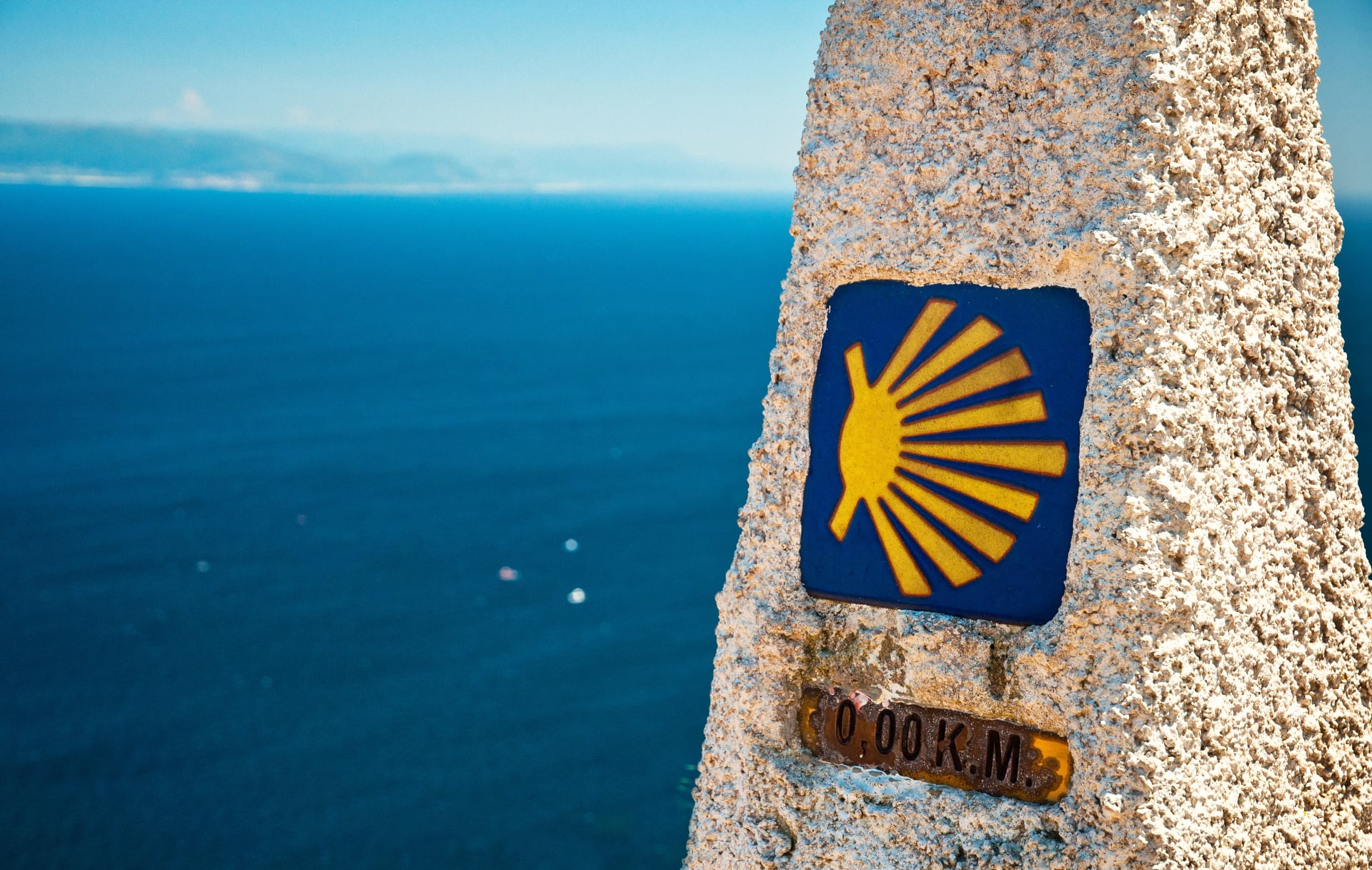
The route's dual destination allows personalizing your conclusion based on what the pilgrimage means individually.
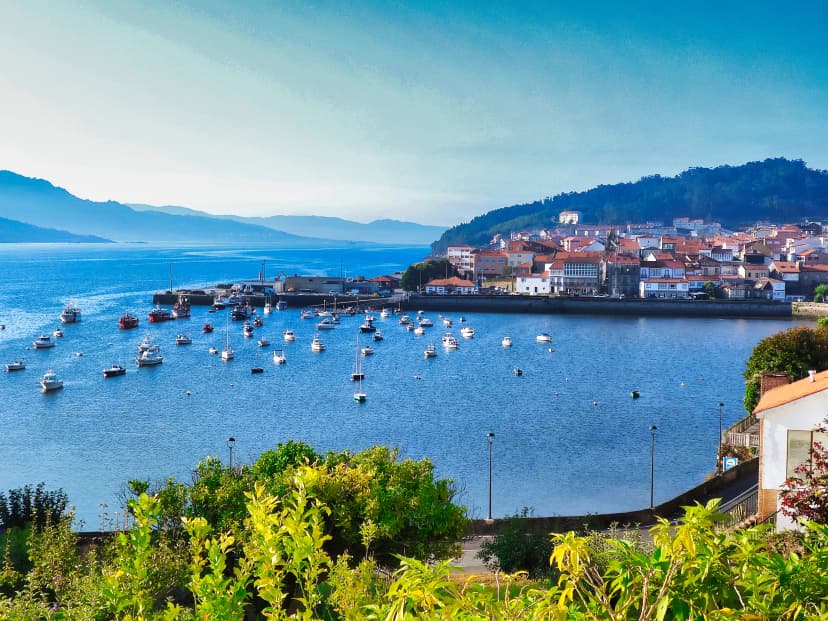
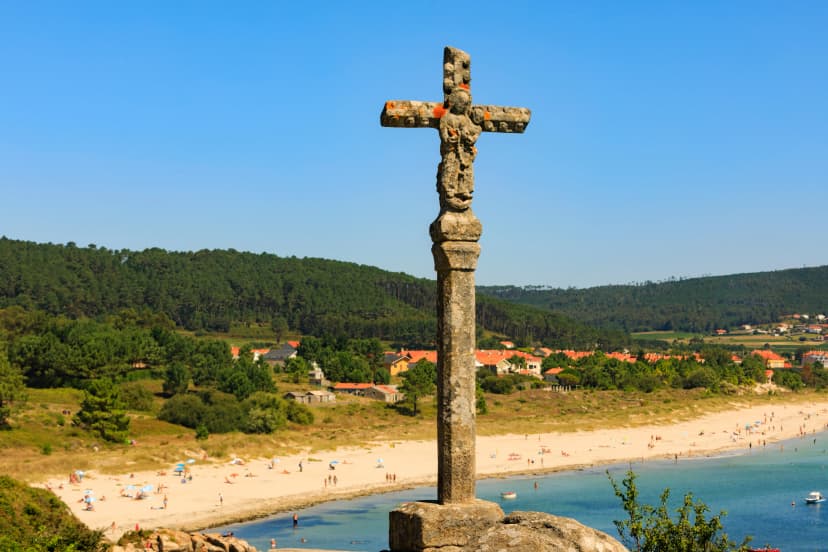
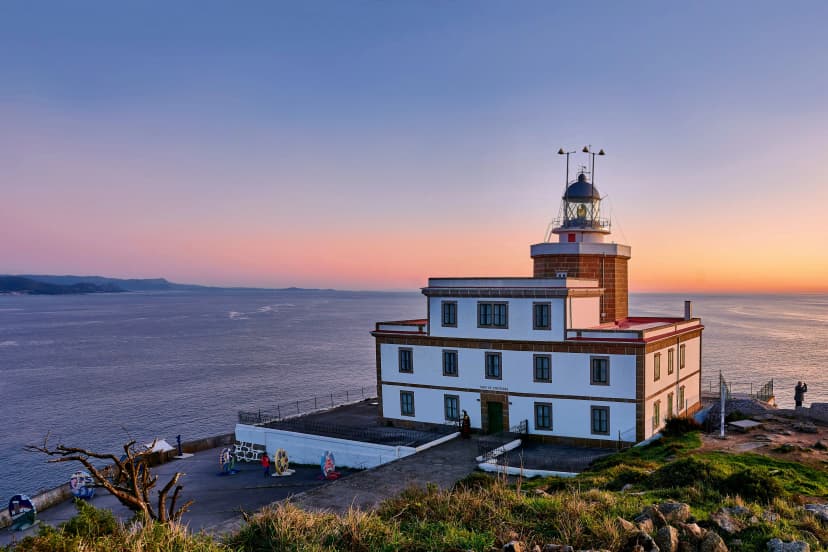
Finisterre offers the iconic lighthouse, 0.0km marker for photographs, and legendary "end of the world" status everyone recognizes. The cape location requires 3km walk from town but delivers dramatic cliffs, sunset views, and fulfillment of walking to land's absolute edge. More developed infrastructure (more albergues, restaurants, day-tourists from Santiago) creates busier, more celebratory energy.
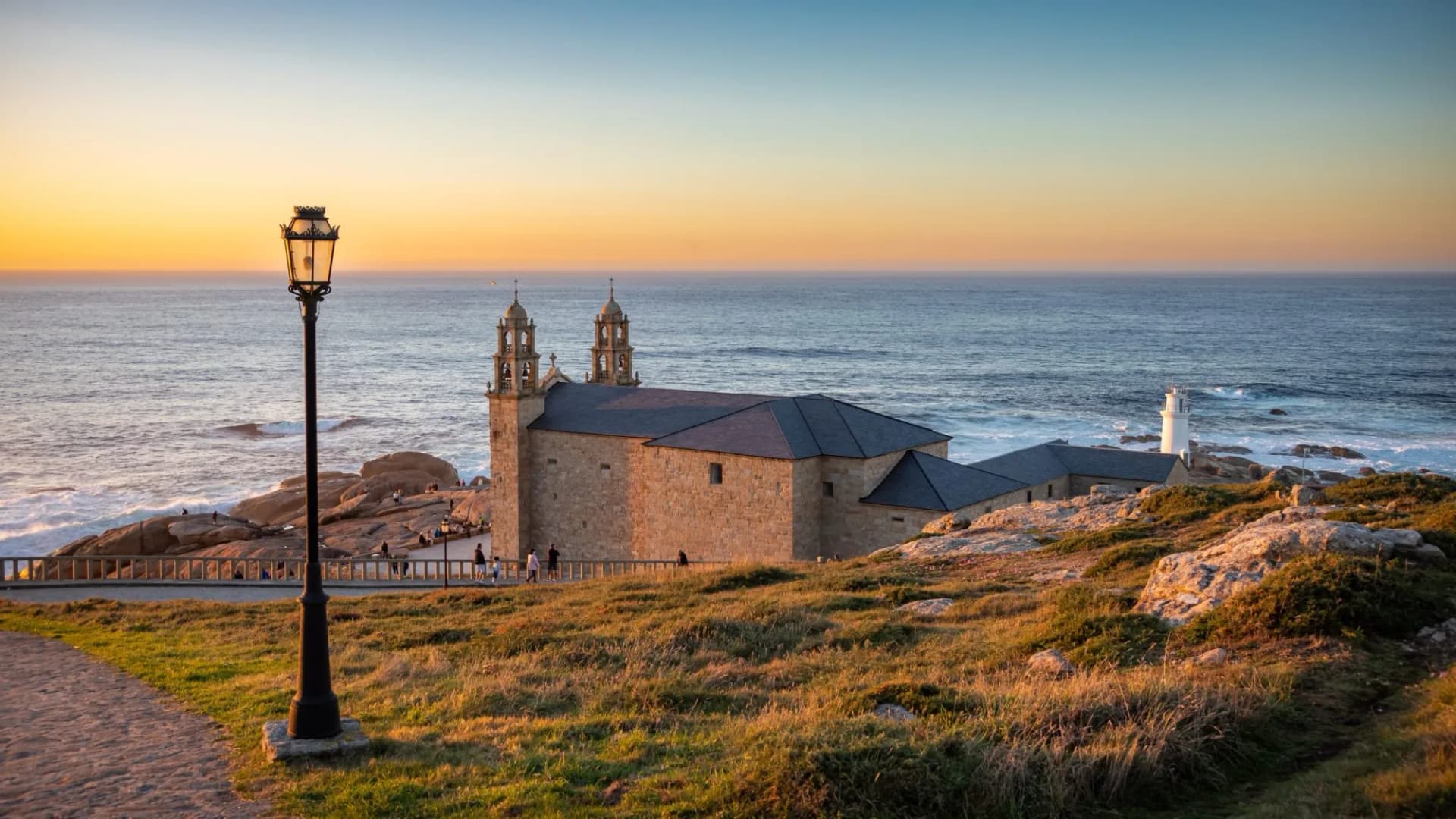
Muxía provides the Virgin da Barca sanctuary (where Virgin Mary allegedly appeared to St. James in stone boat), mystical stones beside the ocean (Piedra de Abalar rocks with wave rhythm, Piedra dos Cadrís with supposed healing powers), and much quieter atmosphere—fewer pilgrims, no day-tourists, authentic fishing village maintaining traditional character. The cape sits just 10-minute walk from town center versus Finisterre's 3km, making sunset viewing easier.
Walking to both creates a circular coastal journey experiencing diverse character—Finisterre's iconic recognition, Muxía's spiritual depth, and the spectacular 28km connector hugging Costa da Morte between them. This complete experience appeals to those with time and desire for thorough coastal immersion.
Fisterrana & Muxiana Certificates: Different from Compostela

While this route doesn't earn Compostela (you're walking AWAY from Santiago), pilgrims receive special certificates—the Fisterrana in Finisterre, Muxiana in Muxía—commemorating arrival at these legendary destinations. Created in 1997 by local town councils to recognize the route's growing popularity, these documents testify to completing what many consider the true conclusion of their pilgrimage. The certificates acknowledge reaching symbolic journey's end, where physical walking stops but spiritual transformation continues.
Many pilgrims frame Fisterrana/Muxiana alongside their Compostela, valuing them equally or more deeply—the Santiago certificate proves you met minimum distance requirements, while the coastal certificates represent personal choice to extend beyond required arrival, honoring ancient traditions reaching back millennia before Christianity.
Key Destinations
The Camino Finisterre passes through distinctive towns, rural hamlets, and legendary coastal destinations creating the route's unique character from Santiago to the Atlantic edge.
A Day on the Camino Finisterre
Understanding daily rhythm helps prepare mentally and physically for this unique epilogue journey, though the Finisterre experience differs from routes racing toward Santiago.
Morning (7:00-8:30 AM)
Finisterre mornings feel profoundly different—less urgent, more savoring. Many pilgrims sleep later (7-8am versus 5-6am on other routes), having released achievement pressure. The Compostela sits safely in packs; today requires no minimum distance, no credential anxiety.
Breakfast features relaxed conversation rather than hurried fuel consumption. The walking starts with mixed emotions—relief that Santiago pressure ended, anticipation of ocean ahead, and melancholy knowing the pilgrimage concludes soon.
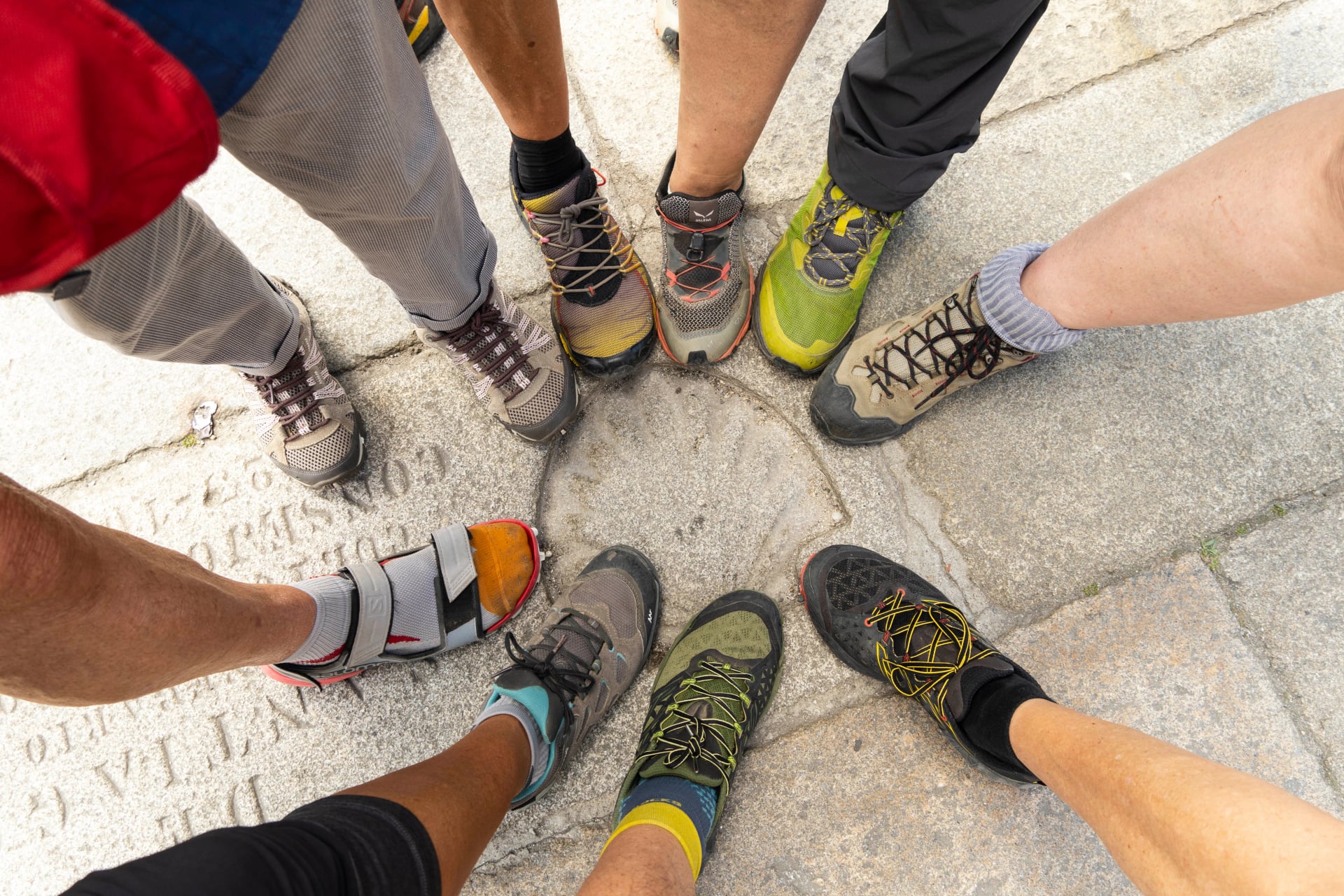
Walking (9:00 AM-3:00 PM)
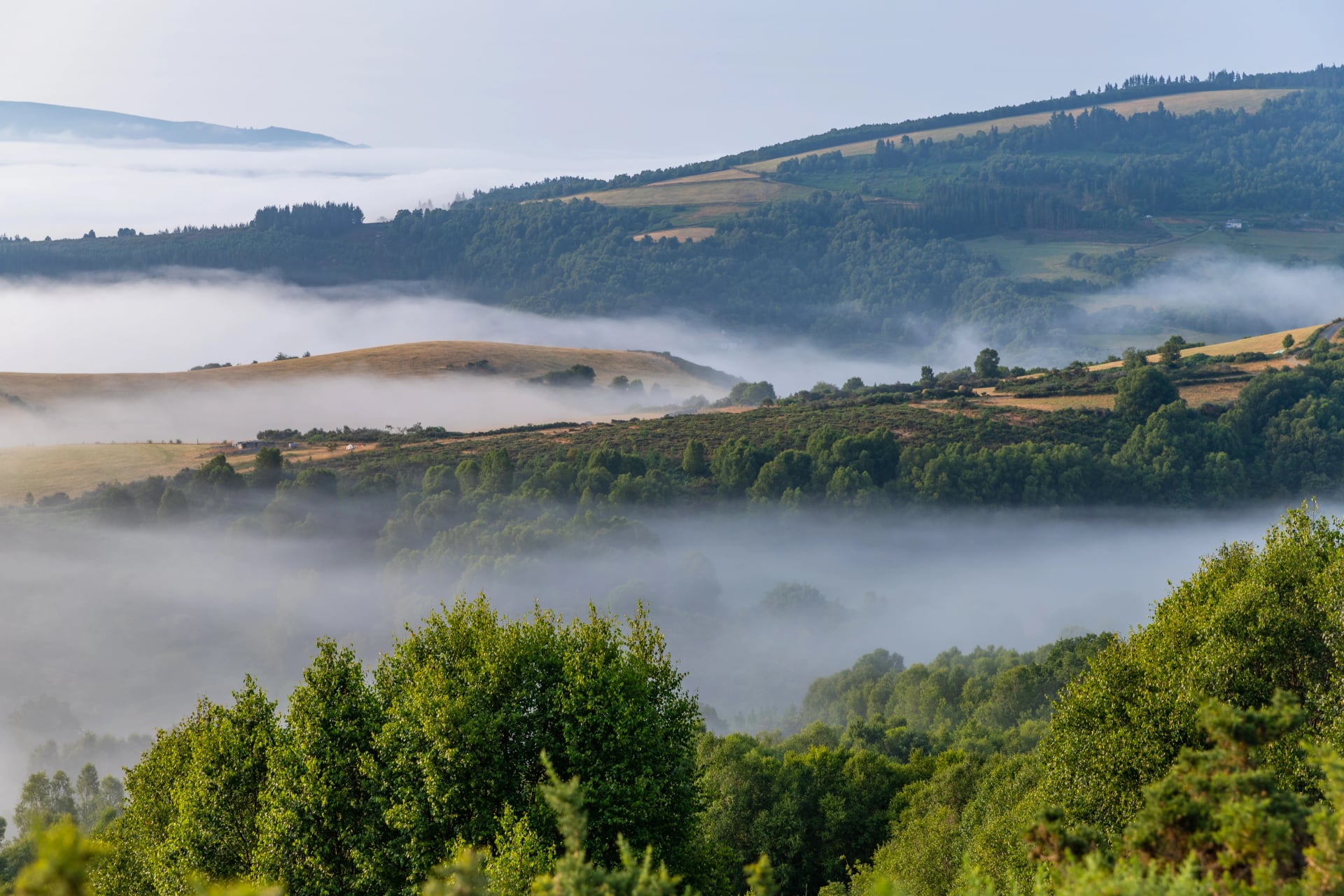
Days 1-2 traverse rural Galician countryside—gentle hills, eucalyptus forests, farmland, and quiet villages. Without the Santiago target ahead, pilgrims walk more slowly, stop frequently for photos, and enjoy extended coffee breaks. Stages average 20-30km—moderate yet satisfying.
Days 3-4 bring ocean proximity gradually increasing—salt air scent, wave sounds, finally Atlantic horizon appearing. The terrain remains gentle except Alto do Mar de Ovellas climb (Day 1). Many pilgrims walk final kilometers in contemplative silence.
Afternoon (2:00-5:00 PM)
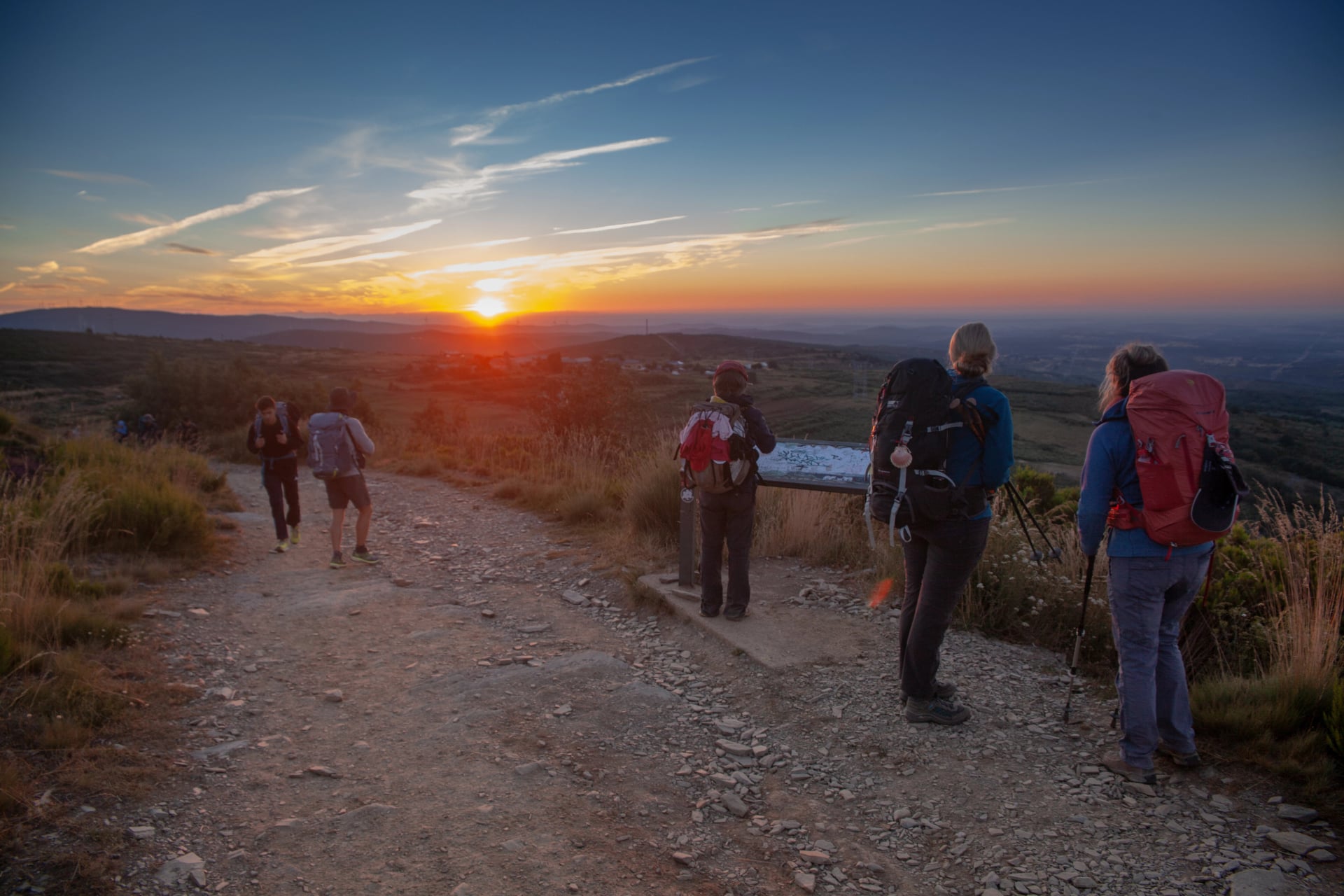
Arriving in Finisterre or Muxía creates a powerful moment unlike Santiago. There's no cathedral ceremony—instead, a small fishing town where you can walk no further west. Many pilgrims describe overwhelming emotion when the ocean appears. The cape visits feel ceremonial despite lack of official ritual.
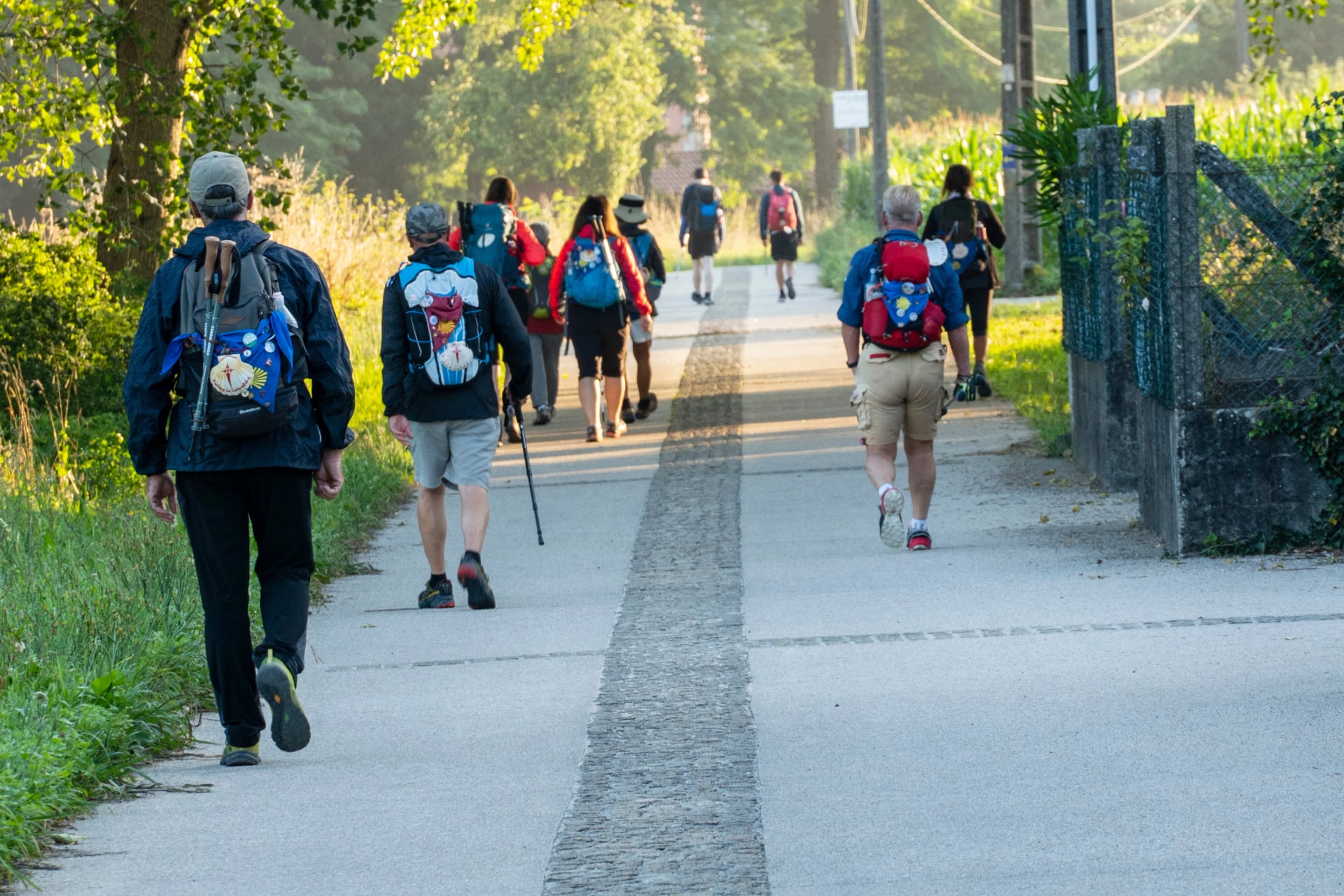
Evening (6:00-10:00 PM)
Final nights feature celebration dinners emphasizing incredible seafood—percebes, mariscada, pulpo, local wine. Sunset viewing becomes sacred ritual at lighthouse or sanctuary. Conversations shift from "where are you going?" to "what happens next?" Sleep comes differently—no alarm, no stage planning. Just ocean sound, body's exhaustion, and mind's peaceful processing. Many describe this as most restful night of entire Camino.
Food on the Way: Costa da Morte Culinary Treasures
The Camino Finisterre showcases Galician coastal cuisine distinct from interior routes, emphasizing fresh Atlantic seafood, traditional preparations, and specialties unique to this treacherous coast.
Certificates: Fisterrana & Muxiana
Unlike other Caminos earning the Compostela in Santiago, walking Finisterre qualifies for different certificates created specifically recognizing this ancient route's unique significance.
Understanding the Finisterre Certificates
The Fisterrana and Muxiana represent official acknowledgment of completing pilgrimage to the literal edge of the known world—walking not toward Santiago but beyond it to coast.
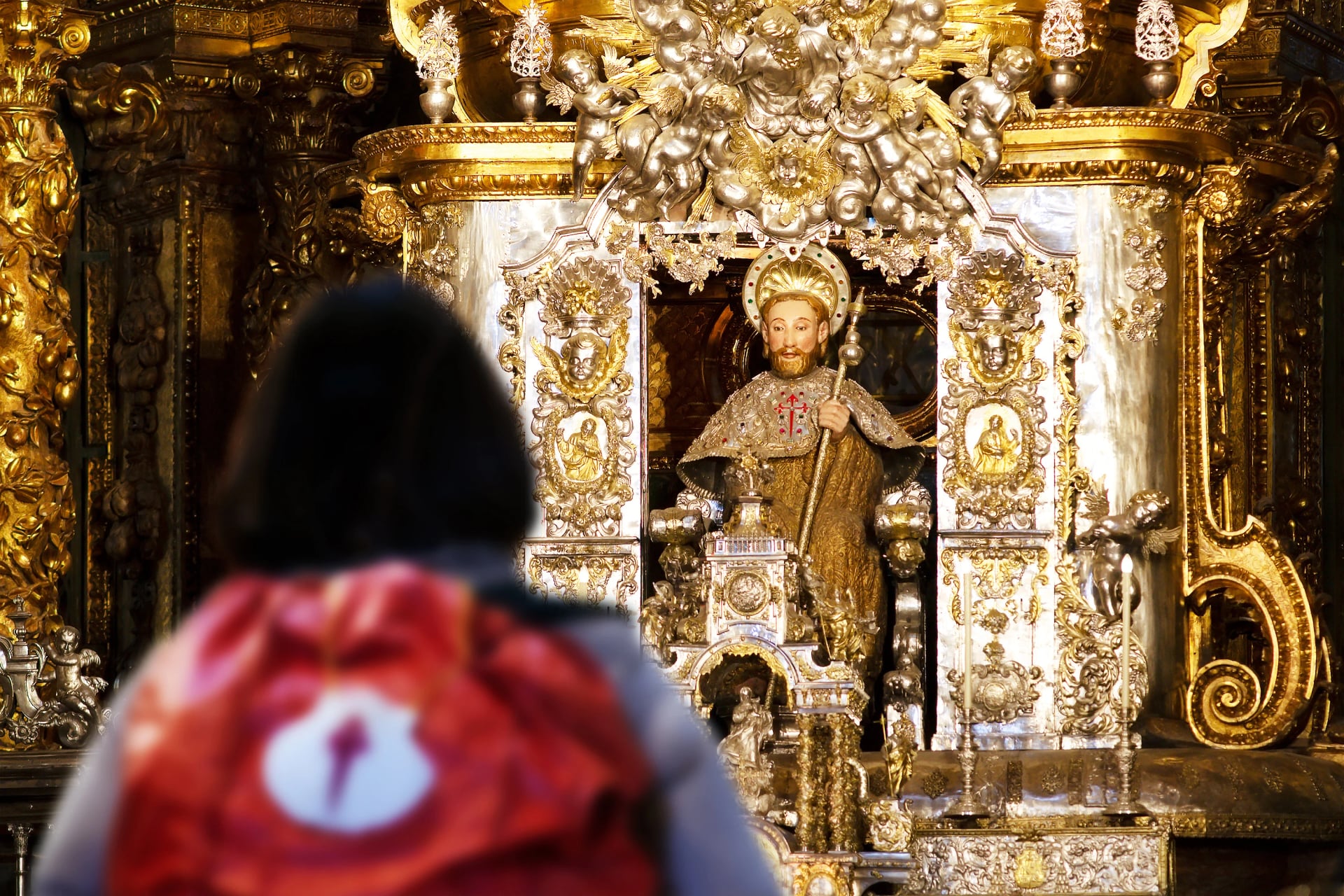
The Finisterre Certificate
Obtained at: Finisterre Tourist Office (Calle Real) or Municipal Albergue (Calle Real, 2)
Requirements: Stamped credential showing Santiago→Finisterre journey with minimum 2 stamps daily
Created: 1997 by Finisterre Town Council recognizing route's growing popularity
Cost: Free
Significance: Official recognition of reaching "Finis Terrae" (End of the Earth)
Design: Features cape lighthouse image and Galician text certifying completion
The Muxía Certificate
Obtained at: Muxía Tourist Office (Constitución Square, 31) near sanctuary
Requirements: Stamped credential showing Santiago→Muxía journey with regular stamps
Created: Similar timeframe to Fisterrana (late 1990s)
Cost: Free
Significance: Recognition of reaching Virgin da Barca sanctuary and sacred coastal destination
Design: Features sanctuary and mystical stones imagery
Our experts created a separate Camino certificate guide for you to get a better understanding of how they work.
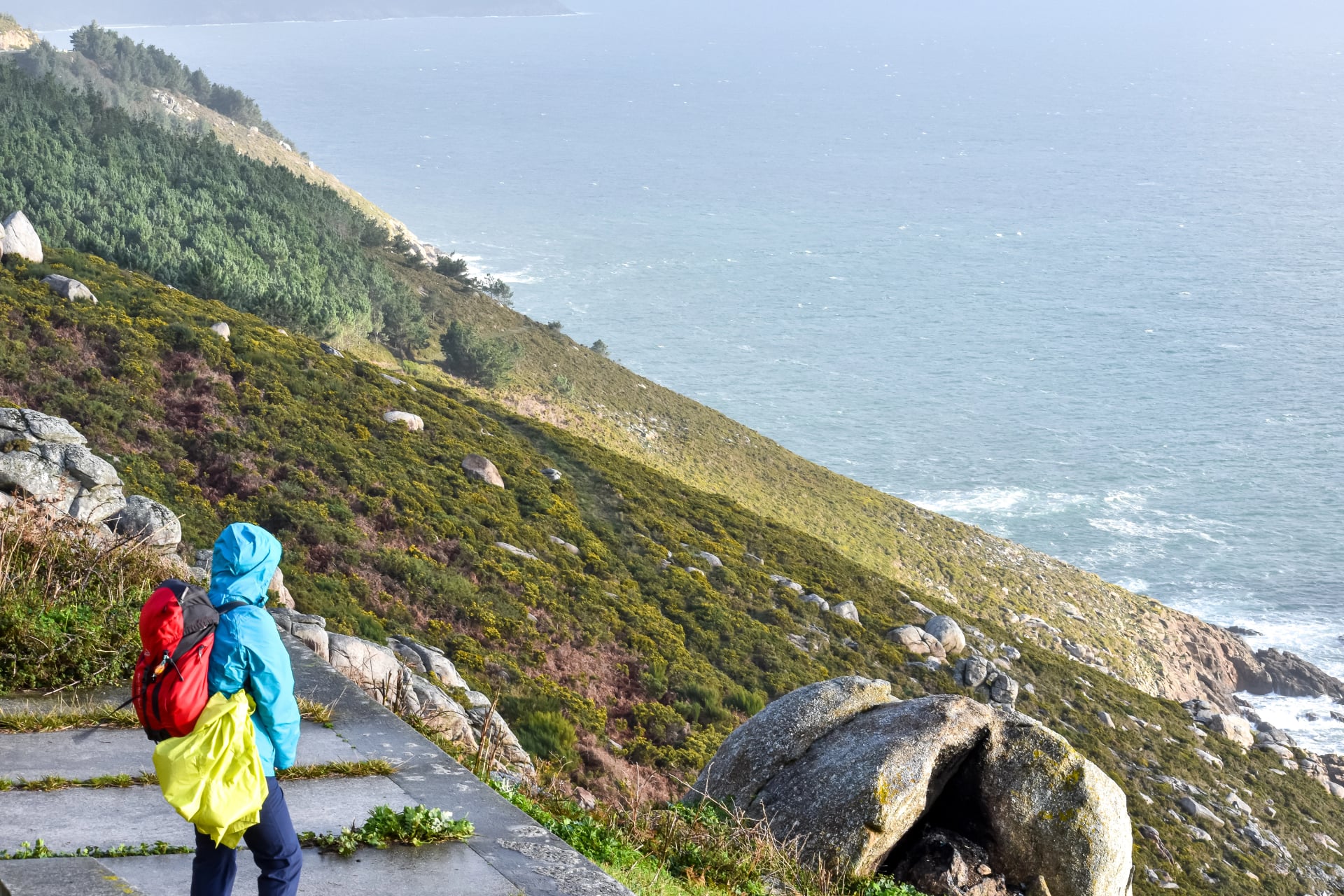
Can You Collect Both?
Absolutely! Pilgrims walking Santiago→Finisterre→Muxía (or reverse order) collect both certificates by presenting credentials at each town's office showing the complete journey. The dual certificates testify to walking entire coastal circuit experiencing both legendary destinations.
Many pilgrims describe collecting both as deeply satisfying—Finisterre represents the iconic "end of world" conclusion while Muxía adds spiritual sanctuary dimension. Together they bracket the Costa da Morte experience comprehensively.
Does the Finisterre Route Count Toward Compostela?
Generally NO—the Compostela requires walking TO Santiago, not FROM it. Walking Santiago→Finisterre or Santiago→Muxía earns Fisterrana/Muxiana but doesn't qualify for additional Compostela since you're moving away from required destination.
Exception: Reverse direction walking (Finisterre→Santiago or Muxía→Santiago) CAN earn Compostela IF total distance exceeds 100km minimum. For example:
Muxía→Finisterre→Santiago = ~120km total (QUALIFIES for Compostela)
Finisterre→Santiago = 90km (does NOT qualify—short by 10km)
Muxía→Santiago direct = 87km (does NOT qualify—short by 13km)
Some pilgrims intentionally start their entire Camino at Finisterre or Muxía, walking reverse to Santiago to earn Compostela while experiencing this route—though this reverses the traditional epilogue concept.
Why These Certificates Matter Despite Lesser "Official" Status
While Fisterrana/Muxiana lack the Cathedral's ecclesiastical authority behind Compostela, pilgrims often value them more deeply. Here's why:
The Compostela certificate proves you met minimum distance requirements: walked at least 100km to Santiago or cycled 200km. It's achievement-based, rule-following, and accessible to anyone meeting criteria.
The Fisterrana/Muxiana represent personal choice to extend beyond required arrival, honoring ancient traditions reaching back millennia before Christianity, and completing symbolic journey to literal edge. You didn't have to walk here; you chose to because something called you westward. Many pilgrims frame all three certificates together—Compostela flanked by Fisterrana and Muxiana—creating a triptych representing a complete spiritual journey: the walk to Santiago, the extension to Finisterre, the additional pilgrimage to Muxía. Together they tell fuller story than Compostela alone.
Collection Tips:
Tourist Offices keep regular hours (typically 10am-2pm, 4pm-7pm) but may vary seasonally
Bring your stamped credential—they'll verify stamps before issuing certificate
Free but donations to maintain route/facilities appreciated
Ask about history of certificates—office staff often know fascinating local details
Certificate text is Galician/Spanish but design communicates across languages
The certificates become cherished souvenirs proving you reached the edge of the earth, touched the Atlantic, and completed one of humanity's oldest continuous pilgrimages.
When to Go?
The Camino Finisterre's coastal Atlantic location creates year-round walking possibility with distinct seasonal characters. Understanding weather patterns, crowd levels, and natural phenomena helps choose optimal timing.
Best Months: Late Spring & Early Autumn
Late May through June and September through early October offer ideal Finisterre conditions combining comfortable temperatures, stable(ish) weather, and manageable pilgrim numbers.
Spring (May-June) advantages:
Temperatures range 15-23°C during day, 10-15°C at night—perfect walking weather without excessive heat
Landscapes incredibly green from winter/spring rains, wildflowers blooming throughout countryside
Ocean temperatures beginning warming (15-17°C)—cold but swimmable for hardy souls
Longer daylight hours (sunrise 7am, sunset 9:30-10pm June) allowing flexible timing and extended sunset viewing
Generally stable weather though rain always possible in Galicia (bring quality rain gear regardless)
Autumn (September-October) advantages:
Arguably the best overall season—weather patterns stabilize after summer, temperatures moderate to ideal walking range
"Golden hour" light throughout day creates spectacular photography conditions, especially coastal sunsets
Ocean still relatively warm (16-18°C) from summer heating
Harvest season brings fresh produce abundance in markets and restaurants
Fewer pilgrims than July-August peak while maintaining full infrastructure operation
Both shoulder seasons deliver optimal balance of pleasant weather, operational services, reasonable pilgrim numbers, and natural beauty at peak.
Summer: Peak Season Crowds & Reliable Weather (July-August)
July-August sees maximum pilgrims and warmest temperatures but coastal location moderates heat compared to interior routes.
Advantages:
Guaranteed good weather (though Galician saying warns "never trust Atlantic weather")—mostly sunny, minimal rain
Temperatures rarely exceed 25-28°C even peak summer thanks to ocean breezes providing natural cooling
Warmest ocean water (17-20°C)—most comfortable swimming conditions for those completing beach purification ritual
All services fully operational with extended summer hours at restaurants, shops, tourist offices
Maximum social atmosphere—meeting pilgrims from worldwide becomes daily occurrence
Long daylight (sunrise 6:30am, sunset 10pm July) enables early starts or late finishes
Disadvantages:
Accommodation must be booked 3-7 days ahead particularly in Finisterre and Muxía—spontaneous route changes become difficult
Prices increase 15-25% during peak season for hotels and private accommodations
More pilgrims mean less trail solitude (though Finisterre never becomes crowded like Francés peak season)
Coastal towns busier with Spanish holiday-makers and day-tourists from Santiago
Heat occasionally uncomfortable during afternoon walking, requiring early starts or midday breaks
Summer works excellently for those with inflexible vacation schedules (families with school-age children, workers with fixed holiday weeks) or wanting guaranteed weather eliminating rain concerns, though sacrifices some of Finisterre's characteristic peaceful atmosphere.
Spring: Unpredictable Beauty & Solitude (April-Early May)
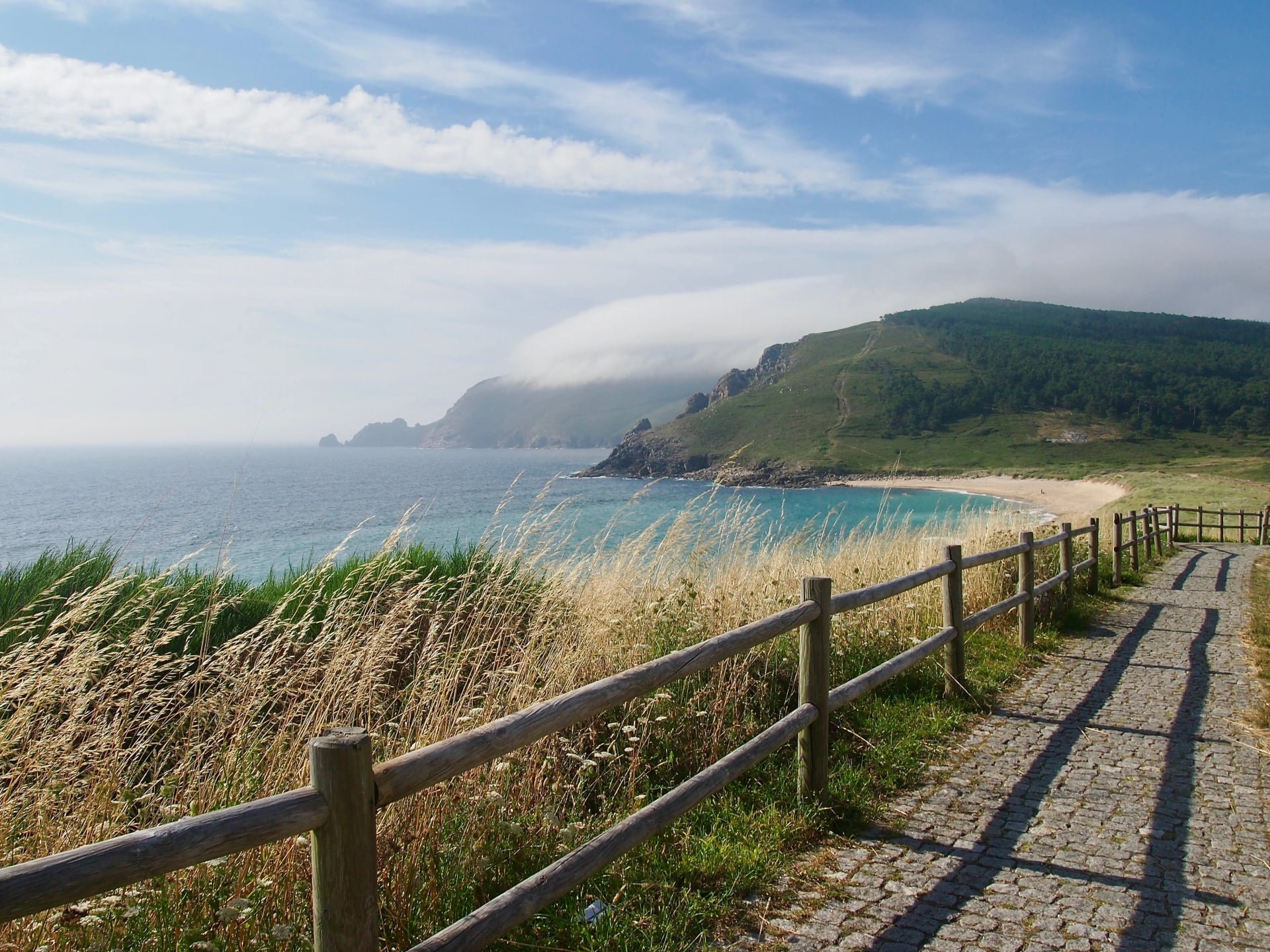
April through early May brings unpredictable weather creating both challenges and rewards for flexible pilgrims.
Advantages:
Spectacular green landscapes and wildflower blooms at peak—Galician countryside never looks more vibrant
Very few other pilgrims—genuine solitude on trails and intimate atmosphere in small coastal albergues
Lower accommodation prices (10-20% below summer peak)
Galician countryside at most verdant from winter-spring rains
Optimal bird migration season—coastal birdwatching opportunities exceptional
Disadvantages:
Weather highly variable—sunshine one hour, sudden downpour next; requires quality rain gear and flexible mindset
Some albergues still operating limited hours or closed until May 1st (particularly small private establishments)
Cooler temperatures (10-18°C) require layering and warmer sleeping bag
Ocean swimming quite cold (12-14°C)—only for truly hardy souls
Shorter daylight hours (sunset 8:30-9pm April) limiting evening exploration time
April/early May suits flexible pilgrims who can adjust plans based on weather forecasts and don't mind occasional challenging conditions for beautiful rewards and profound solitude. If you're continuing Camino Frances or other route finished in April, extending to Finisterre makes logical progression despite weather uncertainty.
Autumn: Golden Season Continuation (Late October-November)
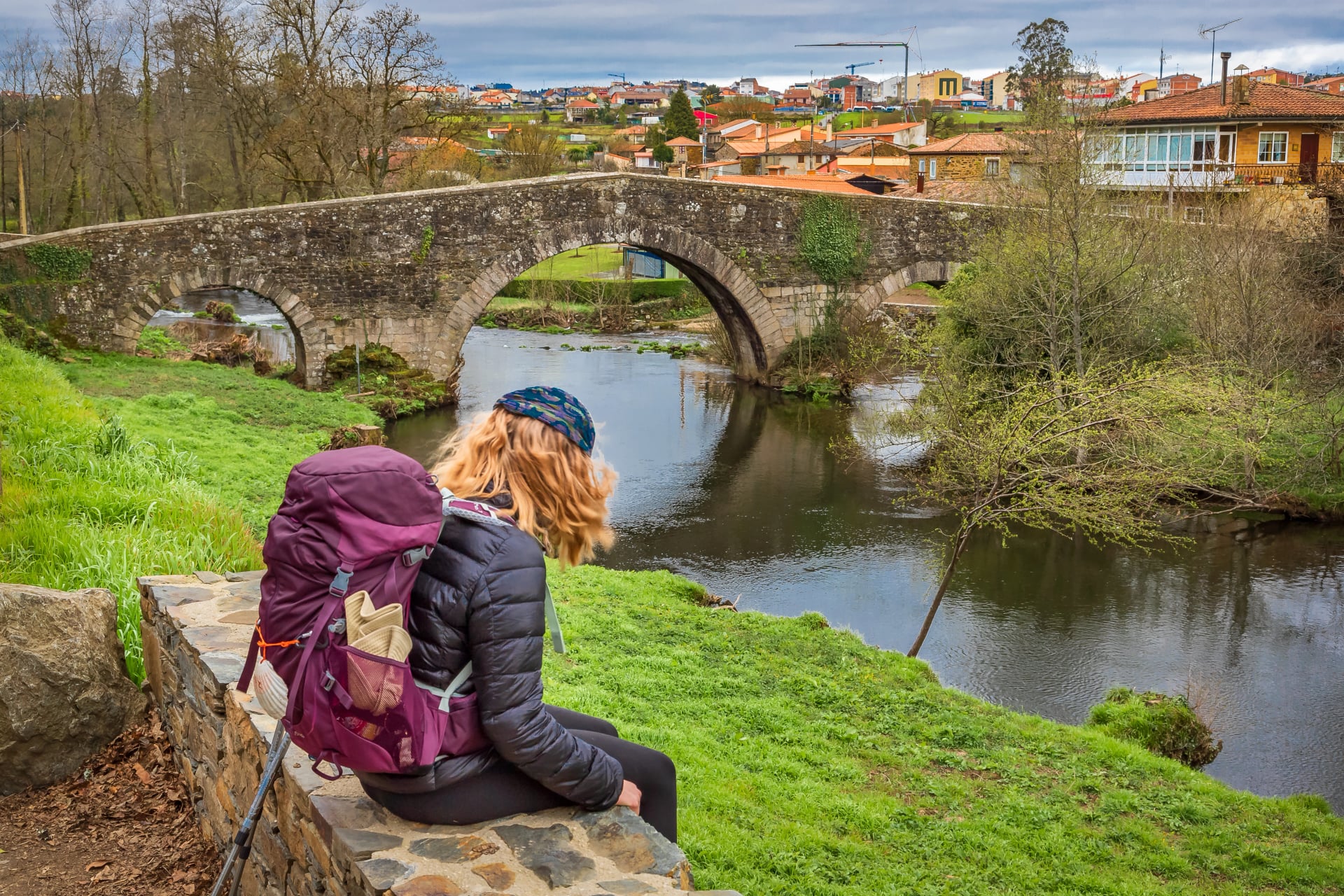
Late October into November represents season's tail end as autumn transitions toward winter but conditions remain walkable with proper preparation.
Advantages:
Autumn colors in eucalyptus and oak forests create spectacular scenery
Very few pilgrims—peak solitude period
Lower prices throughout infrastructure
Still-comfortable walking temperatures (10-16°C) with proper layering
Dramatic coastal storms (viewed from safety) showcase Atlantic's raw power
Disadvantages:
Many albergues close after October 31st (particularly small private establishments)—booking private rooms becomes necessary
Rain frequency increases significantly—expect wet days routinely
Cool nights (6-10°C) requiring warmer sleeping bag in albergues or accepting hotel costs
Short daylight hours (sunset 6-6:30pm November) limiting walking hours and sunset viewing timing
Late autumn works for experienced pilgrims comfortable with limited services, willing to book private rooms when albergues close, and accepting weather challenges in exchange for solitude and dramatic coastal atmosphere.
Winter: Viable But Wild (December-March)
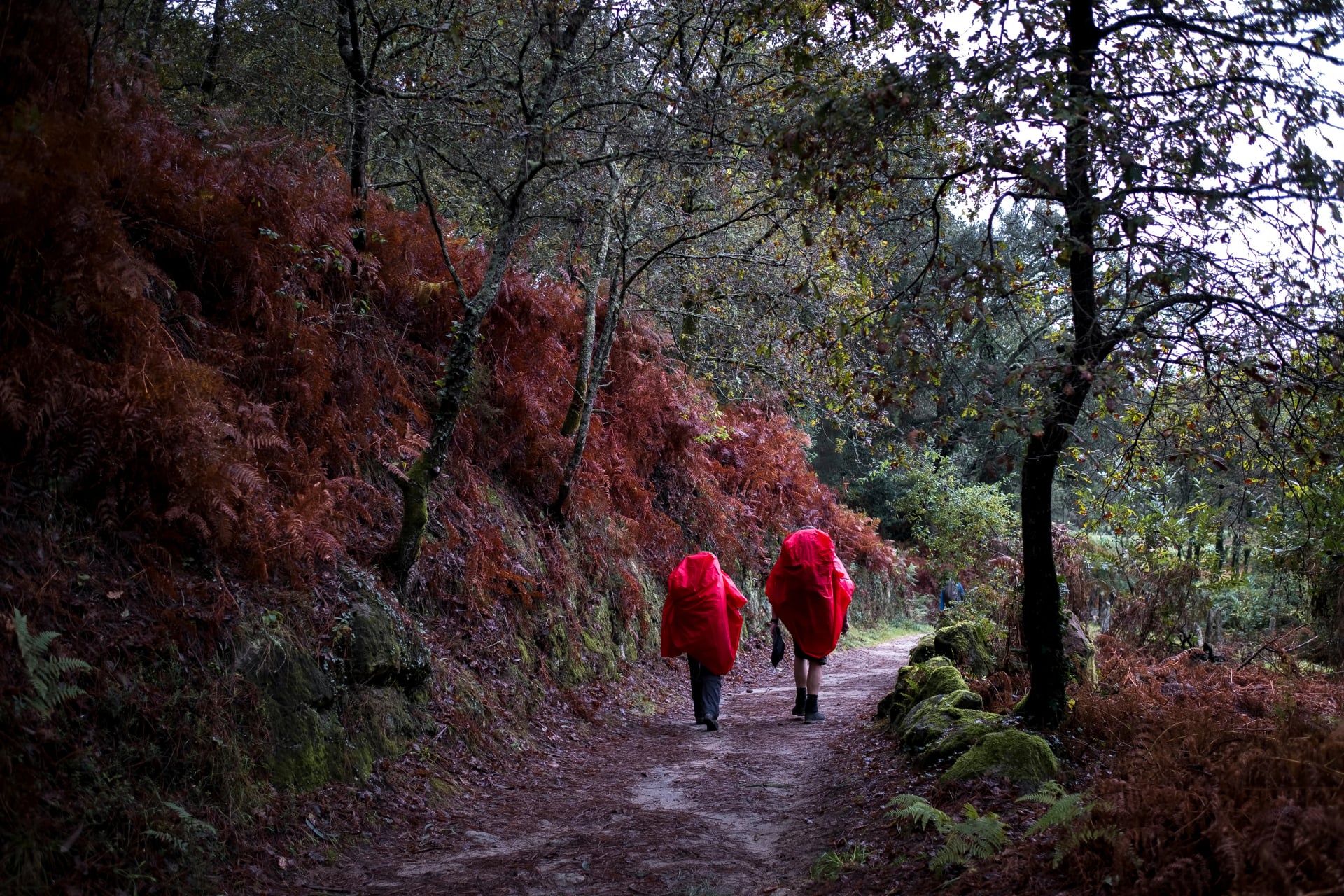
Unlike mountain routes becoming dangerous or impassable, the Finisterre's coastal sea-level location enables winter walking—no snow, no dangerous passes, and infrastructure maintaining at least minimal operations.
Winter conditions reality:
Frequent rain—expect wet days as normal rather than occasional (December-February especially)
Cool temperatures 8-14°C daytime, 4-8°C nights requiring quality layers and waterproofs
Short daylight (sunset 6pm December/January) severely limiting walking hours
Reduced infrastructure—maybe 30-40% of albergues operational; booking private rooms often necessary
Atlantic storms can create spectacular but occasionally dangerous coastal conditions
Winter appeals to:
Hardy pilgrims comfortable with solitude, wet conditions, and limited accommodation options
Those seeking profound quiet—you might be only pilgrim on trail for days
Experienced walkers with quality rain gear and realistic expectations
People wanting to experience Galician winter's raw Atlantic character
Winter requires: Quality waterproof gear, flexibility to take rest days during severe storms, acceptance of booking hotels/pensions when albergues close, and genuine comfort with extended solitary walking through rain. Choosing proper pilgrimage shoes is also key on your Finisterre journey.
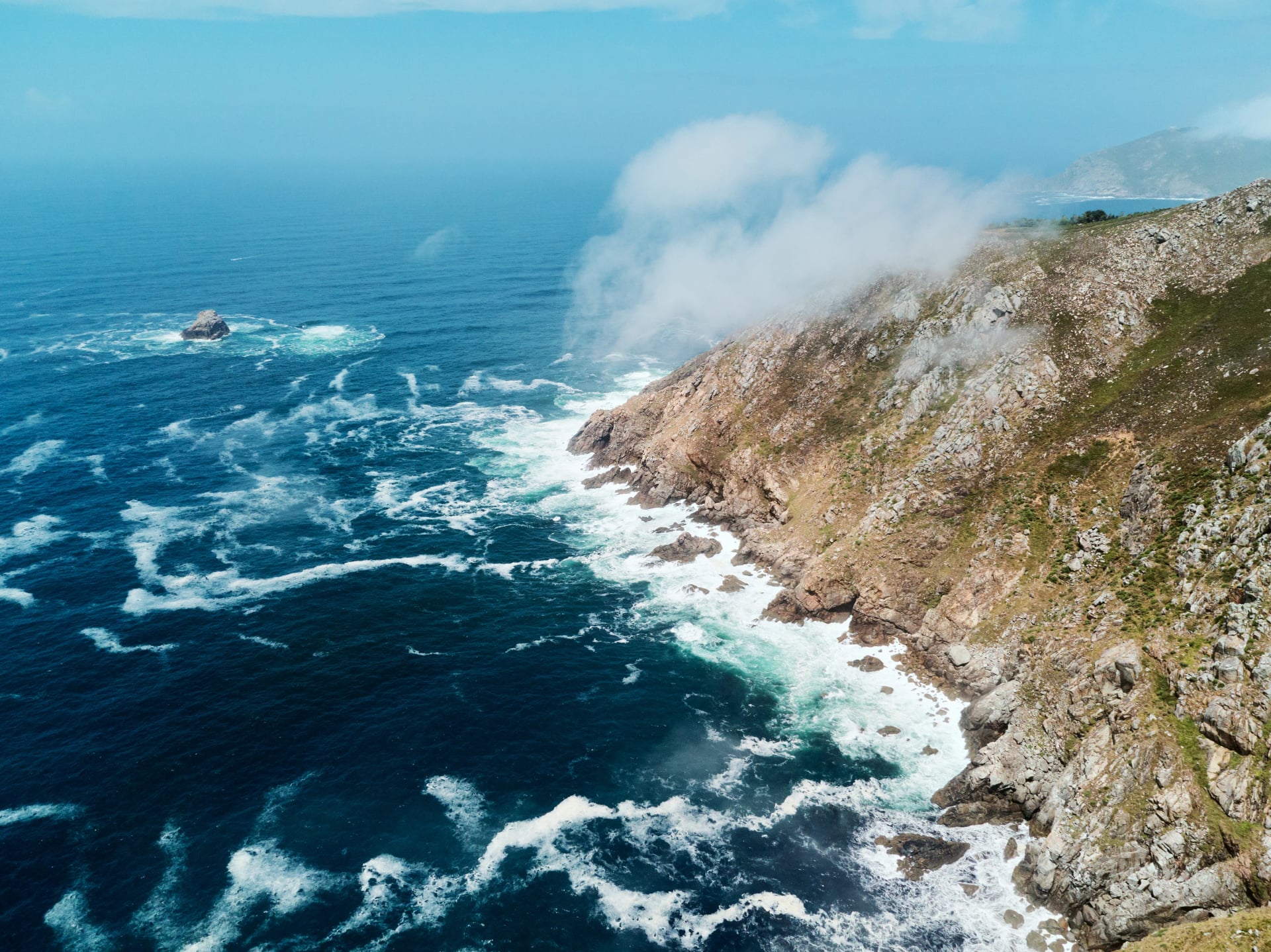
The profound quiet and empty trails reward those accepting challenges—watching winter storms from Finisterre lighthouse, having beach entirely to yourself, experiencing coastal fishing villages during off-season authenticity creates unforgettable memories for prepared pilgrims.
For comprehensive monthly breakdowns, temperature data, rainfall statistics, and detailed seasonal advice for all Galician coastal regions, consult our comprehensive Camino weather guide covering optimal timing for every route and personal preference.
History and Origins
The Camino Finisterre reaches back to pre-Christian times, attracting pilgrims and seekers long before Santiago became the main destination. Early travelers followed the Costa da Morte toward what they believed was the world’s edge—Finis Terrae (“end of the earth”) in Latin—shaped by ancient geographic ideas. At Cape Finisterre, the Ara Solis (“altar of the sun”) anchored Celtic-era ritual, tied to the sun’s nightly “death” into the Atlantic and its rebirth at dawn—symbols of renewal, endings, and transformation.
The name Costa da Morte (“Coast of Death”) is read in two ways: the place where the sun “dies” each day, or a grim nod to the long maritime history of shipwrecks and loss in these waters. With the spread of Christianity and the rise of the Camino de Santiago, Finisterre became a powerful epilogue—pilgrims reached Santiago, then continued west for a final, more elemental closing chapter.
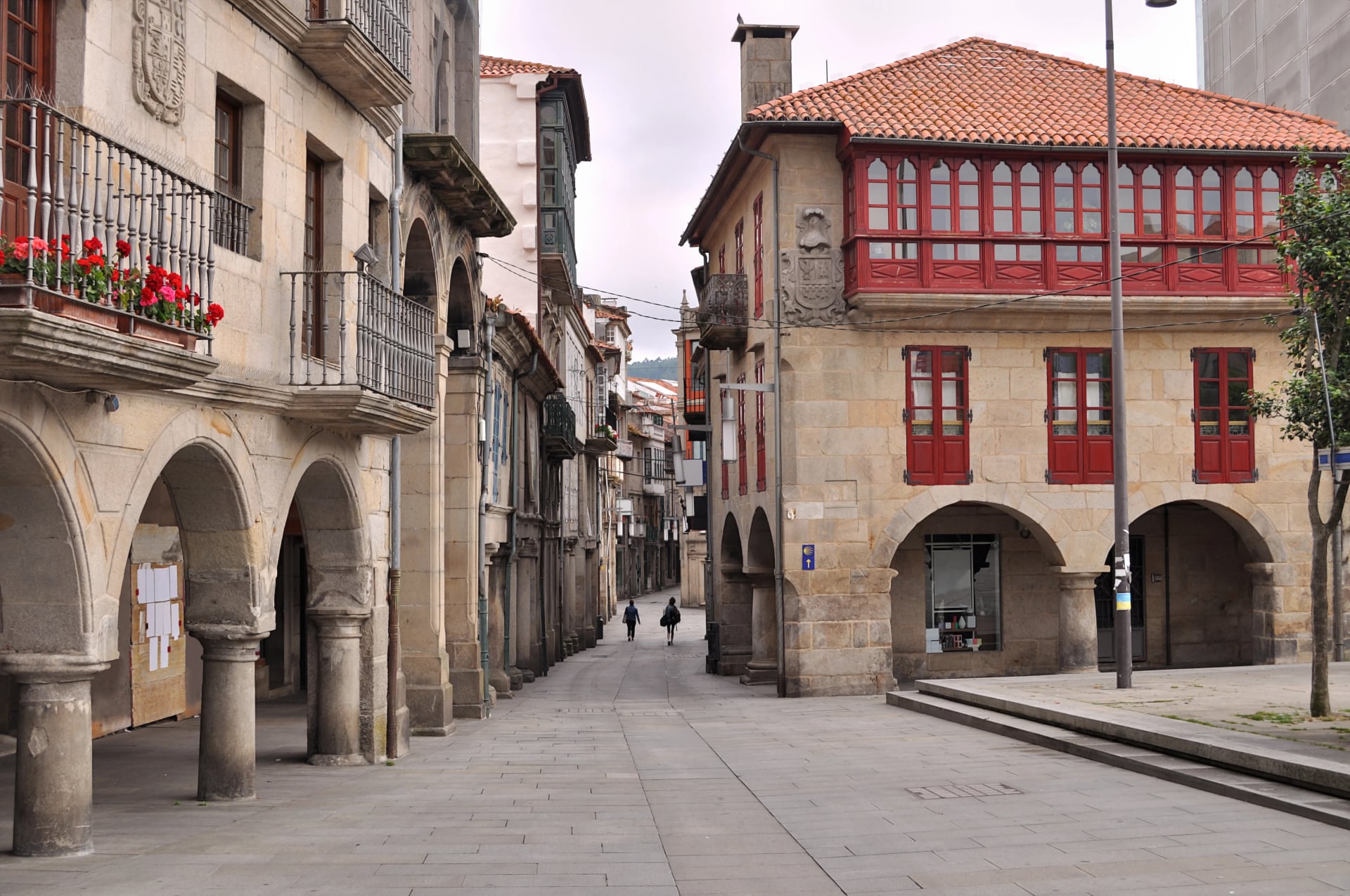
Tradition links the route’s shift to the legendary destruction of Ara Solis altar by St. James himself, followed by Christian sanctuaries replacing older sacred sites as part of a broader church strategy of integration. Even so, Camino Finisterre was never fully recognized as an official Camino route: it remains an extension, offering certificates like the Fisterrana/Muxiana rather than the Compostela. In the 20th-century revival of the Camino, the Finisterre extension became increasingly popular, boosted by dedicated certificates (introduced in 1997) and local promotion.
Muxía developed its own draw through the legend of the Virgin Mary arriving by stone boat, with the Sanctuary of Virxe da Barca turning the coastline into a dual-ending tradition—Finisterre, Muxía, or both.
For more comprehensive historical context about all Camino routes and their development through medieval periods to modern revival, explore our detailed Camino de Santiago ultimate guide covering the complete network's fascinating evolution.
Ancient Rituals & Modern Traditions
The Finisterre pilgrimage carries unique traditions spanning millennia—from pre-Christian Celtic practices to modern environmental consciousness. Understanding these rituals enriches the experience while respecting contemporary restrictions.
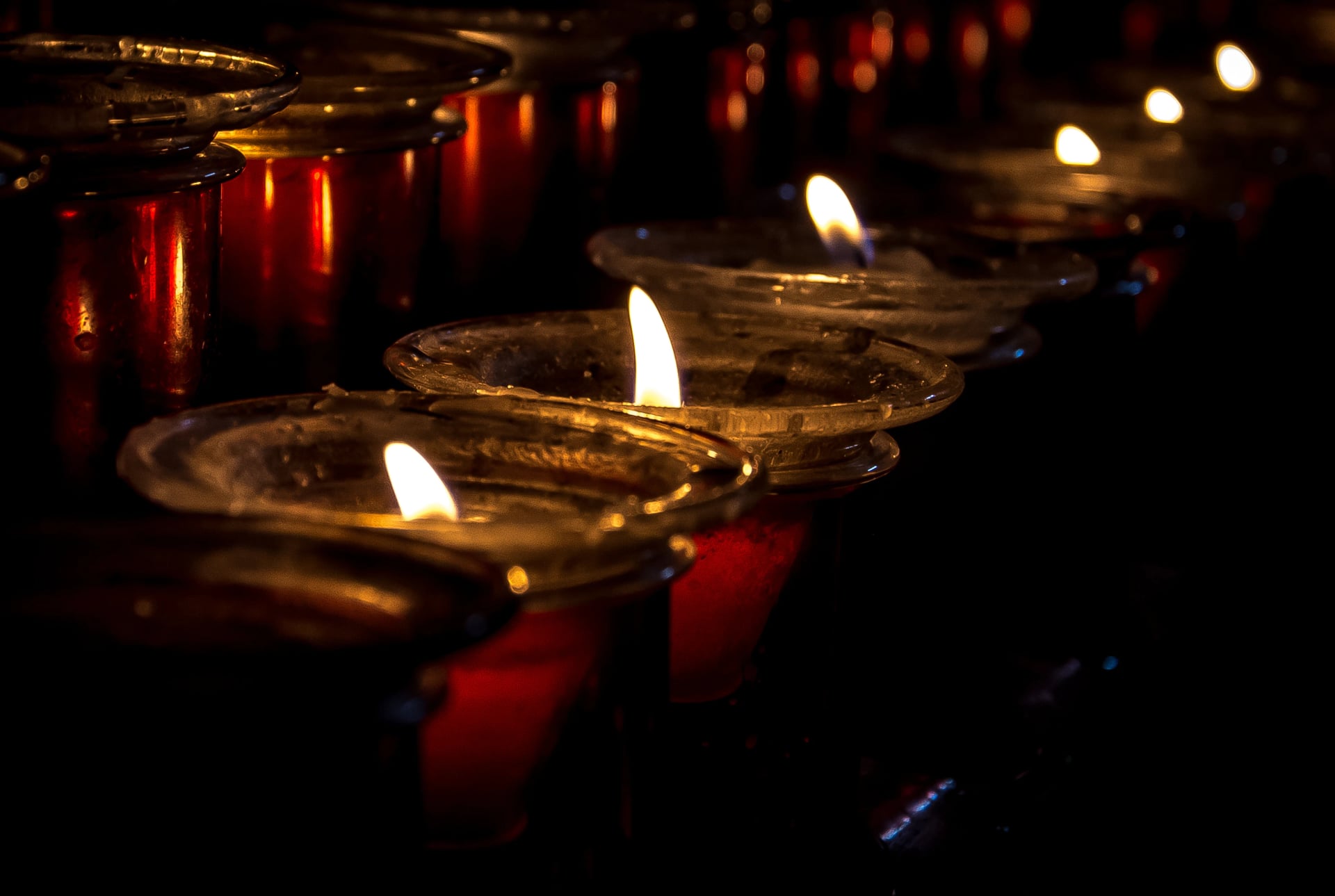
Pre-Christian Celtic Practices
Long before St. James, Celtic peoples performed three sacred rituals at Cape Finisterre creating traditions that echo (in modified form) today:
CRITICAL MODERN NOTE: This tradition is now STRICTLY PROHIBITED and ILLEGAL. Despite romantic appeal in guidebooks and online accounts, burning clothes/boots at Finisterre causes environmental damage, creates fire hazard (strong coastal winds spread flames rapidly), and results in fines from authorities. In 2024, multiple wildfires started from pilgrims illegally burning items, endangering protected landscape and other visitors. DO NOT BURN CLOTHES—respect the environment and law.
Modern Acceptable Practices
What NOT to Do
Burning clothes/boots - illegal, environmentally harmful, extreme fire risk with Atlantic winds
Leaving shoes/clothing at cape - Littering creating trash problem requiring municipal cleanup
Taking stones from protected formations - Some coastal geological features legally protected; removing them carries fines
Swimming in dangerous conditions - Atlantic currents and waves can be treacherous; heed warning flags and local advice
Disrespecting sanctuary space - Muxía's Virxe da Barca sanctuary remains active religious site; maintain appropriate decorum
Graffiti or defacing markers - The 0.0km marker, lighthouse walls, and waymarking deserve preservation not vandalism
The landscape you're visiting represents millennia of human spiritual connection. Respecting it through responsible practices ensures future pilgrims experience the same profound sense of reaching earth's edge, where land meets infinity and transformation becomes tangible.
Terrain & Difficulty
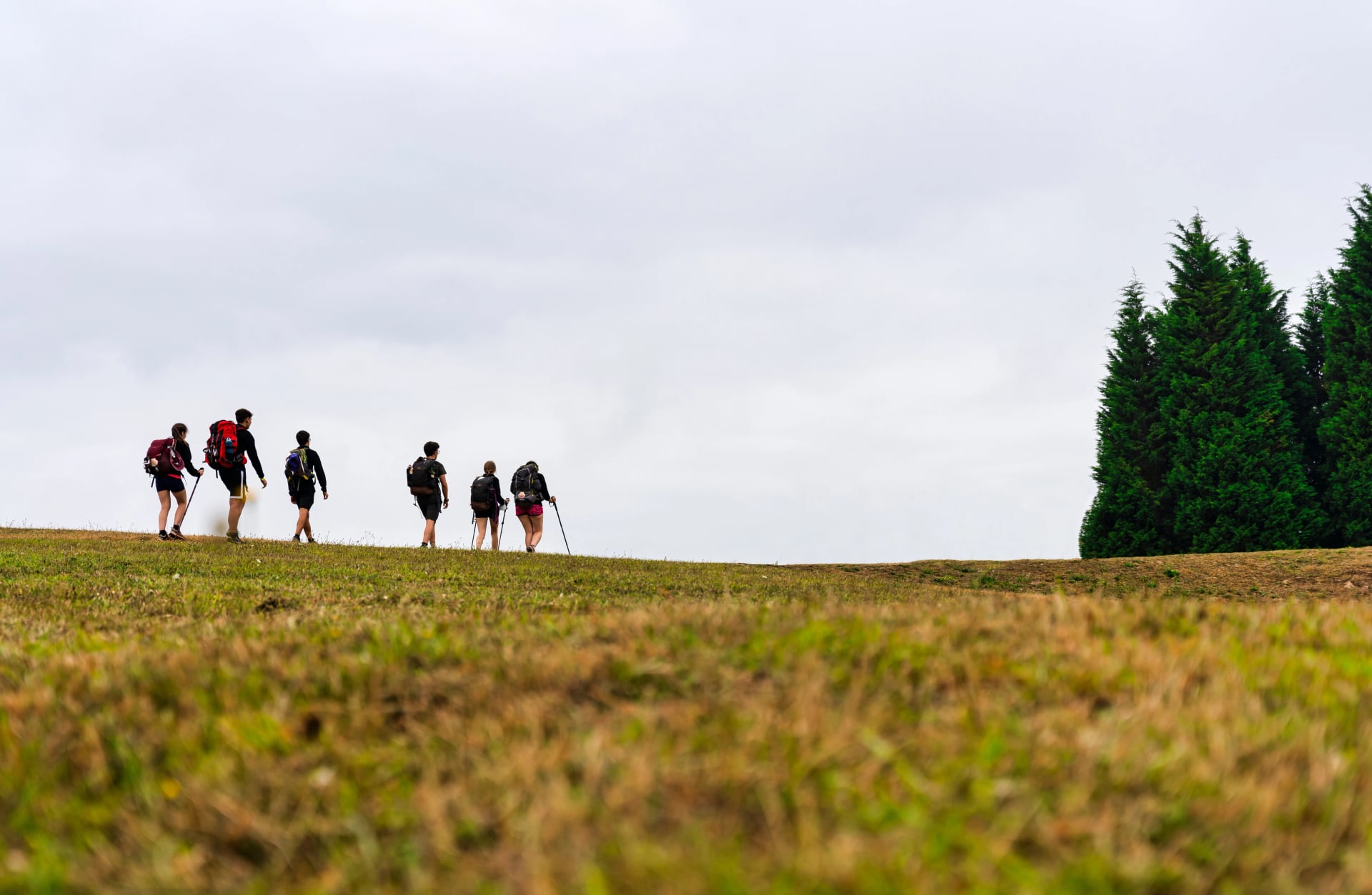
The Camino Finisterre is mostly gentle over 3–5 days.
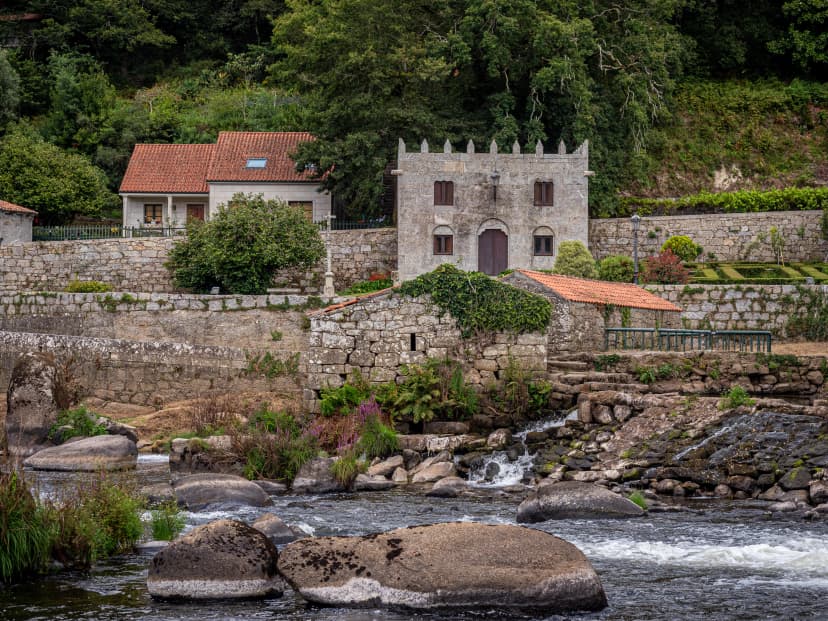
Days 1-2: Gentle Galician Countryside (Santiago to Olveiroa) follows predominantly rolling hills and valleys on a mix between packed dirt paths, quiet roads, and short village paving, with one notable bump at Alto do Mar de Ovellas (~400 meters), plus dependable waymarking and frequent Traditional Galician villages for simple stops.
Days 3-4: Transition to Coastal Character (Olveiroa to Finisterre/Muxía) stays moderate—but atmosphere turns Atlantic as Eucalyptus forests and a steady The final approach bring easier gradients and bigger ocean views. Coastal Sections: Easy Walking with Spectacular Views finish on flatter coastal paths and promenades, with the Langosteira Beach finale and The connector route between Finisterre and Muxía (28km) for an extra scenic extension.
Overall Difficulty Assessment
The Camino Finisterre rates 2/5 for both technical difficulty and fitness requirements—among the easiest Camino routes and accessible to beginners, families, or those seeking gentle conclusion after harder routes. Training for the camino should be taken seriously.
Most challenging aspects:
Alto do Mar de Ovellas climb (Day 1)—modest but route's only sustained ascent
Cumulative distance (90-118km total) for those unused to multi-day walking
Weather variability—rain making paths muddy and slippery, wind on exposed coastal sections
Coastal connector's 28km length if walking both destinations in single day
Easiest aspects:
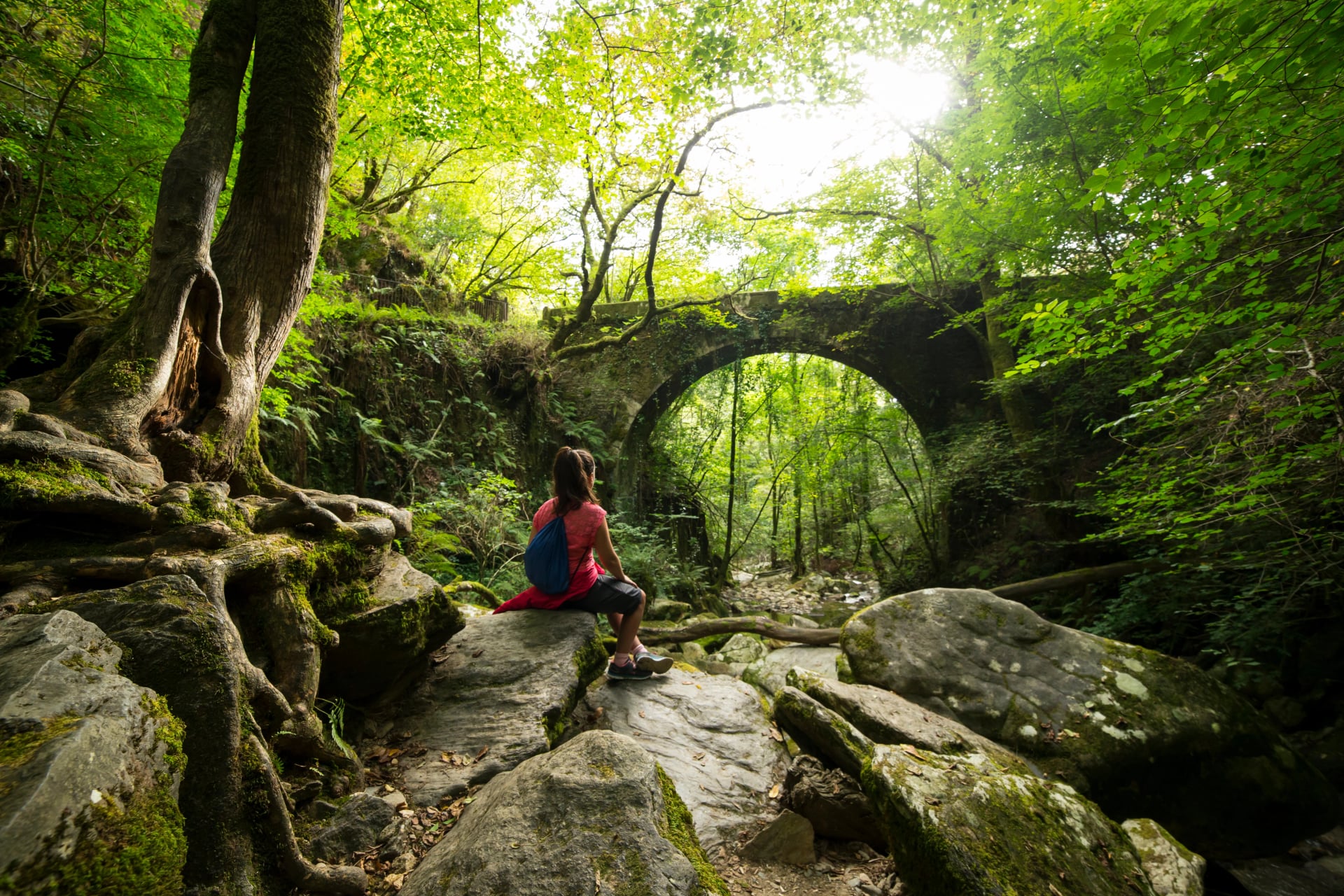
No extreme elevations—highest point just ~400m
Gentle daily distances (20-30km) allowing leisurely pace
No technical challenges—no stream crossings, rock scrambles, or dangerous exposures
Frequent towns and services (never truly remote)
Coastal sections virtually flat
With average fitness and proper preparation, most pilgrims complete the Finisterre extension comfortably. It's particularly suitable for those finishing longer, harder routes (Primitivo, del Norte) wanting easier epilogue, families with children capable of 20km days, older pilgrims, or anyone recovering from minor injuries on gentler terrain.
If you're searching for detailed preparation information and comprehensive packing lists for the Camino Finisterre, visit our ultimate Camino guide essential gear, etiquette, walking strategies across all routes and much more.
Infrastructure
The Camino Finisterre's infrastructure provides adequate support for comfortable pilgrimage while maintaining less commercialized character than busiest routes—creating balance between essential services and authentic experience.
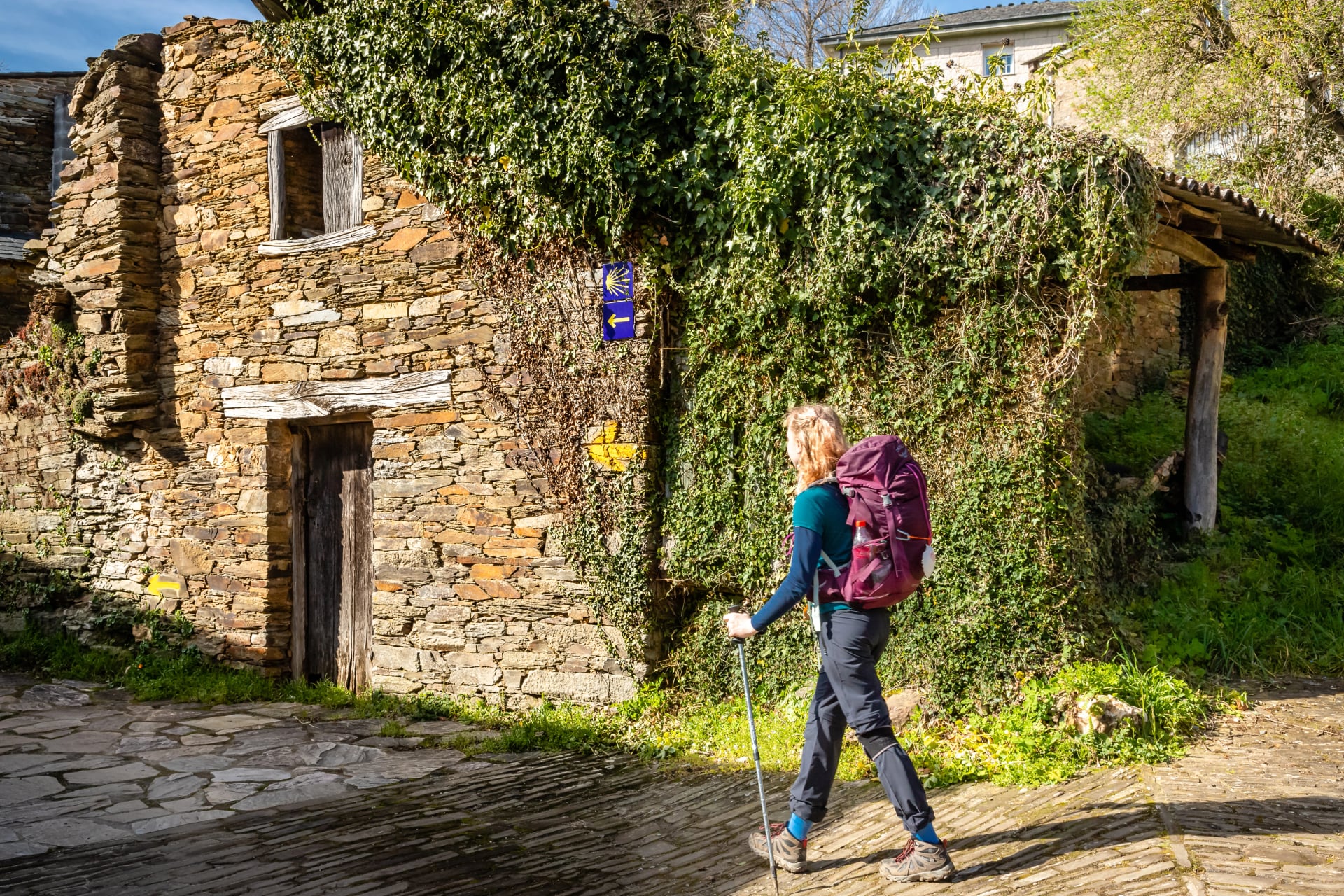
1. Food & Supply Access
The route passes through towns and villages where pilgrims purchase food and eat at local restaurants, with frequency adequate for comfortable journey.
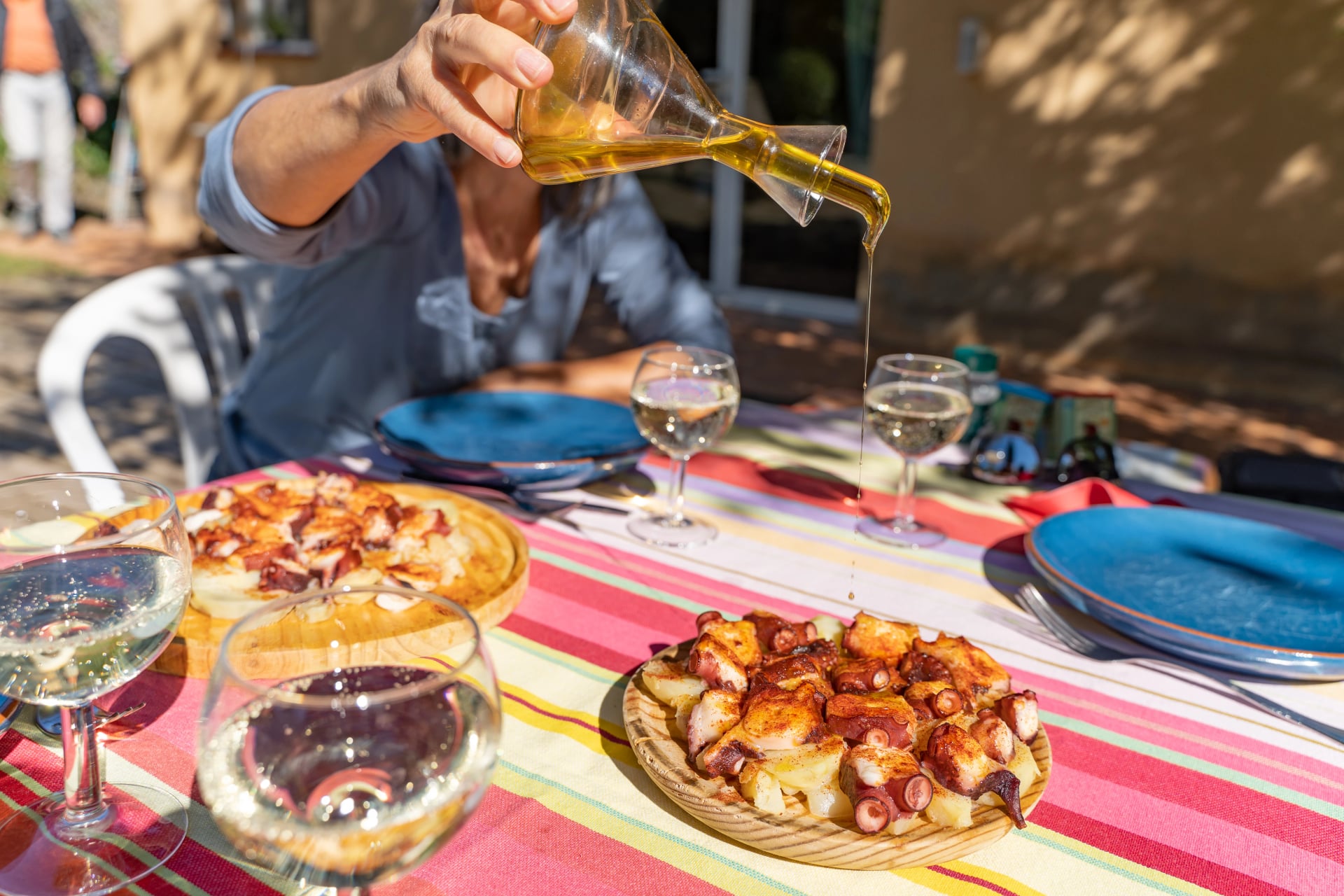
Bars and restaurants appear regularly along the route—rarely walking more than 8-12km without encountering café for coffee, snacks, or full meals. Most establishments serve Menú del Peregrino (€10-13 for three courses plus wine) at dinner, featuring Galician specialties increasingly emphasizing seafood approaching coast. Breakfast typically consists of coffee and pastries at bars rather than albergue-provided meals.
Grocery stores exist in larger towns (Negreira has supermarkets; smaller villages have basic tiendas selling bread, cheese, chorizo, water, and essentials). Olveiroa and some tiny hamlets offer minimal supply access—carrying extra snacks proves prudent between major towns.
Sunday closures affect shops and some restaurants—carry extra food if walking Sundays to avoid relying exclusively on expensive bar meals. The Spanish tradition of closing many businesses Sundays continues in rural Galicia.
Water availability remains excellent—fountains appear regularly along trails and in every village, providing fresh drinking water. Unlike hot, dry routes requiring carrying 3+ liters, Finisterre's moderate Atlantic climate and frequent water sources mean 1-2 liters suffices between towns.
The coastal destinations (Finisterre, Muxía) offer exceptional seafood restaurants showcasing fresh-caught Atlantic harvest—percebes, mariscada, pulpo, and local fish creating memorable final dinners celebrating journey completion.
2. Medical & Emergency Services
Larger towns provide healthcare facilities including pharmacies and medical centers adequate for pilgrim needs.
Pharmacies (farmacias, marked with green crosses) exist in major stops, providing over-the-counter medications for common pilgrim ailments: blisters, muscle pain, digestive issues, allergies. Pharmacists generally speak some English and help recommend appropriate treatments.
Medical centers in Negreira, Finisterre, and Muxía staff nurses and visiting doctors handling non-emergency issues. Santiago (route start) obviously offers full hospital services for serious problems before departure.
Emergency services (112 throughout EU) respond to problems. The coastal location and proximity to populated areas means help arrives relatively quickly compared to remote mountain routes—serious medical emergencies can be evacuated efficiently.
3. Transportation & Logistics
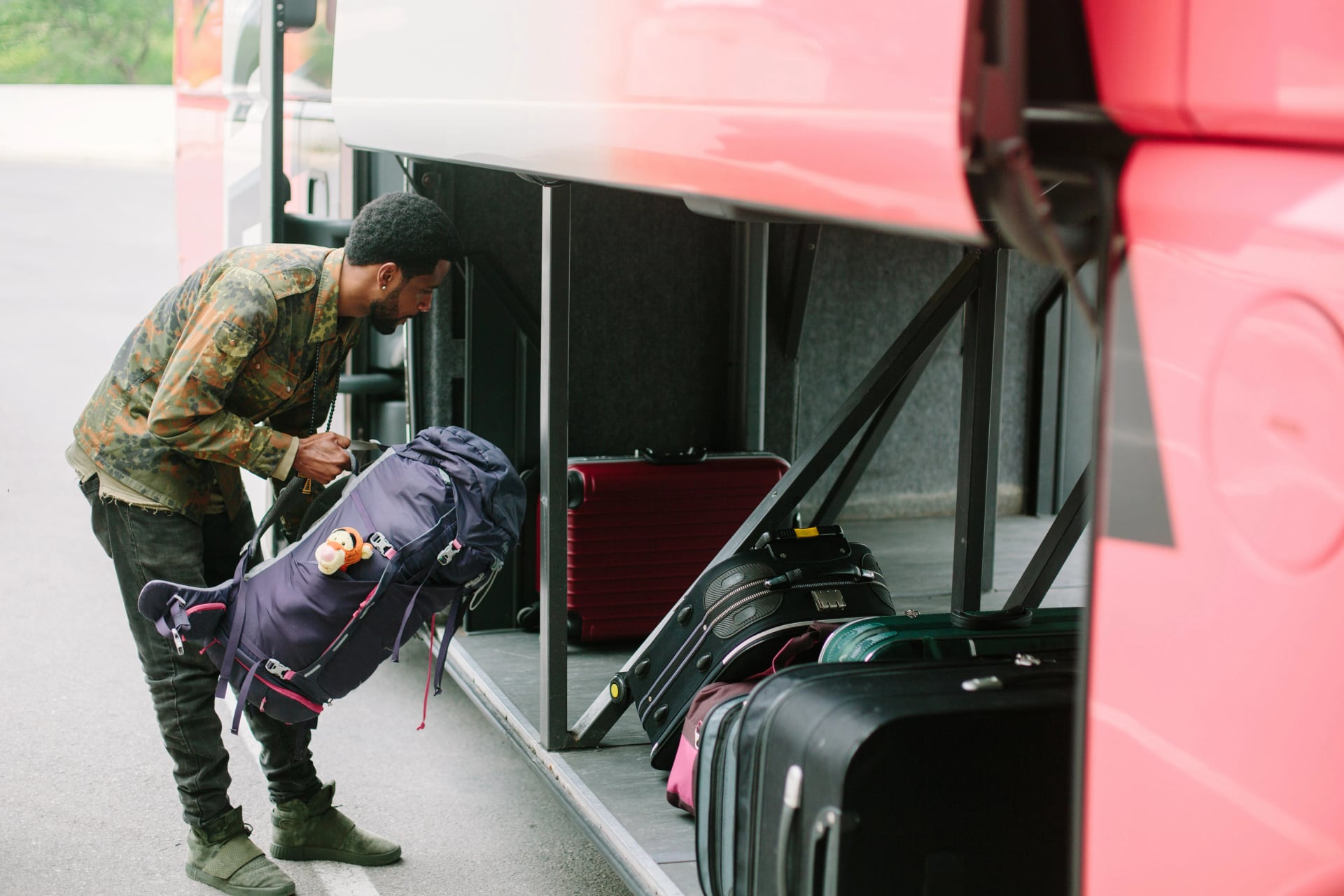
Bus services connect major points—Finisterre and Muxía to Santiago via Monbus operating multiple daily departures. Regular buses take 2.5-3 hours making multiple town stops; express buses complete journey in 1.5-2 hours. Cost ranges €7-15 depending on service and booking timing.
Taxis operate in coastal towns for emergencies, stage-skipping if injury forces modifications, or transport between Finisterre-Muxía for those not walking the connector. Local taxi numbers available at albergues and tourist offices.
Luggage transfer services operate on Finisterre routes, transporting backpacks from accommodation to next night's stop €7-10 per bag per stage. This allows walking with just daypack, significantly reducing physical strain. However, advance accommodation booking becomes essential when using luggage service—drivers need specific delivery addresses days ahead. Let our team know in advance if you would like to have luggage transfer along your journey.
4. Waymarking & Navigation
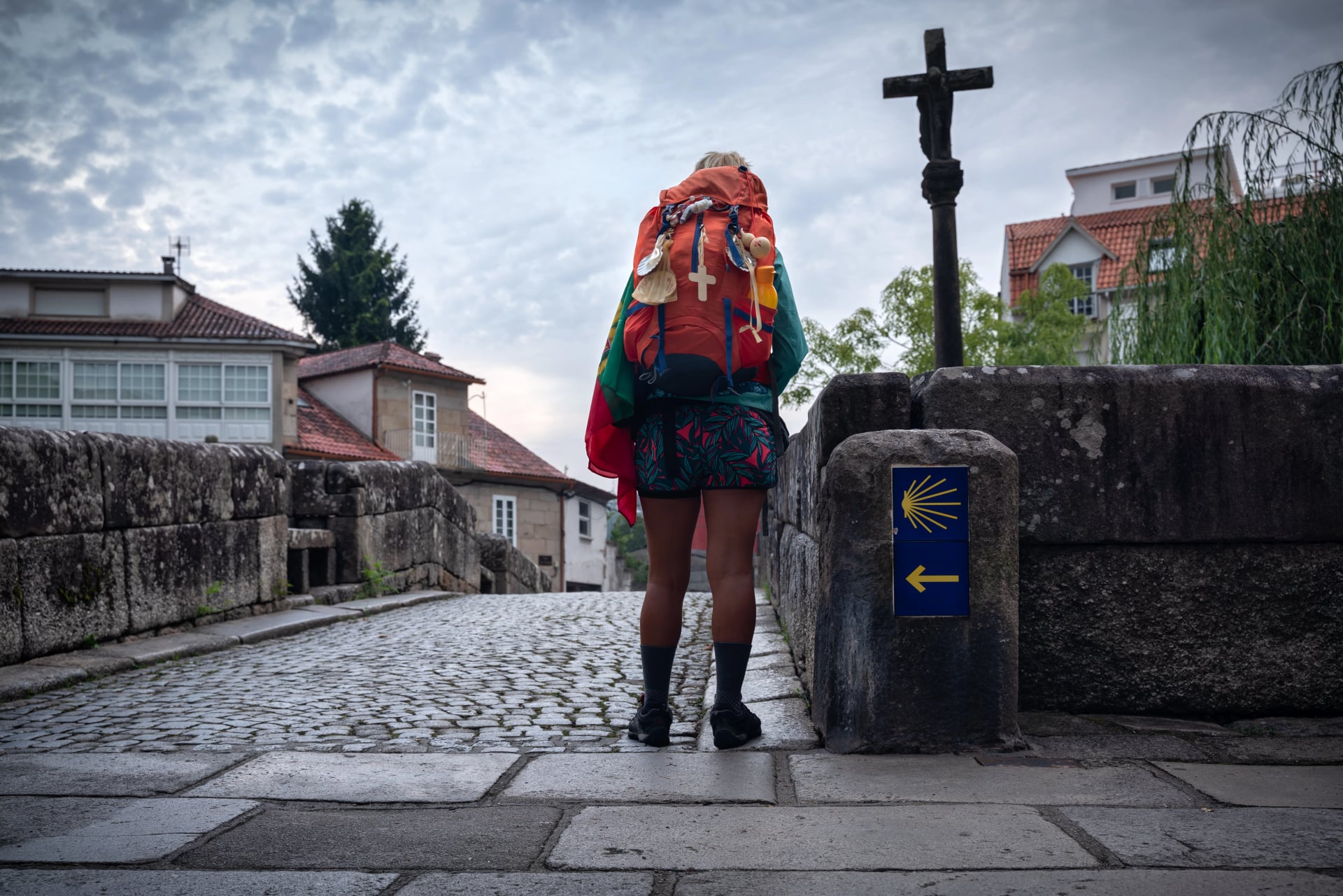
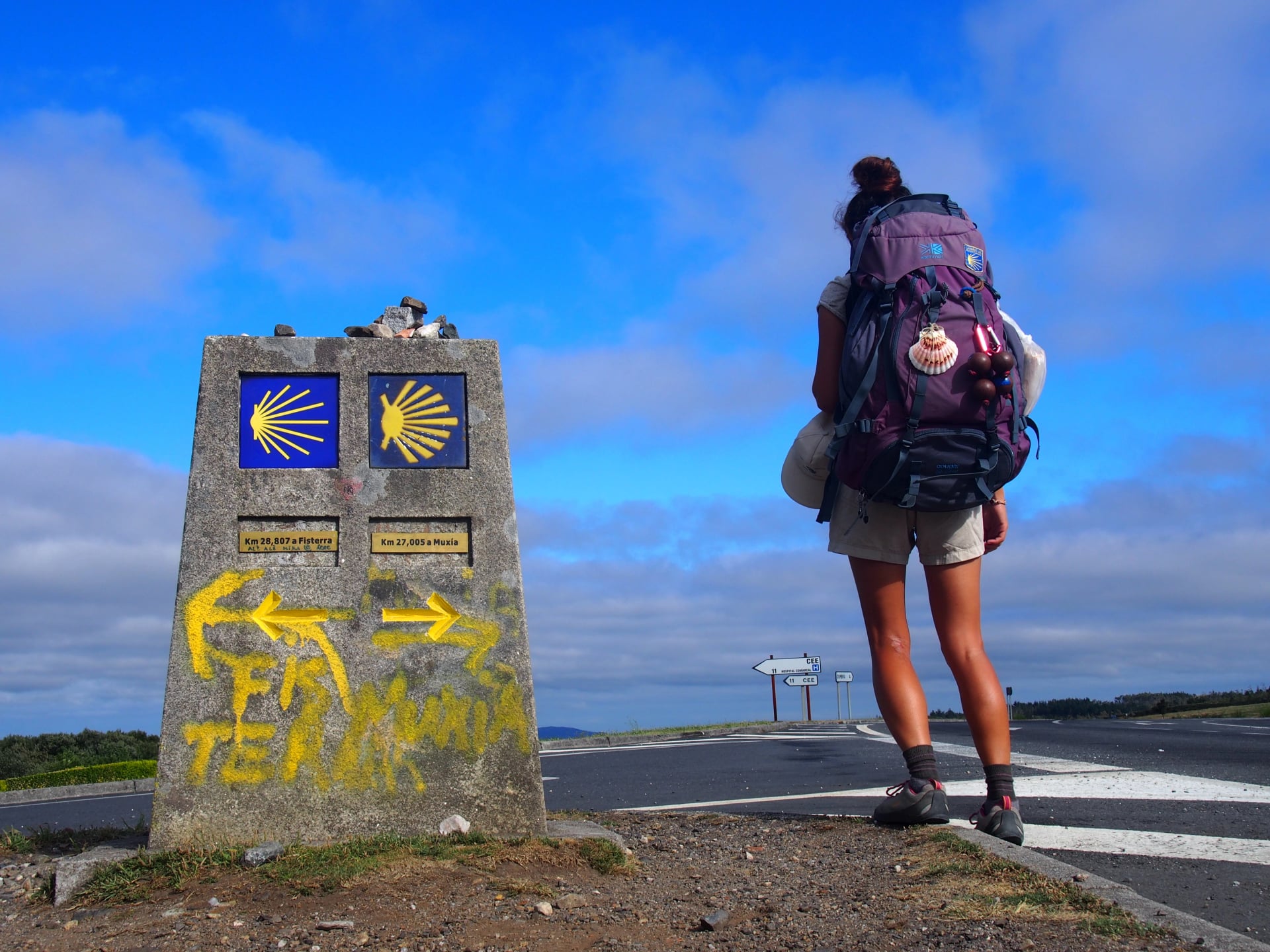
Trail waymarking proves excellent throughout—the familiar yellow arrows and scallop shell symbols appear consistently every few hundred meters, supplemented by concrete kilometer posts marking distance remaining to Finisterre (or Muxía after split).
Navigation proves straightforward on the Finisterre—the route follows obvious paths, signs appear at every junction where confusion might occur, and the coastal terrain lacks maze-like urban environments where getting lost becomes easy. Smartphone apps (Buen Camino, Wise Pilgrim) provide backup guidance if needed.
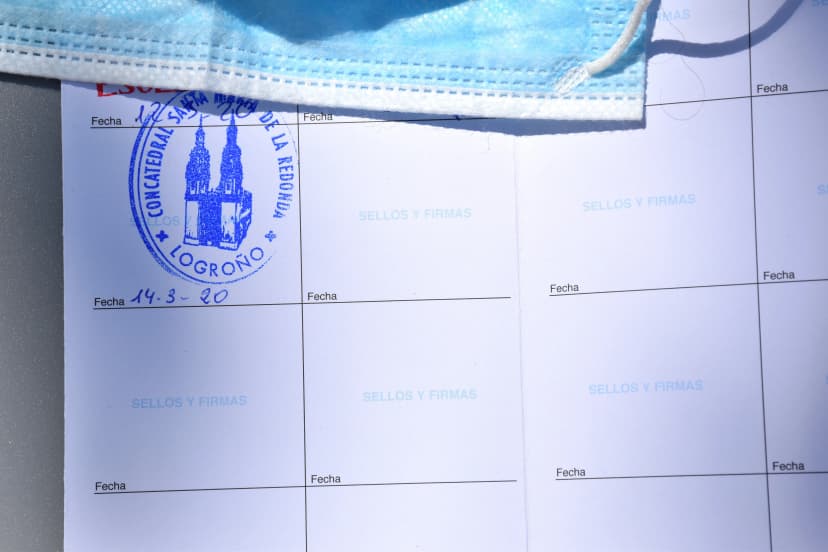
Credential stamps prove readily available—bars, cafés, albergues, and tourist offices all stamp credentials gladly. Many establishments display signs indicating stamp availability. Collecting required stamps for Fisterrana/Muxiana certificates (minimum 2 daily recommended) requires zero effort.
Overall Assessment
The Camino Finisterre's infrastructure adequately supports comfortable pilgrimage while preserving authentic character. It offers fewer services than busiest routes—requiring slightly more planning and occasionally accepting limited options—but maintains everything necessary for safe, enjoyable journey to coast. The balance appeals to pilgrims wanting authentic experience without extreme remoteness encountered on truly isolated routes.
How to Get to the Starting Point
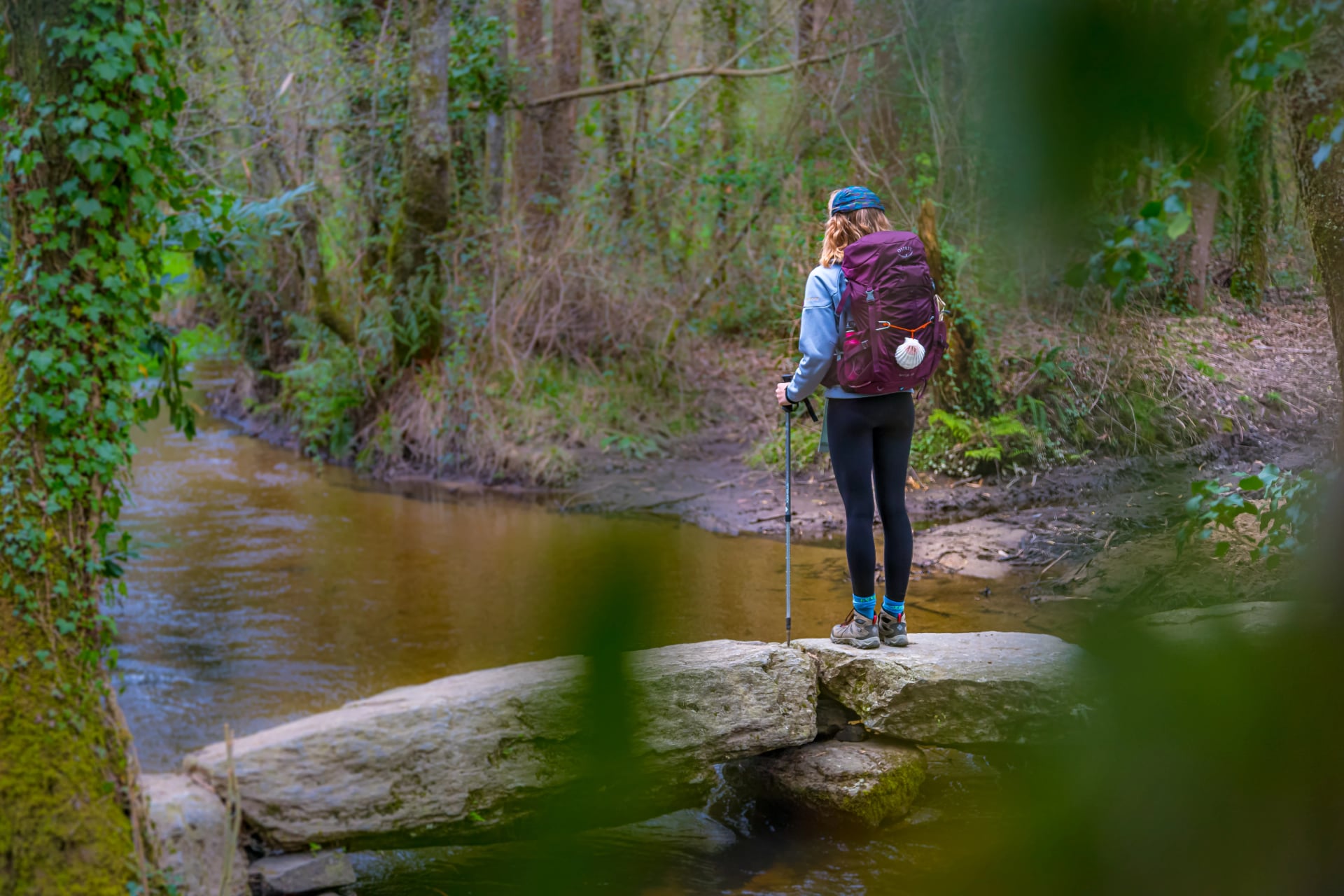
The Camino Finisterre begins in Santiago de Compostela, making access straightforward for pilgrims who've just completed another route or those arriving specifically for the coastal extension.
By Air
For international travelers, the most convenient access is Santiago de Compostela Airport (SCQ), hosting domestic and international flights. The airport serves direct connections from Madrid, Barcelona, major Spanish cities, and seasonal European destinations (London, Frankfurt, Paris, Zurich, and more).
From Santiago Airport to City Center:
Airport bus: Regular service to city center (€3, 30 minutes, departures synchronized with flight arrivals). Drops passengers near Cathedral and bus station.
Taxi: Fixed to city center (€21-25, 15-20 minutes depending on traffic and destination)
Rental car: Agencies at airport for those wanting vehicle flexibility
International travelers typically connect through Madrid (MAD) or Barcelona (BCN) if Santiago lacks direct service from origin city. Both hubs offer multiple daily Santiago connections via Iberia, Vueling, and other carriers.
By Train
Santiago connects to Spanish rail network via Renfe offering comfortable travel from major cities.
Direct train routes:
Madrid → Santiago: High-speed Alvia trains (5.5-6 hours, €35-70 depending on booking timing and class)
A Coruña → Santiago: Regional trains (45 minutes-1 hour, €6-12)
Pontevedra/Vigo → Santiago: Regional services (1-1.5 hours, €8-15)
From Barcelona, Bilbao, or other cities connections require transfers at Madrid or A Coruña but remain feasible. Book tickets at Renfe website or station.
Santiago's Estación de Tren sits ~2km from historic center/Cathedral. Walk 25 minutes through city or take taxi (€7-10) to reach starting point.
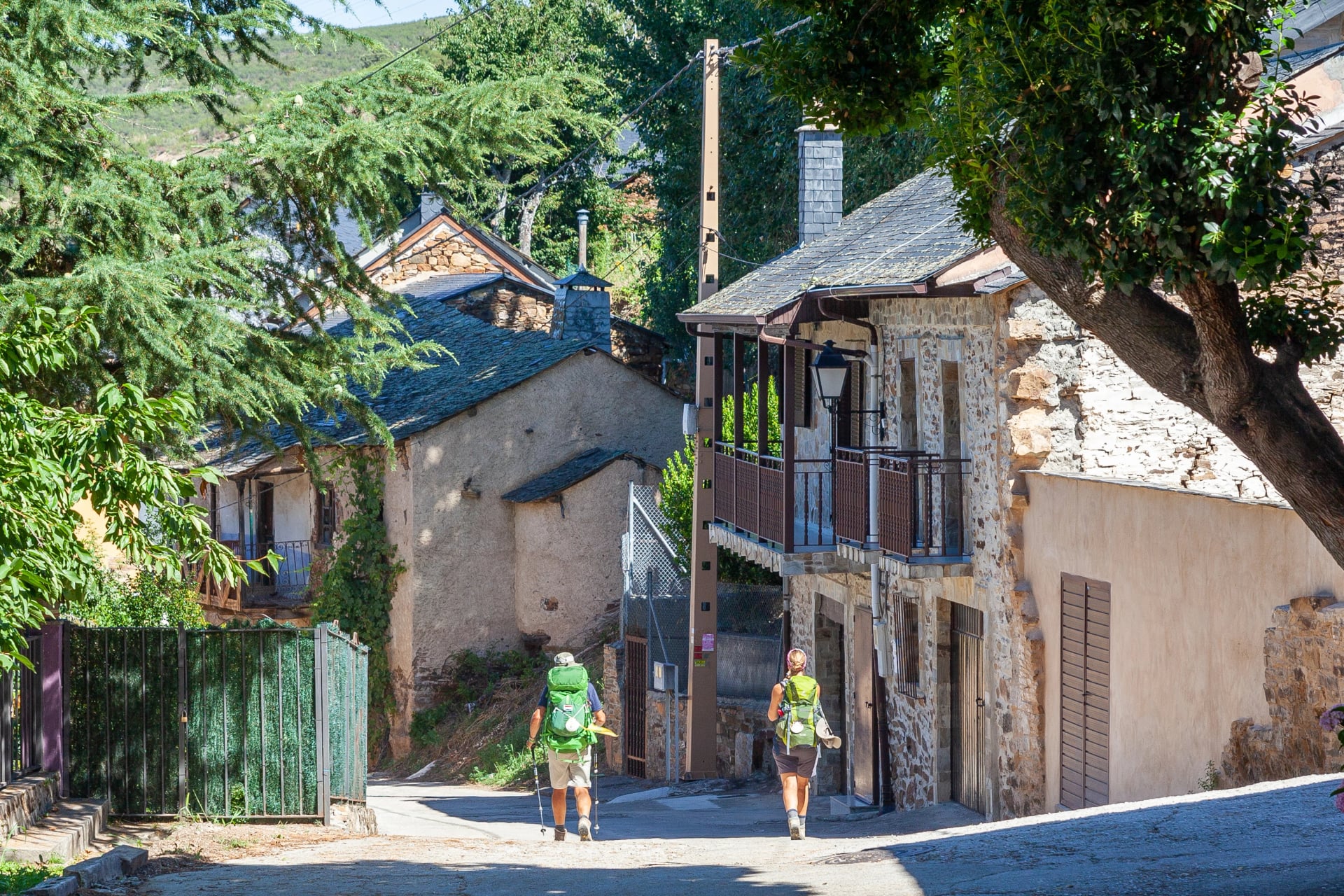
By Bus
Buses to Santiago provide economical choice from throughout Spain and some European cities.
ALSA operates extensive services:
Madrid → Santiago: Direct buses (7-9 hours, €30-50)
Barcelona → Santiago: Long-distance with connection (13+ hours)
Bilbao, San Sebastián, other northern cities: Regular connections
Santiago's Estación de Autobuses (bus station) is part of the Intermodal complex combining bus and train terminals. Located ~2km from city center—taxi or local bus reach Cathedral area easily.
Local Transportation
Transport Within Santiago
Once in Santiago, the compact historic center makes navigation easy on foot. Cathedral and traditional Camino Finisterre starting point (Praza do Obradoiro) lie within 15-20 minute walk from most central accommodations.
Local buses serve residential areas (€1.30/ride) though unnecessary for most pilgrims staying near center. Taxis cost €6-10 for short city trips.
Starting Your Coastal Journey
The official Camino Finisterre starting point is Praza do Obradoiro facing Santiago Cathedral—the exact spot where your previous Camino likely concluded. The symbolic turning away from Cathedral toward western ocean creates powerful moment many pilgrims photograph.
Credential stamping continues on Finisterre route using same credential from Santiago journey. Obtain stamps at Santiago albergues, bars en route, and coastal destination offices for Fisterrana/Muxiana certificates.
Most pilgrims rest 1-3 days in Santiago between Cathedral arrival and coastal departure—recovering from previous route, exploring the city, celebrating completion, and preparing mentally for epilogue journey. This pause proves valuable, transforming what could feel like continuous grind into distinct chapters.
Returning to Santiago and Beyond
After completing your Camino Finisterre pilgrimage at the Atlantic edge, efficient transportation returns you to Santiago for onward connections or allows continuing coastal exploration.
Bus Services
Monbus operates regular services from both Finisterre and Muxía to Santiago's Intermodal bus station.
Finisterre → Santiago:
Frequency: 5-7 daily departures (more in summer, fewer winter)
Express buses: 1.5-2 hours (limited stops)
Regular buses: 2.5-3 hours (stopping at coastal towns)
Cost: €7-15 depending on service type
Departure location: Finisterre Bus Station (Calle Real area, near Municipal Albergue)
Muxía → Santiago:
Frequency: 3-5 daily departures
Duration: 2.5-3 hours
Cost: €7-15
Departure location: Muxía Bus Station (near town center)
Booking recommendations:
Summer (July-August): Book 2-3 days ahead—buses fill with pilgrims and tourists
Shoulder seasons: 1 day ahead provides security
Winter: Usually walk-up purchasing works fine
Online booking: Available at Monbus website (Spanish/Galician but navigable)
On-location purchasing: Ticket offices at bus stations or buy from driver (cash preferred)
Tip for early morning flights: The earliest buses typically depart around 8:20am, arriving Santiago ~10:30-11am. If catching morning flight from Santiago Airport, you'll need previous night in Santiago or very early taxi to airport from coast (expensive €80-100).
Alternative: Finisterre ↔ Muxía Connection
Bus service also connects Finisterre and Muxía directly (without returning to Santiago) for those walking to one destination then wanting to visit the other without hiking the 28km coastal connector.
Duration: 45 minutes-1 hour
Cost: €5-8
Frequency: 2-3 daily
Most useful for: Those preferring bus connector over walking, pilgrims with limited time, or those wanting to visit second destination briefly without full coastal hike
Taxi Options
Taxis available in both Finisterre and Muxía provide flexible transport though at premium cost.
Typical taxi costs:
Finisterre/Muxía → Santiago: €80-120 (1.5 hours direct)
Finisterre ↔ Muxía: €40-60 (45 minutes)
Useful for: Early morning airport connections, group cost-splitting (4 passengers sharing), or luggage transport when continuing exploration
Booking taxis: Ask at your albergue/hotel reception evening before—hosts arrange local reliable drivers. Tourist offices also maintain taxi contact lists.
Returning to Santiago Airport
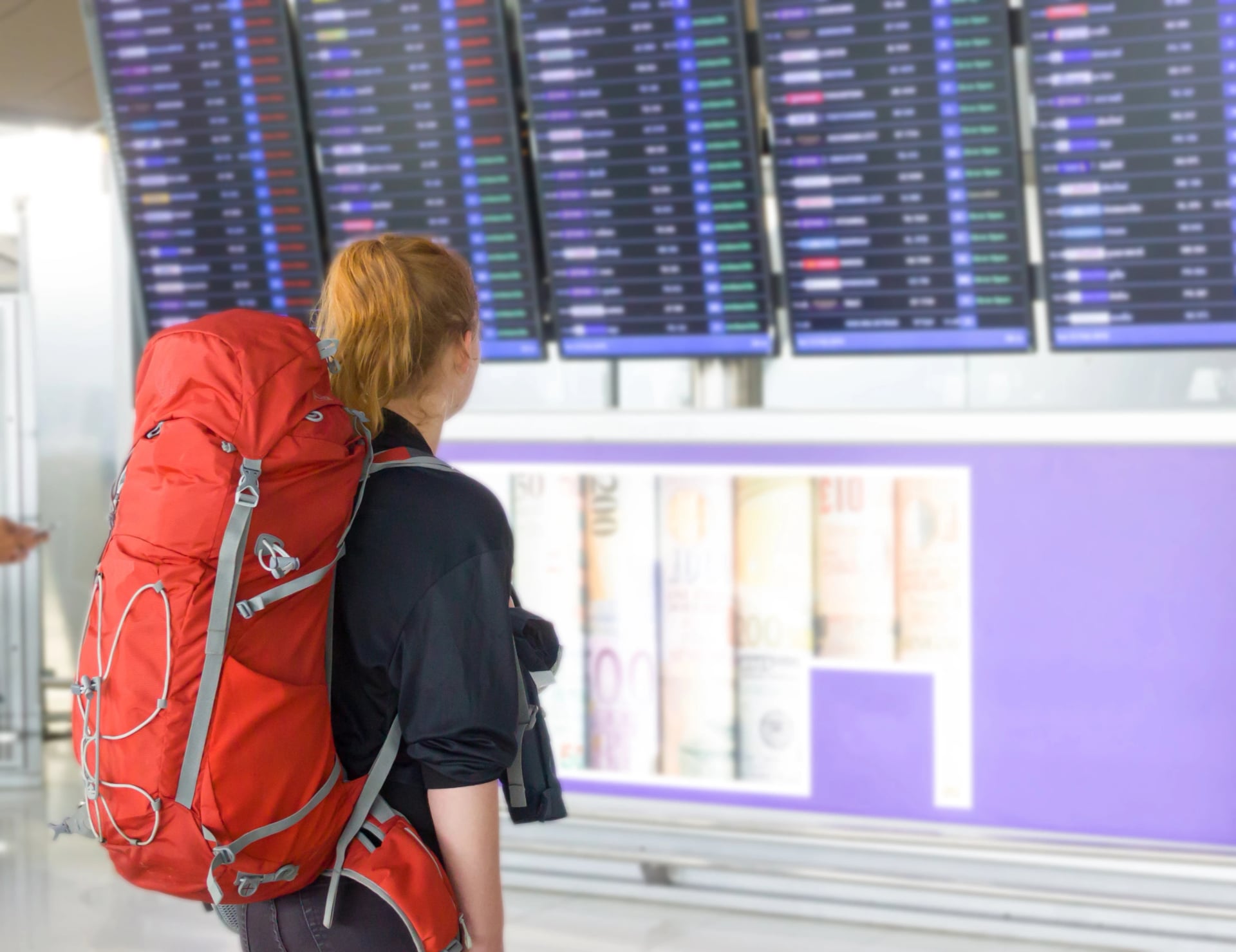
Most efficient routing:
Bus Finisterre/Muxía → Santiago Intermodal Station (2-3 hours)
Airport bus from Santiago station to airport (€3, 30 minutes) or taxi (€21-25, 15-20 minutes)
Total travel time: Allow 4-5 hours minimum from coastal departure to airport arrival
Timing recommendations:
For afternoon/evening flights (3pm or later): Morning bus from coast works perfectly
For morning flights (before 1pm): Previous night in Santiago essential—earliest coastal buses too late
Build buffer time: Atlantic coastal weather can delay buses; allow margin for flight connections
Optional: Reverse Walking to Santiago
Some pilgrims choose walking Finisterre/Muxía → Santiago instead of bus return, particularly if:
Attempting to reach 100km minimum for Compostela (Muxía→Finisterre→Santiago = ~120km qualifies)
Simply wanting to extend pilgrimage few more days
Preferring walking over motor transport after weeks of foot travel
Reverse direction notes:
Same route markings (yellow arrows) work both directions
Waymarking designed primarily for Santiago→Coast direction but navigable reverse
Psychological challenge walking toward city you've already reached
3-4 days additional walking depending on daily distances
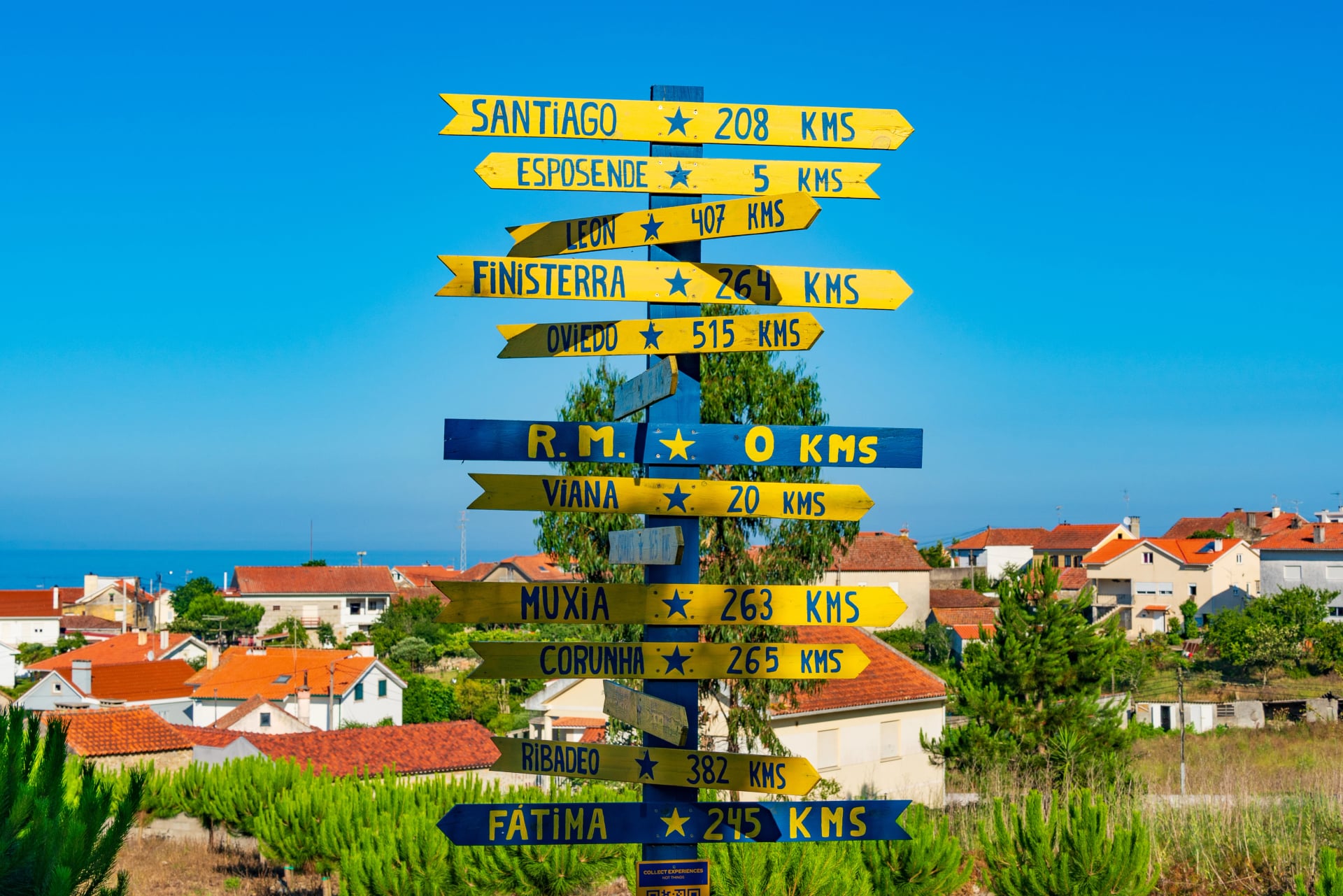
For those interested in other pilgrimage routes after experiencing the Camino magic, explore our complete tours page featuring all available Camino options plus Via Francigena and other European pilgrimage paths.
Accommodation on Camino Finisterre
The Camino Finisterre offers diverse accommodation options suiting various preferences and budgets, though with moderately less density than busiest routes requiring some advance planning.
Municipal Albergues
Basic pilgrim hostels operated by towns exist in major stops—Negreira, Olveiroa, Cee, Finisterre, and Muxía providing affordable accommodation.
Standard features:
Dormitory-style with bunk beds in shared rooms (8-40 beds depending on facility)
First-come, first-served generally (no advance bookings at most municipals)
Pilgrim credential required for check-in
Shared bathrooms and sometimes kitchens
Occasional washing machines (€3-4)
Opens typically 1-3 PM for arrivals
Quiet hours 10 PM (lights out), 6-7 AM checkout
Approx. €10-15/night
Municipal quality varies—some are modern, well-maintained facilities (like Finisterre's renovated municipal) while others are basic, aging buildings requiring lower expectations. All provide adequate shelter, hot showers, and place to sleep.
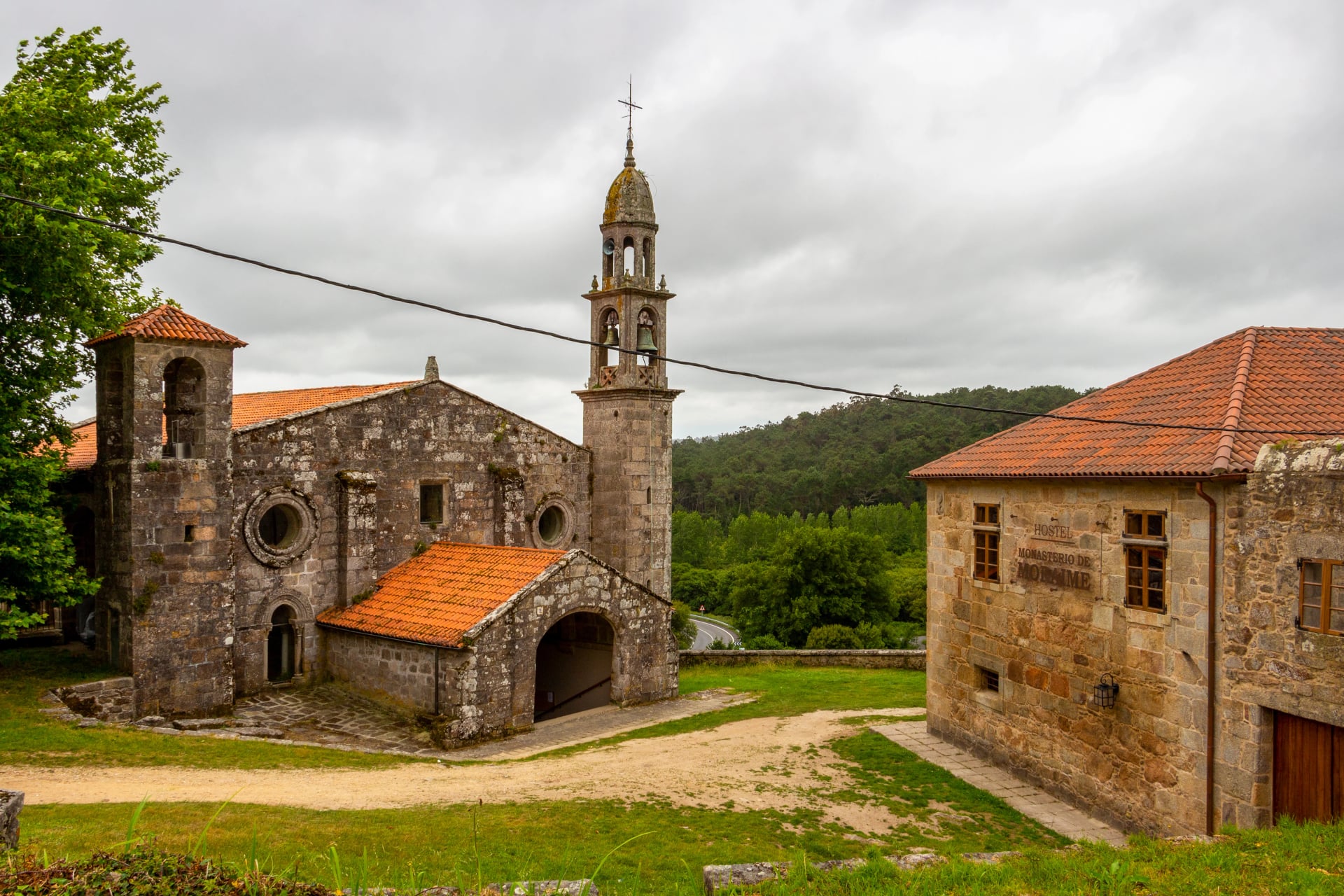
Private Albergues
Privately operated pilgrim hostels dominate Finisterre route, offering enhanced comfort and service over municipals.
Typical advantages:
Can book in advance (essential summer months)—phone, email, or online reservations accepted
Better facilities: improved showers, more bathrooms per pilgrim, comfortable common areas
Additional services: breakfast options (€3-6), packed lunches, laundry, luggage storage
Smaller, more intimate (12-30 beds) creating family atmosphere where hosts know everyone's names
Often more character—renovated traditional buildings, garden spaces, personal touches
Hosts typically speak English and provide excellent local knowledge
Approx. €15-25/night
Private albergues suit those wanting comfort upgrade from municipals without full hotel expense, plus ability to secure beds ahead eliminating arrival uncertainty.
Hotels and Casas Rurales
Private rooms provide comfort for those wanting privacy and better sleep quality.
Options include:
Pensions: Basic private rooms, shared or private bathrooms (€40-60)
Hotels: Standard hotel amenities, en-suite bathrooms (€60-90+)
Casas Rurales: Rural guesthouses, often charming traditional buildings (€50-80)
Private room benefits:
En-suite bathrooms and personal space
Escape from dormitory noise and snoring
Better sleep quality for rest days or recovering from previous route
Often include breakfast
Ability to spread out belongings
Approx. €40-90+/night
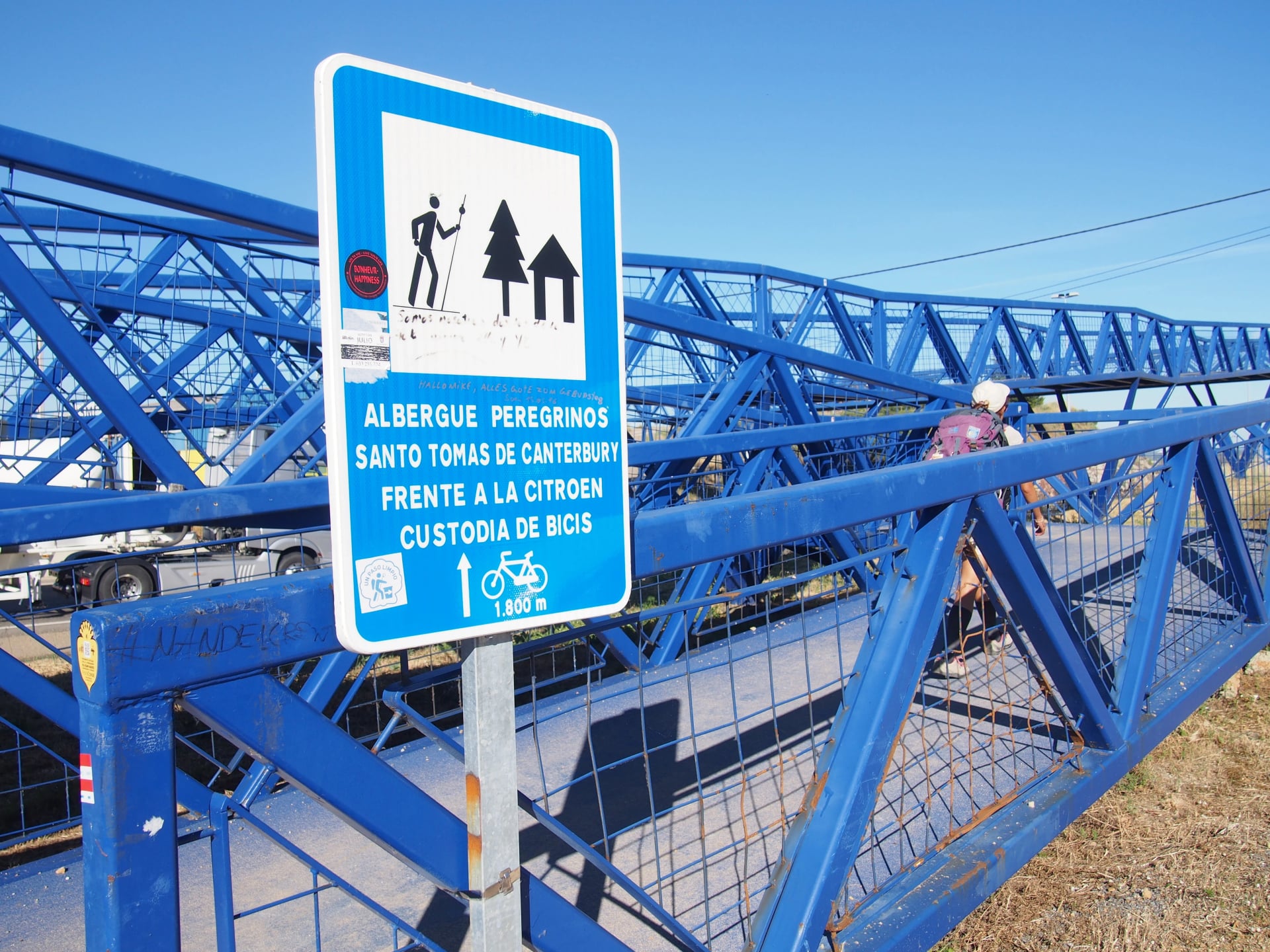
Many pilgrims alternate accommodation types—primarily albergues for budget and social experience, with strategic private room nights in Finisterre or Muxía for quality rest celebrating journey completion.
For comprehensive information about accommodation types, albergue etiquette, and booking strategies across all Camino routes, explore our detailed accommodation guide covering everything from dormitory basics to private room selection.
When to Book Ahead
The Finisterre's moderate infrastructure means more advance booking possibility than spontaneous walk-in approach.
Summer (July-August):
Book 3-7 days ahead for security, particularly final nights at coast
Finisterre and Muxía fill with pilgrims plus Spanish holiday-makers
Weekends book fastest—Spanish locals doing weekend coastal stages
Private accommodations often required when municipals fill
Shoulder Seasons (May-June, September):
Book 2-4 days ahead provides comfortable security
Most nights allow walk-in but coastal destinations deserve booking
Good balance of spontaneity and security
Off-Season (October-April):
Usually 1-2 days ahead are sufficient, sometimes same-day works
Many albergues closed (particularly November-March)—private rooms become necessity
Much more flexibility but reduced options

Booking Resources and Strategies
For Finisterre Accommodations
Booking: Lists many private albergues, hotels, and pensions with online reservation
Direct phone calls: Small albergues appreciate personal contact—hosts speak Spanish/Galician primarily but manage English basics
Gronze: Comprehensive Spanish Camino accommodation directory (Spanish language but navigable)
Tourist office websites: Provide accommodation lists with contact information
Strategic Planning Approach
Decide route before starting (Finisterre, Muxía, or both)—determines nightly stops
Book final night at coast first (most critical)—work backwards from there
Confirm via SMS/WhatsApp day before arrival—Spanish hospitality culture appreciates courtesy
Have backup options noted for each night in case first choice full
Accommodation Culture and Etiquette
Finisterre route maintains traditional pilgrim culture:
Quiet hours respected seriously—10pm lights out, morning quiet until 6-7am
Kitchen sharing cooperative—clean up after yourself, share resources
Clothes washing hand-wash in sinks/showers, hang in designated areas (not bedrooms)
Shoe removal entering dormitories standard practice
Early departures pack evening before to minimize morning disturbance
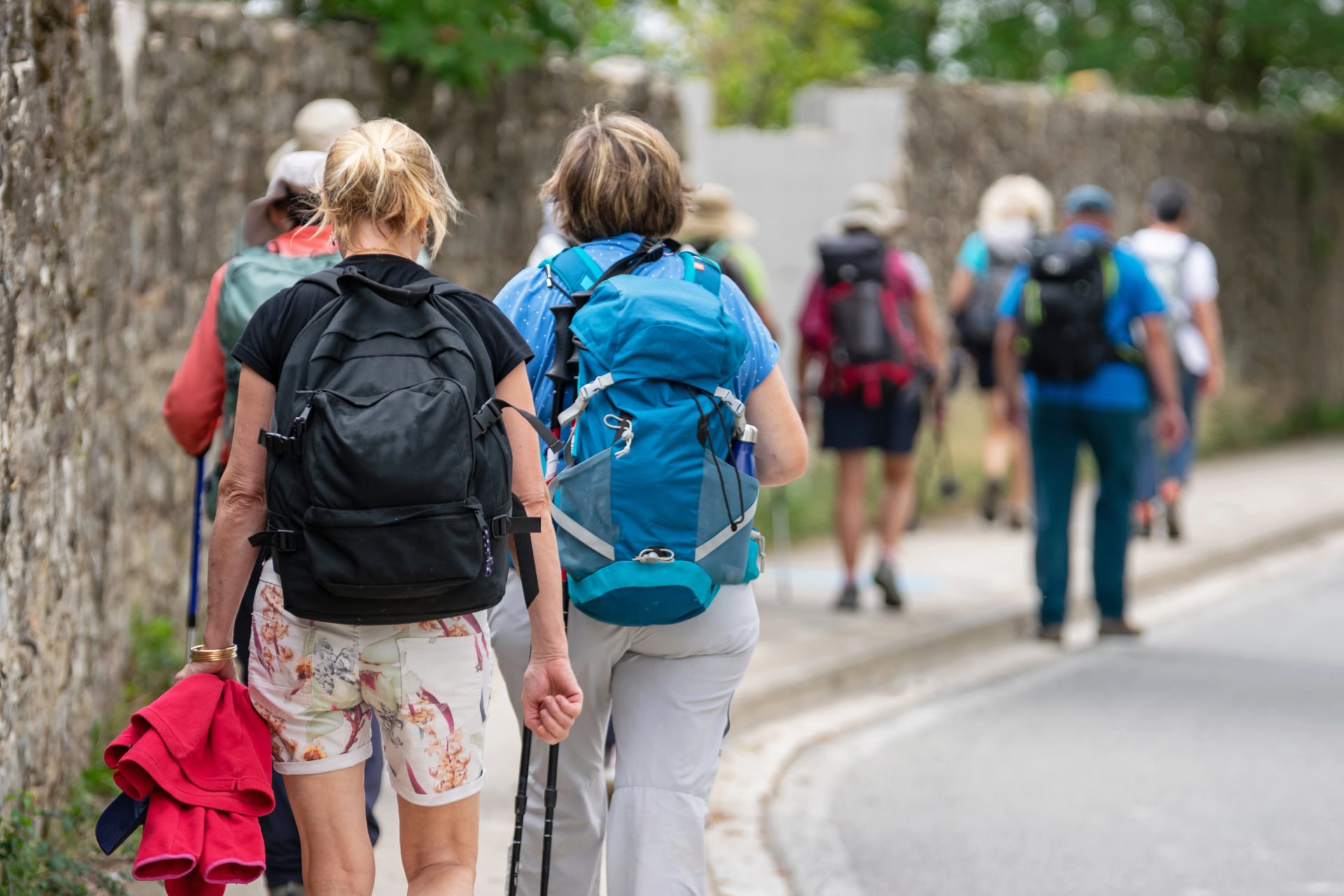
The smaller albergues create genuine community—same 15-25 pilgrims appearing nightly, shared meals in communal kitchens, evening conversations in common areas, and bonds forming quickly. Many describe these intimate Finisterre albergues as highlight of entire Camino experience.
Practical Tips for the Coastal Journey
These practical insights, learned from thousands of pilgrims' Finisterre experiences, help avoid common mistakes and enhance your coastal epilogue journey.
Stamp Your Credential Throughout: Even though you possess Compostela from Santiago, continue collecting stamps for Fisterrana/Muxiana certificates. Minimum 2 stamps daily recommended—bars, albergues, tourist offices all provide stamps readily. The coastal certificates carry deep personal significance despite "unofficial" status.
Research Both Destinations Before Olveiroa Split: The decision point at Hospital/Olveiroa (60km into journey) creates memorable moment, but decide beforehand rather than impulse choice at junction. Read about both Finisterre and Muxía, understand what each offers spiritually and practically, then commit to plan—or schedule time for both via connector route.
Reserve Final Night at Coast During Peak Season: Finisterre and Muxía fill completely July-August with pilgrims plus Spanish tourists. Book your final night 5-7 days ahead minimum—disappointing to walk 90km reaching coast only to find no beds available. Shoulder seasons still benefit from 2-3 day advance booking.
Pack Lightweight Rain Gear Always: Atlantic coastal weather changes rapidly and unpredictably. Sunny morning forecasts become afternoon downpours routinely. Quality waterproof jacket and pack cover weigh minimal but save miserable walking when storms arrive. Even summer requires rain protection—Galician weather respects no season.
Don’t Burn Clothes Despite Romantic Appeal: The clothing-burning ritual is strictly illegal and environmentally harmful. Authorities fine violators, fires spread dangerously with coastal winds (2024 wildfires started from pilgrim burning), and practice disrespects protected landscape. Honor tradition through alternative ritual—ocean swim, sunset watching, personal reflection—that doesn't damage environment.
Time Your Sunset Arrival at Cape: Arrive Finisterre lighthouse or Muxía sanctuary 30-60 minutes before sunset for optimal viewing, photography, and finding good viewing spot. Check local sunset time and walk from town accordingly—Finisterre requires 3km walk from town, Muxía just 10 minutes.
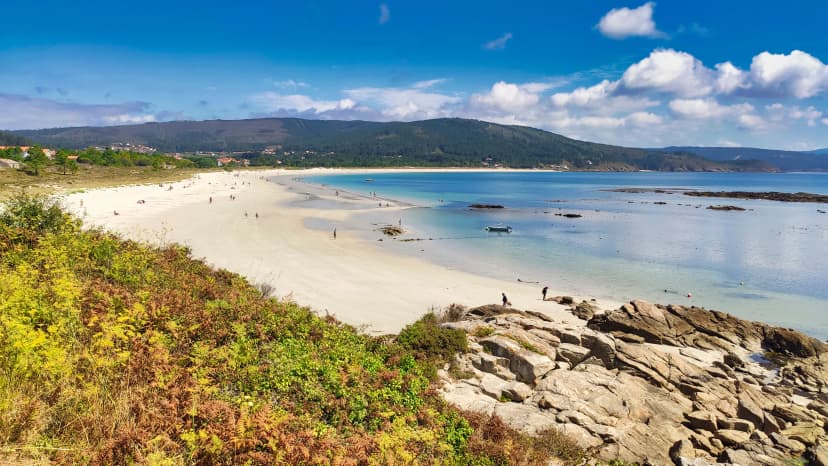
Bring Swim Gear Throughout: Beach opportunities exist throughout route—Langosteira Beach before Finisterre being primary but others appearing. The purification ritual of ocean bathing carries profound meaning for many pilgrims. Even if ocean swimming doesn't appeal initially, having option available when moment strikes proves valuable. Atlantic cold (12-18°C) actually refreshes wonderfully after walking.
Allow Santiago Rest Days: Many pilgrims walk Finisterre immediately after Santiago Cathedral arrival—same day or next morning departure. Consider instead 1-3 rest days in Santiago: recover physically from previous route, process emotional journey completion, explore the city properly, and begin coastal extension refreshed rather than depleted. The epilogue deserves fresh energy.
Book Return Bus Ahead in Summer: Monbus buses Finisterre/Muxía→Santiago fill during July-August, particularly weekends. Book return transport 2-3 days advance online (Monbus) or at coastal tourist offices. Missing bus creates expensive taxi necessity or unwanted extra night.
Respect the Sacred Environment: The coastline you're visiting represents millennia of human spiritual connection—Celtic rituals, Christian pilgrimage, and modern seekers. Respect through responsible practices: carry out all trash, don't deface markers/monuments, honor sanctuary spaces appropriately, avoid removing protected stones/plants, and leave landscape pristine for future pilgrims. Your footsteps join millions across centuries—walk lightly.
For more practical advice, detailed packing lists, training recommendations, and pilgrim experiences across various Camino routes, explore our comprehensive blog featuring first-hand accounts and expert guidance from seasoned Camino walkers.
Why Book With Us for Your Coastal Journey
For those seeking structured and hassle-free Camino Finisterre experience, traveling with professional hiking agency provides valuable support particularly for this route's unique characteristics.
We offer comprehensive services designed specifically for Finisterre coastal extension:
Pre-arranged accommodations at quality establishments—crucial for Finisterre where summer availability tightens and advance booking prevents disappointment at journey's conclusion
Luggage transfer services on demand allowing walking with just daypack, reducing physical strain and maximizing enjoyment of coastal scenery without burden
Detailed route information including maps, GPS tracks, stage-by-stage guidance covering both Finisterre and Muxía options, and current conditions
Expert advice on route choice—whether Finisterre alone, Muxía alone, or both destinations via connector based on available time and personal preferences
24/7 support throughout coastal journey for any questions, problems, booking changes, or emergencies
Flexibility to customize itineraries matching your pace after completing previous Camino route
Local expertise from our team's decades of Camino experience including lesser-known coastal paths, best seafood restaurants, optimal sunset viewing spots, and insider knowledge unavailable in guidebooks
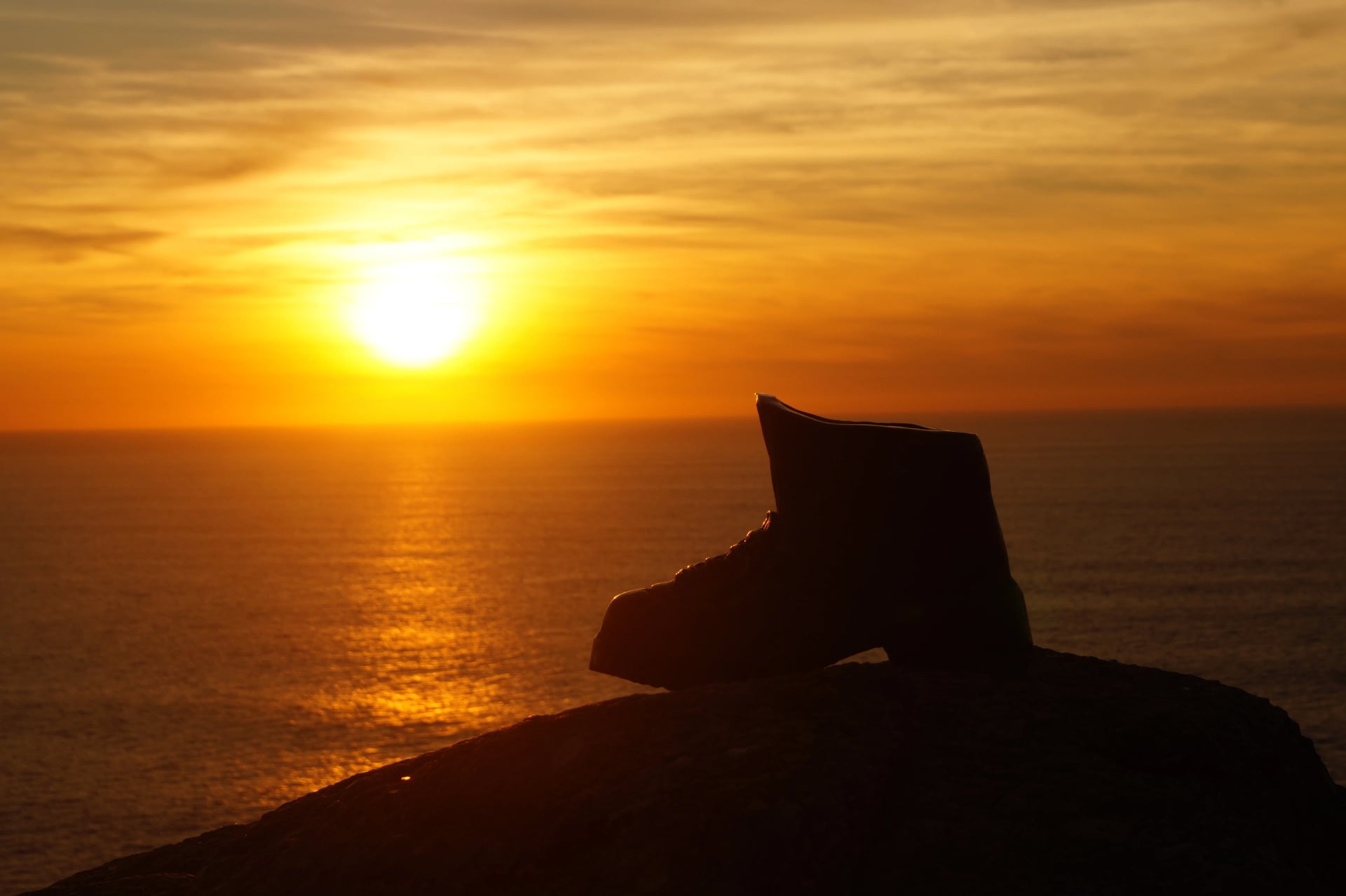
The Finisterre's unique epilogue nature—walking away from Santiago rather than toward it, choosing between dual destinations, experiencing ancient pre-Christian sites, and concluding at literal ocean's edge—makes professional support particularly valuable. We handle logistics while you focus on savoring this profound journey's final chapter.
If you have questions about the Camino Finisterre, which destination suits your spiritual goals, or want to discuss customizing your coastal epilogue experience, contact us or schedule a meeting with our team of experts who can provide personalized advice based on your specific pilgrimage journey and what the coast represents for your unique transformation.
Our Camino Finisterre Tours
Our organized Camino Finisterre tour keeps the route independent and meaningful while removing the logistics. With pre-booked coastal stays, luggage transfers, detailed route guidance, and 24/7 support, the short 3–6 day extension (Finisterre, Muxía, or both) runs smoothly and fits your budget and timeline. The focus stays where it should: walking to the Atlantic for a powerful sense of closure and a deeper understanding of the rituals and traditions that define this final “world’s edge” ending.


HASSLE-FREE
We handle itineraries, accommodations, and anything else you prefer not to deal with, so you can enjoy a carefree hike.
.svg)
TRIED & TESTED ADVENTURES
Only the best of Camino de Santiago, cherry-picked by our local team with an in-depth knowledge of the region.

SELF-GUIDED TRAVEL
Explore independently and with confidence while we keep everything running from behind the scenes.
.svg)
TRUSTED BY MANY
Since 2014, we have taken care of thousands of happy customers, making it our mission to put your satisfaction first.