Camino Starting Points Explained
Where does the Camino de Santiago start? See the best Camino starting points in Spain, Portugal, and France—and how to choose the right route for your time
Quick links
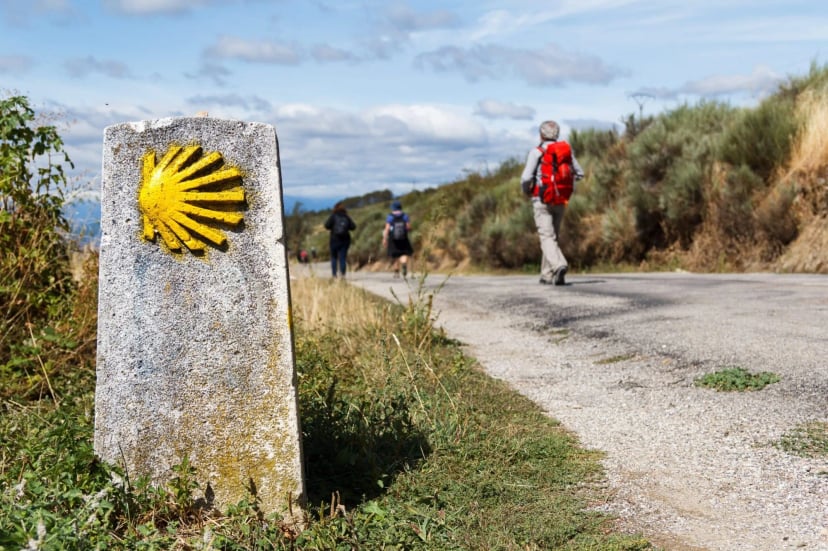
"Where does the Camino de Santiago start?" is the first question nearly every aspiring pilgrim asks—and the answer surprises most people. Unlike typical hiking trails with clearly marked trailheads, the Camino de Santiago is a network of routes converging on a single destination: the Cathedral of Santiago de Compostela in northwestern Spain. Historically, pilgrims began walking from their own front doors, wherever in Europe they lived, creating the web of paths that exists today.
Modern pilgrims choose from dozens of recognized starting points across Spain, Portugal, and France, each offering distinct experiences, challenges, and time commitments. Your ideal starting point depends on how many weeks you can dedicate, your fitness level, whether you prefer coastal or mountain scenery, and how much solitude versus social interaction you seek.
This guide explains where the Camino de Santiago routes actually begin, which starting points work best for different situations, and how to choose the right entry point for your pilgrimage.
Understanding the Basics
Where is Camino de Santiago and Where Does it End?
The routes primarily cross northern Spain, with major paths also traversing Portugal and southern France. The network spans from Seville in Spain's south to Saint-Jean-Pied-de-Port in the French Pyrenees, and from Lisbon on Portugal's Atlantic coast to various points along Spain's northern shore. All routes converge in Galicia, northwestern Spain's autonomous region, where Santiago de Compostela sits roughly 50 kilometers from the Atlantic Ocean
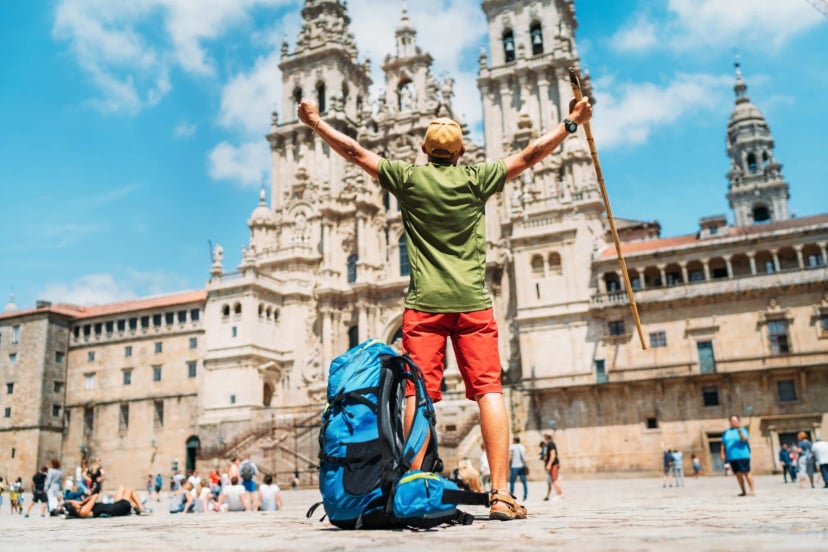
Every Camino route, regardless of where it starts, ends at the same place: Santiago de Compostela.
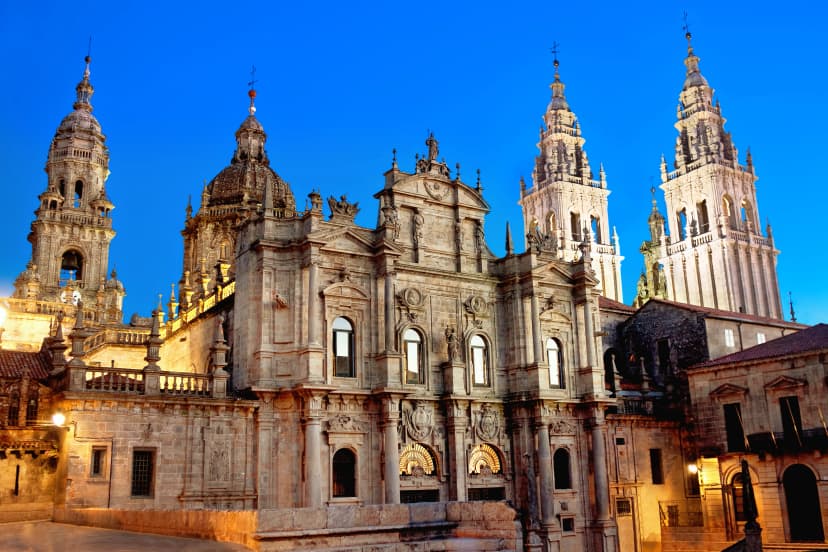
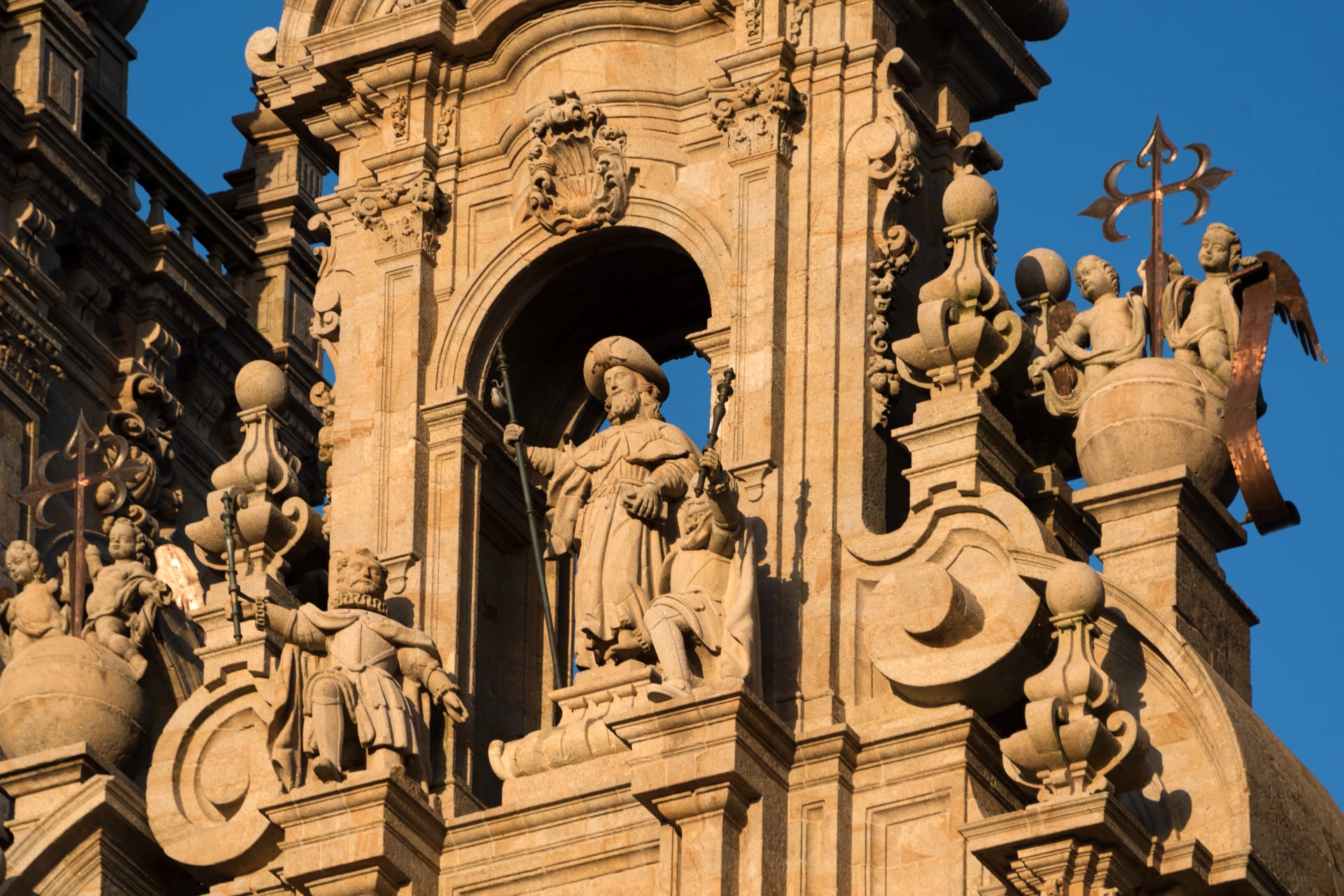
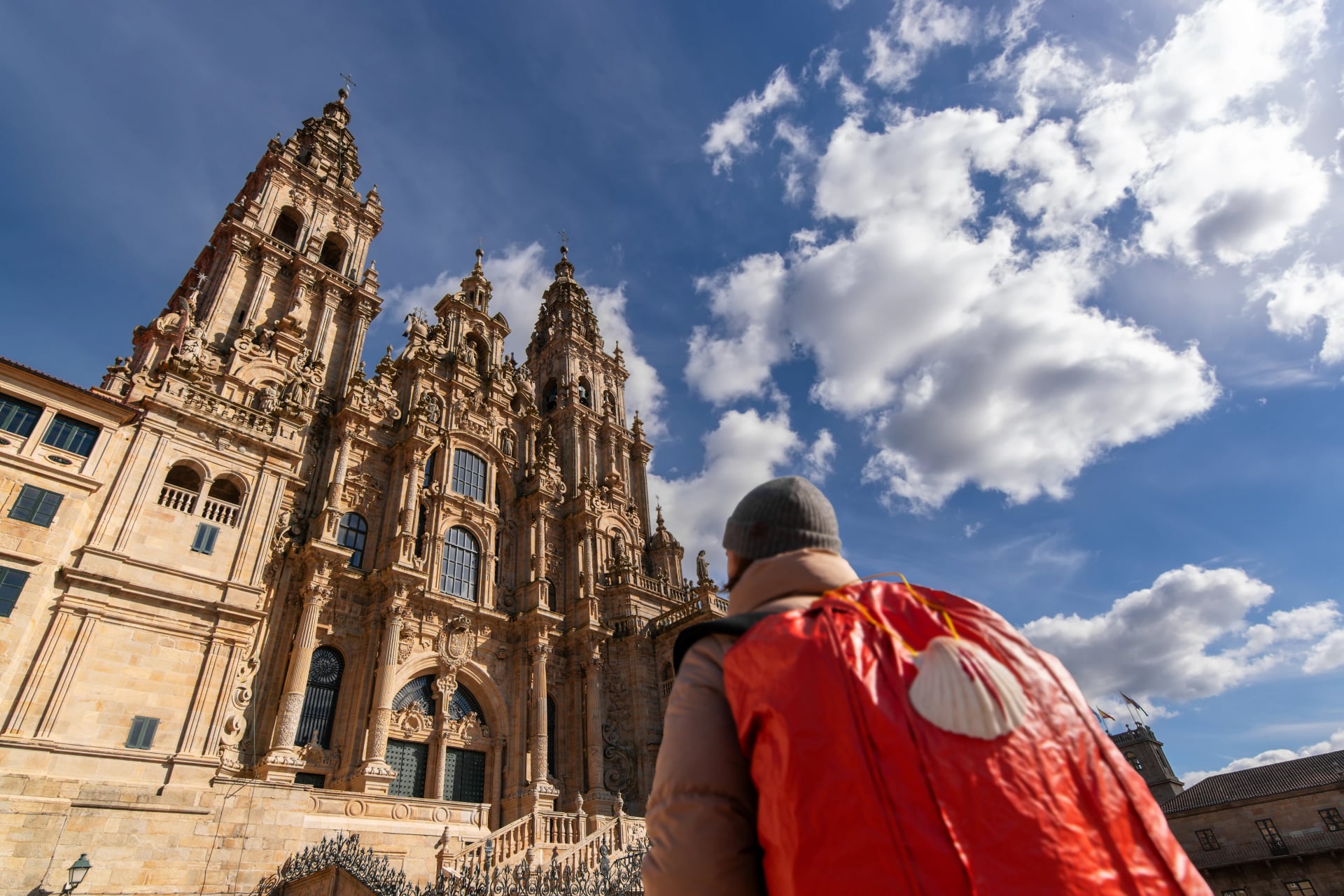
Santiago de Compostela, Galicia's capital, serves as the endpoint for all Camino routes and has welcomed pilgrims since the 9th century when St. James's remains were discovered here. The UNESCO World Heritage Old Town centers on the baroque cathedral facade dominating Plaza del Obradoiro, with medieval streets, Romanesque churches, and granite arcades creating atmospheric passages. The city's 100,000 residents maintain authentic Galician culture alongside pilgrim infrastructure, with markets, universities, and neighborhoods functioning independently of tourism. Rain falls frequently, giving the granite surfaces their characteristic sheen.
The city's cathedral purportedly houses the remains of St. James the Apostle, making it Christianity's third holiest pilgrimage site after Jerusalem and Rome. This single endpoint creates the "Camino" concept—all roads lead to Santiago, but they begin from many different places.
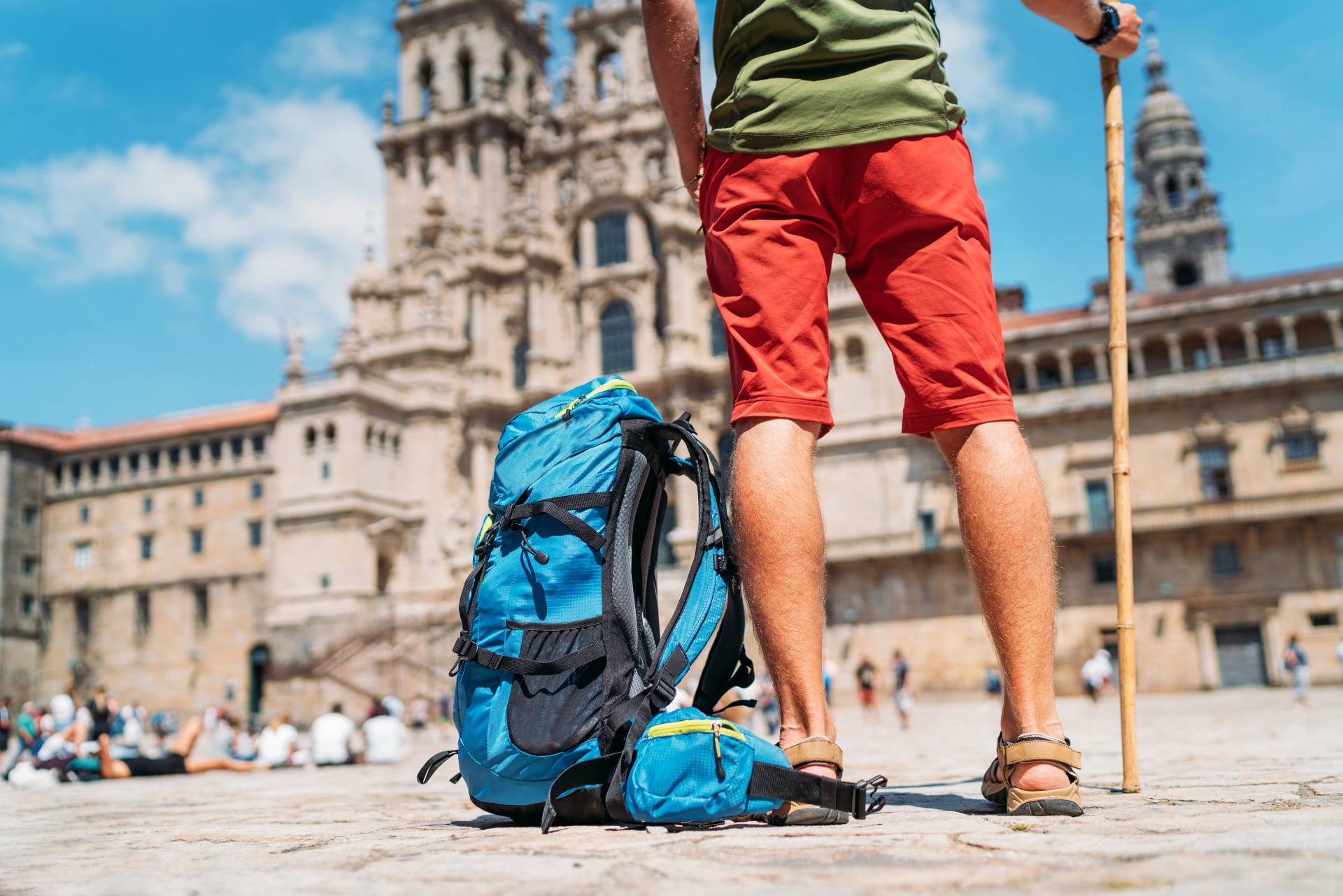
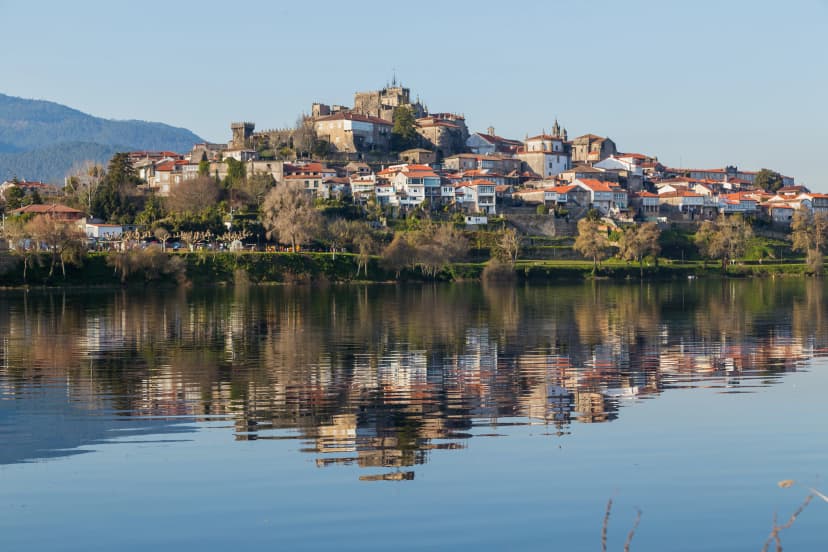
The 100-kilometer rule governs official recognition. To qualify for the Compostela certificate (the document certifying pilgrimage completion), you must walk at least the final 100 kilometers to Santiago on foot, or 200 kilometers by bicycle. This minimum distance explains why certain towns—particularly Sarria on the Camino Francés and Tui on the Camino Portugués—have become extremely popular starting points. They sit exactly 100-115 kilometers from Santiago, allowing pilgrims to complete the minimum qualifying distance in roughly one week.
Your available time largely determines the starting point choice. A week allows completing the last 100 kilometers from popular minimums like Sarria or Tui. Two weeks opens mid-distance options like Porto (240km) or the full Camino Inglés (118km). Four to five weeks enables tackling complete routes like the 790-kilometer Camino Francés from Saint-Jean-Pied-de-Port. Longer pilgrimages of six weeks or more allow walking mega-routes like the 1,000-kilometer Via de la Plata from Seville.
For comprehensive details on every major route including stage-by-stage breakdowns and preparation guidance, consult our comprehensive Camino planning resource covering all aspects of preparation and what to expect.
Camino Francés: The Classic Starts
The Camino Francés (French Way) accounts for approximately 60% of all pilgrims annually, making it the pilgrimage's backbone. This route's popularity stems from excellent infrastructure developed over centuries, clear waymarking, abundant accommodation options, and the social atmosphere created by walking alongside hundreds of fellow pilgrims daily.
Other Francés Starting Points
Roncesvalles (just after the Pyrenees, 790km remaining—popular for those wanting the full experience without the hardest first day), León (310km, roughly 12-14 days—offers the psychological satisfaction of "halfway" milestone)
Ponferrada (205km, 8-10 days—includes the beautiful final approach through Galicia's mountains). The route's flexibility allows starting anywhere that matches your available time. Whether walking supported or independently, many pilgrims find organized assistance valuable for this popular route.
Camino Portugués: Portuguese Starting Points
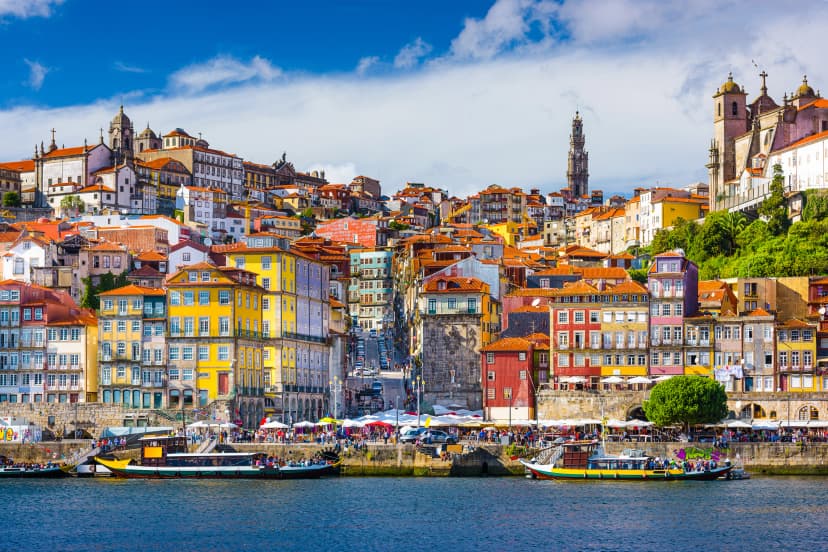
The Camino Portugués ranks as the second most popular route network, attracting roughly 25% of annual pilgrims. The Portuguese routes offer gentler terrain than the Francés's mountains, milder weather along coastal sections, and the cultural richness of traversing two countries. The Central Route runs inland through traditional Portuguese towns, while the Coastal variant follows the Atlantic shoreline offering stunning ocean views and seafood villages.
Coastal Variant Considerations
Many pilgrims choose the Coastal Route from Porto specifically for Atlantic views, wooden boardwalk sections, and excellent seafood in towns like Viana do Castelo. The routes (Central and Coastal) converge near Redondela before the final approach to Santiago, so you can mix variants based on preferences.
Northern Routes: Challenging Terrain
Spain's northern routes—the Camino del Norte and Camino Primitivo—attract pilgrims seeking physical challenge, dramatic scenery, and relative solitude compared to the crowded Francés. These routes require good fitness and hiking experience due to constant elevation changes (del Norte) or steep mountain passes (Primitivo).
Alternative starts
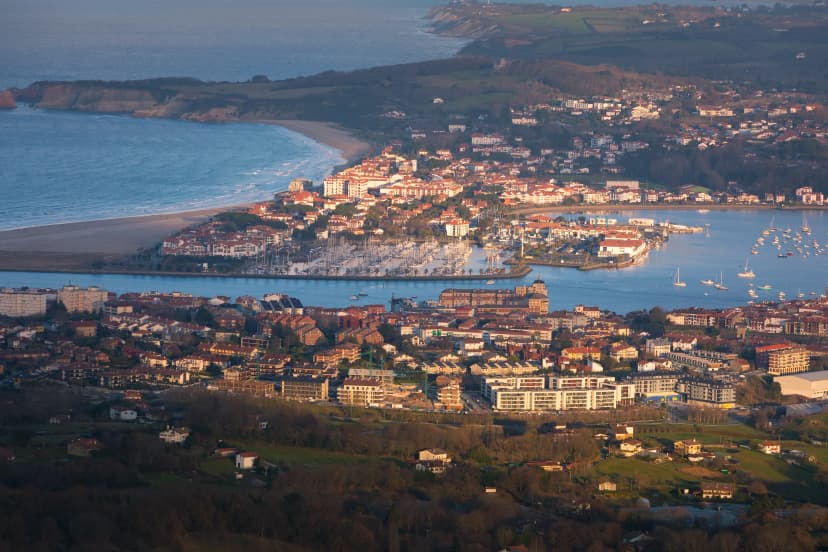
The del Norte can begin in San Sebastián (avoiding Irún's industrial character) or even Bilbao (640km remaining) or Santander (450km) for those with less time.
The Primitivo can start in Lugo (100km)—Galicia's only Roman-walled city—qualifying for Compostela while experiencing the route's character without the hardest mountain sections.
Both routes present unique considerations for winter walking attempts, as mountain sections become particularly challenging November through March.
Camino Inglés: Shorter Routes
The Camino Inglés (English Way) offers the shortest route qualifying for Compostela, making it popular among time-limited pilgrims or those testing whether pilgrimage appeals before committing to longer routes. Historically, pilgrims from the British Isles, Ireland, and Scandinavia arrived by ship at Galician ports, walking the final distance to Santiago.
The Inglés represents ideal winter walking due to coastal Galicia's mild temperatures and reliable services. While other routes see massive infrastructure closures November-March, the Inglés maintains operational albergues and restaurants year-round. This route also appeals particularly to senior camino walkers due to its manageable distance, gentle terrain, and excellent support infrastructure.
Via de la Plata: The Southern Start
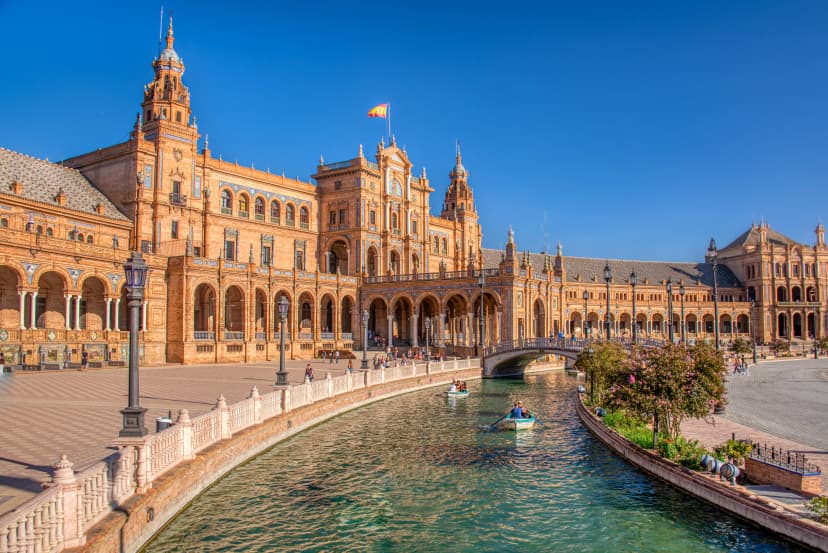
The Via de la Plata (Silver Route) stretches over 1,000 kilometers from southern Spain to Santiago, making it the longest established Camino route. This path follows ancient Roman roads connecting Seville with Astorga, where it joins the Camino Francés for the final approach to Santiago.
Shortened Via de la Plata Options
Ourense (100km to Santiago) provides the minimum qualifying distance through beautiful Galician countryside.
Zamora (roughly 350km) offers a halfway start.
Many experienced pilgrims tackle the Via de la Plata in sections across multiple years rather than one extended journey, reducing the physical and logistical demands while still completing the full historic route.
Start in Santiago: A Unique Twist
Wait—what if you want to start in Santiago instead of ending there? Most pilgrims assume the journey concludes when reaching the cathedral, but medieval tradition included continuing west to the Atlantic coast, literally walking to "the end of the world" where land meets ocean.
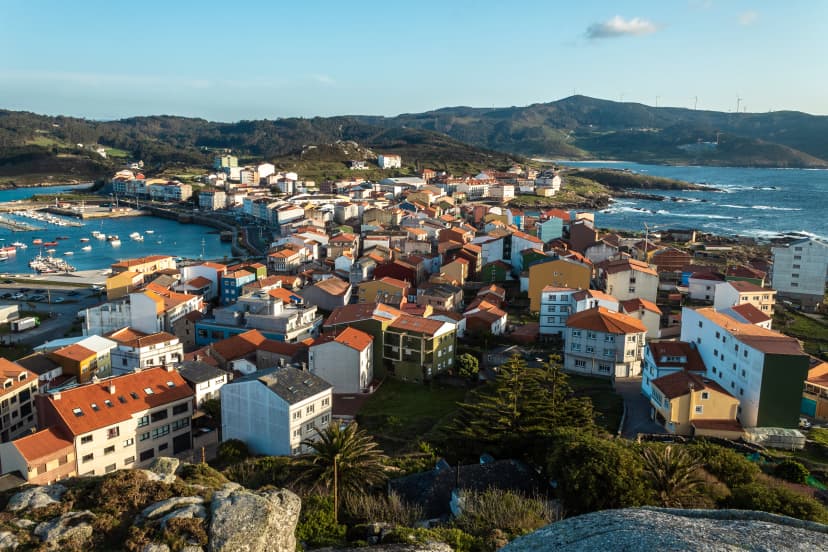
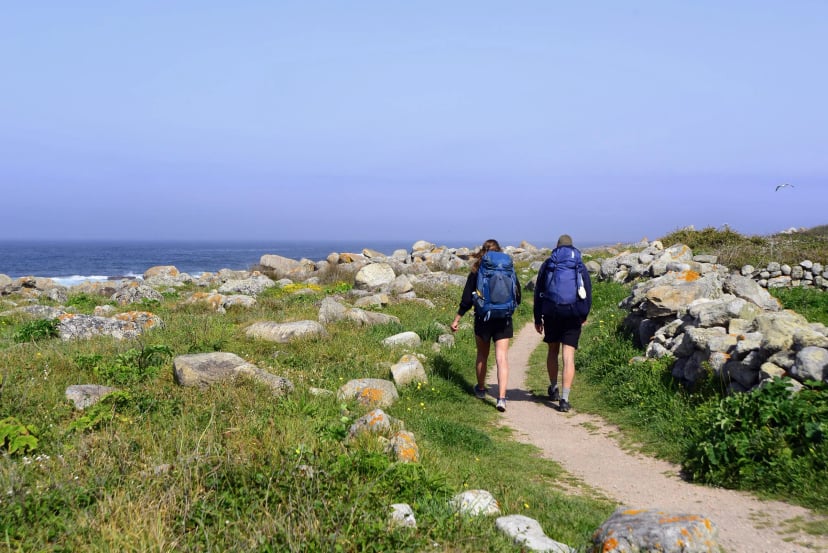
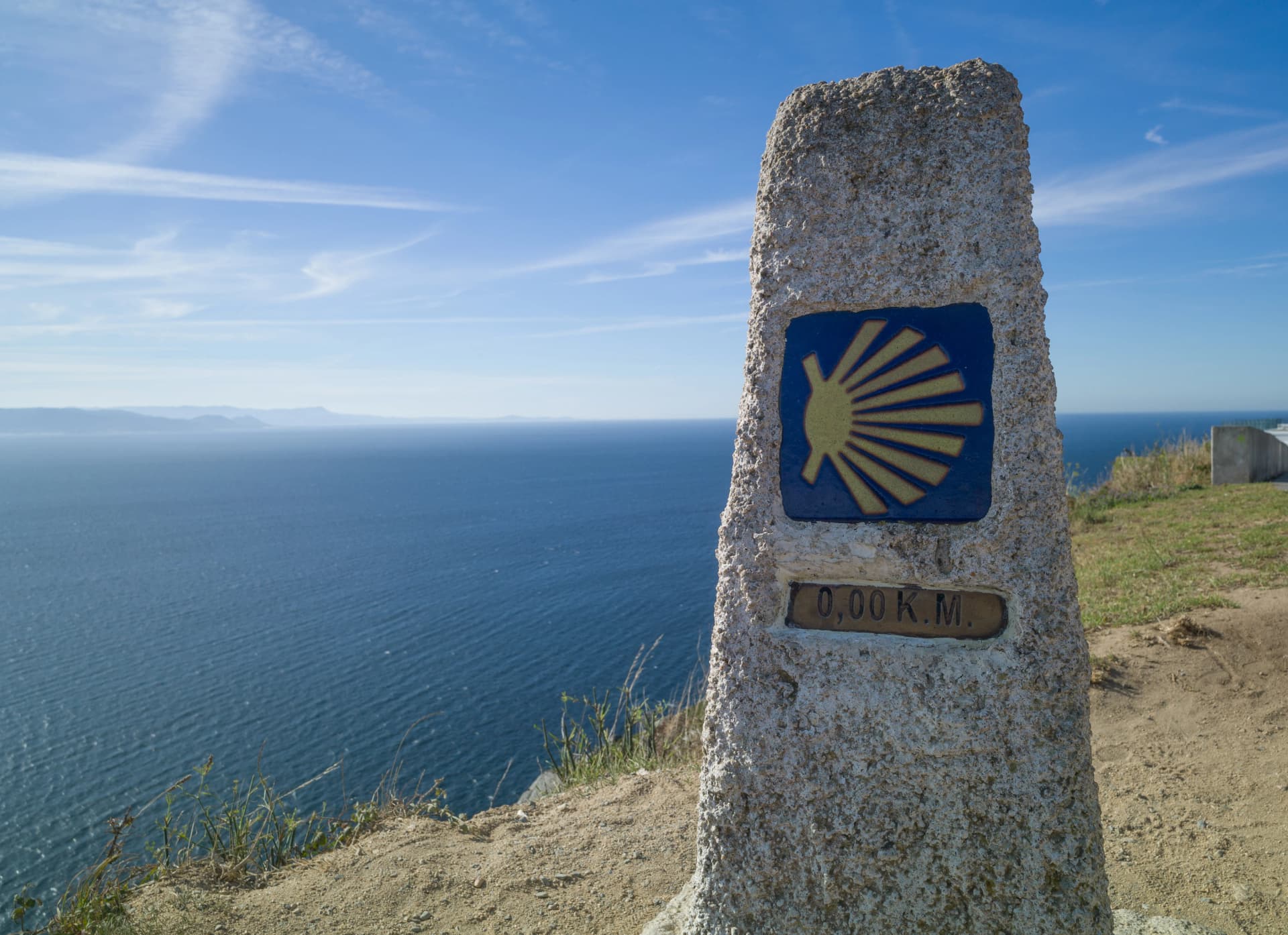
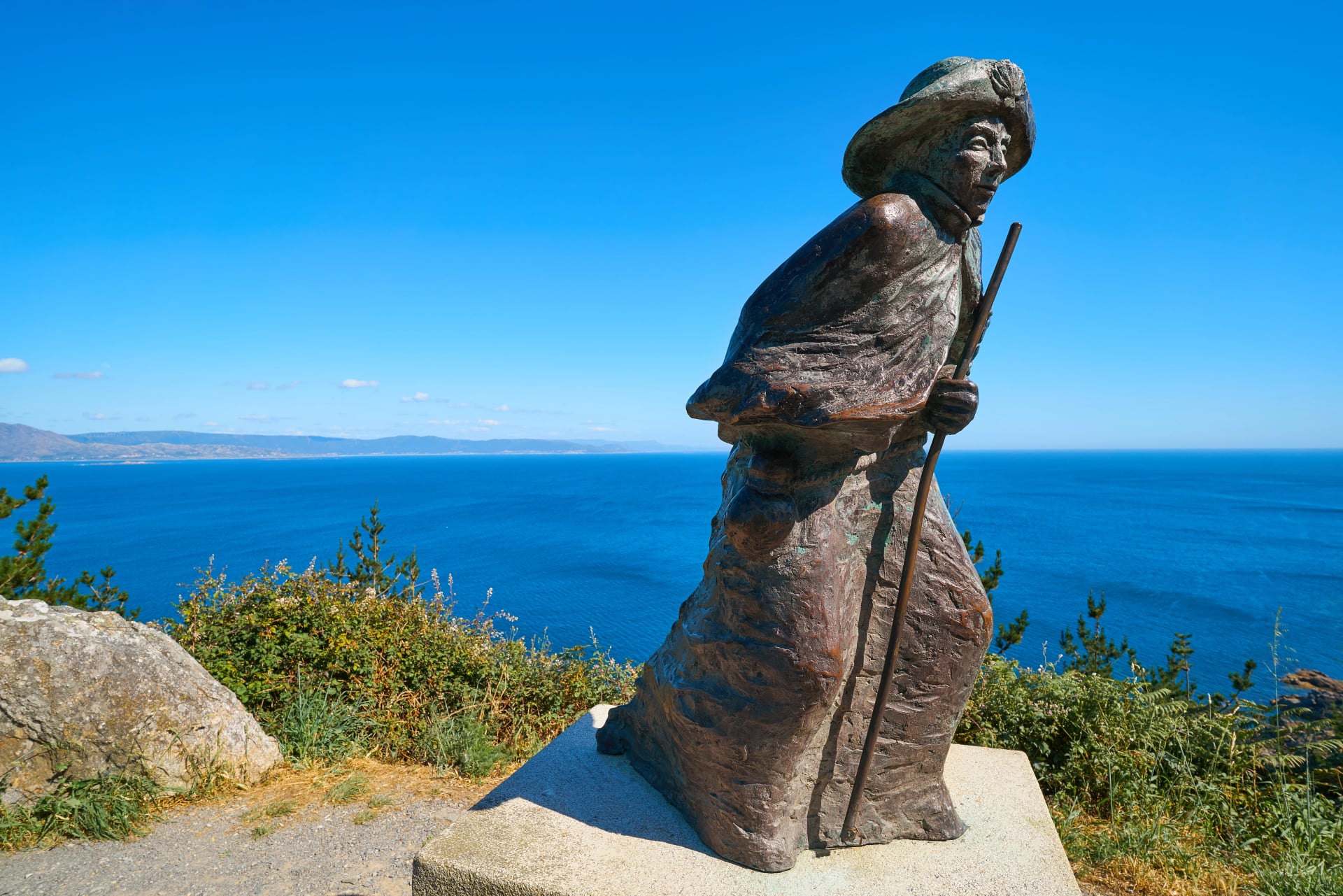
The Camino Finisterre and Camino Muxía represent the only official routes starting in Santiago rather than ending there. These 90-kilometer (Finisterre) and 87-kilometer (Muxía) routes require 3-4 days, extending pilgrimage to the Galician coast where medieval pilgrims performed symbolic completion rituals—burning old boots at Finisterre's lighthouse, collecting scallop shells, watching Atlantic sunset. These routes offer processing time to reflect before returning to ordinary life. Separate certificates available: Fisterrana for Finisterre, Muxiana for Muxía. Many describe these days as essential integration.
Why walk the extension?
A smoother emotional landing: After arriving in Santiago, the abrupt “end of the journey” can feel anticlimactic and make the return to normal life feel jarring
Built-in decompression: The Finisterre/Muxía extension offers a gradual wind-down rather than a hard stop
Quieter trail, more reflection: Far fewer pilgrims continue west (often estimated around ~20%), so the route feels noticeably less crowded and more contemplative
Stronger sense of closure: Reaching the Atlantic coast delivers a symbolic “end of the world” finish that can feel more complete than a crowded cathedral arrival
Scenery that rewards the extra days: Rolling green Galician countryside, small villages, and increasingly dramatic coastal landscapes
Ideal for independent walkers: Especially appealing for pilgrims who prefer solitude and self-reflection after the social intensity of the busier routes into Santiago
Timing
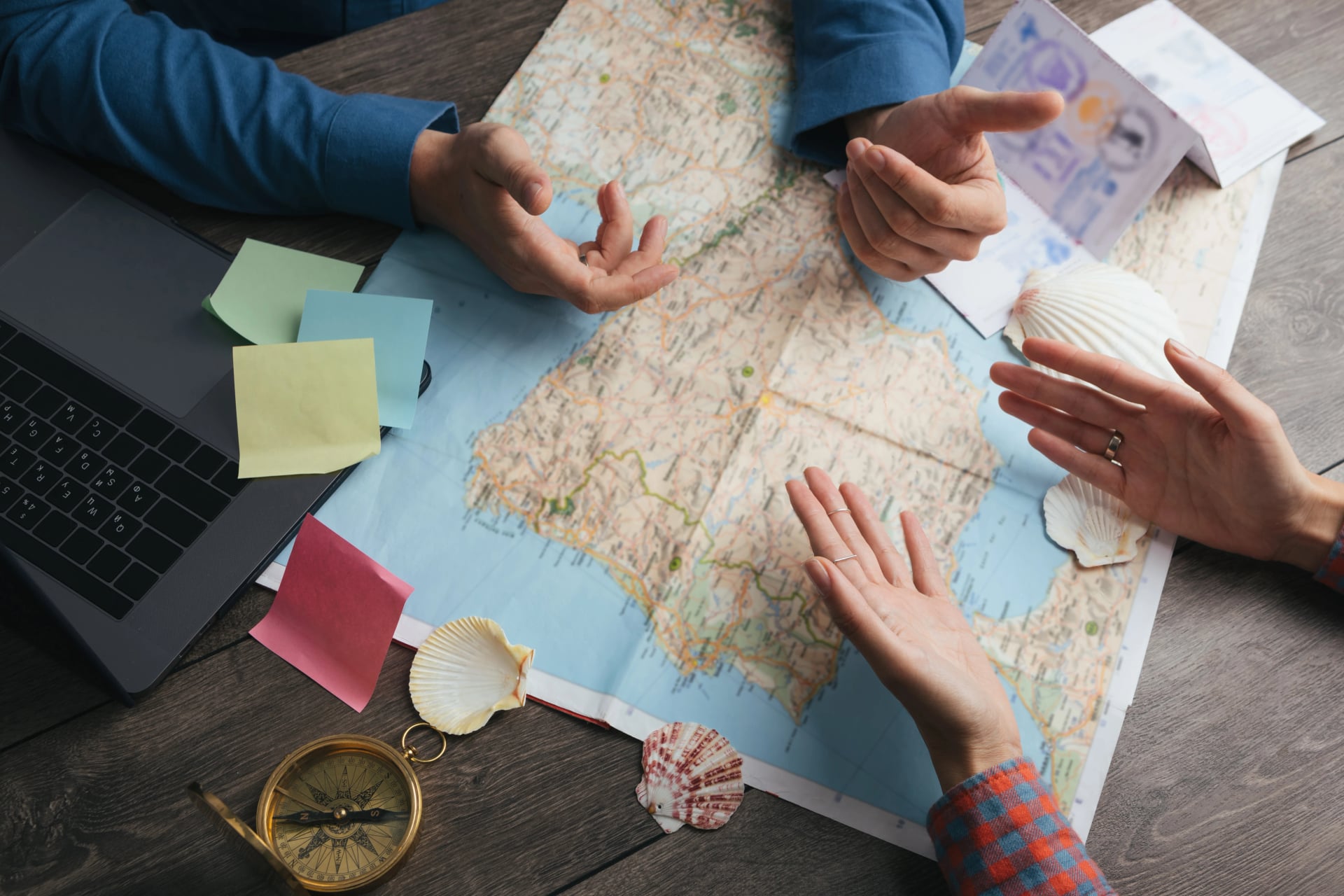
Selecting the right Camino starting point involves balancing multiple factors. This framework helps narrow options based on your specific situation and goals.
Time Available
5-7 days:
Sarria to Santiago (Francés, 100km)
Tui to Santiago (Portugués, 115km)
Ferrol to Santiago (Inglés, 118km)
Santiago to Finisterre (extension, 90km)
10-14 days:
Porto to Santiago (Portugués, 240-280km)
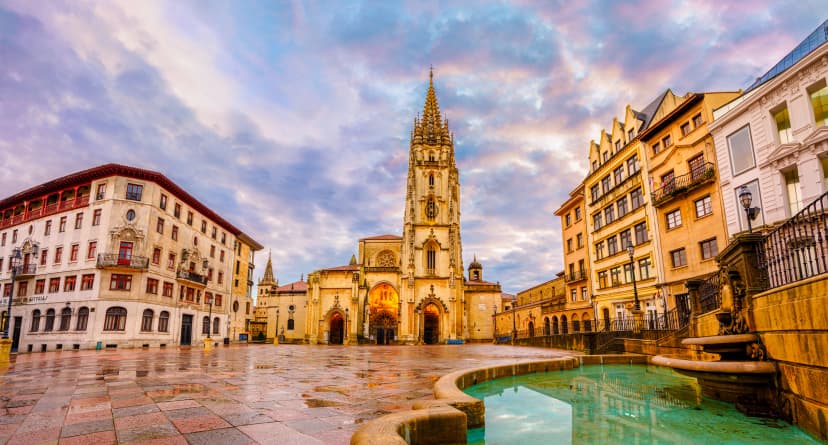
Oviedo to Santiago (Primitivo, 320km)
Ferrol to Santiago including rest days
4-5 weeks:
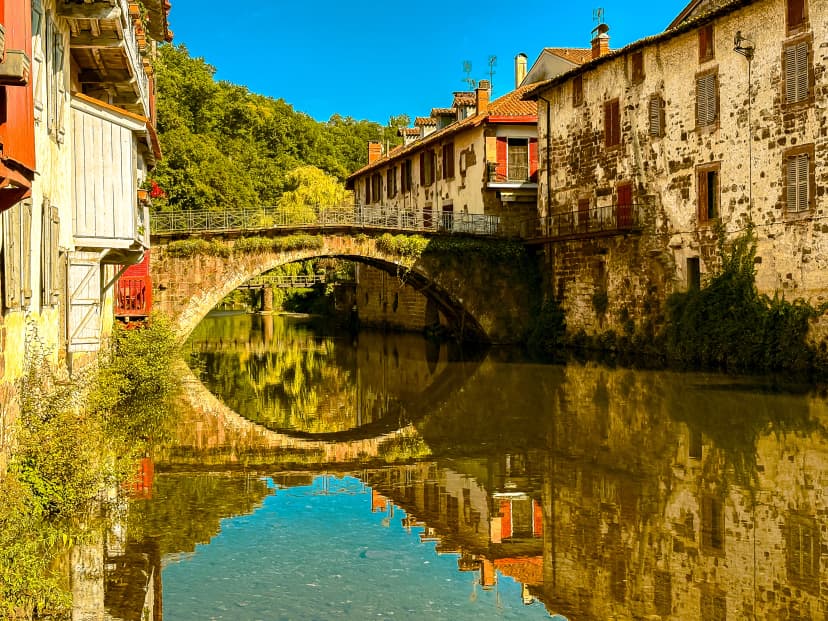
Saint-Jean to Santiago (Francés, 790km)
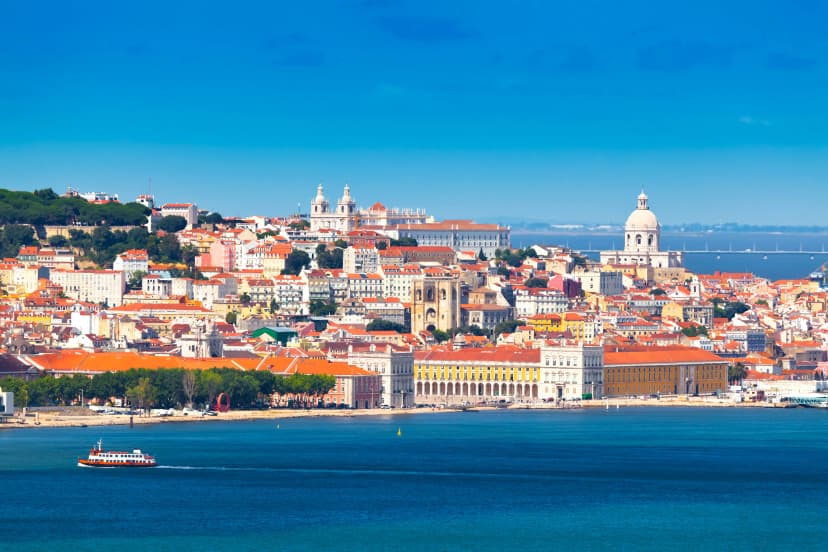
Lisbon to Santiago (Portugués, 620km)
Irún to Santiago (del Norte, 830km)
6+ weeks:
Seville to Santiago (Via de la Plata, 1000km+)
Combined routes or very slow pace with extensive rest days
Experience Level and Fitness
Beginners and moderate fitness: The Camino Portugués from Porto or Tui offers gentle terrain, excellent infrastructure, and manageable daily distances. The Camino Inglés from Ferrol provides similar accessibility in shorter timeframe. Sarria to Santiago on the Francés works well despite crowds due to reliable services every few kilometers. These routes forgive inexperience through abundant accommodation options, frequent services, and relatively flat or gently rolling terrain.
Intermediate fitness and some hiking experience: The full Camino Francés from Saint-Jean challenges without overwhelming most moderately fit walkers. The Pyrenees crossing and Galician mountains provide genuine difficulty, but the route's infrastructure supports you throughout. Lisbon to Santiago on the Portugués Central offers similar challenge with less crowd density.
Experienced hikers seeking challenge: The Camino Primitivo demands excellent fitness and mountain hiking experience—steep ascents, remote sections, and potential weather hazards require competence beyond just walking ability. The Camino del Norte's constant elevation changes test even strong hikers. The Via de la Plata requires self-sufficiency and mental toughness for long, isolated stages.
Decision Framework
Social Experience and Infrastructure
The Camino Francés from Saint-Jean or Sarria guarantees meeting hundreds of fellow pilgrims, creating instant community and nightly social atmosphere at albergues. The route's popularity means abundant services, English-speaking staff, and the vibrant pilgrim culture many people seek.
Solitude and Reflection
The Camino Primitivo, Via de la Plata, and off-season walking of any route provide quiet contemplation impossible on crowded paths. You might walk hours without encountering other pilgrims, creating space for deep personal reflection.
Cultural Immersion
The Camino Portugués (Central or Coastal) crosses two countries, immersing you first in Portuguese culture, then Spanish Galician traditions. The Camino del Norte traverses Basque Country, Cantabria, and Asturias—three distinct regions with unique languages, cuisines, and identities. The Via de la Plata showcases southern Spanish culture dramatically different from northern routes.
Coastal Scenery
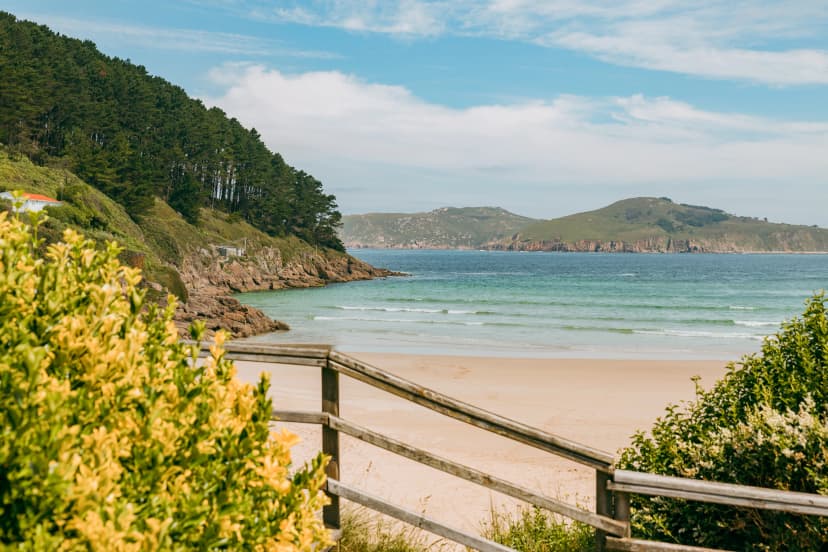
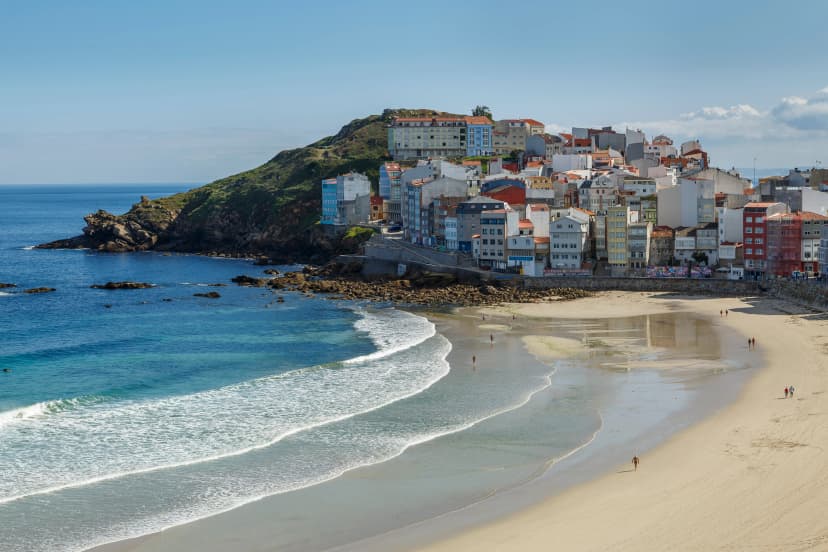
The Camino Portugués Coastal from Porto delivers consistent ocean views, beach walking, and fishing villages. The Camino del Norte follows Spain's northern coastline through dramatic cliffs, beaches, and Basque-Cantabrian coastal culture. Both routes showcase Atlantic beauty impossible on inland alternatives.
Spiritual Challenge
The Camino Primitivo as the "original way" carries historical weight—walking King Alfonso II's exact path connects you to the pilgrimage's founding moment. The full Camino Francés's length and varied terrain create legitimate endurance test. Starting further back (Lisbon, Seville) amplifies the pilgrimage's transformative potential through extended time walking.
Seasonal and Weather Considerations
Different routes shine in different seasons. The Camino Francés's Meseta section becomes brutally hot in July-August (35-40°C), while mountain sections see snow November-March. The coastal Portugués and Inglés routes maintain mild temperatures year-round but experience frequent rain October-March.
Summer (June-August): Expect heat on inland routes, crowds everywhere, and higher accommodation costs. Coastal routes (Portugués, del Norte, Inglés) offer relief through sea breezes and milder temperatures.
Shoulder seasons (April-May, September-October): Optimal for most routes—comfortable temperatures, manageable crowds, full services operational, and shoulder-season pricing. September particularly appealing as weather remains warm but summer's peak crowds disperse.
Winter (November-March): Only coastal routes (Portugués, Inglés) remain reliably walkable due to mild temperatures and year-round infrastructure. Mountain routes (Primitivo, parts of Francés and del Norte) become dangerous or impassable. Winter walking requires different mindset and preparation but rewards with profound solitude and authentic local interaction.
For detailed monthly breakdowns of temperature ranges, precipitation patterns, and seasonal crowd levels on every major route, reference our weather planning resource that helps time your pilgrimage optimally based on your preferences.
Practical Planning Tips
Once you've selected your ideal starting point, these practical steps ensure smooth preparation and confident departure.
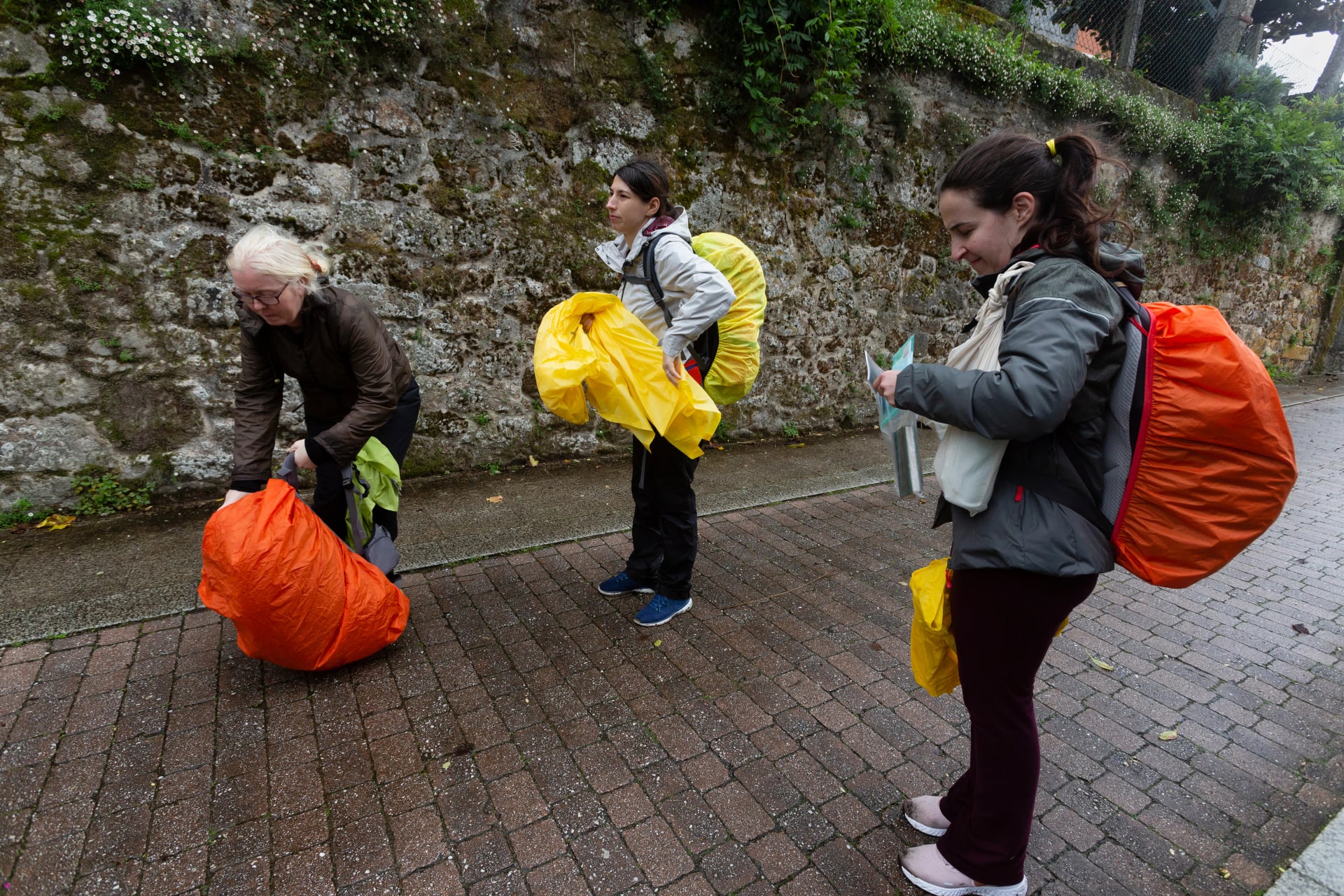
Arrive a day early: Never attempt starting your Camino the same day you arrive by plane or train. Reach your starting city the day before, allowing time to collect your pilgrim credential, explore the town, rest, purchase any missing supplies, and mentally prepare. This buffer prevents rushed, stressful starts and reduces injury risk from walking on travel-fatigued legs.
Where to obtain credentials: Every starting point city has multiple locations issuing pilgrim passports (credentials). Common sources include official pilgrim offices, cathedral sacristies, albergues, and tourist information centers. Saint-Jean's Pilgrim Office, Sarria's main albergues, Porto's Cathedral, and Ferrol's tourist office all provide credentials. Carry your credential everywhere, collecting stamps (sellos) at churches, albergues, restaurants, and town halls along the way—you'll need these to prove you walked the route when requesting your Compostela in Santiago.
First night accommodation: Book your first night in advance, especially during peak season (May-October). This eliminates arrival stress and ensures a bed awaits after your opening day. Subsequently, you can decide daily whether to book ahead or walk and hope for availability, but securing that initial night removes pressure from an already overwhelming first day.
Getting to your starting point: Major starts like Saint-Jean, Porto, and Sarria require specific transport planning. Most pilgrims fly into nearby cities (Biarritz or Pamplona for Saint-Jean, Porto for Portugués starts, Santiago or Madrid for Sarria) then take buses or trains to starting points. Research transport options months ahead—some connections run infrequently, particularly to smaller starting towns. For personalized guidance on reaching your chosen starting point and navigating logistics throughout your journey, you can schedule a planning consultation where our team addresses your specific questions and concerns based on your unique situation and travel requirements.
Shipping luggage ahead: Services like Correos (Spanish postal system) let you mail a bag from your starting point to Santiago, holding it at the main post office until arrival. This allows carrying only essential walking gear, with comfort items awaiting you at the endpoint. Alternatively, daily luggage transfer services move your bag between accommodations for roughly €5-7 per stage—worthwhile if walking with injuries, limited strength, or simply preferring to carry only a small daypack.
Start conservatively if uncertain: Many first-time pilgrims choose the safe option: walk the last 100 kilometers (Sarria or Tui) to test whether they enjoy pilgrimage. If the experience resonates, they return another year for a longer route from further back. This progressive approach lets you discover whether you love or hate albergue living, daily walking, and pilgrim culture without committing to month-long journeys before knowing if it suits you. There's absolutely no shame in starting short and extending later—many lifelong Camino lovers began this way.
Start Where It Fits
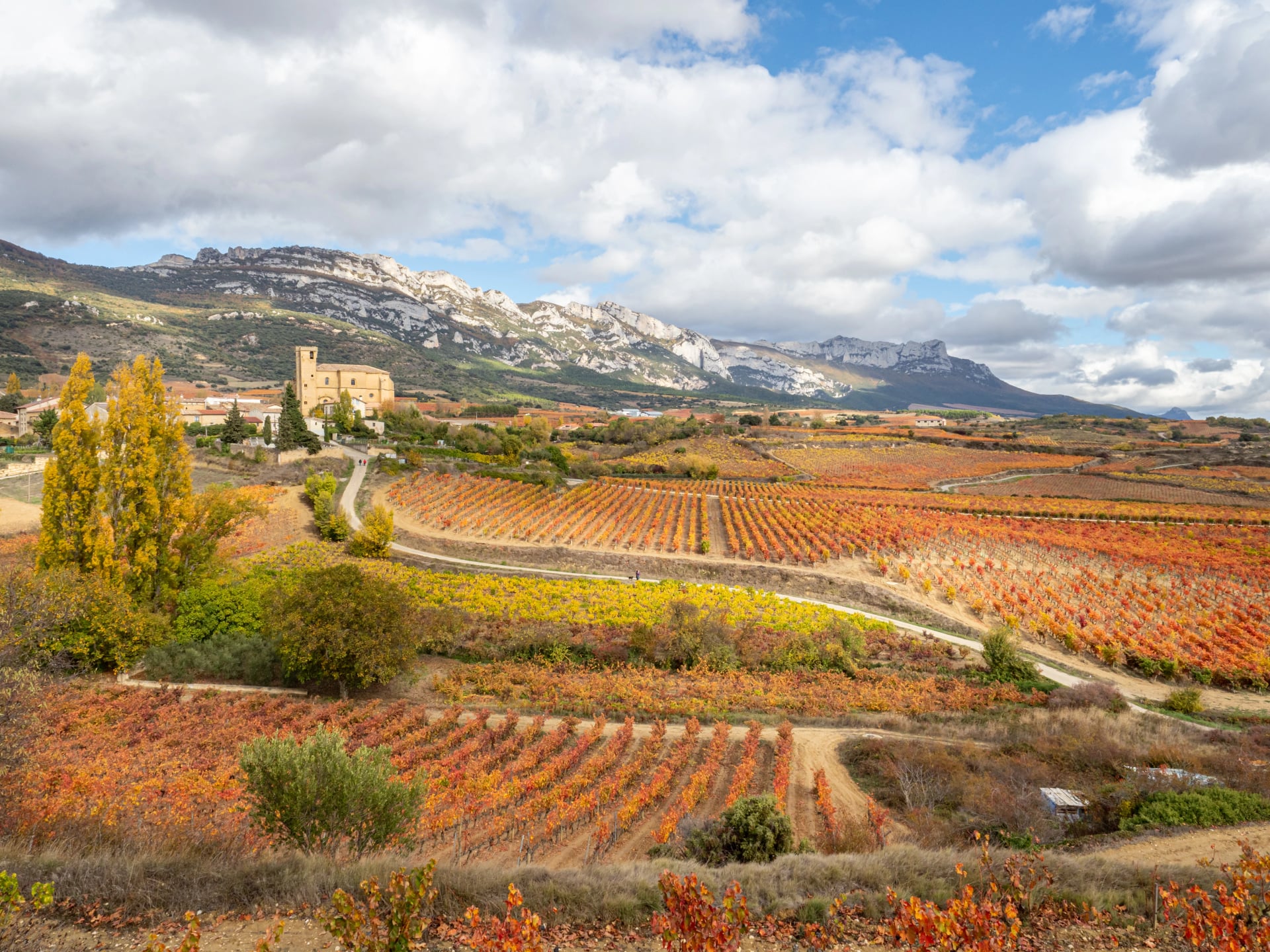
The Camino works because it adapts: whether the plan allows five days or five weeks, there’s a starting point that aligns with real-life time, fitness, and travel style—crowds or quiet, comfort or simplicity. The only real mistake is choosing a route that doesn’t match the circumstances, which is why it helps to review the full range of options available in the complete Camino tour collection.
Wherever the first step happens, it still connects to a 1,000-year tradition: pilgrims have always started from wherever they were and walked toward the same destination. For route guidance, booking, or practical questions, contact our team and our specialists will match you with the right itinerary.


HASSLE-FREE
We handle itineraries, accommodations, and anything else you prefer not to deal with, so you can enjoy a carefree hike.
.svg)
TRIED & TESTED ADVENTURES
Only the best of Camino de Santiago, cherry-picked by our local team with an in-depth knowledge of the region.

SELF-GUIDED TRAVEL
Explore independently and with confidence while we keep everything running from behind the scenes.
.svg)
TRUSTED BY MANY
Since 2014, we have taken care of thousands of happy customers, making it our mission to put your satisfaction first.