When to Walk the Camino de Santiago: Month-by-Month Weather Guide
Plan your perfect pilgrimage with this comprehensive guide to weather, crowds, festivals, accommodation availability, and pricing across all seasons.
Quick links
Timing shapes everything about your Camino experience. The difference between walking in scorching August heat through crowded Galician villages and experiencing September's golden light on nearly empty trails is profound. Over 500,000 pilgrims complete the journey annually according to 2025 data from Viajes, yet their experiences vary dramatically based on when they choose to walk. Each season offers legitimate advantages and honest trade-offs.
The Camino Season at a Glance
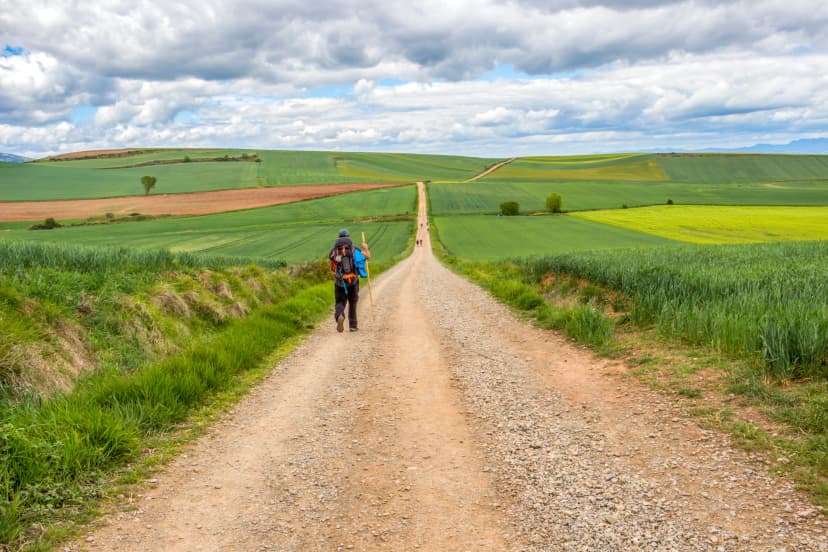
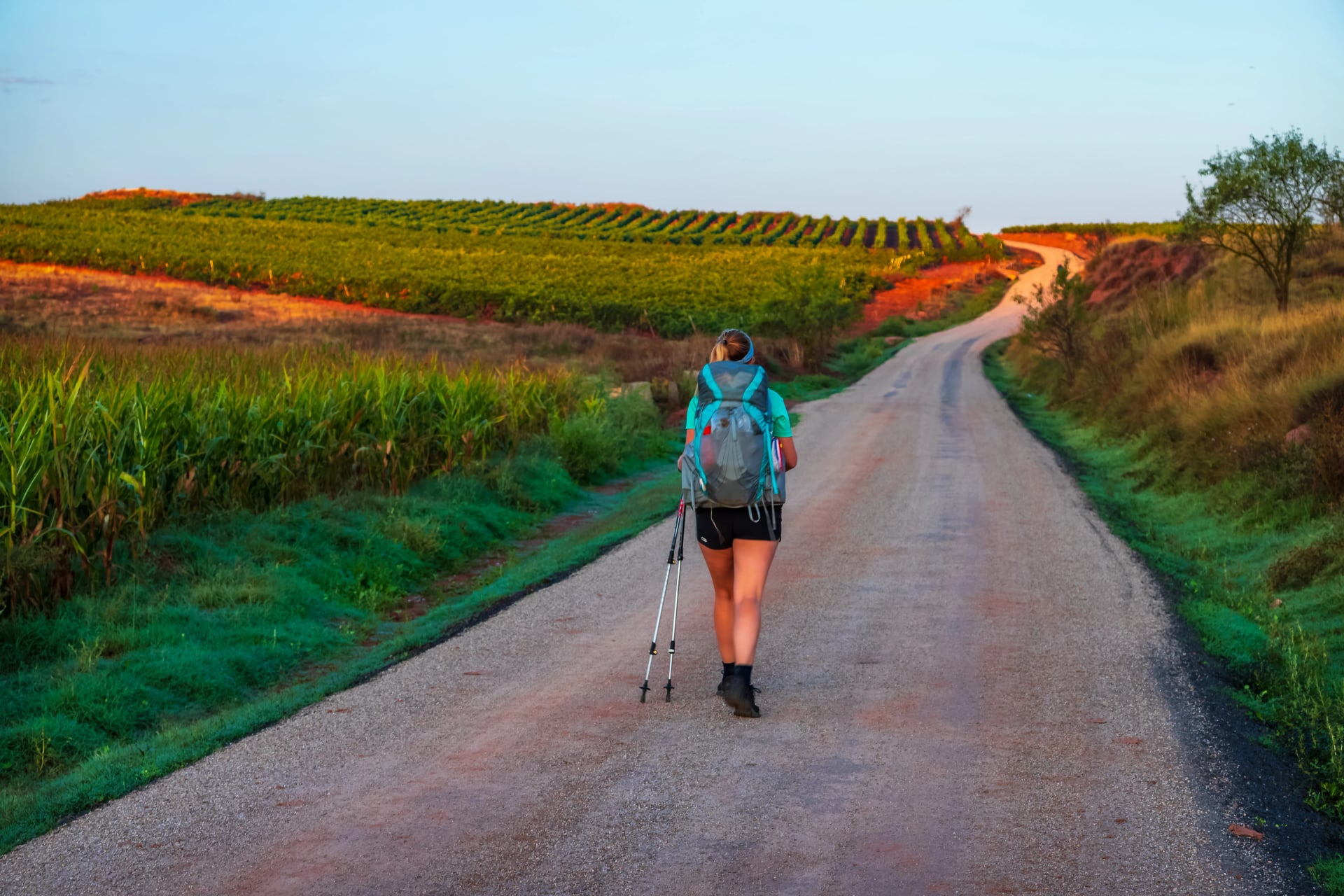
Prime Walking Season (May-September) delivers full infrastructure operation with consistent service availability. Weather patterns become relatively predictable, though the Meseta bakes under intense sun while Galicia stays moderate and occasionally rainy. This five-month window accounts for roughly 80% of annual pilgrims.
Shoulder Seasons (April and October) reward flexible travelers willing to accept variable conditions. Accommodation becomes less predictable, but prices drop 20-30% below summer rates and trails feel noticeably more peaceful. These months suit experienced travelers who prioritize solitude over guaranteed services.
Off-Season (November-March) sees infrastructure contract dramatically with many albergues closed entirely. Pilgrim numbers drop to a fraction of summer levels—some days see fewer than 50 people receiving Compostelas. Winter demands serious preparation but rewards with profound solitude and stark beauty. Pilgrims considering winter months should research thoroughly.
Our Recommendation: Target May, early June, or September for optimal balance of excellent weather, manageable crowds, full infrastructure, and reasonable prices.
Month-by-Month Breakdown
Why Choose January?
Profound solitude defines the January Camino. You may walk entire days without encountering another pilgrim, transforming the journey into intimate dialogue with landscape, history, and self. The social Camino of summer—with its nightly gatherings, international friendships, and constant companionship—disappears entirely. For pilgrims seeking meditative retreat or spiritual depth without distraction, January offers unmatched immersion.
Accommodation costs reach annual lows, with many establishments offering winter rates 40-50% below peak season. Budget-conscious pilgrims willing to accept reduced services and challenging weather can walk the entire Camino Frances for a fraction of summer expenses. Private room upgrades become affordable luxuries.
Authentic Spanish village life emerges without the tourist overlay that defines summer months. Locals interact with genuine curiosity rather than transactional efficiency, cafés serve neighborhood regulars rather than pilgrim menus, and you experience Spain as residents live it. The cultural immersion becomes significantly more authentic, though language skills become more essential.
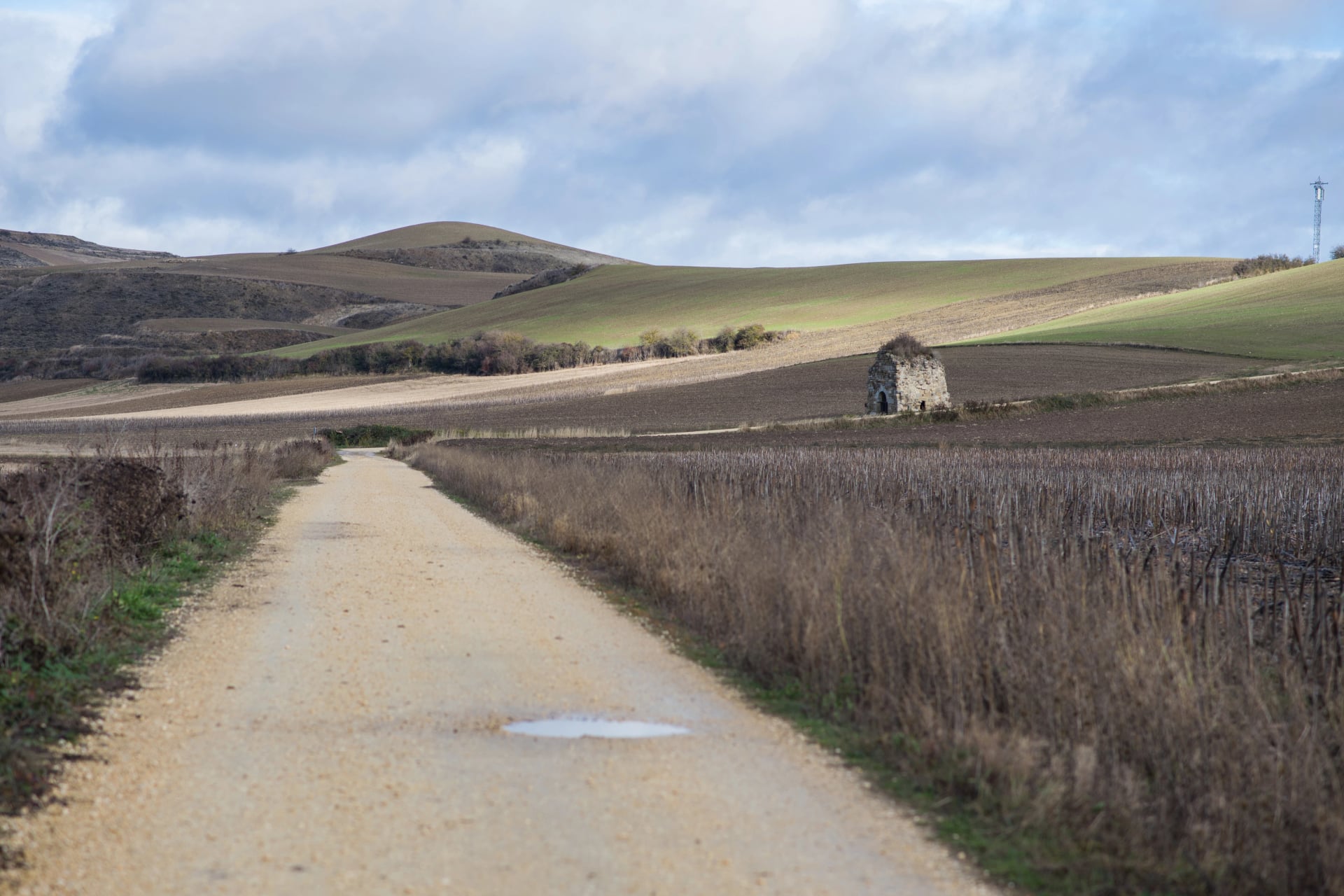
Winter landscapes reveal stark, haunting beauty. Bare trees expose village architectures hidden by summer foliage, low-angle winter sun creates dramatic shadows and golden-hour light lasting for hours, and the absence of crowds allows the ancient paths themselves—worn by centuries of feet—to speak more clearly.
Cultural Events
New Year celebrations continue into early January, and January 6th (Epiphany/Three Kings Day) brings traditional processions and special sweets in many towns along the routes.
Trade-offs
Limited accommodation availability creates genuine challenges. Many albergues close entirely, forcing reliance on hotels, pensiones, or the handful of year-round municipal albergues. This limits daily stage flexibility—you must plan around available lodging rather than adjusting distances based on how you feel.
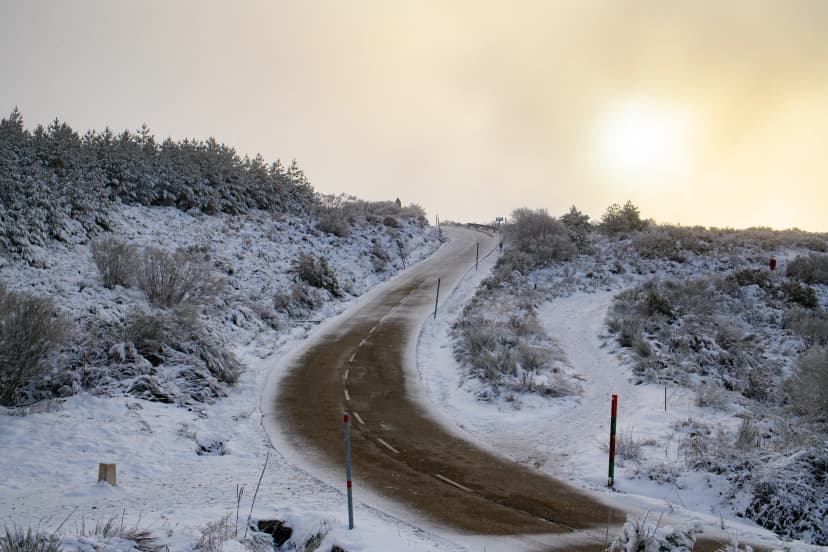
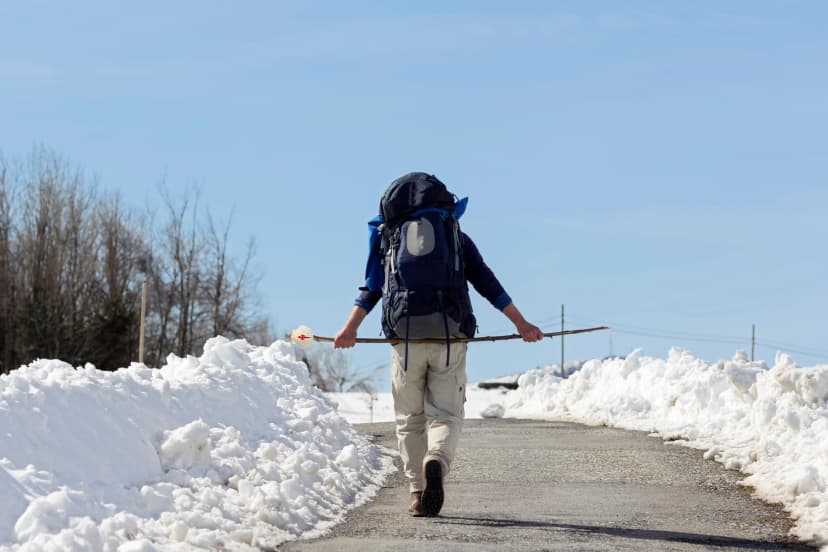
Weather remains genuinely harsh and unpredictable. Cold rain, occasional snow, persistent wind, and short daylight hours (only 9-10 hours in early January) compress walking windows and create uncomfortable, sometimes dangerous conditions. Proper waterproof gear, warm layers, and contingency plans become essential.
Best for: Experienced pilgrims comfortable with challenging conditions and minimal services, those seeking extreme solitude and spiritual retreat, budget travelers prioritizing cost savings, winter Camino enthusiasts testing capabilities.
Pro tip: The Camino Francés remains most viable during January due to its infrastructure and population density. Coastal routes become significantly more challenging with reduced services.
Why Choose February?
The month offers marginally better weather than January while maintaining exceptional solitude. Temperature improvements feel significant after January's harshness, and occasional sunny days provide genuine pleasure rather than just absence of misery. Walking becomes more comfortable, though still demanding proper preparation.
Pre-spring opening begins as forward-thinking albergue owners, hotels, and restaurants prepare for the approaching season. By late February, service availability improves noticeably, especially along the Francés and more popular routes. You gain flexibility unavailable in deepest winter while maintaining the peaceful, uncrowded experience.
Carnival brings vibrant cultural experiences to towns along the routes. Traditional costumes, street celebrations, music, and regional foods create festive atmosphere completely different from pilgrimage solemnity. Experiencing these authentic Spanish traditions without summer tourist crowds offers rare cultural immersion.
February remains genuinely affordable, with accommodation, food, and services priced for locals rather than peak-season pilgrims. Budget stretches further, making longer journeys more financially accessible. The combination of improving weather and low costs creates excellent value.
Cultural Events
Carnival (Carnaval) celebrations occur in late February or early March, with Galician towns hosting particularly vibrant festivities featuring traditional masks and costumes.
Trade-offs
Unpredictable weather continues—February can deliver beautiful spring-like days or harsh winter storms with little warning. The month sits between seasons, inheriting challenges from both while fully committing to neither. Flexibility and backup plans remain essential as conditions shift rapidly.
Infrastructure remains limited compared to spring and summer. While improving from January, many establishments stay closed, particularly in smaller villages and along less-traveled routes. Daily stages require careful planning around available services.
Best for: Off-season pilgrims who appreciate quieter trails but want slightly better conditions than deep winter, budget travelers seeking low costs with improving weather, cultural enthusiasts timing arrival for Carnival festivities.
Pro tip: Late February—roughly February 20-28—represents the sweet spot as weather trends upward, services increasingly reopen, and daylight extends noticeably while maintaining winter's peaceful character.
Why Choose March?
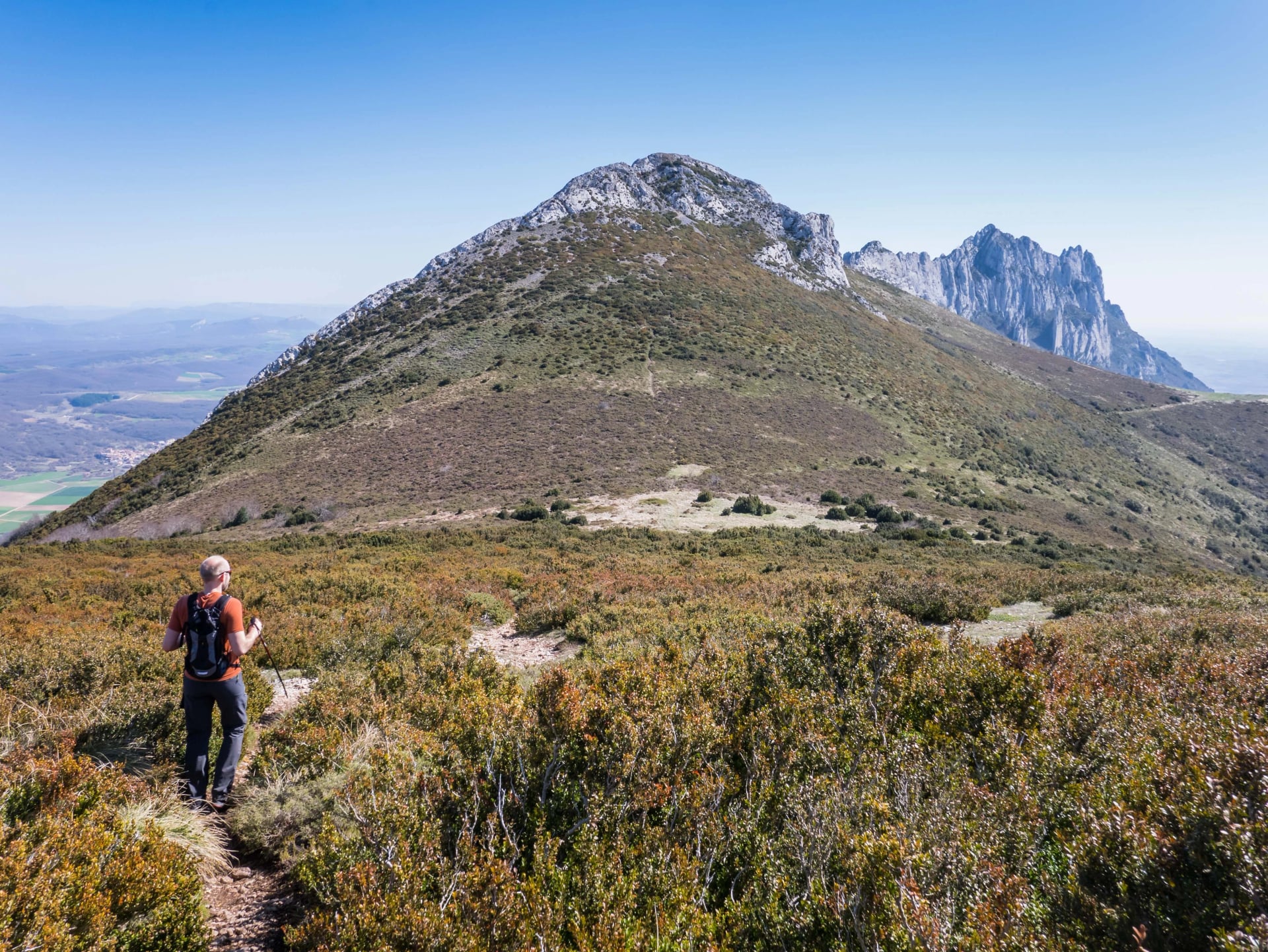
Spring arrives with palpable energy and renewal. The landscape awakens daily—trees bud visibly, wildflowers carpet meadows and roadsides, birds return from southern migrations, and farmers begin spring planting. This transformation creates constantly changing scenery and reinforces pilgrimage themes of renewal and rebirth. The physical environment mirrors internal journeys in ways absent during static summer or dormant winter.
Services expand significantly as the approaching season motivates reopenings. By mid-March, most established pilgrim infrastructure operates normally, though some remote or less-popular establishments wait until April. Accommodation availability improves dramatically, allowing more spontaneous planning.
Pilgrim numbers remain moderate throughout most of March, creating pleasant middle ground between winter isolation and summer crowds. You'll encounter fellow walkers—perhaps 10-30 daily on popular sections—enough for occasional conversation and social connection without the overwhelming masses that define peak season.
Easter celebrations offer profound cultural and spiritual experiences when Holy Week falls in March. Elaborate processions through medieval towns, traditional religious observances, special foods, and community gatherings create powerful cultural immersion. Witnessing Semana Santa along the Camino provides context and depth to the pilgrimage's religious heritage.
Cultural Events
Semana Santa (Holy Week) sometimes falls in late March, bringing spectacular religious processions and celebrations throughout Spain, particularly in León and Burgos.
Trade-offs
Weather variability remains significant as winter and spring battle for dominance. Beautiful sunny days alternate with cold rain or even late snow in higher elevations. Pack for both seasons, expect rapid changes, and maintain flexibility when conditions deteriorate unexpectedly.
Holy Week creates accommodation pressure in popular areas. When Easter falls in March, the traditionally quiet month experiences temporary crowd surge as Spanish families take holiday. Advance booking becomes essential for Holy Week dates—sometimes months ahead for popular towns.
Best for: Spring enthusiasts who enjoy seasonal transition and landscape awakening, those comfortable with variable weather and moderate planning requirements, cultural travelers interested in Semana Santa traditions, pilgrims seeking balance between solitude and community.
Pro tip: Check Easter dates before finalizing March travel. If Holy Week falls late March, book accommodations 2-3 months ahead for affected dates and expect prices to spike temporarily.
Why Choose April?
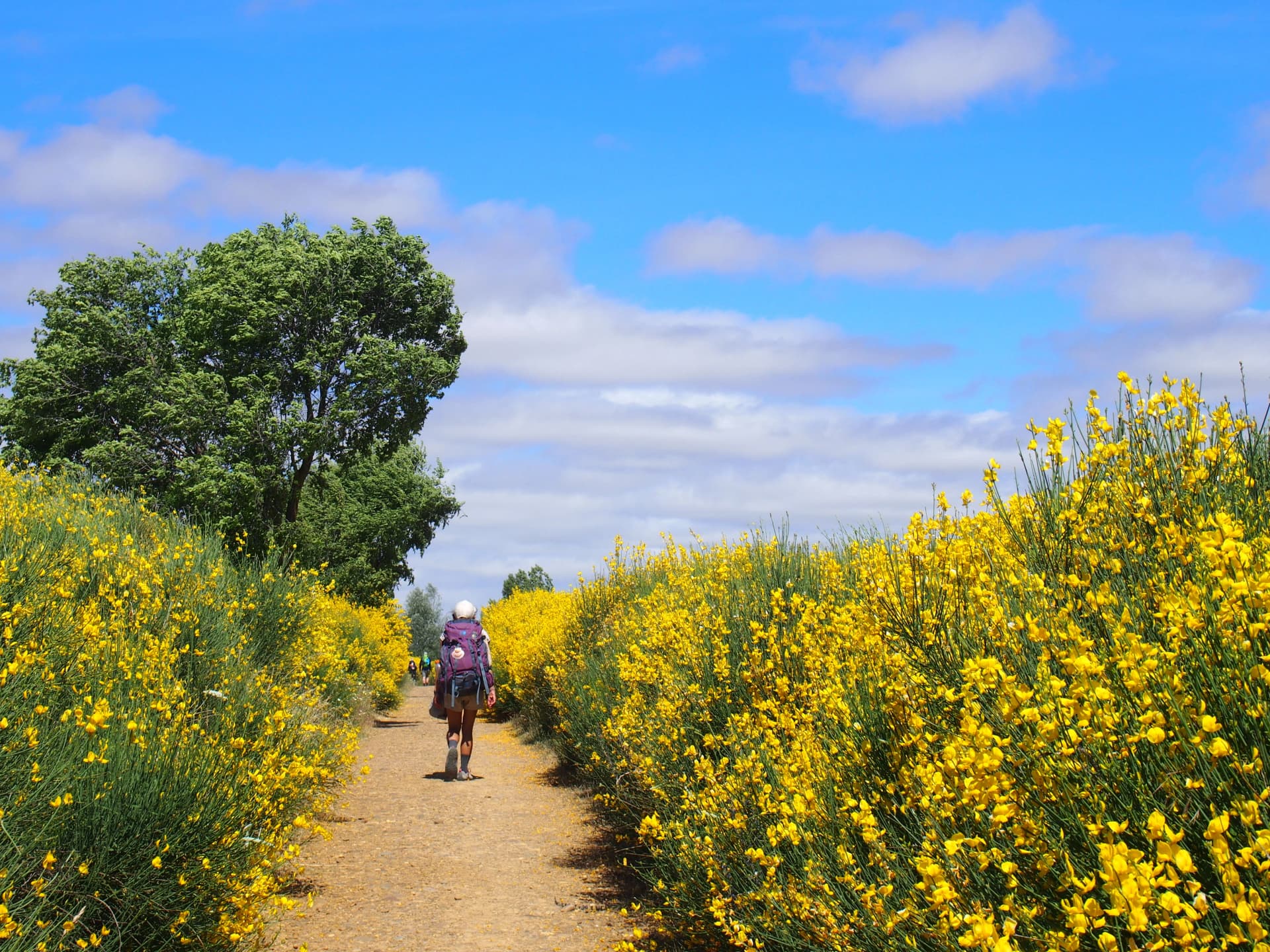
Peak wildflower displays transform the landscape into botanical gardens. Poppies carpet fields alongside the Meseta in brilliant red, yellow gorse lines northern coastal paths, and dozens of wildflower species create constantly changing natural beauty. For nature enthusiasts and photographers, April offers the most vibrant and colorful Camino of the entire year.
Comfortable temperatures make walking genuinely pleasant across all routes. The Meseta remains mild rather than scorching, mountain passes lose their winter severity, and coastal paths offer perfect conditions. You'll rarely feel too hot or too cold—April hits the sweet spot where weather enhances rather than challenges the walking experience.
Holy Week processions and celebrations reach their most elaborate and moving expressions when Easter falls in April. Major cities along routes—particularly León, Burgos, and Santiago—host spectacular religious processions with centuries-old traditions. Cofradías (religious brotherhoods) carry massive pasos (floats depicting biblical scenes) through medieval streets, accompanied by drums, brass bands, and thousands of participants.
Crowds remain manageable outside Holy Week itself. Most of April offers excellent balance—enough pilgrims for social connection and trail camaraderie without the overwhelming masses that define summer. Infrastructure operates reliably, services are fully available, yet trails maintain peaceful character.
Cultural Events
Semana Santa (Holy Week) often falls in April, with the most impressive celebrations in León, Burgos, Astorga, and Santiago. Post-Easter, spring festivals begin appearing in Galician villages.
Trade-offs
Semana Santa creates temporary chaos in popular areas. The week before Easter brings Spanish holiday travelers, religious pilgrims, and tourists simultaneously, overwhelming accommodation in major cities. Albergues fill completely, hotels triple prices, and the normally orderly pilgrimage rhythm dissolves into scramble for beds. Walking during Holy Week requires advance booking 2-3 months ahead.
Northern routes still experience considerable rain throughout April. The Camino del Norte, Primitivo, and coastal Portuguese routes receive frequent precipitation—expect wet days to outnumber dry ones in Asturias and Galicia. Proper rain gear remains essential. Pilgrims walking these routes should research our Camino starting points guide and their seasonal weather patterns.
Best for: First-time pilgrims seeking ideal conditions without peak crowds, wildflower enthusiasts and nature photographers, cultural travelers wanting Semana Santa experiences, those comfortable with April weather variability, spring hikers who prefer moderate temperatures.
Pro tip: Early April (first two weeks) offers the best combination—spring conditions established, wildflowers blooming, services operational, crowds still light, and Easter pressure hasn't materialized yet.
Why Choose May?
Near-perfect weather defines May across nearly all Camino routes. Temperatures sit in the ideal range—warm enough for comfortable walking without excessive heat, cool enough that climbing and sustained effort remain pleasant. The Meseta hasn't yet reached its notorious summer intensity, mountain passes stay comfortable at midday, and coastal routes offer consistently beautiful conditions. May delivers the most reliably pleasant walking weather of the entire year.
Manageable crowds throughout most of the month maintain excellent trail rhythm. Early May feels particularly peaceful as April's moderate traffic continues while summer surge hasn't begun. Even late May, though increasingly busy, never reaches July-August intensity. You'll encounter 30-60 pilgrims daily on popular sections—enough for social connection, evening conversations, and trail friendships without overwhelming crowding.
Vibrant green landscapes create spectacular scenery that disappears by midsummer. Spring rains have nourished everything, trees display peak foliage, grass remains lush even on the Meseta, and the entire countryside looks alive and fertile. The visual beauty enhances daily walking and provides constantly changing natural environments.
Full infrastructure with reasonable prices offers maximum convenience without peak-season premiums. All services operate reliably, accommodations maintain availability with modest advance booking, restaurants serve full menus, and support infrastructure functions smoothly. Yet prices remain 10-20% below July-August peaks.
Cultural Events
May 1st (Labor Day) brings celebrations and closures in some towns. Various spring festivals and religious processions occur throughout the month in Galician villages.
Trade-offs
Building crowds toward month's end shift May's character noticeably. Early May feels like extended April with spring's peaceful quality, but after May 20th, traffic increases significantly as summer vacation planning begins. Late May weekends can feel genuinely crowded, especially approaching Santiago on the final 100 kilometers.
Some heat begins appearing on the Meseta during late May afternoons. While nothing like July's intensity, temperatures can reach 25-28°C in exposed sections between Burgos and León. Starting early becomes important, and midday breaks in shaded areas make walks more comfortable. For pilgrims considering the various shorter Camino options, May offers ideal conditions.
Best for: First-time pilgrims seeking maximum reliability, experienced walkers who appreciate optimal conditions, anyone prioritizing weather certainty over extreme solitude, budget-conscious travelers wanting good value, spring enthusiasts.
Pro tip: May 1-20 represents the absolute sweet spot. Spring fully established, crowds still moderate, weather consistently excellent, and summer heat hasn't arrived. If your schedule offers any flexibility, target these three weeks.
Why Choose June?
Consistently beautiful weather across all routes makes June one of the Camino's most reliable months. Clear skies dominate, rain rarely interrupts plans, and temperatures stay in the comfortable range—warm but not oppressive. The predictability allows confident planning, flexible scheduling, and generally pleasant daily walking without weather concerns disrupting travel flow.
Social atmosphere intensifies as pilgrim numbers grow but haven't yet reached peak intensity. June offers excellent balance between community and breathing room—you'll make trail friends, enjoy lively evening conversations at albergues, encounter diverse international pilgrims, yet maintain some personal space and contemplative walking.
Peak daylight hours support ambitious walking or extremely relaxed pacing depending on preference. Starting at 6 AM allows reaching distant destinations comfortably, while 9 AM departures still provide ample daylight for moderate stages. Evening light extends until 9:30-10 PM, creating long, leisurely evenings for exploration.
All infrastructure operates at absolute peak efficiency. Every service functions daily with full staffing, accommodations maintain consistent availability, restaurants serve complete menus, and support systems—luggage transfer, taxi services, emergency assistance—respond reliably.
Festivals and cultural events increase throughout June as Spanish summer season begins. Local fiestas, regional celebrations, traditional music performances, and cultural activities provide entertainment and authentic experiences beyond walking itself.
Cultural Events
Saint John's Eve (June 23rd) brings bonfires and celebrations in many towns, particularly in Galicia. Summer festival season begins with local fiestas throughout the routes.
Trade-offs
Crowds build significantly, particularly after mid-June when European school holidays begin. The final 100 kilometers from Sarria becomes genuinely busy with several hundred pilgrims daily walking the minimum distance for Compostela certificates. Popular albergues fill quickly, requiring earlier arrivals or advance booking.
Heat on the Meseta becomes serious during June afternoons. Sections between Burgos and León experience temperatures exceeding 30°C (86°F) regularly, and exposed walking without shade creates genuine challenges. Early morning starts become essential rather than optional, and hydration requirements increase significantly.
Prices climb toward peak season as accommodations and services recognize increasing demand. While not yet at July-August maximums, costs rise 15-25% above May rates.
Best for: First-time pilgrims wanting reliability with manageable crowds, social walkers who enjoy communal atmosphere, those seeking optimal weather without July-August intensity, anyone with schedule flexibility avoiding peak summer.
Pro tip: Early June (June 1-15) captures May's advantages—excellent weather, moderate crowds, full services—while late June transitions into peak season with notably more traffic and building heat.
Why Choose July?
Absolute weather certainty defines July—you can plan with confidence that rain won't disrupt schedules, trails will be dry and accessible, and conditions will remain stable and predictable. This reliability matters significantly for fixed vacation schedules, international travel coordination, or anyone uncomfortable with weather uncertainty. July simply delivers what it promises: hot, dry, sunny weather daily.
Vibrant social atmosphere reaches maximum intensity. The Camino's communal character—evening gatherings, international friendships, nightly conversations across languages and cultures—flourishes when hundreds of pilgrims walk together daily. Albergues buzz with energy, restaurants fill with animated conversations, and the traditional Camino community spirit emerges fully.
All infrastructure operates at absolute peak capacity with maximum staffing, extended hours, and responsive services. Every imaginable support system functions smoothly—luggage transfer companies run multiple daily pickups, taxi services stay available 24/7, medical assistance responds immediately.
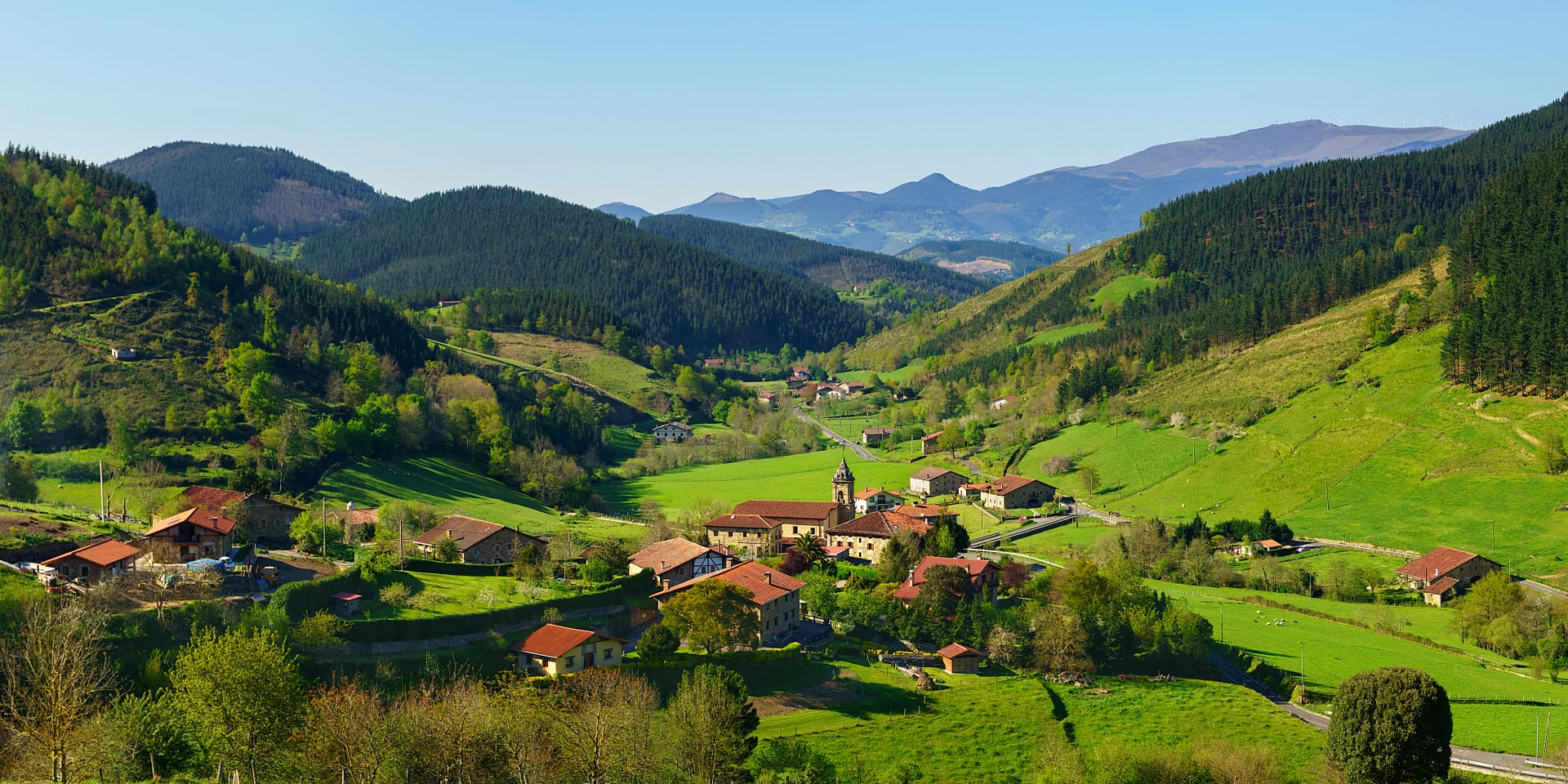
Saint James Day (July 25th) creates extraordinary experiences in Santiago. The feast of Santiago Apostol brings massive celebrations, special cathedral masses (with the Botafumeiro swinging if the date falls on a Sunday), traditional music and dancing, fireworks, and citywide festivities. Arriving in Santiago during this week offers powerful culmination to the pilgrimage journey.
Long daylight hours extend usable walking time significantly—sunrise arrives before 6 AM and daylight persists past 10 PM. This flexibility allows extremely early starts to beat heat, extended afternoon arrivals when needed, and leisurely evening exploration.
Cultural Events
Saint James Day (July 25th) is the biggest celebration of the year in Santiago, with the week before and after featuring concerts, fireworks, and special masses. When July 25th falls on a Sunday, it becomes a Holy Year (Año Santo) with extraordinary festivities.
Trade-offs
Extreme heat on interior routes creates serious challenges. The Meseta's exposed plains between Burgos and León offer minimal shade, and walking during midday hours becomes genuinely dangerous. Heat exhaustion and dehydration affect unprepared pilgrims regularly. Starting by 6 AM becomes mandatory rather than suggested.
Overwhelming crowds transform the Camino's character entirely. The final 100 kilometers sees 400-600+ pilgrims daily during peak July weeks, creating congestion at albergues, restaurants, and popular attractions. Accommodation requires advance booking 2-3 months ahead, and popular municipal albergues fill by early afternoon. Privacy disappears, noise levels increase.
Peak pricing across all services makes July the most expensive month. Albergues, hotels, restaurants, and support services charge maximum rates, and budget options vanish as demand overwhelms supply. Walking the entire Camino Frances during July can cost 30-50% more than May or September.
Best for: Fixed vacation schedules with no flexibility, social pilgrims who thrive on busy communal atmosphere, those wanting absolute weather certainty, families traveling during school holidays, pilgrims arriving in Santiago for Saint James Day celebrations.
Avoid if: You're heat-sensitive, seeking peaceful contemplative experience, operating on tight budget, uncomfortable with crowds and noise, prefer flexible spontaneous planning, or want wildlife and nature focus.
Pro tip: Consider coastal routes (Norte, Portuguese Coastal) during July rather than the Frances route. Atlantic influence keeps temperatures 8-12°C cooler, crowds thin dramatically, and the walking experience remains pleasant.
Why Choose August?
Maximum weather stability makes August meteorologically the most predictable month. Rain becomes extremely rare, temperatures follow consistent patterns, and you can plan with near certainty that conditions will cooperate. This reliability particularly benefits international travelers coordinating flights, fixed schedules, or those uncomfortable with any weather uncertainty.
Peak social and communal experience offers unmatched opportunities for international connections. The diversity of pilgrims—representing dozens of countries, age groups, backgrounds, and motivations—creates extraordinary human tapestry. Evening conversations span continents, friendships form across language barriers, and the Camino's universal appeal manifests tangibly.
All services operate at absolute maximum capacity with extended hours, additional staffing, and comprehensive support. Every imaginable need has responsive infrastructure—urgent medical care, equipment replacement, emergency transportation, specialized dietary accommodations—whatever challenges arise, solutions exist.
Spanish festival season continues with local celebrations throughout regions. Summer fiestas bring traditional music, regional foods, fireworks, and community gatherings that welcome pilgrims as participants rather than spectators. These authentic cultural experiences provide depth beyond walking itself.
Cultural Events
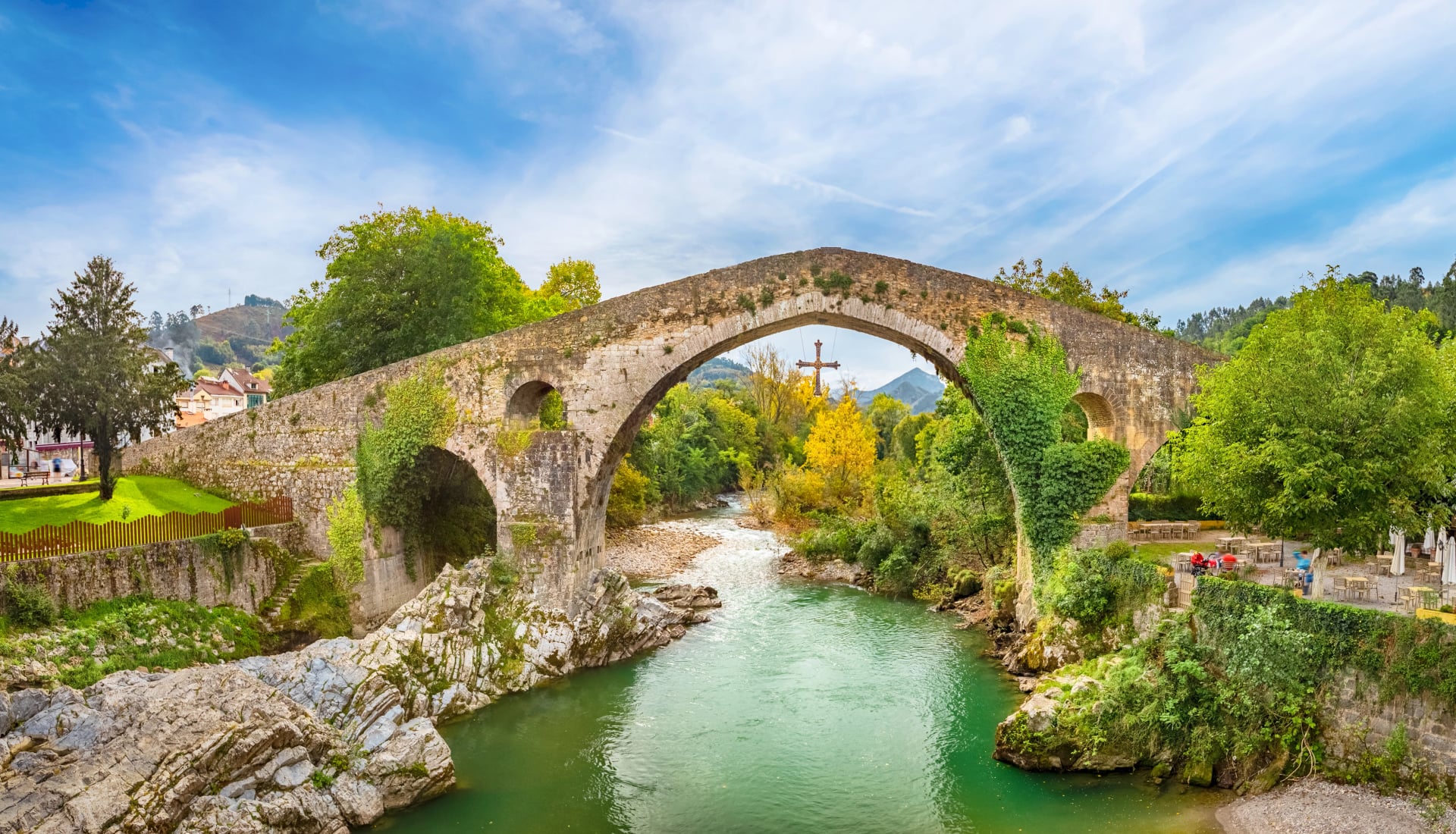
August 15th (Assumption of Mary) is a major Spanish holiday with religious processions and celebrations. Many towns host summer festivals (fiestas patronales) throughout the month with traditional music and dancing.
Trade-offs
Overwhelming crowds reach annual maximum. The busiest August weeks see 600-800+ daily arrivals in Santiago, with proportional traffic throughout popular routes. The Camino Frances becomes genuinely congested—albergues fill by noon, restaurants maintain waiting lists, and popular attractions require queuing. The contemplative pilgrimage experience effectively disappears.
Accommodation booking essential 2-3 months ahead for popular routes and major cities. Spontaneous planning becomes impossible during peak August weeks, and desirable accommodations sell out months in advance. Budget options vanish as even basic albergues fill completely.
Maximum pricing across all categories makes August the costliest month. Services charge premium rates reflecting peak demand, and budget-conscious pilgrims face difficult choices. Total trip costs can exceed May or September by 40-60%.
Intense heat continues on interior routes with the same challenges as July—early morning starts mandatory, midday walking dangerous, hydration demanding constant attention. The Meseta remains genuinely challenging for heat-sensitive pilgrims.
Best for: Families with school-age children (often no choice), social travelers actively seeking busy communal atmosphere, those with completely fixed August schedules, pilgrims who thrive on energy and activity.
Avoid if: You're seeking peaceful contemplative experience, operating on limited budget, uncomfortable in crowds, heat-sensitive, prefer spontaneous planning, or value solitude and nature immersion.
Pro tip: If August travel is mandatory, consider lesser-known routes like Camino Ingles, Via de la Plata, or Camino Invierno where crowds remain moderate even during peak season. Those interested in unique alternatives might explore the Via de la Plata guide for detailed information.
Why Choose September?
Ideal temperature range makes September physically the most comfortable walking month for most pilgrims. The oppressive heat that challenged July-August walkers disappears, yet temperatures stay warm enough for pleasant hiking without heavy layers. Morning starts feel crisp and energizing, midday walking remains comfortable, and evenings offer perfect conditions.
Dramatically reduced crowds transform the Camino's character immediately after September 1st when European school holidays end. Traffic drops by 50-70% compared to August, with further decreases as the month progresses. Popular albergues that required booking months ahead in summer accept walk-in arrivals, restaurants maintain immediate seating, and trails feel genuinely spacious.
Crystal clear air and exceptional visibility create spectacular conditions for landscape appreciation and photography. September's atmospheric clarity allows views extending 50-100+ kilometers on clear days, revealing distant mountain ranges and creating dramatic visual perspectives. The quality of light—especially during extended golden hours—produces the year's most beautiful conditions for capturing landscapes.
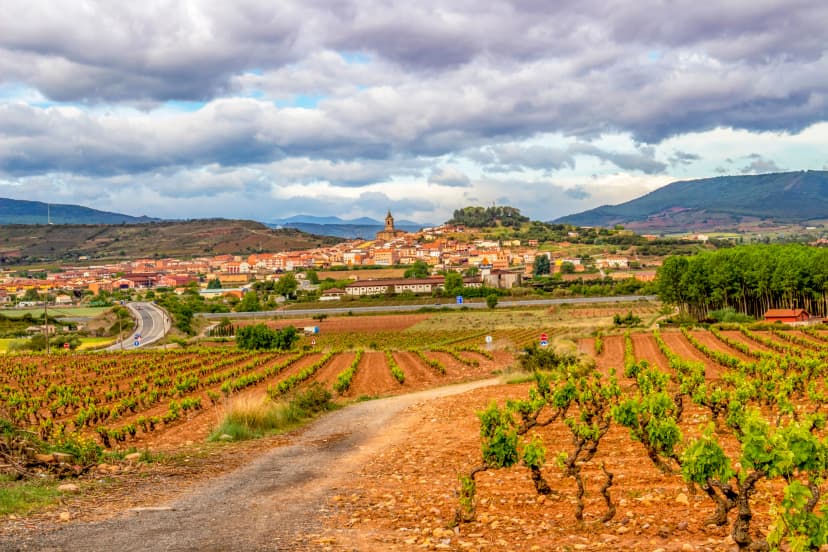
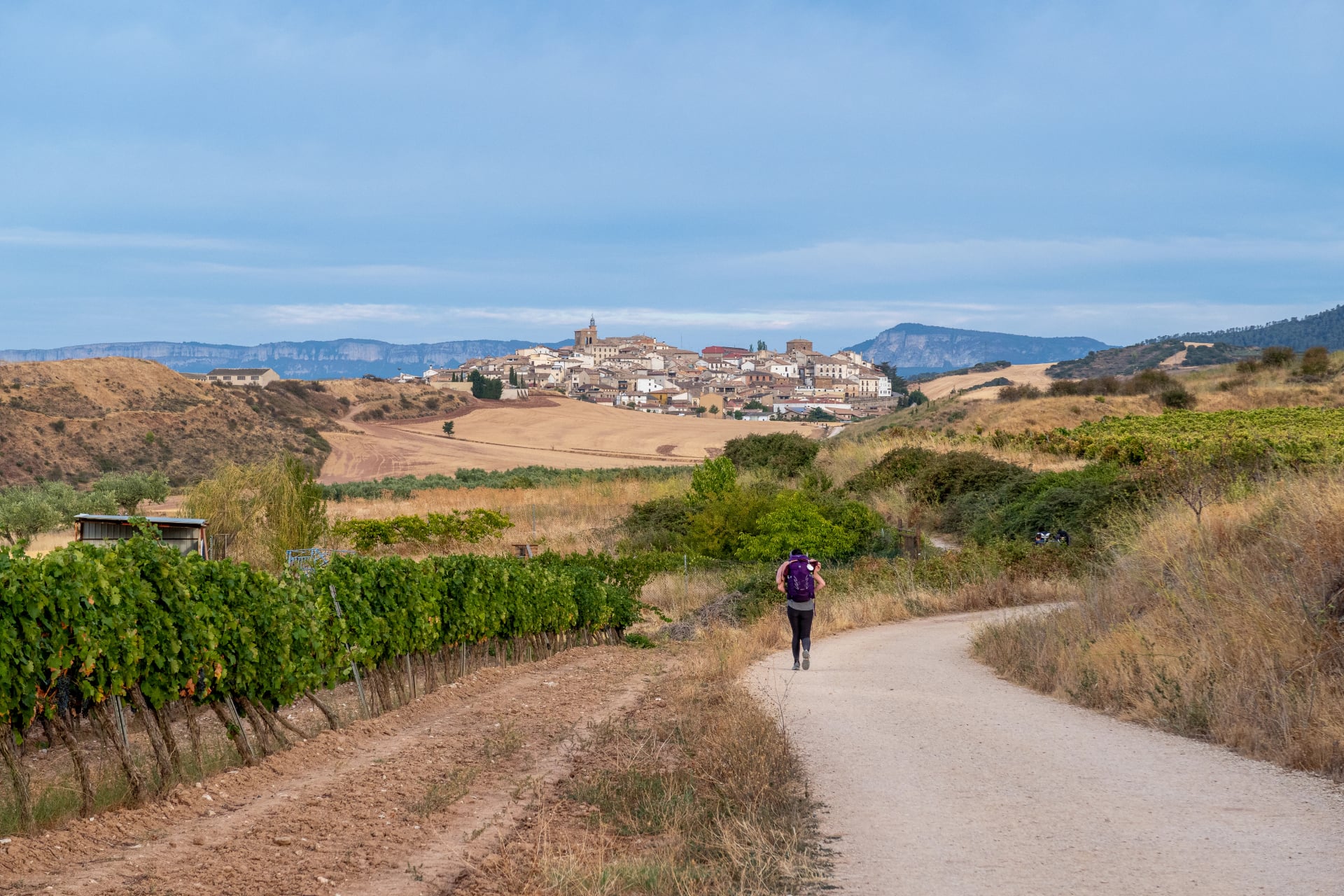
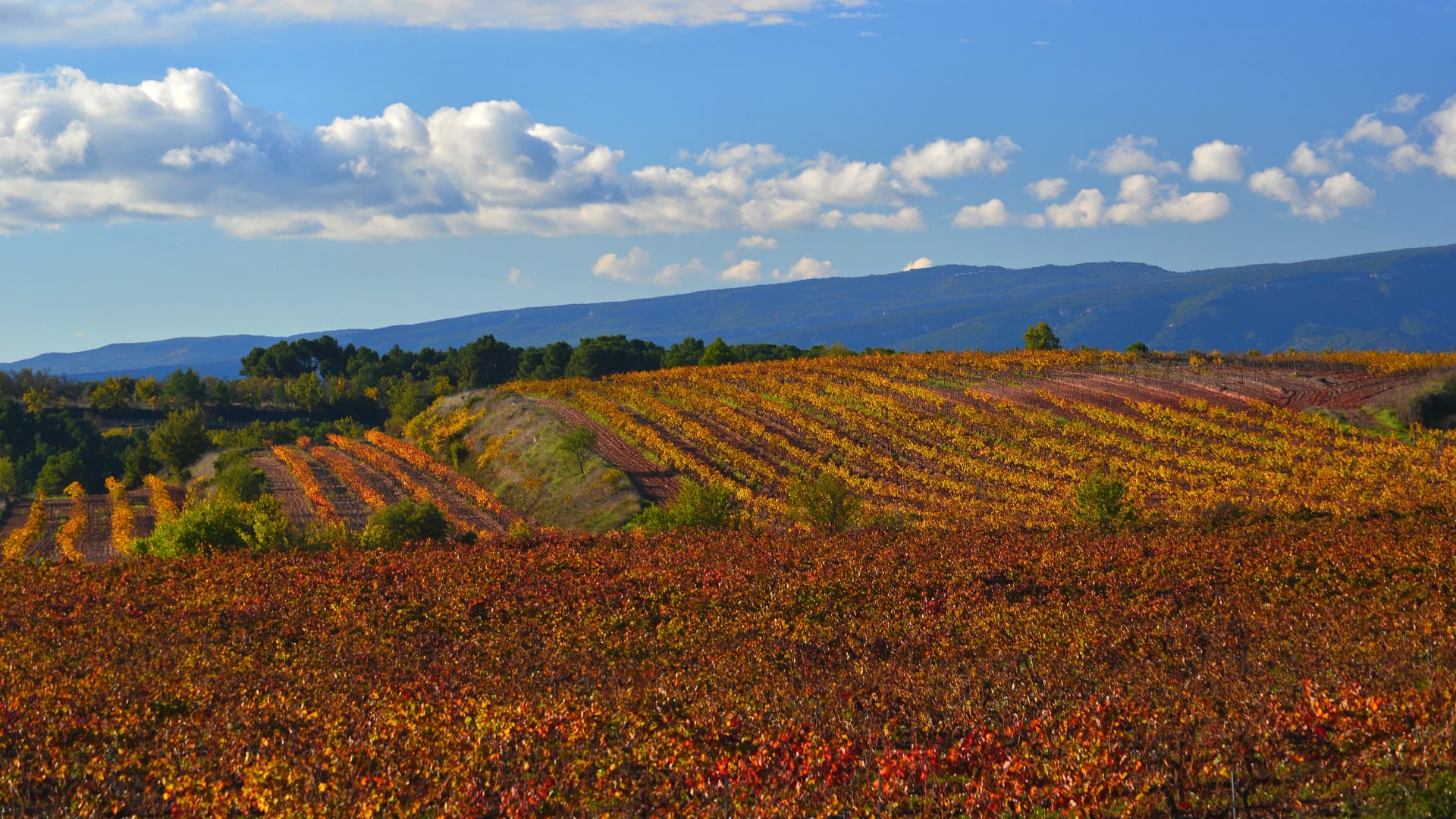
Autumn colors begin emerging in late September, particularly in Galicia and mountainous regions. Trees transition toward brilliant yellows and golds, vineyard leaves turn deep reds, and the landscape transforms daily with visible change. The visual beauty rivals spring's wildflowers while offering completely different aesthetic character.
Harvest season brings regional food festivals, wine celebrations, and traditional events tied to agricultural cycles. These authentic cultural experiences—grape harvests, apple festivals, mushroom season—offer insights into rural Spanish life. Many pilgrims rate September's culinary opportunities as the year's best, with fresh seasonal produce and new wine releases.
Excellent value pricing returns as shoulder season rates replace peak summer premiums. Accommodations and services charge 20-40% less than August, making September exceptionally cost-effective. Combined with optimal conditions and reduced crowds, September offers perhaps the best overall value of any month.
Cultural Events
Grape harvest festivals in Rioja region, apple festivals in Asturias, and mushroom season celebrations in Galicia. Many towns celebrate their patron saint festivals (fiestas patronales) in September.
Trade-offs
Shortening daylight requires earlier starts and more careful stage planning than summer months. A comfortable 9 AM departure in July may result in arriving after dark by late September. Starting by 7-8 AM becomes standard practice for longer stages.
Increasingly cool nights necessitate warmer sleeping gear and layers. Early September evenings stay pleasant, but late September nights drop to 8-12°C in many areas, requiring proper sleeping bags and warm clothing. The temperature variation between warm afternoon walking and cool evening arrivals becomes significant.
Some services begin closing toward month's end, particularly smaller establishments in remote villages or less-traveled routes. While major routes maintain full services throughout September, lesser-known paths may see reduced accommodation options after September 20th.
Best for: Experienced pilgrims who appreciate optimal conditions, budget-conscious travelers seeking excellent value, photographers and nature enthusiasts, anyone prioritizing comfortable weather with peaceful trails, autumn lovers, harvest season enthusiasts. For those preparing their journey, reviewing Camino preparation and training information helps ensure readiness.
Our top recommendation: September, particularly the first three weeks, delivers the best overall Camino experience when all factors are weighted equally—beautiful weather, manageable crowds, full services, reasonable costs, stunning scenery.
Pro tip: September 1-20 captures summer reliability without summer crowds or heat, while late September adds autumn colors and even quieter trails but requires warmer gear and earlier starts.
Why Choose October?
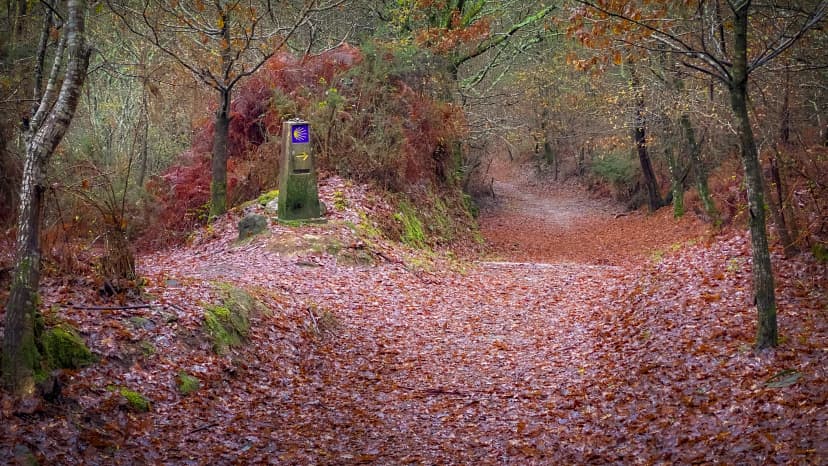
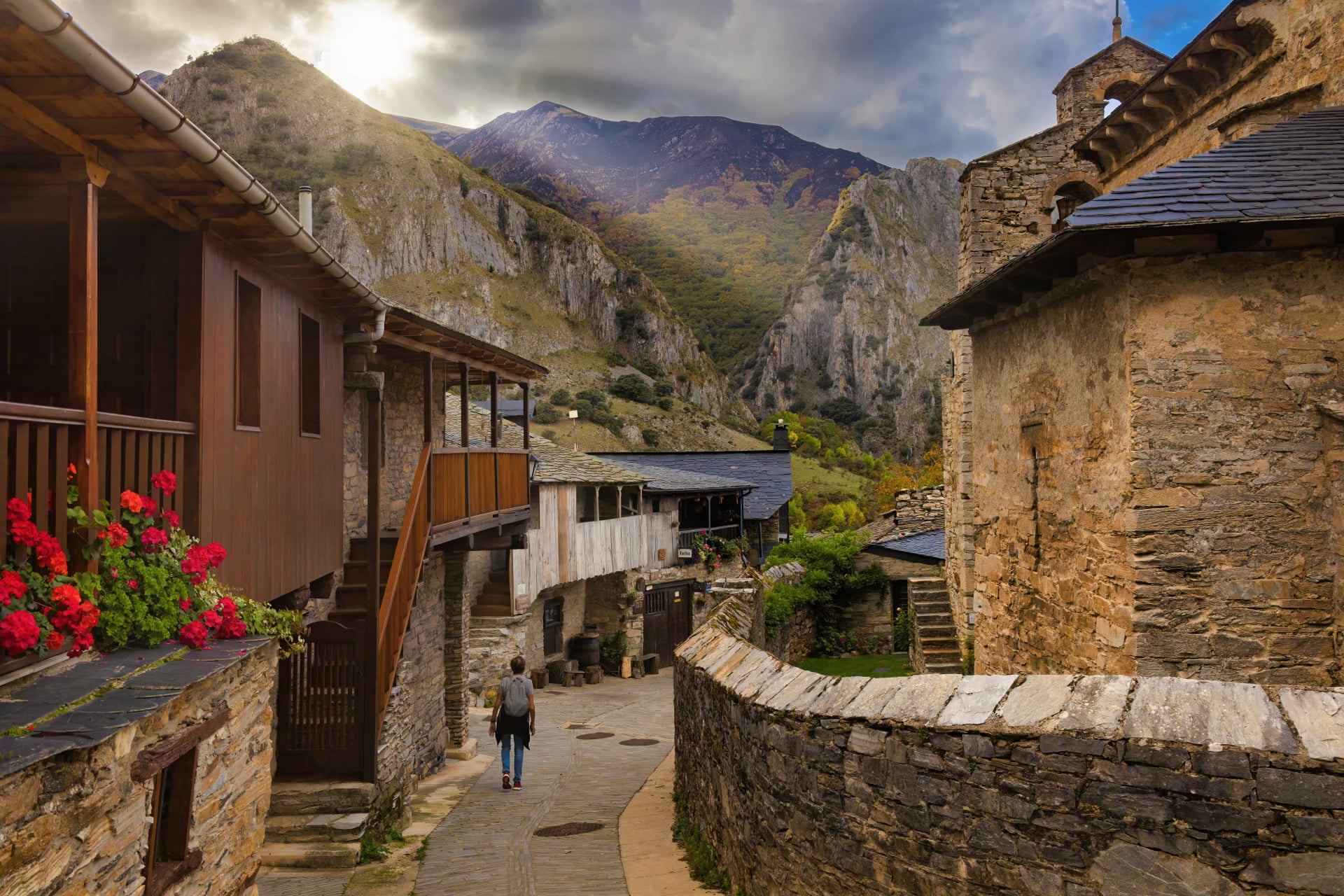
Peak autumn color transforms the landscape into spectacular displays of gold, orange, and red foliage. Trees lining paths create tunnel-like canopies of brilliant color, vineyard leaves turn deep burgundy, and mountainous areas display dramatic fall foliage. For photographers and nature lovers, October offers the most visually stunning Camino of the entire year.
Genuine solitude returns as pilgrim numbers drop to 25-40% of summer levels. You may walk hours without encountering other pilgrims on less-traveled sections, and even popular routes feel genuinely peaceful. The contemplative, meditative quality that defines traditional pilgrimage emerges clearly without summer's social intensity. Albergues that maintained waiting lists in August now offer abundant space.
Lower pricing continues with shoulder-season rates across accommodations and services. Combined with minimal crowds and booking flexibility, October offers excellent value for those comfortable with shorter days and variable weather. Budget stretches significantly further.
Harvest festivals culminate throughout October as agricultural regions celebrate year's bounty. Wine festivals in Rioja, apple celebrations in Asturias, mushroom season in Galicia, and chestnut roasting everywhere create exceptional opportunities for regional food experiences. These authentic celebrations welcome pilgrims as participants in genuine local traditions.
Cultural immersion intensifies as tourism infrastructure contracts and authentic Spanish life becomes more visible. October pilgrims experience Spain as residents live it rather than as summer's tourism machinery presents it, creating deeper connections with places and people.
Cultural Events
Wine harvest festivals continue in La Rioja, chestnut festivals (magostos) begin in Galicia, and October 12th (National Day of Spain) brings celebrations and closures across the country.
Trade-offs
Significantly reduced accommodation availability challenges planning and flexibility. Many albergues close after September, small hotels in remote villages end seasonal operations, and services contract noticeably. Popular routes maintain adequate infrastructure, but lesser-traveled paths require careful research. Those exploring various Camino starting points should also research seasonal rain patterns carefully.
Increasing rain particularly affects northern and coastal routes. Galicia experiences 15-20 rainy days during October, and the Norte route sees frequent Atlantic storms. Waterproof gear becomes essential daily equipment rather than precautionary backup, and some walking days inevitably involve wet, uncomfortable conditions.
Cold mornings and evenings require proper warm gear for comfort. Starting walks at 7 AM often means temperatures near freezing in some regions, and evening arrivals after sunset can feel genuinely cold without appropriate layers. The temperature range demands versatile clothing systems.
Shorter daylight limits walking windows and daily distance flexibility. Starting late or encountering unexpected delays may result in arriving after dark—a situation that feels more serious in October than during summer's extended evening light.
Best for: Solitude seekers and contemplative pilgrims, autumn color enthusiasts and photographers, experienced walkers comfortable with variable conditions, budget travelers seeking low costs, cultural immersion seekers, harvest season enthusiasts.
Avoid if: You require guaranteed services and accommodation availability, uncomfortable with cold and wet weather, prefer longer daylight for flexible planning, need maximum infrastructure support, or want guaranteed comfortable conditions.
Pro tip: Early October (October 1-15) offers the best balance—autumn colors peak, weather remains relatively stable, most services maintain operations, and crowds stay light. After October 20th, conditions deteriorate more noticeably and infrastructure contracts significantly.
Why Choose November?
Profound solitude defines November walking. Some days you may be the only pilgrim on entire trail sections, creating intimate relationship with path itself unmediated by crowds or social expectations. This extreme isolation allows complete internal focus and creates space for deep reflection impossible amid even moderate traffic. For pilgrims seeking genuinely solitary spiritual retreat, November delivers unmatched immersion.
Minimum pricing reaches annual lows as remaining open establishments charge off-season rates reflecting minimal demand. Accommodations, meals, and services cost 40-60% less than peak season, making November extraordinarily affordable for those willing to accept challenging conditions. Budget-conscious pilgrims can walk the entire Camino for remarkably modest costs.
Authentic Spanish life emerges completely as tourism infrastructure disappears. Villages function normally for residents rather than accommodating pilgrims, creating opportunities for genuine cultural exchange. The few pilgrims who walk November often report the most meaningful local interactions and deepest cultural insights.
November 1st (All Saints Day) brings important religious observances and traditional celebrations worth experiencing. Spanish families visit cemeteries, churches hold special masses, and traditional foods appear—cultural immersion impossible during tourist-focused summer months.
Winter training for more ambitious cold-weather routes or future adventures makes November valuable preparation. Testing gear, developing cold-weather routines, and building mental resilience through challenging conditions prepares pilgrims for winter attempts.
Cultural Events
November 1st (All Saints Day/Día de Todos los Santos) is an important religious holiday with cemetery visits and special masses. Many towns celebrate roasted chestnut festivals (magostos) in early November.
Trade-offs
Severe accommodation limitations create serious planning challenges. Most albergues close entirely, many hotels in small villages end seasonal operations, and remaining options may require significant detours. Daily stage planning becomes rigid around available lodging rather than flexible based on preference.
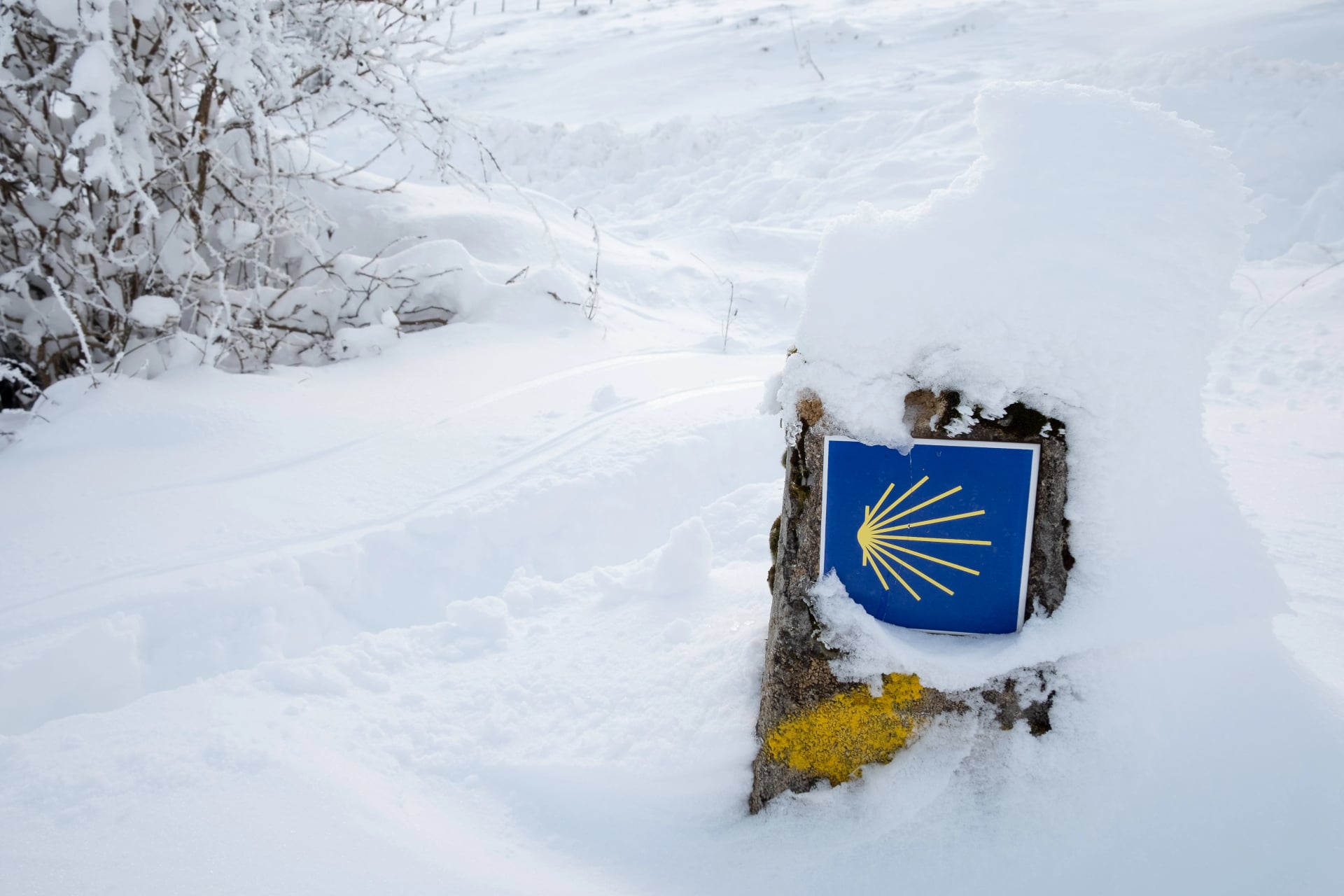
Harsh weather delivers cold rain, occasional snow at elevation, strong winds, and consistently uncomfortable conditions. Walking in November demands proper waterproof gear, warm layers, and mental resilience for days when conditions feel genuinely miserable. Some days may be objectively unpleasant regardless of preparation.
Very limited services mean fewer food options, reduced emergency support, minimal fellow pilgrims for assistance if problems arise, and genuine isolation if difficulties emerge. This creates real risks that summer infrastructure effectively eliminates.
Best for: Experienced pilgrims specifically seeking extreme solitude, winter Camino preparation and training, budget travelers prioritizing cost above all else, contemplative walkers with strong mental resilience, spiritual retreat seekers.
Not suitable for: First-time pilgrims, those expecting comfortable or pleasant conditions, anyone uncomfortable with isolation and minimal support, pilgrims requiring reliable services, or walkers unprepared for genuinely challenging weather.
Pro tip: The Camino Frances remains most viable during November due to larger towns and better infrastructure density. Coastal and mountain routes become significantly more challenging with extreme weather and minimal services. Thorough research of the specific Camino in winter experience helps set realistic expectations.
Why Choose December?
Christmas season brings profound spiritual dimension to pilgrimage. Walking toward Santiago during Advent, experiencing traditional Spanish Christmas celebrations, attending midnight masses in ancient churches along the route, and arriving in Santiago for Christmas Eve or Day creates deeply meaningful spiritual journey. The religious significance—often diluted during summer's secular tourism—emerges powerfully.
Traditional celebrations and cultural authenticity reach maximum intensity. Villages prepare for Christmas with elaborate nativity scenes (belenes), traditional music performances, special foods appearing only during the holidays, and community gatherings that welcome the rare winter pilgrims warmly. These experiences offer cultural immersion impossible during other seasons.
Absolute solitude during most of December creates the quietest Camino of the entire year. You may walk multiple consecutive days without encountering another pilgrim, and some albergue dormitories accommodate only you. This extreme isolation allows unmediated relationship with pilgrimage tradition.
Lowest prices of the year make December exceptionally affordable. The few establishments maintaining operations charge rock-bottom rates, and the entire journey costs a fraction of summer expenses.
Cultural Events
Advent season throughout December, Christmas Eve (Nochebuena) on December 24th, Christmas Day celebrations, and New Year's Eve (Nochevieja) on December 31st all bring special religious services and traditional festivities.
Trade-offs
Minimal infrastructure availability creates extreme planning challenges. Most albergues close completely, hotels in small villages shut for holidays, restaurants maintain limited hours or close entirely, and entire towns may feel abandoned during certain periods. Advance research and careful planning become essential rather than helpful—spontaneous walking without thorough preparation risks genuine difficulties.
Harsh winter weather delivers the year's coldest and often wettest conditions. Cold rain feels penetrating and miserable, wind cuts through inadequate clothing, and short days mean walking in dark morning cold and arriving in early evening darkness. Some days are objectively brutal regardless of preparation.
Safety considerations intensify due to isolation, reduced services, minimal fellow pilgrims for assistance, and potentially dangerous weather conditions. Problems that would be minor inconveniences in summer become potentially serious situations when support infrastructure barely exists.
Best for: Deeply spiritual pilgrims seeking Christmas season journey, experienced winter walkers prepared for harsh conditions, those specifically drawn to extreme solitude and challenge, December pilgrimage enthusiasts.
Not suitable for: First-time pilgrims, anyone expecting comfortable conditions, those requiring reliable infrastructure, pilgrims uncomfortable with genuine isolation, or walkers without winter experience and appropriate gear.
Pro tip: The Camino Frances remains the only genuinely viable route during December. All other routes become extremely challenging or effectively impossible without extensive winter experience and preparation.
Best Months by Route
Here are a few options for you to compare:
1. The Camino Francés functions year-round but May, June, and September deliver optimal conditions with excellent weather and manageable crowds. July-August bring extreme Meseta heat and overwhelming crowds.
2. The Camino Portugués benefits from milder coastal climate, making April through October all excellent. May and September offer ideal combinations. Those researching options might benefit from our way of St. James guide.
3. The Camino del Norte experiences significant rainfall, making June through September the reliable window. September often delivers best conditions with moderate temperatures and decreasing rain.
Shorter routes like the Camino Inglés maintain viability from April through October, with May, June, and September offering peak conditions.
Weather & Packing Essentials
Regional climate variations create dramatically different experiences across Camino routes. The Meseta's extreme heat during July-August regularly exceeds 35°C (95°F), making 6 AM starts mandatory and demanding 4-5+ liters daily hydration.
In contrast, Galicia averages 150+ rainy days annually with particularly intense precipitation October-April, making quality waterproof gear essential rather than optional. Atlantic coastal influence moderates these extremes significantly—the Norte and Portuguese Coastal routes enjoy temperatures 8-12°C cooler than the Meseta during peak summer months. Here are some essentials you should consider when packing:
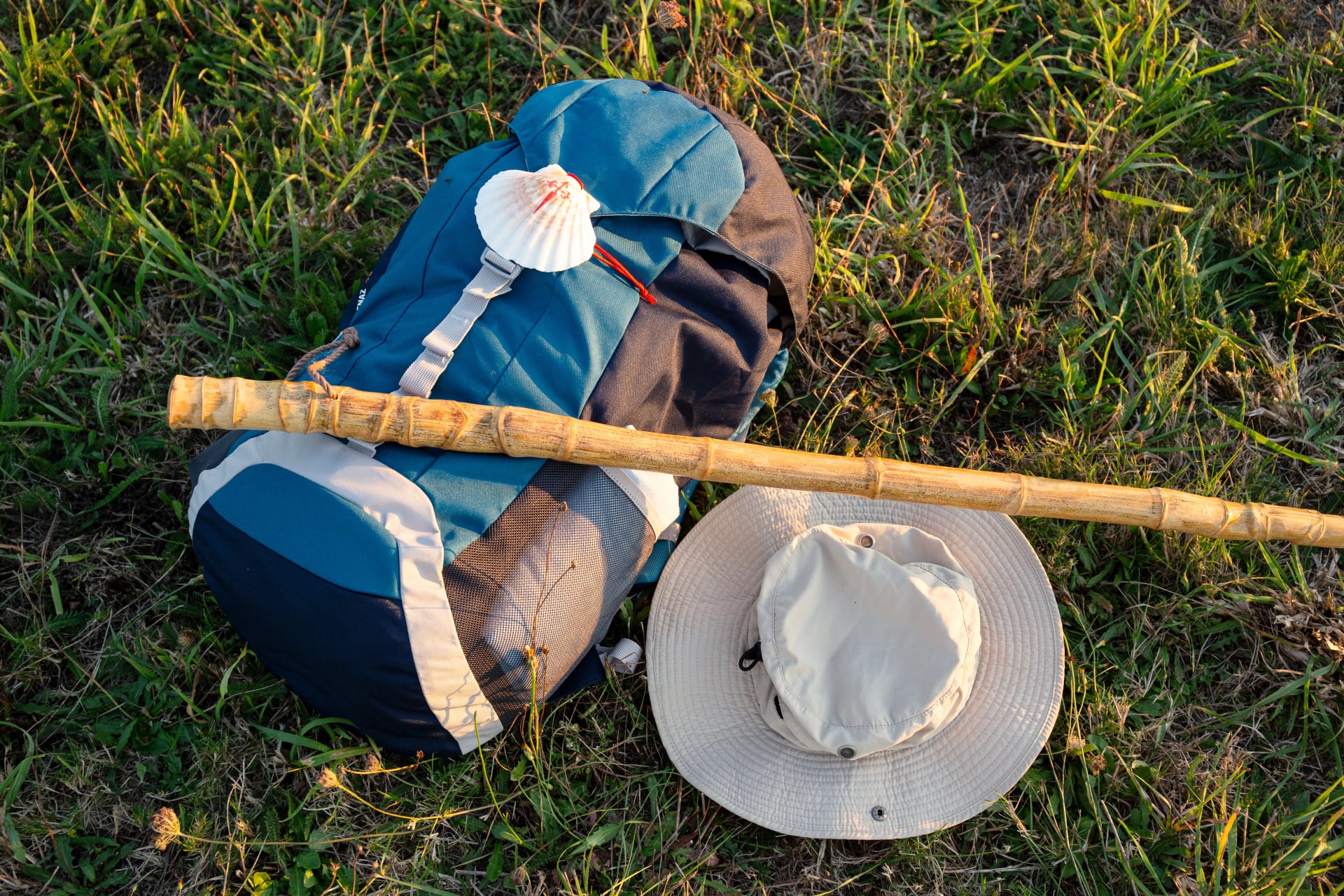
Hot Weather Walking Essentials (June-August):
Wide-brimmed sun hat and high-SPF sunscreen
Lightweight, breathable layers in light colors
Electrolyte tablets for hydration
Cooling neck scarf or buff
Cold Weather Walking (November-March):
Warm insulated jacket and thermal base layers
Waterproof gloves and warm hat
Sleeping bag or liner rated to 0°C comfort
Hand warmers for freezing mornings
For comprehensive packing guidance, see our ultimate Camino de Santiago guide, and carefully research our suggested hiking shoe selection as your most critical gear decision.
Crowds & Booking Strategy
July 15 through August 31 represents absolute peak season with 400-600+ daily pilgrims on popular routes. Accommodation requires booking 2-3 months ahead, and prices reach annual peaks.
June and early September deliver excellent middle ground with full services and social atmosphere without overwhelming crowds. Booking 4-6 weeks ahead secures accommodations.
Shoulder seasons (April-May, late September-October) bring lighter traffic. Booking 2-3 weeks ahead generally suffices, and costs drop 20-30% below summer.
Holy Week creates temporary crowd surge regardless of month—book 2-3 months ahead.
For those concerned about solitude, review our guide on walking the Camino solo for the most useful insights.
Your Perfect Timing
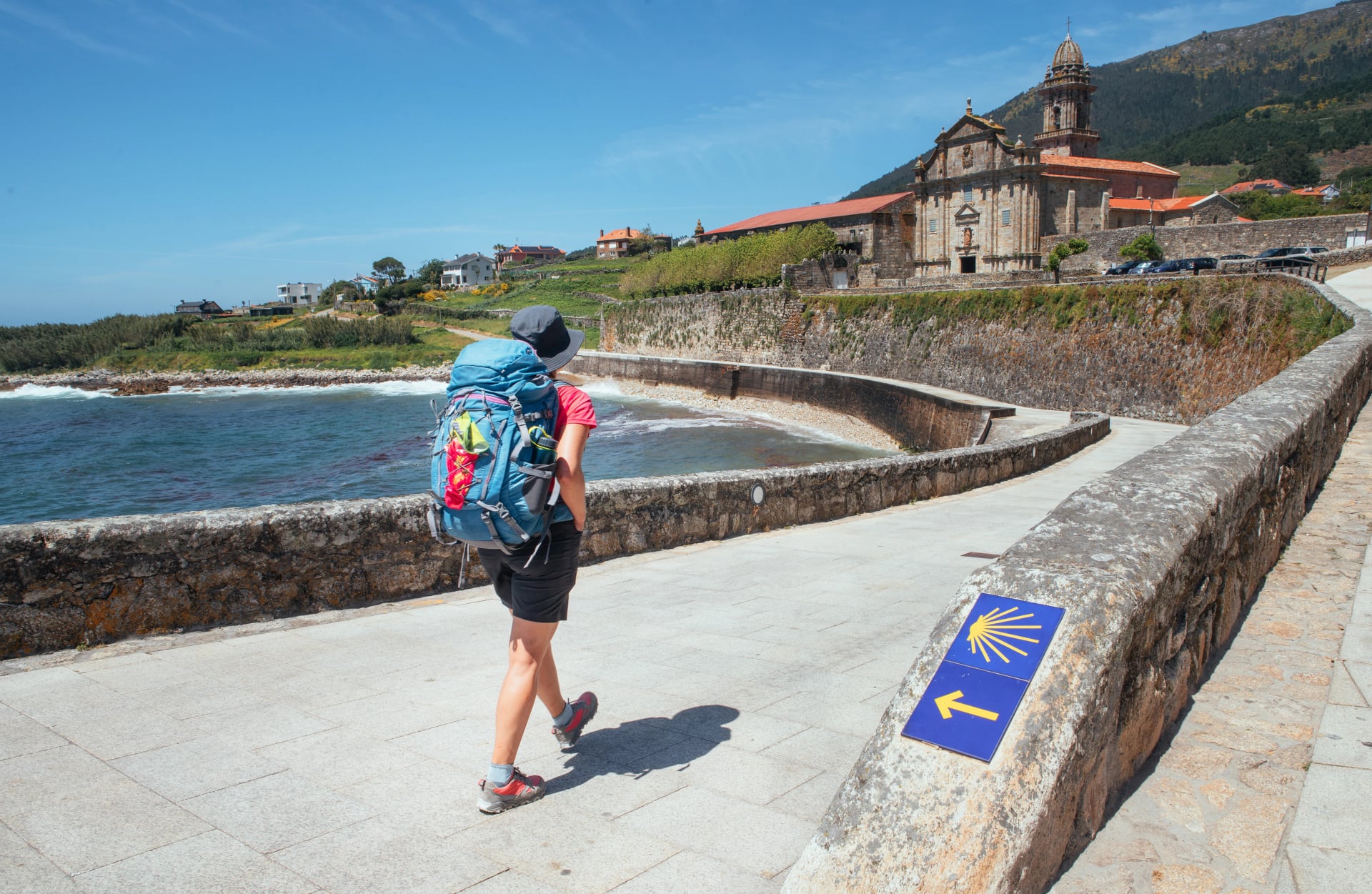
With all this information in mind it should be easier for you to decide on the most suitable time for your next Camino journey. Here’s a quick summary:
For optimal weather with manageable crowds: May or September deliver reliable pleasant conditions without peak-season intensity.
For guaranteed services: June through August provide complete infrastructure and reliable support systems—trade-offs include crowds, heat, and higher costs.
For solitude: October through March offer genuine isolation and spiritual depth, though with weather harshness and demanding conditions.
For cultural immersion: April (Semana Santa), July (Saint James Day), or December (Christmas season) connect pilgrimage to Spain's living religious traditions.
For comfortable temperatures: May and September avoid summer heat while maintaining pleasant conditions—ideal for heat-sensitive pilgrims.
For budget travel: November through March deliver minimum prices for those prioritizing cost savings above comfort.
Browse our complete tour offerings, or contact us to discuss your specific timing questions and route selection. We remain at your disposal for any questions you still have or for tailor-making your next Camino trip.
The Camino welcomes pilgrims year-round—the path waits for you whenever you're ready to walk.


HASSLE-FREE
We handle itineraries, accommodations, and anything else you prefer not to deal with, so you can enjoy a carefree hike.
.svg)
TRIED & TESTED ADVENTURES
Only the best of Camino de Santiago, cherry-picked by our local team with an in-depth knowledge of the region.

SELF-GUIDED TRAVEL
Explore independently and with confidence while we keep everything running from behind the scenes.
.svg)
TRUSTED BY MANY
Since 2014, we have taken care of thousands of happy customers, making it our mission to put your satisfaction first.