Camino Ingles: Ultimate Guide
Explore the Camino Inglés with our comprehensive guide, covering history, terrain, highlights, and travel tips for a memorable pilgrimage in Spain.
Quick links
Camino Inglés in Numbers
Length: 119 km from Ferrol; 75 km from A Coruña
Starting point: Ferrol or A Coruña, Galicia, Spain
Finishing point: Santiago de Compostela, Spain
Duration: 5-6 days from Ferrol; 3 days from A Coruña
Technical difficulty: 2/5 | Fitness level: 2/5
Ideal for: Those with limited time, first-time pilgrims, families, British/Irish heritage seekers, and anyone wanting complete Camino experience in one week
The Camino Inglés, or the English Way, is a distinct and historically rich route within the renowned Camino de Santiago pilgrimage network. Originating in Northwestern Spain, with starting points in Ferrol or A Coruña, it was predominantly used by pilgrims from Northern Europe—including England, Scotland, Ireland, and Scandinavia—who arrived by sea and continued their journey on foot towards Santiago de Compostela.
At just 119 kilometers from Ferrol, the Inglés represents the shortest route qualifying for the Compostela certificate, making it ideal for those with limited vacation time or uncertain about committing to longer routes. Despite its brevity, this path delivers complete Camino experience—credential stamps, albergue culture, pilgrim camaraderie, Galician countryside, and triumphant Santiago arrival—compressed into manageable five to six days.
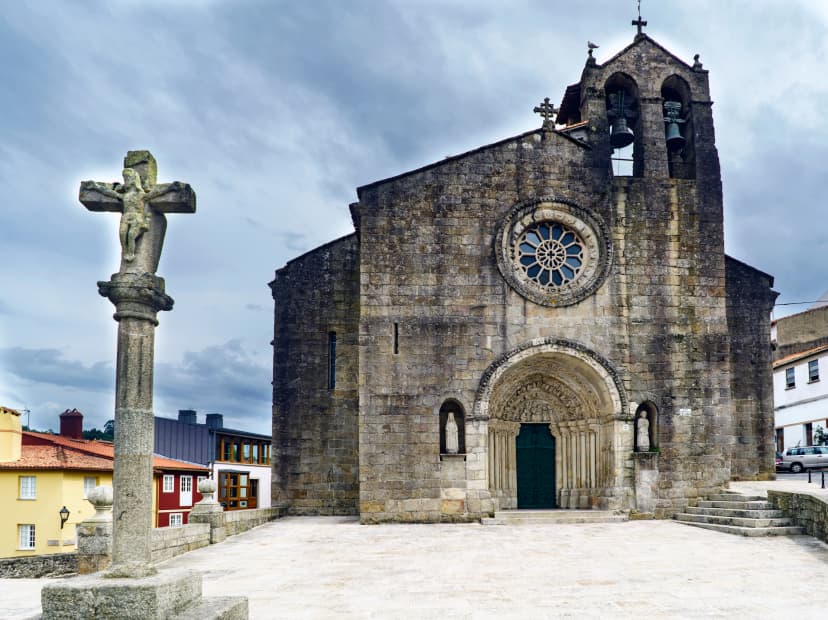
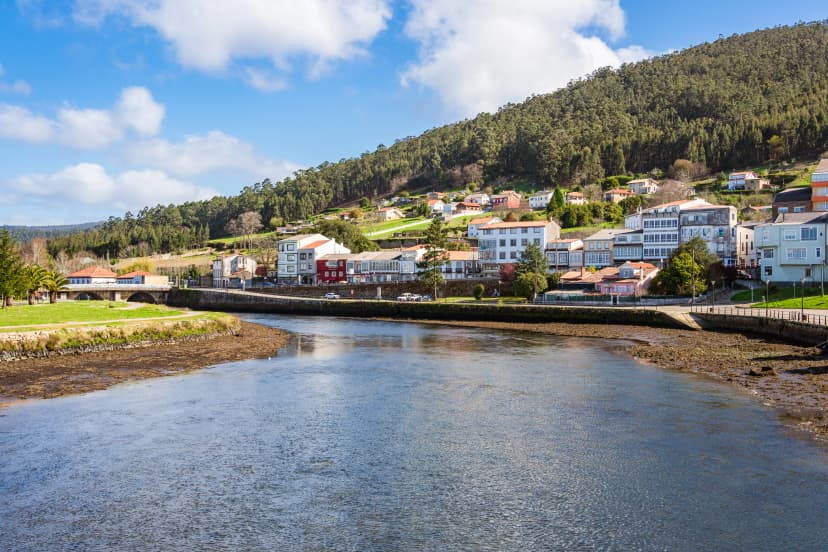
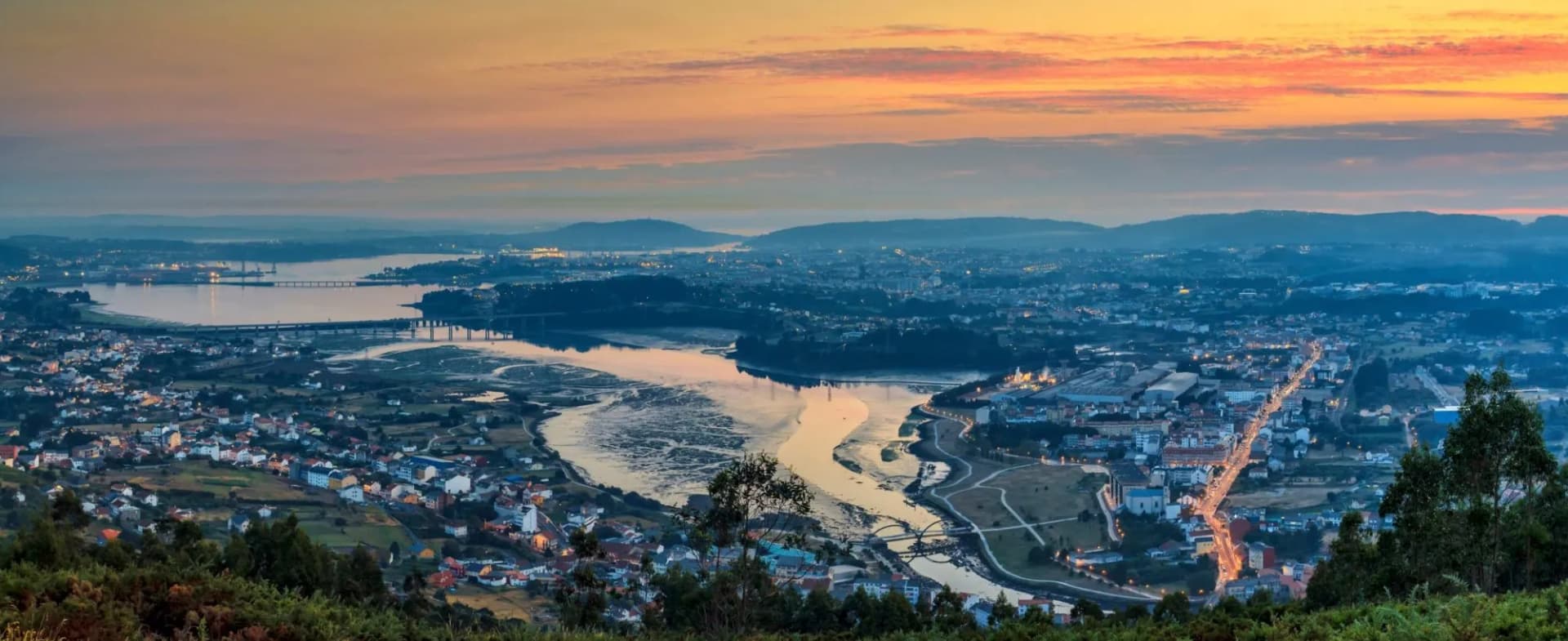
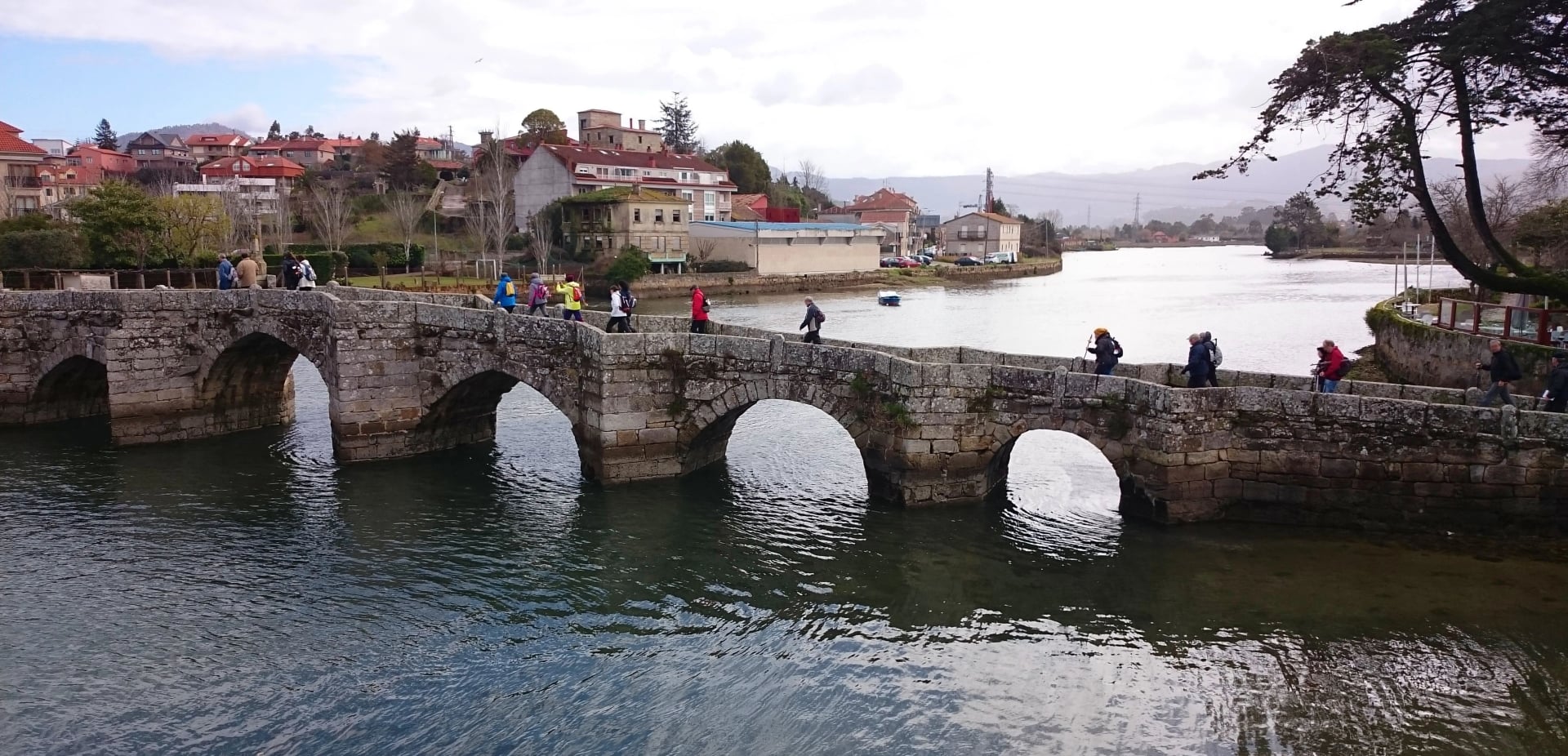
What makes the Camino Inglés truly special is its maritime pilgrimage heritage. For centuries, pilgrims from Britain and Scandinavia sailed to Galician ports to avoid dangerous overland routes through war-torn medieval Europe. This naval tradition creates unique character—you're walking the sailors' Camino, starting where ships unloaded pilgrims bound for St. James. The route combines stunning Atlantic coastal scenery with rural Galician interior, passing through medieval towns like Pontedeume and Betanzos that preserve centuries-old architecture and traditions.
The Inglés sees only 5.6% of annual pilgrims (approximately 28,000), creating authentic local experience without tourist masses. Small albergues, family-run restaurants, and villages maintaining traditional character welcome walkers warmly. This lesser-known route delivers intimacy and genuine cultural immersion often lost on busier paths.
Route Map & Starting Points
The Camino Inglés offers two starting point options, though most pilgrims choose Ferrol to qualify for the Compostela certificate requiring minimum 100 kilometers walked.
Starting Point Options
Starting Point | Distance to Santiago | Typical Duration | Compostela Status |
Ferrol (Traditional start) | 119 km | 5-6 days | ✓ Qualifies (over 100km) |
A Coruña* (Alternative start) | 75 km | 3 days | ✗ Does NOT qualify alone* |
*Note on A Coruña: The 75km distance doesn't meet the 100km requirement for Compostela certificate. However, it qualifies if combined with a Celtic Camino route from Ireland, Scotland, or Wales, or as part of the Ruta do Mar extension. Some pilgrims walk A Coruña for the beautiful city and coastal scenery without seeking the certificate.
Both routes merge at Hospital de Bruma, meaning the final 2.5 days follow identical path. The junction creates social moment as pilgrims who started separately unite for the Santiago approach.
6 Reasons to Walk the Camino Inglés
The Camino Inglés offers compelling advantages that make it increasingly popular among modern pilgrims, particularly those with time constraints or testing long-distance walking for the first time.
1. The Shortest Full Camino Experience
At just 119km from Ferrol, the Inglés is the shortest route qualifying for the Compostela certificate. This creates perfect opportunity for those with limited vacation time—one week including travel days suffices for complete pilgrimage. Despite brevity, it delivers authentic Camino experience: credential stamps, dormitory culture, pilgrim camaraderie, and triumphant Santiago arrival.
For first-time pilgrims uncertain about long-distance walking, the Inglés provides low-commitment introduction. The compressed timeframe means every day feels significant—unlike longer routes where stages blur together, each Inglés day creates distinct memories.
2. Maritime Heritage & British Connection
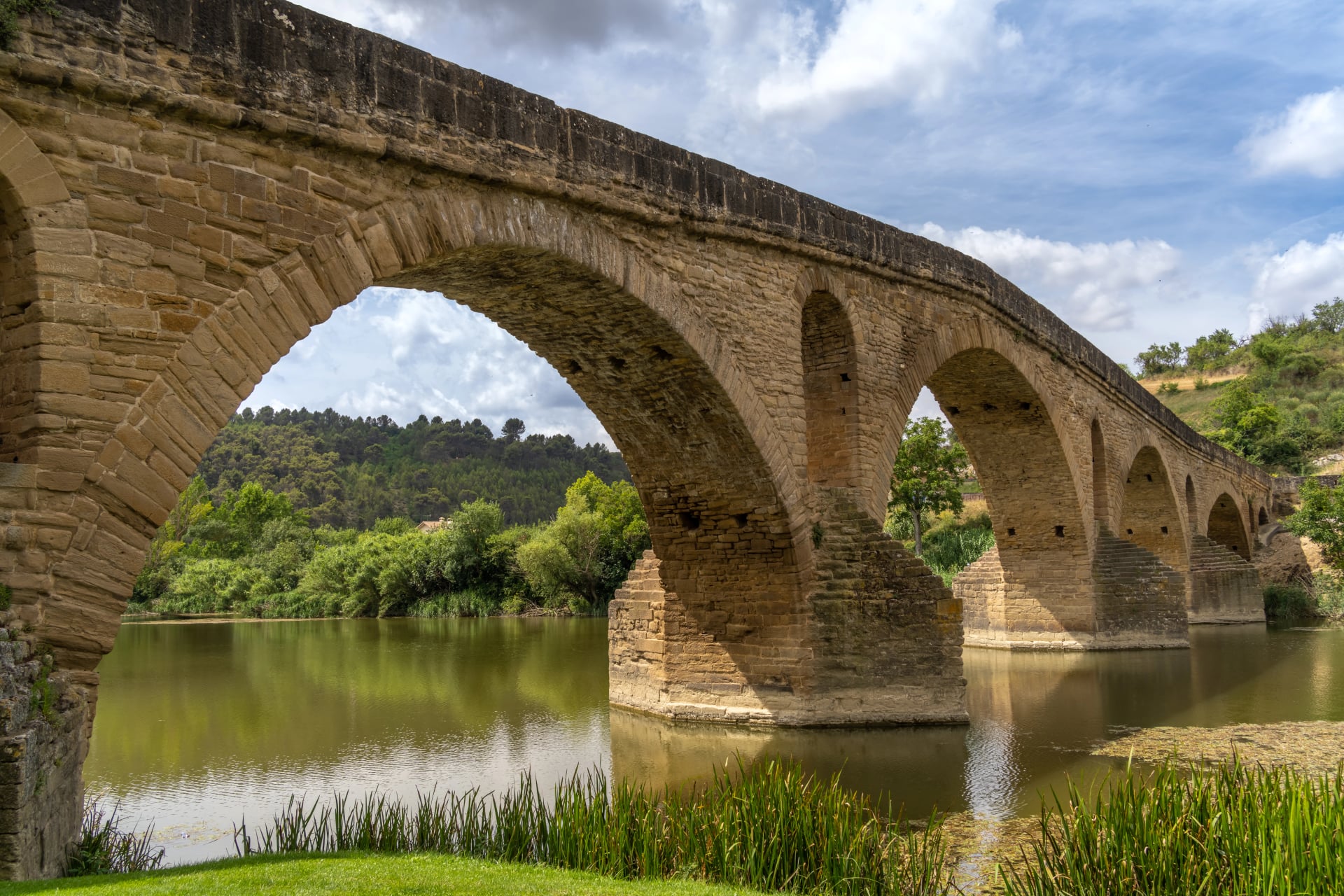
The Inglés carries profound historical significance for British and Irish pilgrims following the exact path their ancestors sailed centuries ago. Medieval pilgrims from England, Scotland, Ireland, and Scandinavia arrived by ship at Ferrol and A Coruña ports, avoiding dangerous overland routes through war-torn France. Historical records document massive arrivals: in 1434, over 3,000 pilgrims landed at A Coruña intending to walk the Inglés.
For modern British and Irish walkers, this route offers ancestral connection impossible on continental routes. The route's English name itself testifies to this heritage—it became "Camino Inglés" specifically because English pilgrims dominated traffic.
3. Galician Immersion Without Crowds
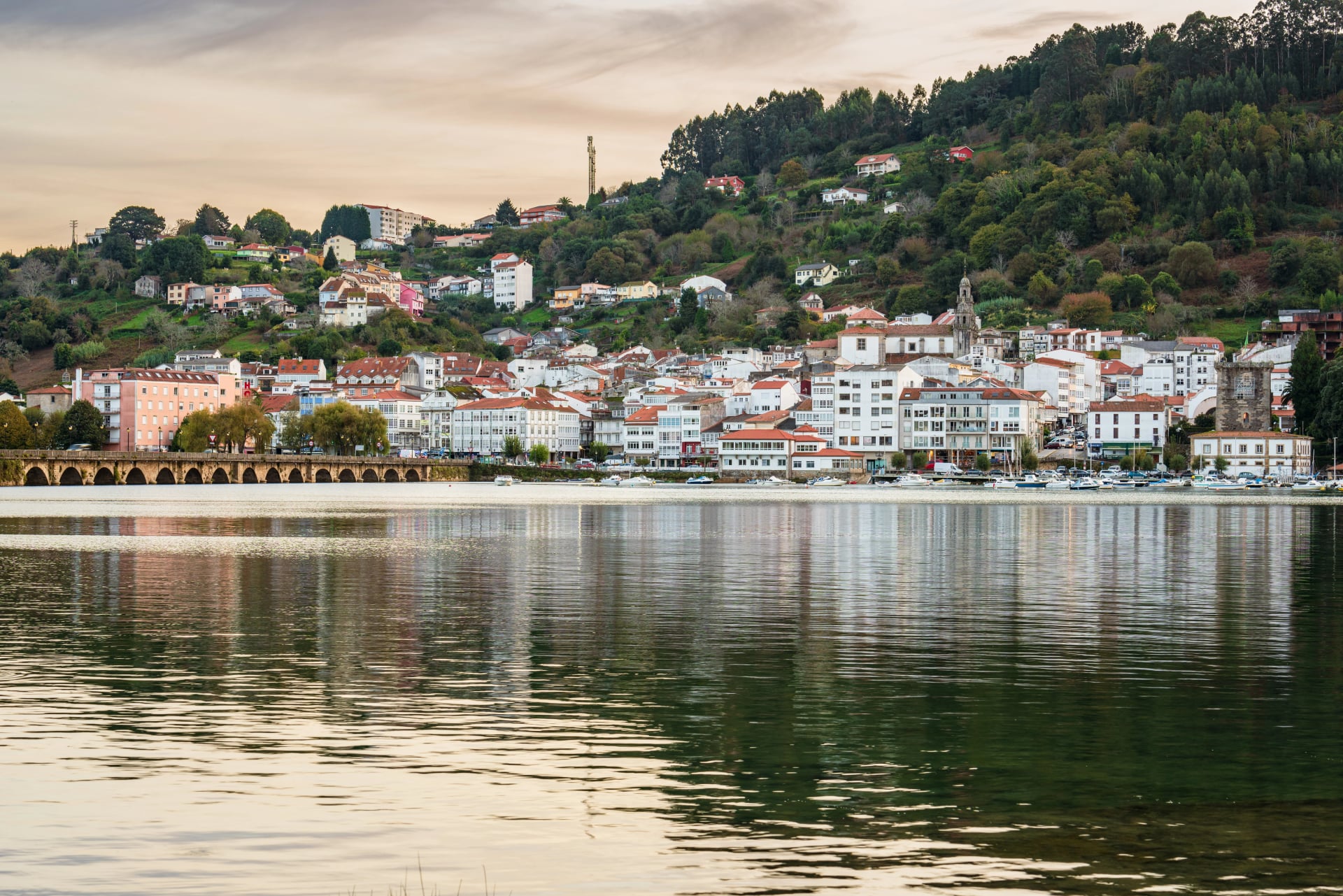
Only 5.6% of annual pilgrims choose the Inglés—approximately 28,000 versus the Francés's 270,000+. This creates authentic Galician experience impossible on tourist-packed routes. You'll walk through villages where locals outnumber pilgrims, eat at bars serving real Galicians, and experience small-town Galicia maintaining traditional character.
Trail solitude proves common—you might walk hours encountering only handful of fellow pilgrims, creating intimate social bonds impossible when hundreds share massive dormitories.
4. Coastal Beauty Meeting Rural Countryside
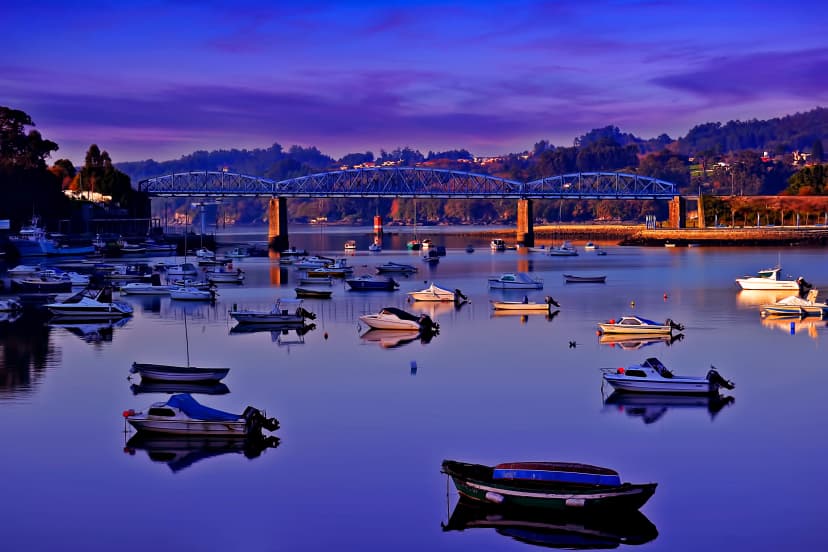
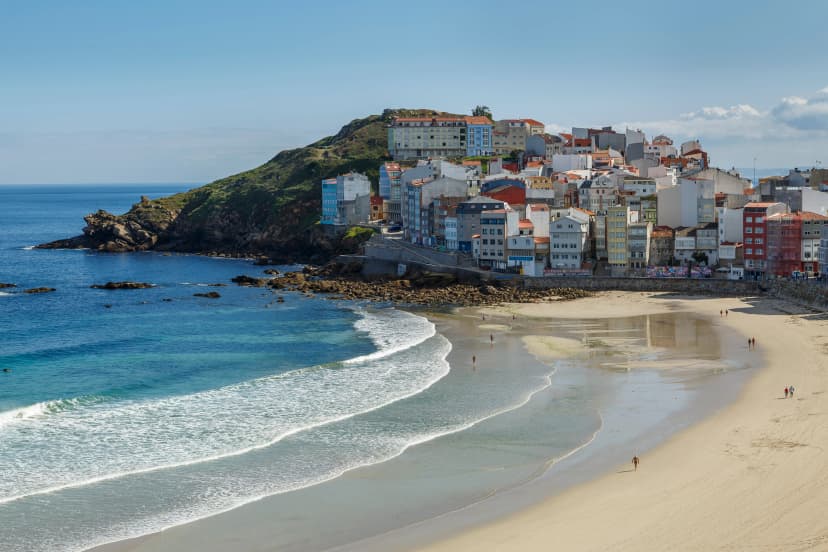
The Inglés uniquely combines Atlantic coastal landscapes (Days 1-2) with rural Galician interior (Days 3-5), creating diverse scenery compressed into short distance. Starting from Ferrol, you walk the Ría de Ferrol estuary where Spanish Armada ships anchored, passing stunning beaches and waterfront promenades.
This compressed variety means every day brings different scenery—estuaries transition to beaches, forests to farmland. Five days never feels monotonous.
5. Perfect for Working Professionals & Beginners
The 5-6 day timeframe fits standard work vacation week, making the Inglés accessible for those unable to take 2-4 weeks for longer routes. Moderate difficulty suits beginners without mountain experience or extreme distances. Daily stages average 20-24km—challenging enough to feel accomplished, manageable enough to avoid injury.
For those uncertain about long-distance walking capabilities, the Inglés offers ideal introduction. If you can comfortably walk 20km daily for five consecutive days, you possess fitness for longer Caminos.
6. Family-Friendly Option
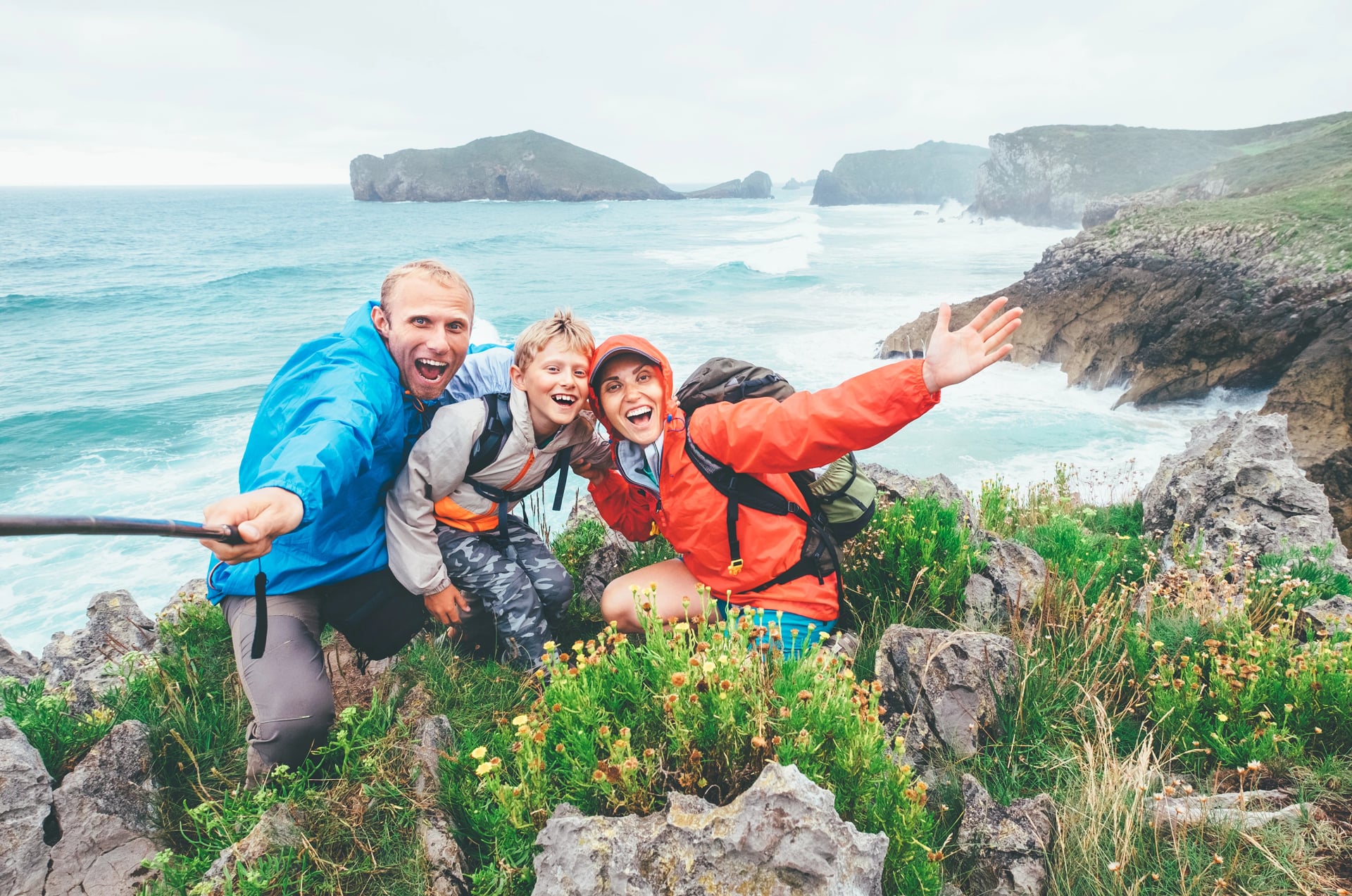
Galicia actively promotes the Inglés as family-friendly route with modern accessible infrastructure. Manageable daily distances (15-25km) allow children to complete stages without extreme fatigue. The cultural elements—castles, medieval bridges, coastal forts—engage young imaginations better than endless plains. Shore stages offer beaches where children can play after arriving at destinations.
Key Destinations
The Camino Inglés passes through distinctive coastal cities, medieval towns, and rural hamlets that create the route's unique character and provide memorable stops along your pilgrimage.
Ferrol vs A Coruña: Choosing Your Start
The Inglés's two starting points create decision requiring consideration of time, goals, and priorities. Understanding the differences helps choose the option matching your pilgrimage vision.
Ferrol - The Traditional Choice
The Advantages:
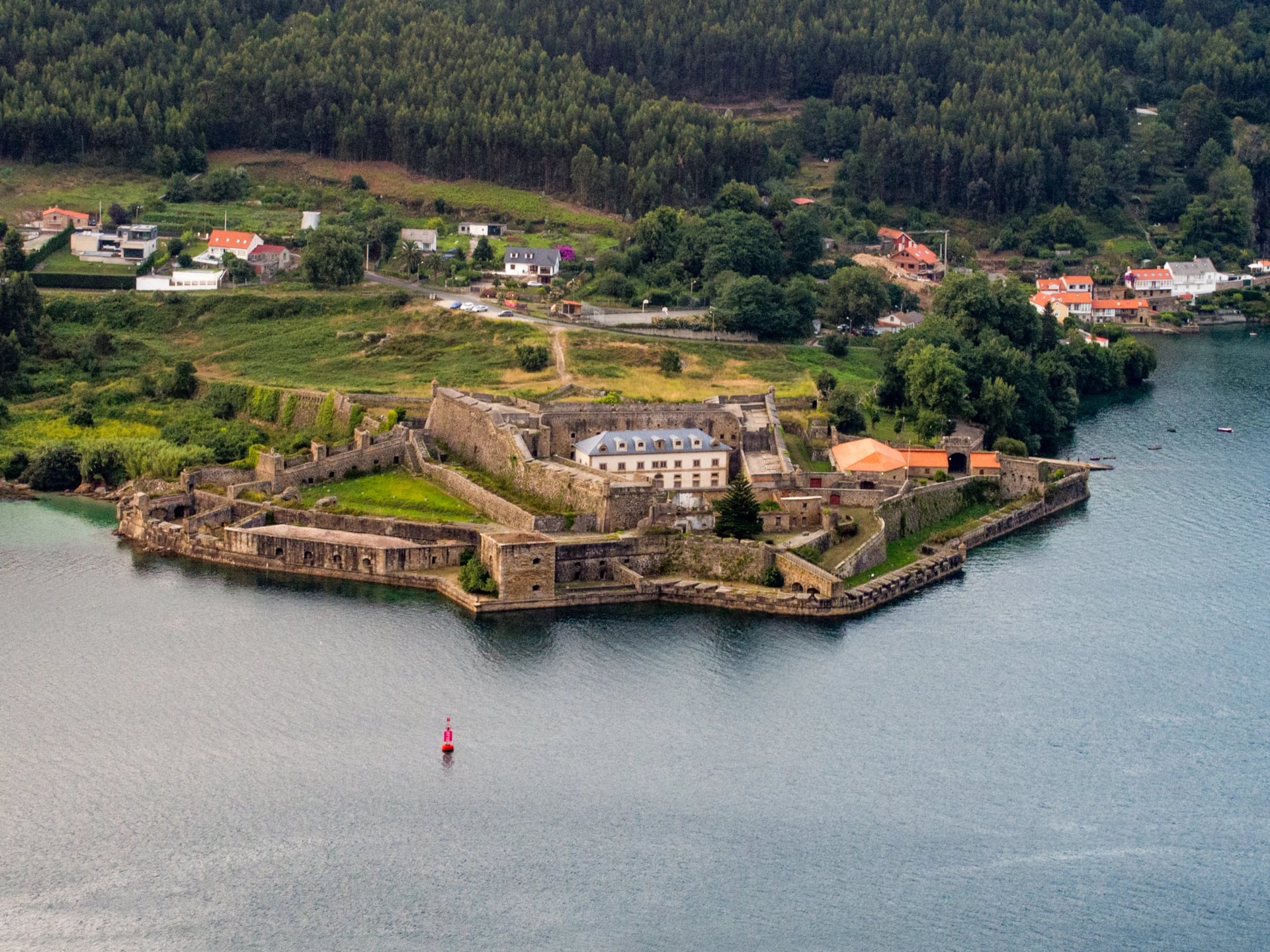
Starting in Ferrol provides several compelling benefits, most significantly the 119km distance qualifying for Compostela certificate. This meets the 100km minimum requirement, meaning successful completion earns the official pilgrim document testifying to your journey. For many, the Compostela represents tangible proof and spiritual validation—making Ferrol the necessary choice.
Ferrol also offers the traditional maritime pilgrim experience—starting precisely where medieval ships unloaded Northern European pilgrims. The naval base, fortifications, and maritime history create authentic connection to pilgrimage heritage. You're beginning where your ancestors would have begun.
The route from Ferrol features better waymarking than the A Coruña variant. More pilgrims means more frequent arrow renewal, clearer signage, and less chance of navigation errors. First-time Camino walkers appreciate this reliability.
The Disadvantages:
Ferrol itself is less interesting city than A Coruña—though it possesses naval history charm and good seafood, it lacks A Coruña's architectural grandeur and tourist attractions. If you're spending pre-Camino exploration time in starting city, A Coruña offers more.
The first 10-15km exiting Ferrol passes industrial shipyard areas—warehouses, maritime industry, and urban sprawl creating less scenic walking. The route improves dramatically after Neda, but some pilgrims find the opening hours disappointing after anticipating immediate Galician beauty.
Walking from Ferrol requires two extra days versus A Coruña start. For those with extremely limited time, this matters significantly.
A Coruña - The Scenic Alternative
The Advantages:
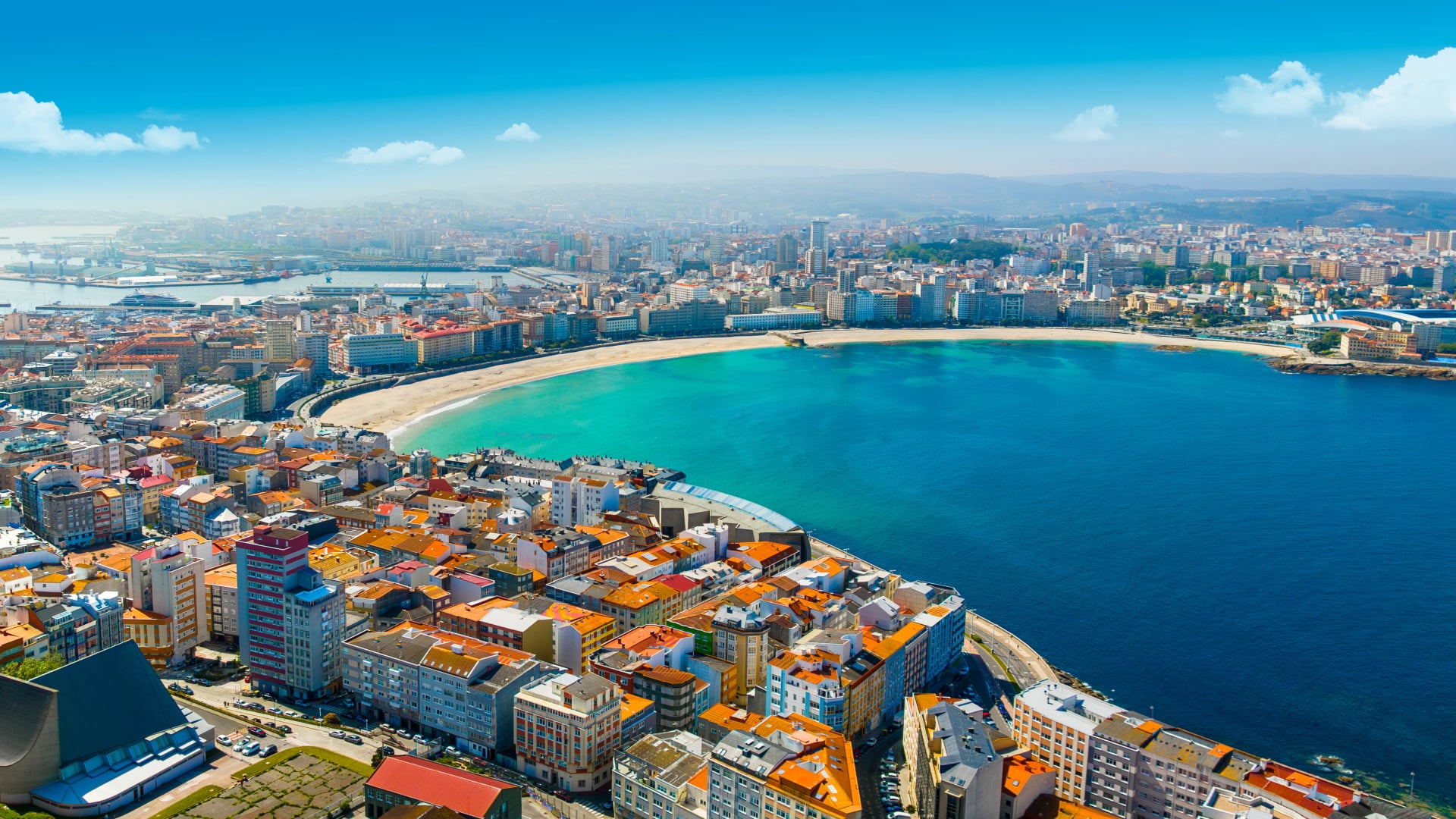
A Coruña is objectively more beautiful city than Ferrol, worth exploring independent of Camino context. The Tower of Hercules alone justifies visit—climbing the ancient Roman lighthouse and walking the surrounding sculpture park creates memorable experience. The elegant promenades, beaches, old town, and vibrant atmosphere make A Coruña delightful place to spend pre-Camino days.
Starting here avoids Ferrol's industrial exit, immediately immersing you in more scenic countryside and coastal paths. The opening day from A Coruña delivers beauty that Ferrol builds toward gradually.
The shorter time commitment (3-4 days total) suits those with extremely limited vacation or testing whether they enjoy pilgrim walking before committing to longer routes. Some view it as perfect weekend-plus pilgrimage.
A Coruña start enables combining with Celtic Caminos from Ireland, Scotland, or Wales. Those who've walked Ireland's Kerry Camino or Scotland's St. Andrews Way can continue from A Coruña and qualify for Compostela through the combined distance.
The Disadvantages:
The critical disadvantage: A Coruña's 75km doesn't qualify for Compostela alone. If earning the certificate matters—and for many pilgrims it represents the pilgrimage's tangible goal—A Coruña fails to deliver. This single fact determines most pilgrims' choices.
The route features less waymarking and infrastructure than Ferrol variant. Fewer pilgrims mean less frequent arrow painting, occasional navigation uncertainty, and fewer pilgrim-specific services. Experienced walkers handle this easily; first-timers may find it stressful.
Starting A Coruña means missing coastal sections between Ferrol and merge point, including Pontedeume and several beach stretches. While A Coruña offers its own beauty, you're skipping portions of the complete Inglés experience.
The short duration makes developing pilgrim rhythm difficult. Three days barely allows settling into walking routine, meeting fellow pilgrims, and experiencing the multi-day journey's transformative aspects. It feels more like long weekend hike than pilgrimage.
The Practical Decision
Most pilgrims choose Ferrol specifically for Compostela qualification, despite A Coruña's aesthetic advantages. The certificate's importance—whether for spiritual validation, proof of accomplishment, or simply tradition—outweighs other considerations for majority of walkers.
However, many combine both cities' advantages: fly into A Coruña airport, spend 1-2 days exploring the city (Tower of Hercules, beaches, seafood restaurants, old town), then take bus to Ferrol (€10, 1 hour, frequent departures) to begin walking. This strategy delivers A Coruña's beauty while maintaining Ferrol's qualification and traditional start.
Our recommendation: Start Ferrol for complete experience and certificate. Visit A Coruña separately as addition—either before starting (arrive A Coruña, explore 1-2 days, bus to Ferrol, walk) or after finishing (Santiago to A Coruña by bus for beach relaxation and Tower of Hercules visit before flying home). The city deserves exploration beyond simply serving as Camino starting point.
For those truly unconcerned about Compostela—having earned it on previous routes or simply not valuing the certificate—A Coruña offers legitimate alternative emphasizing scenic beauty and quality over quantity of kilometers. But recognize you're choosing deliberately different experience than traditional Camino Inglés provides.
A Day on the Camino Inglés
Understanding the daily rhythm helps prepare mentally and physically for the multi-day journey, though the Inglés's compressed timeframe creates pace distinct from longer routes.
Understanding the daily rhythm helps prepare mentally and physically for the multi-day journey, though the Inglés's compressed timeframe creates pace distinct from longer routes.
Morning (6:30-8:00 AM): Leisurely Galician Starts
Inglés mornings begin later than mountain routes but earlier than typical tourist schedules. Most pilgrims wake 6:30-7:00am, departing 7:30-8:00am. The gentle terrain and moderate distances (20-24km) don't require alpine starts, allowing more civilized routine.
Galician breakfasts emphasize pastries and coffee. Albergues rarely provide breakfast, so pilgrims stop at first village bar (usually 30-45 minutes into walking). Bakeries sell empanadas perfect for trail snacks.
Walking (8:00 AM-2:00 PM): Moderate Pace Through Varied Terrain
Core walking covers 20-24km at comfortable 4-5 km/hour pace including breaks. The Inglés's moderate distances allow leisurely progression—stopping frequently for photos, chatting with fellow pilgrims, exploring beach detours.
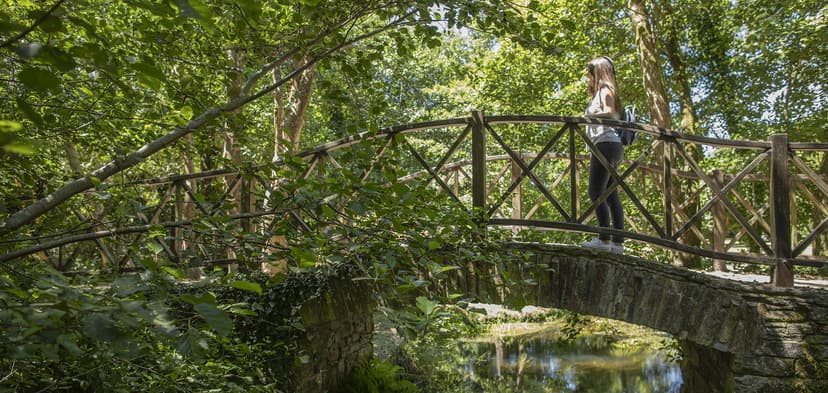
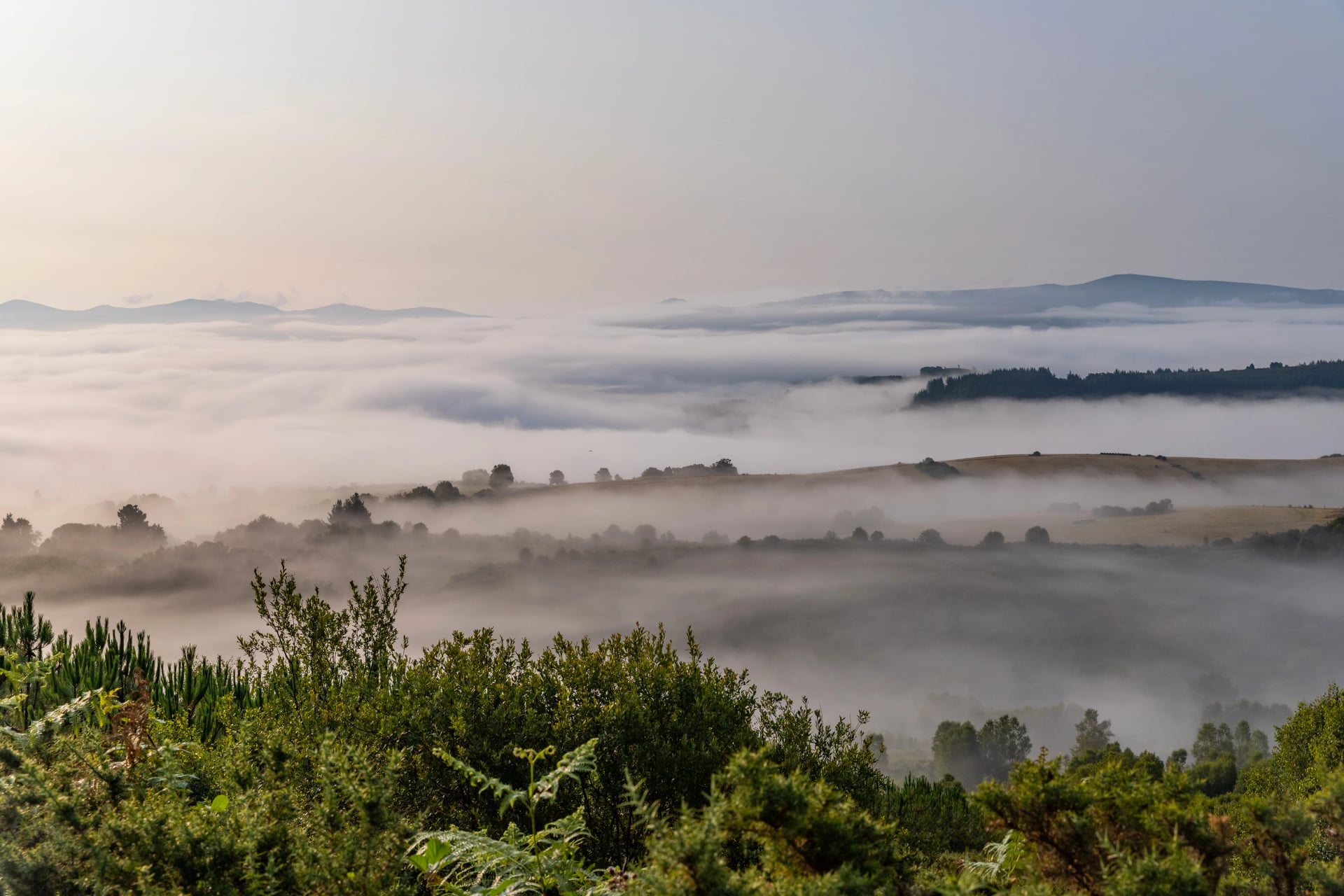
Coastal sections (Days 1-2) feature flat estuary paths and waterfront promenades where walking becomes almost effortless. Many pilgrims remove boots for barefoot beach walking. Inland sections (Days 3-5) transition to rolling countryside with gentle hills and eucalyptus forests.
The rhythm emphasizes presence over endurance. Unlike longer routes where days blur together, each Inglés stage creates distinct memories.
Afternoon (1:00-3:00 PM): Small-Town Albergue Culture
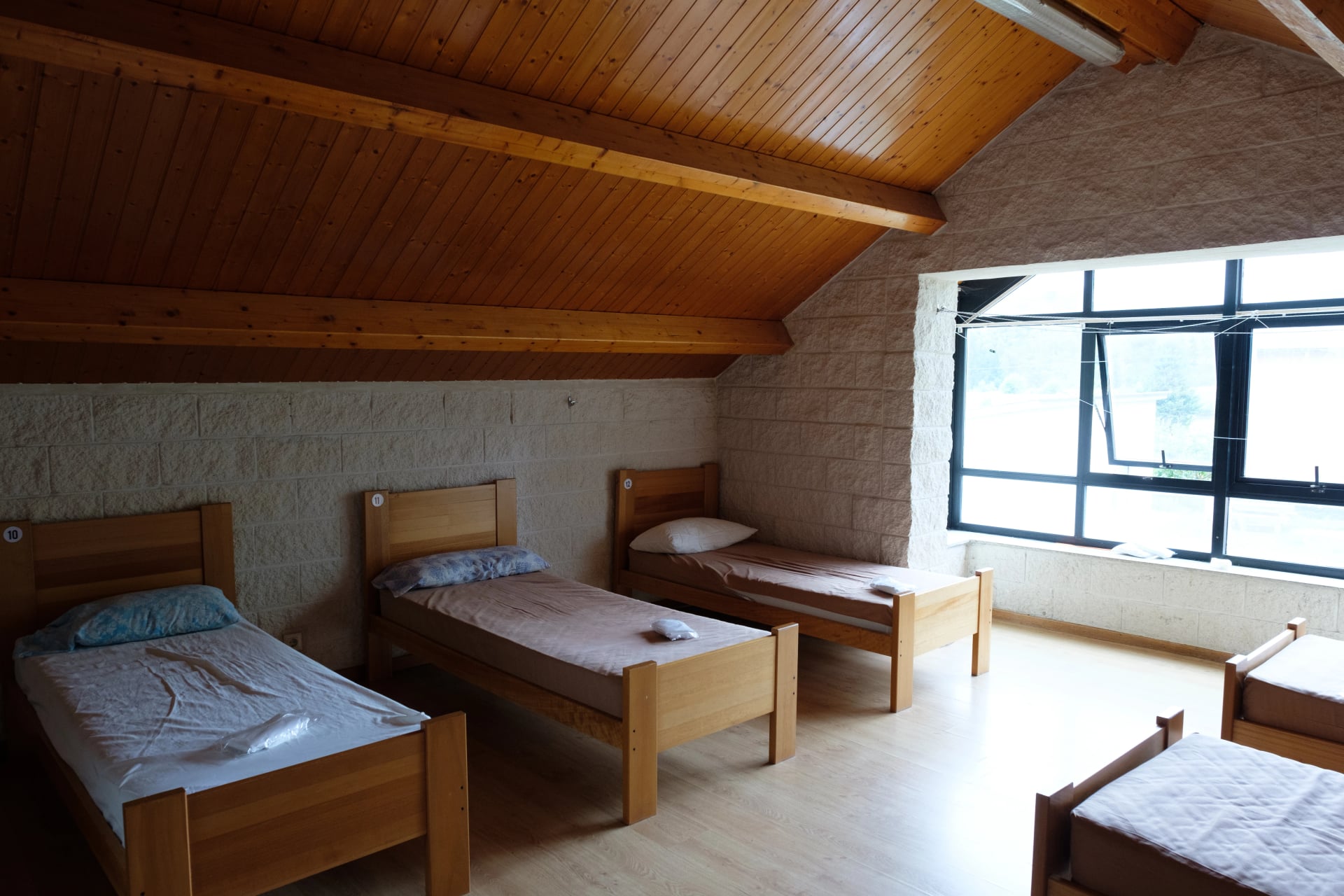
Most pilgrims arrive between 1-3pm, securing beds, showering, and doing laundry. The Inglés's smaller infrastructure means intimate albergue experiences—hostels with 12-20 beds creating family atmosphere where hosts know everyone's names.
The small groups (often same 15-20 people nightly) create genuine friendships impossible in massive Francés albergues. Towns like Pontedeume and Betanzos reward afternoon exploration.
Evening (7:00-10:00 PM): Galician Food & Pilgrim Fellowship
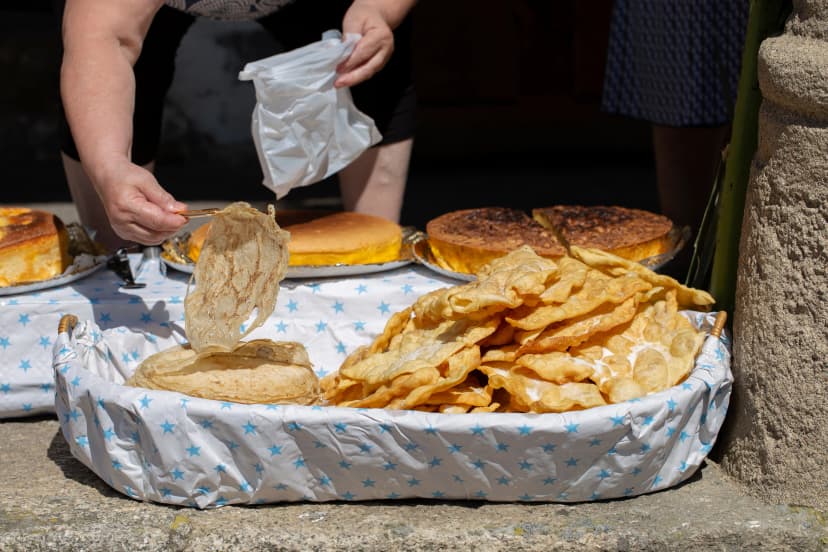
Galician dinners start 8:00-8:30pm. Most opt for Menu del Peregrino (€10-12)—featuring Galician specialties: pulpo a la gallega, empanadas, local fish, tarta de Santiago.
The communal aspect intensifies due to small groups. When only 15 pilgrims walk the route daily, you encounter same faces repeatedly. By Day 3-4, you know everyone's names, creating profound connections. Quiet hours begin 10pm, though livelier evening atmosphere than harder routes creates occasional rule-bending.
Food on the Way
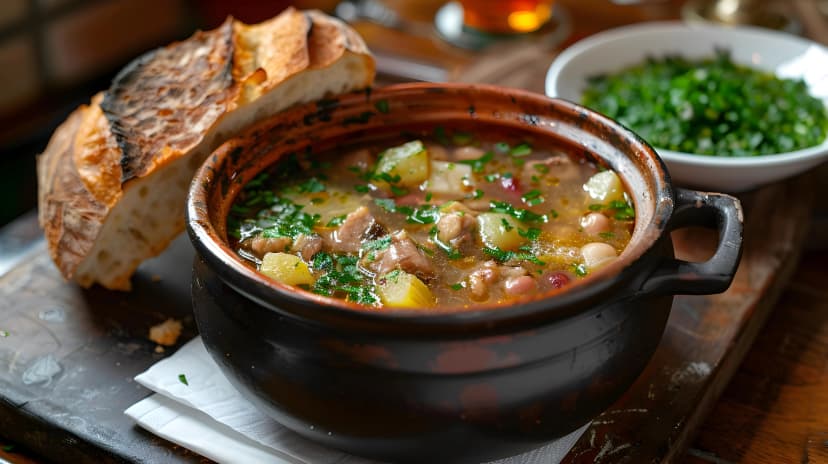
The Camino Inglés passes through Galicia's heartland, showcasing regional cuisine shaped by Atlantic seafood, Celtic agricultural traditions, and mountain simplicity. These dishes fuel pilgrims and define the route's character.
History and Origins
The Camino Inglés traces its origins to the 12th century, serving pilgrims from Northern Europe—including England, Scotland, Ireland, Scandinavia, and Flanders—who chose maritime approach over dangerous overland routes. These pilgrims arrived at the strategic coastal locations of Ferrol and A Coruña in Galicia, marking the starting points for their terrestrial pilgrimage to Santiago de Compostela.
One notable historical episode occurred in 1147 with the arrival of a squadron of crusaders en route to the Holy Land—this group made it priority to visit St. James's tomb before engaging in military campaigns. During the Hundred Years' War (14th-15th century), the English Way gained prominence as essential alternative for British pilgrims when overland travel through France became impossible. Pilgrims set sail from English ports including London, Bristol, Southampton, and Plymouth.
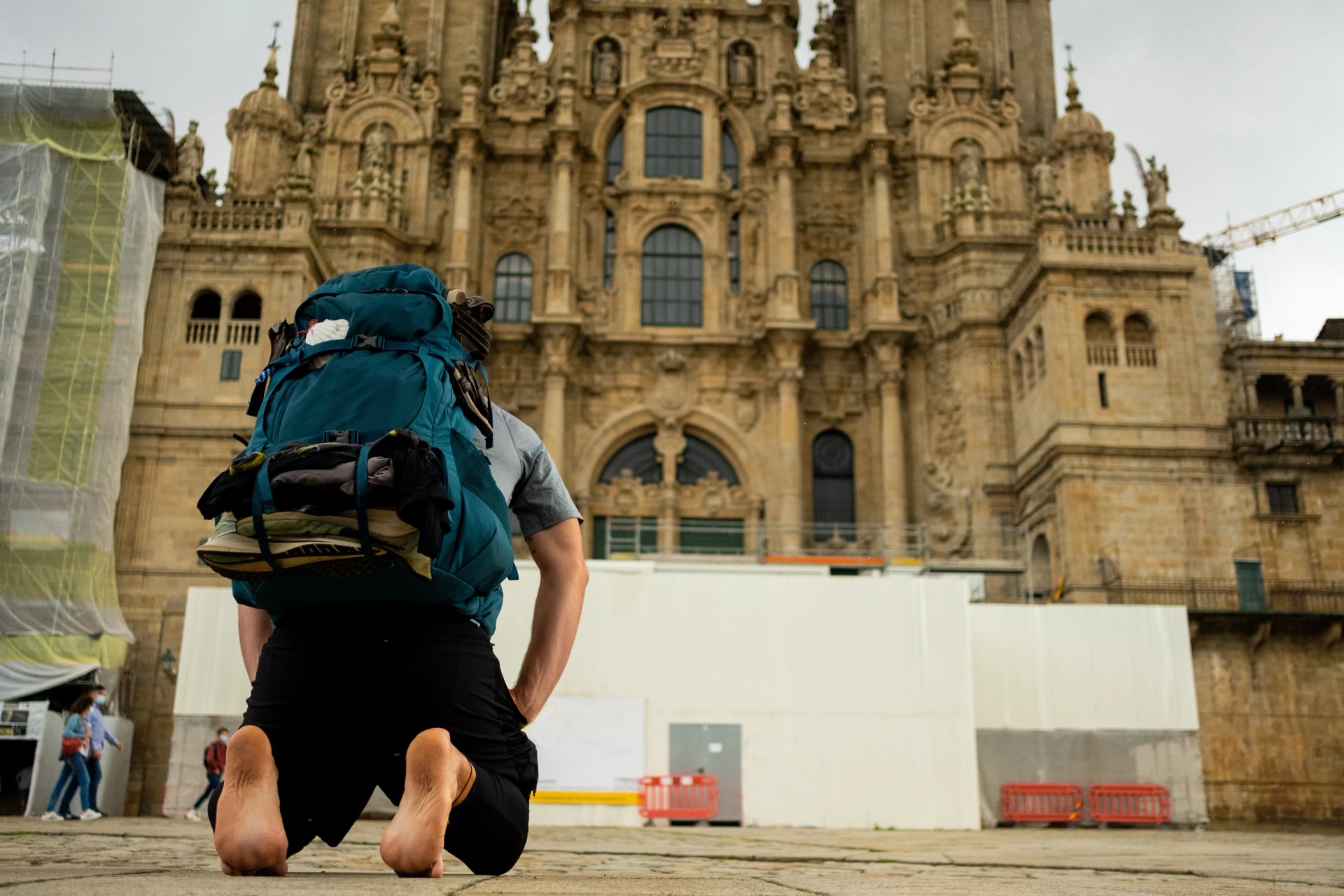
These maritime journeys are documented through artifacts found in Santiago—in 1434, chronicles record that more than 3,000 pilgrims landed in A Coruña with intention of walking the Inglés. Notable offerings include the portable alabaster altarpiece donated in 1456 by Father John Goodyear and the "Pearl Cross" donated by King James IV of Scotland, reflecting the deep cultural and spiritual exchange the maritime route facilitated.
Today, the English Way stands as testament to the enduring allure of the Camino de Santiago, attracting pilgrims seeking connection to this maritime heritage and shorter route maintaining authentic pilgrimage character.
For more historical context about all Camino routes and their development through medieval period to modern revival, explore our comprehensive Camino de Santiago guide covering the network's complete history.
Terrain & Difficulty
The Camino Inglés traverses varied terrain creating moderate physical challenge accessible to most fitness levels, though with enough variety to maintain interest across five to six days.
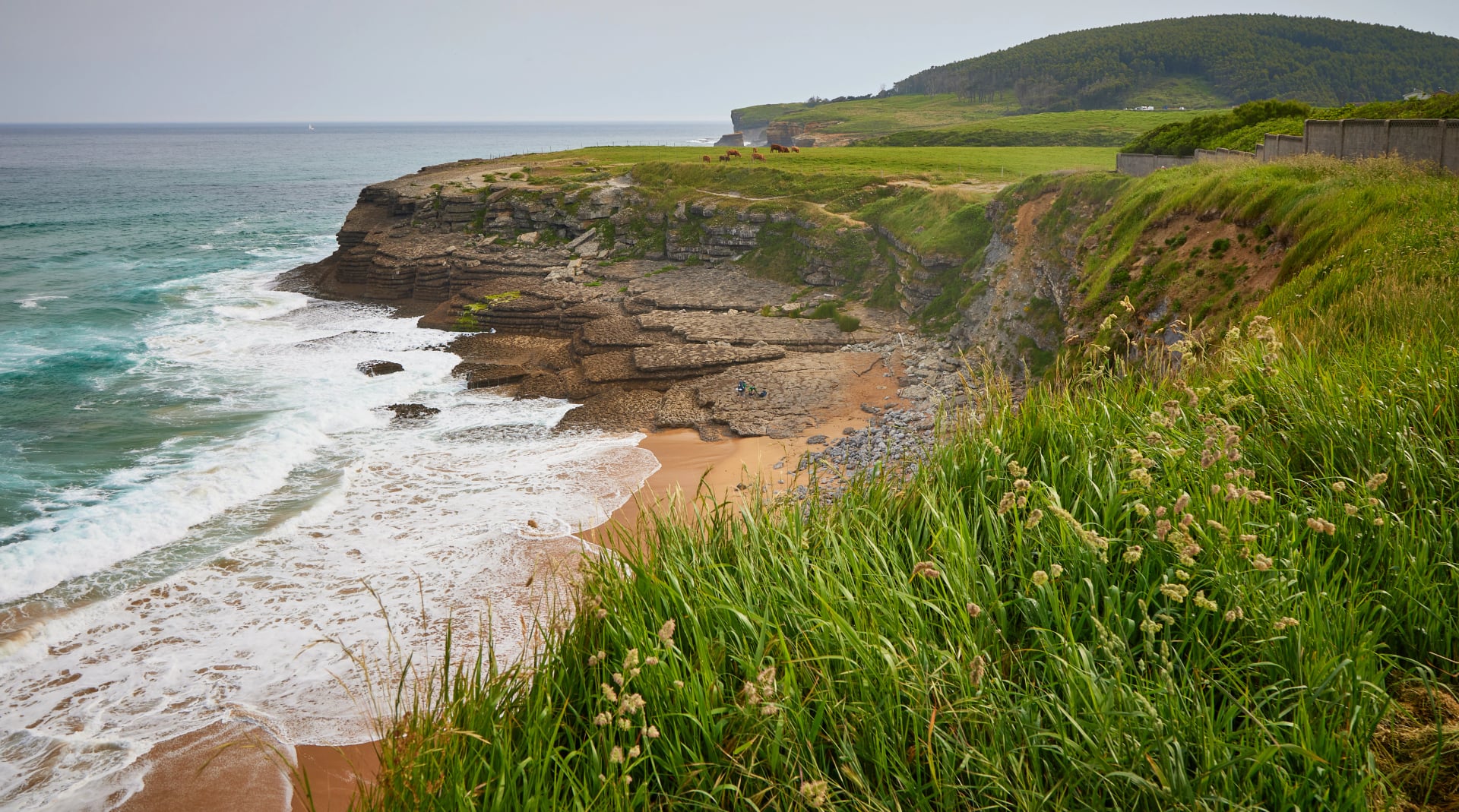
Coastal Sections (Days 1-2 from Ferrol)
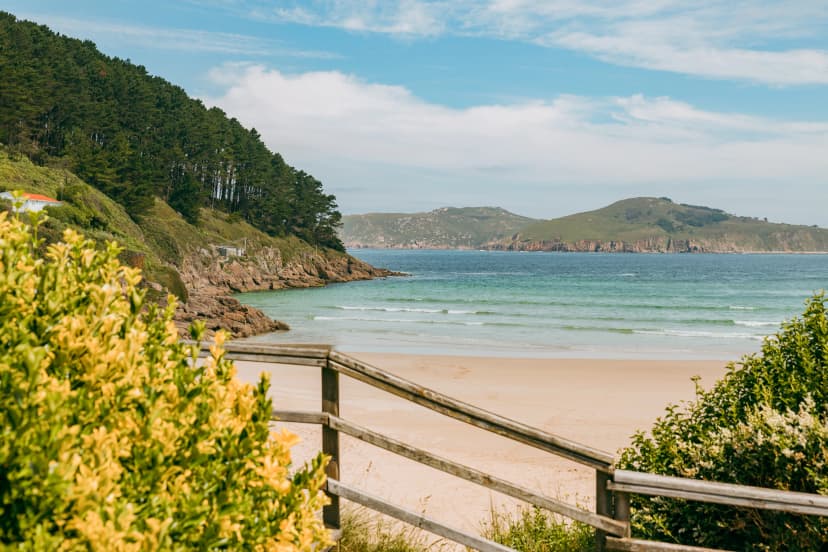
The route begins with predominantly flat coastal paths meandering along the Ría de Ferrol estuary. These opening kilometers offer expansive Atlantic Ocean views, mostly paved paths, and flat packed-earth trails providing gentle introduction to walking.
Cabanas and Pontedeume sections deliver the route's most scenic coastal walking—minimal elevation change, good path surfaces, and constant ocean breezes. However, the Ferrol exit (first 10-15km) passes through industrial shipyard areas creating less appealing walking. The scenery improves dramatically after Neda.
Inland Transition & Rural Galicia (Days 2-5)
After Pontedeume, the landscape transforms into rural Galician countryside with rolling hills, forests, and farmland. The terrain features more elevation variation—constant gentle ups and downs creating cumulative challenge. Betanzos to Hospital de Bruma (Day 3) earns reputation as the "killer day"—longest stage with most elevation change, though nicknamed this mainly because it follows two relatively easy coastal days.
The final approach continues through gentle countryside—you're always either ascending or descending gently, rarely walking truly flat terrain. The cumulative ups and downs fatigue legs by Day 4-5, though challenges never approach technical difficulty requiring special skills.
Overall Difficulty Assessment
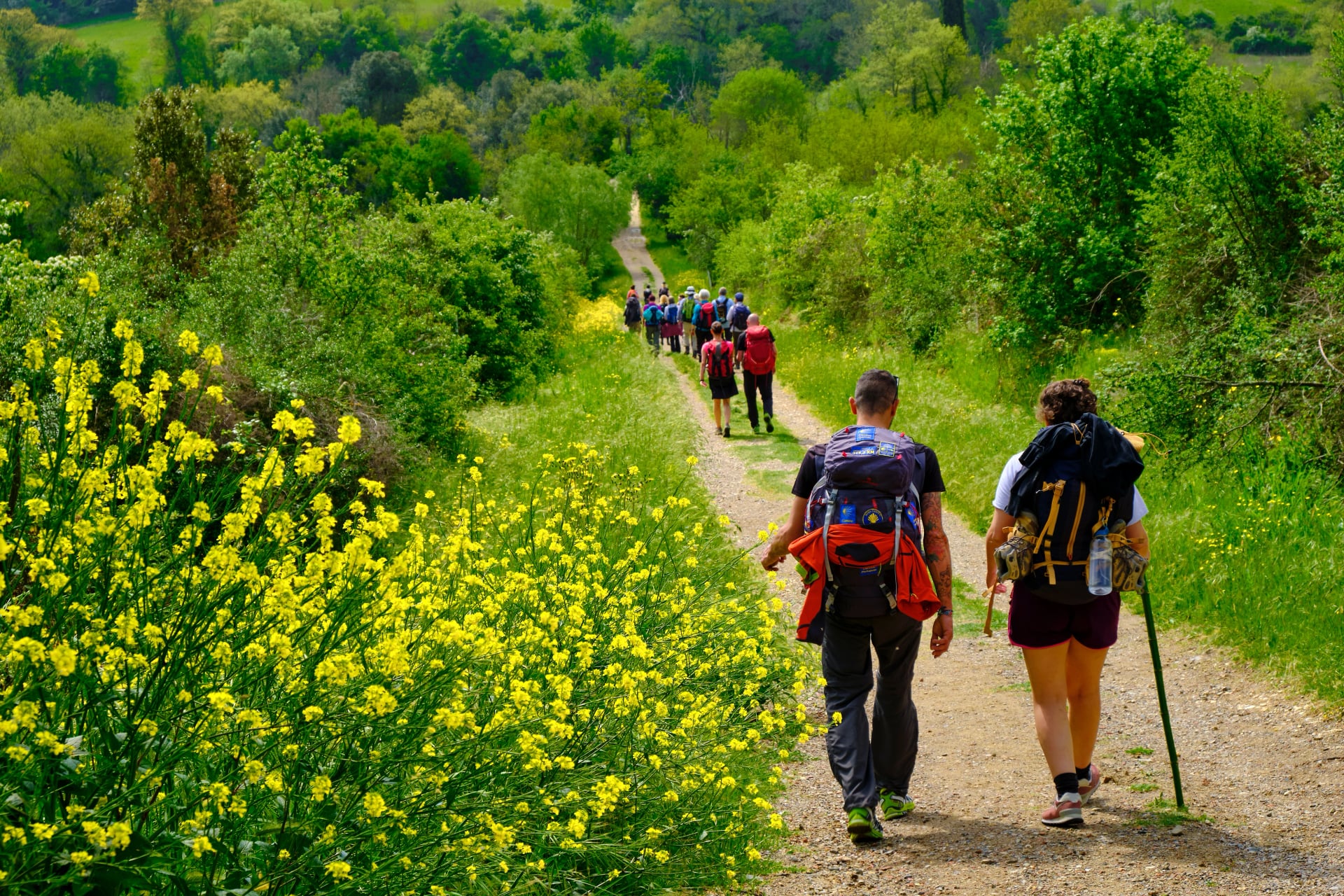
The Camino Inglés rates 2/5 for both technical difficulty and fitness level—among the easiest major Camino routes. The moderate distances (20-24km daily average), gentle terrain lacking extreme elevation, good path surfaces, and abundant services create accessible experience for beginners.
Most challenging aspects:
Betanzos to Hospital de Bruma stage (28-30km with hills)
Cumulative fatigue by Day 4-5 for unused bodies
Industrial Ferrol exit (mentally challenging rather than physically)
Weather variability (rain can make paths muddy and slippery)
Easiest aspects:
Coastal sections (flat, easy walking with views)
Short daily distances (allows leisurely pace)
No technical challenges (stream crossings, rock scrambles, extreme descents)
Frequent towns and services (never truly remote)
With average fitness and proper preparation, most pilgrims complete the Inglés comfortably. It's particularly suitable for first-time long-distance walkers testing capabilities, families with children, older pilgrims, or those recovering from injuries on gentler route.
If you're searching for detailed preparation information and access to comprehensive packing lists for the Camino Inglés, visit our ultimate Camino de Santiago guide covering training schedules, essential gear, and physical preparation strategies.
When to Go?
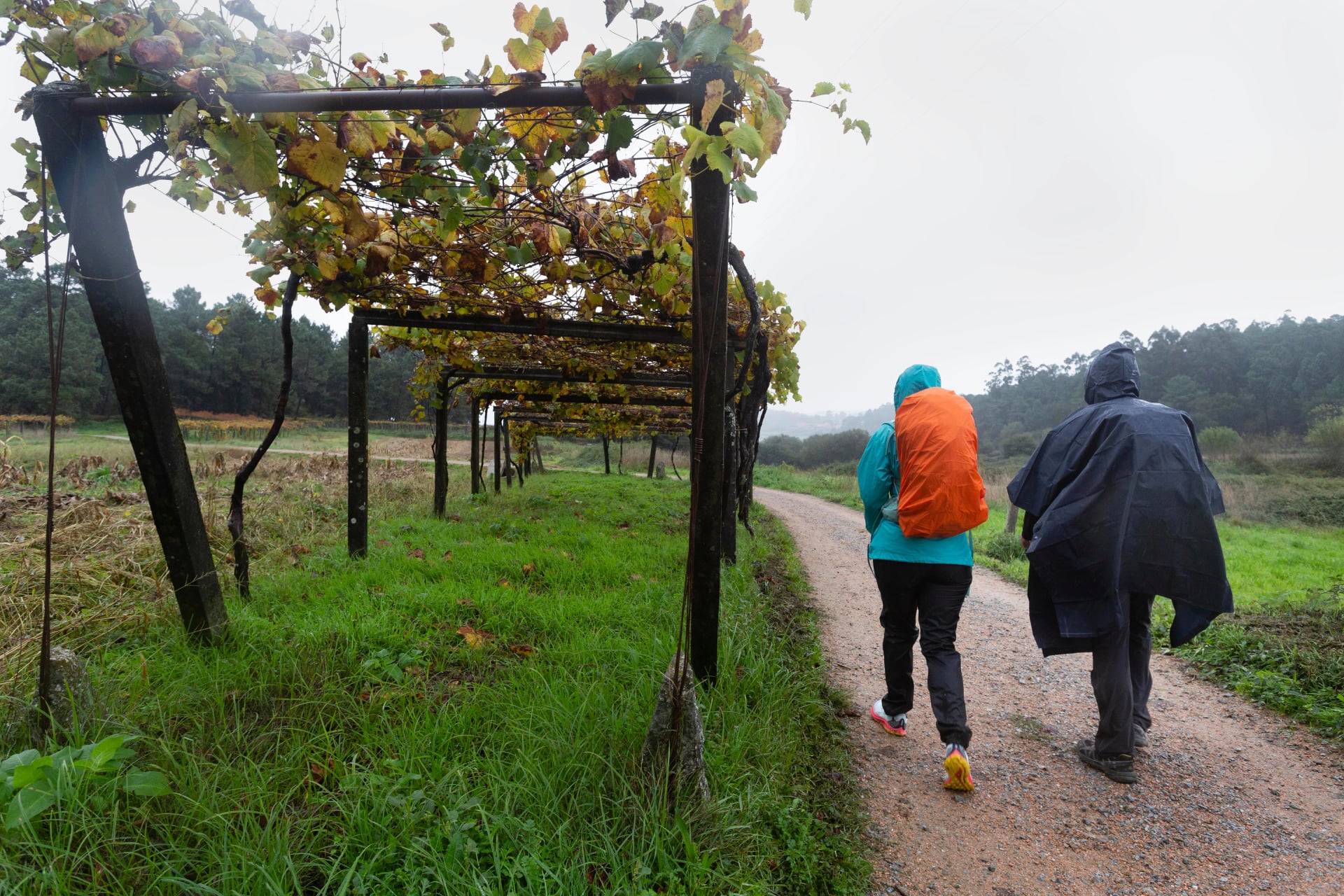
The Camino Inglés's coastal Galician location creates year-round walking possibility, though seasons dramatically affect experience. Understanding patterns helps choose optimal timing for your pilgrimage.
Best Months: Late Spring & Early Autumn
Late May through June and September through early October offer ideal Inglés conditions. Temperatures remain comfortable (15-22°C during day, 10-15°C at night), weather stabilizes after spring's unpredictability, and crowds stay manageable. These shoulder-season months provide best balance of pleasant weather, operational services, and reasonable pilgrim numbers.
Spring (May-June) brings green landscapes from winter/spring rains, wildflowers blooming in countryside, and generally stable weather (though rain always possible in Galicia). The coast delivers beautiful conditions—comfortable for walking without overheating, occasional beach swimming feasible for hardy souls, and long daylight hours (sunrise 7am, sunset 9:30pm June) allowing flexible timing.
September through early October delivers arguably the best overall conditions. Weather patterns stabilize after summer, temperatures moderate to perfect walking range, and autumn light creates golden-hour photography conditions. The ocean remains swimmable (for those acclimated to Atlantic temperatures), and harvest season brings fresh produce abundance in markets and restaurants.
Summer: Peak Season Crowds & Heat
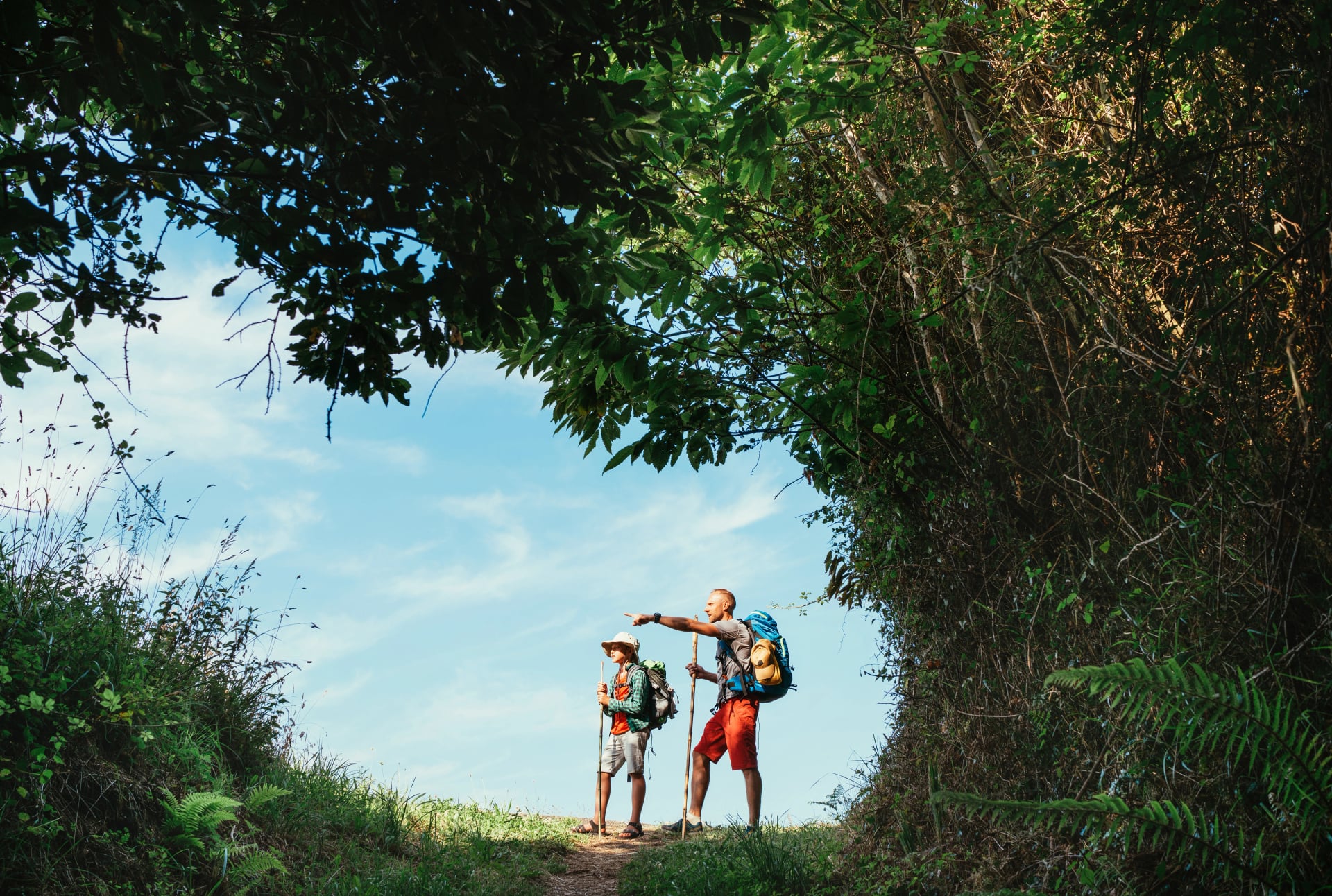
July-August sees maximum pilgrims and warmest temperatures. Coastal location keeps heat moderate compared to inland routes—rarely exceeding 28-30°C even during peak summer, with ocean breezes providing natural cooling. However, afternoons can feel hot when humidity combines with sunshine.
Advantages:
Guaranteed good weather (though Galician rain always possible)
All services operational with full summer hours
Maximum social atmosphere (though Inglés never becomes crowded by Francés standards)
Beach swimming ideal (ocean warmest July-August)
Long daylight hours enable flexible scheduling
Disadvantages:
Accommodation must be booked 1-2 weeks ahead in July-August (particularly Betanzos with only 6-bed municipal)
Prices increase 20-30% during peak season
More pilgrims mean less solitude (though still quiet compared to major routes)
Occasional afternoon heat requires early starts or midday breaks
Summer works excellently for those with inflexible vacation schedules or wanting guaranteed weather, but sacrifices some of the Inglés's characteristic peaceful atmosphere.
Spring: Unpredictable Beauty
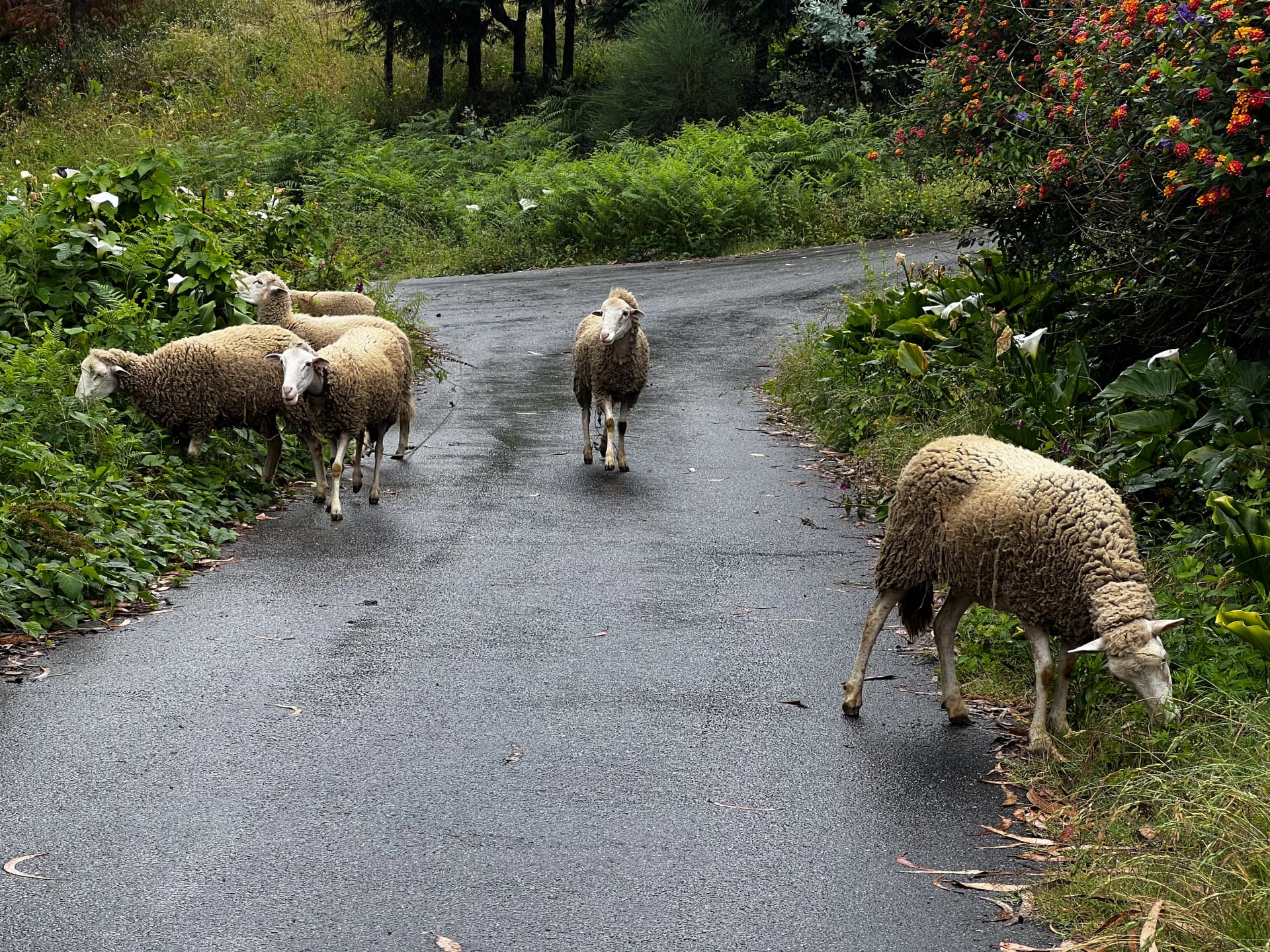
April through early May brings unpredictable weather creating both challenges and rewards. Rain remains frequent (Galicia earns its green landscapes from somewhere), temperatures range 10-18°C, and occasional cold snaps remind that winter recently ended. However, willing pilgrims discover spectacular conditions when weather cooperates.
Advantages:
Beautiful green landscapes and wildflowers
Very few other pilgrims (genuine solitude)
Lower accommodation prices
Galician countryside at its most verdant
Disadvantages:
Weather highly variable (sunshine one hour, downpour next)
Some albergues still closed or operating limited hours
Cooler temperatures require layering and rain gear
Shorter daylight hours (sunset 8:30pm April)
April/early May suits flexible pilgrims who can adjust plans based on weather and don't mind occasional challenging conditions for beautiful rewards and solitude.
Autumn: Golden Continuation
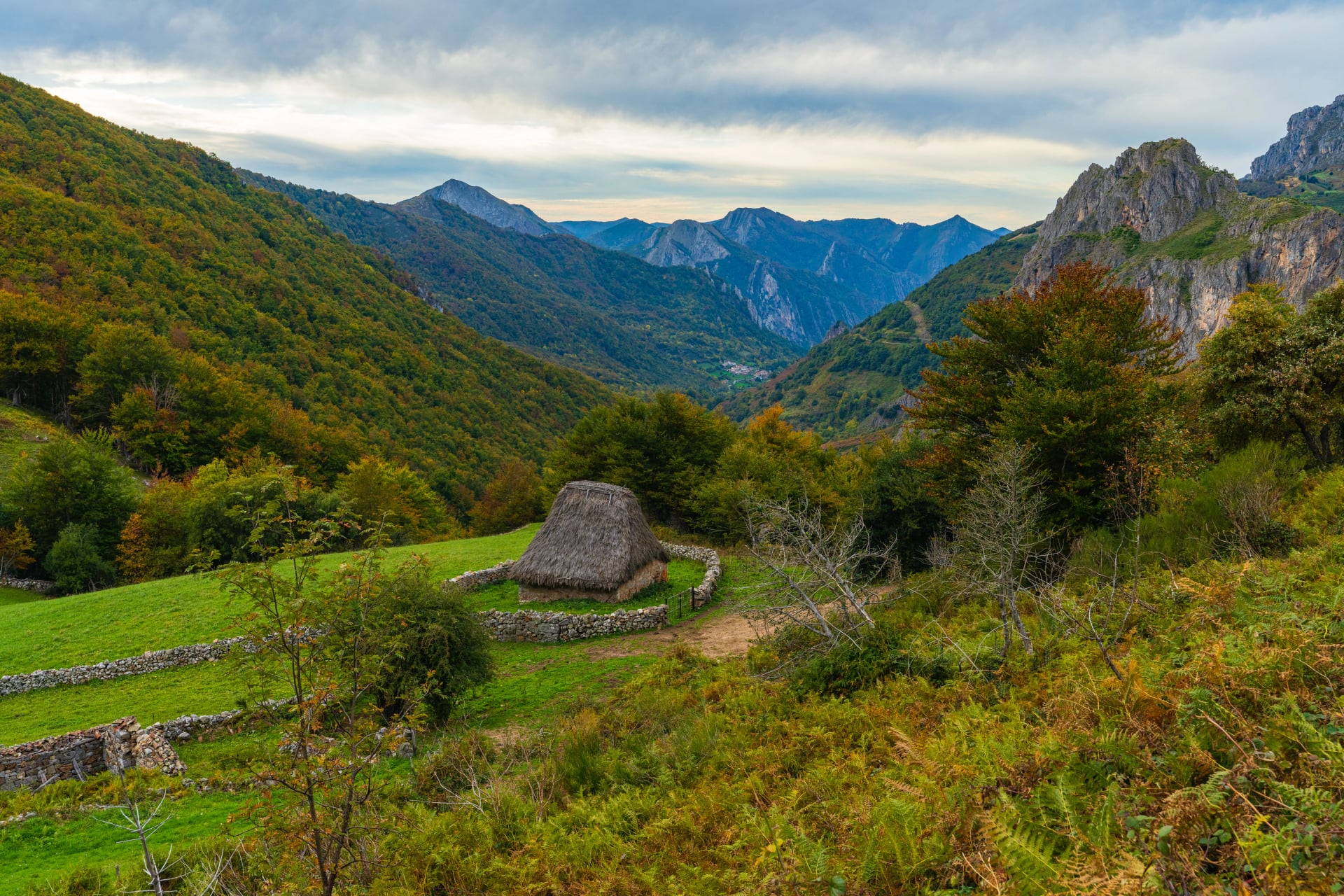
Late October into November represents the season's tail end as autumn transitions toward winter. Temperatures drop (8-16°C), rain frequency increases, and daylight hours shorten (sunset 6pm November). However, conditions remain walkable with proper gear.
Advantages:
Autumn colors in forests and countryside
Very few pilgrims (peak solitude)
Lower prices throughout
Still-comfortable walking temperatures
Disadvantages:
Many albergues close after October 31 (particularly small private establishments)
Increasing rain probability
Cold nights requiring warmer sleeping bags
Short days limiting walking hours
Late autumn works for experienced pilgrims comfortable with limited services and willing to book private rooms when albergues close, but requires accepting weather challenges.
Winter: Viable But Wet
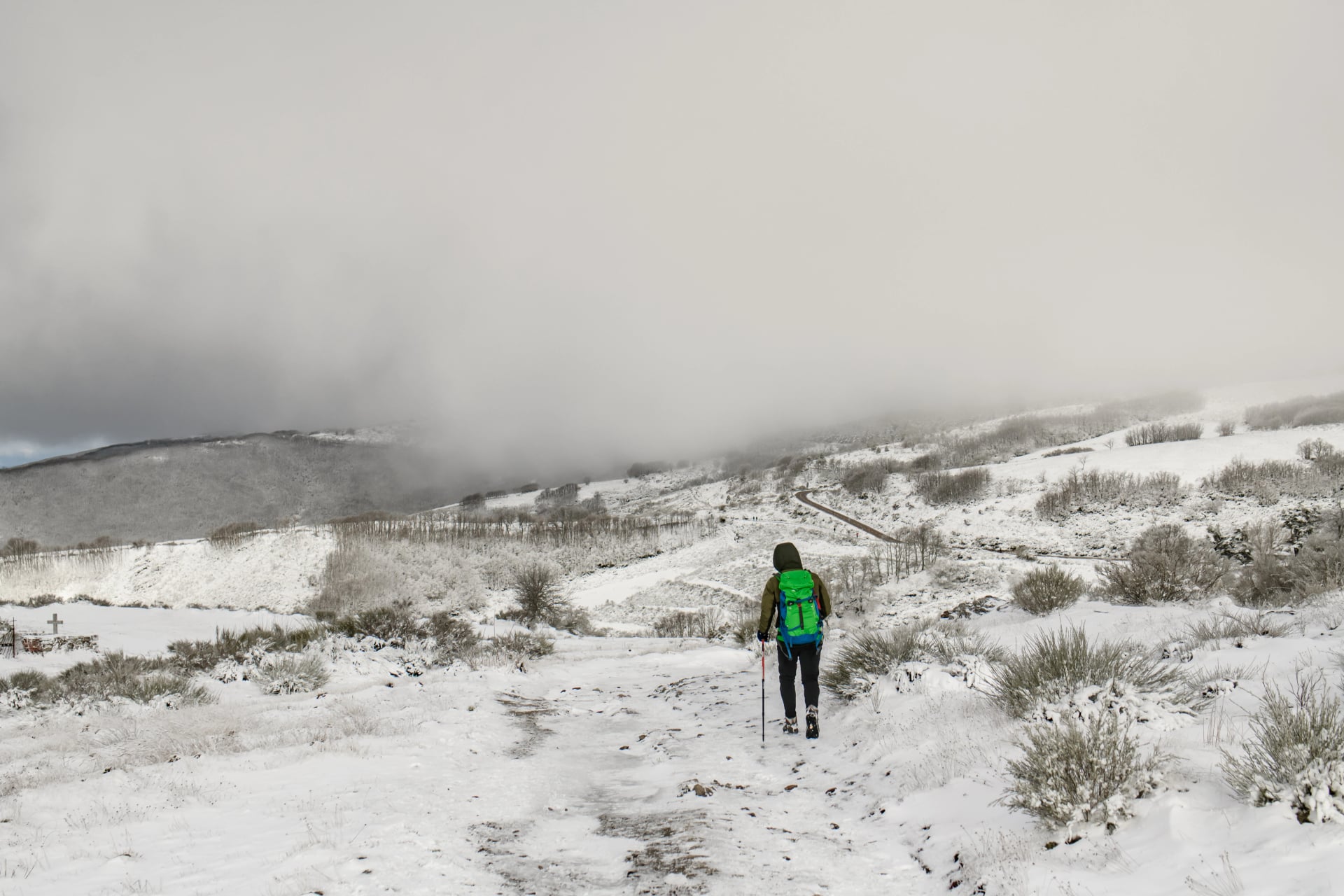
Unlike mountain routes becoming dangerous or impassable, the Inglés's coastal location enables winter walking—no snow at sea level, no dangerous mountain passes, and infrastructure maintaining at least minimal operations. However, winter presents real challenges.
Conditions:
Frequent rain (expect wet days routinely)
Cool temperatures (8-14°C daytime, 4-8°C nights)
Short daylight (sunset 6pm December/January)
Many albergues closed (maybe 50% operational)
Storms can create difficult walking conditions
Winter suits: Hardy pilgrims comfortable with solitude, wet conditions, limited accommodation options, and booking private rooms when albergues close. Requires quality rain gear and realistic expectations. The profound quiet and empty trails reward those accepting challenges.
For comprehensive monthly breakdowns, temperature data, and rainfall statistics for Galicia's coastal regions, consult our detailed Camino weather guide covering all routes and seasonal variations.
Infrastructure Along the Way
The Camino Inglés's infrastructure supports comfortable pilgrimage while maintaining less commercialized character than busiest routes, creating balance between adequate services and authentic experience.
1. Accommodation Options
The route offers varied accommodation from traditional albergues to comfortable hotels, though density differs from Francés or Portugués. The smaller infrastructure means more advance planning required, particularly summer peak season.
Municipal albergues exist in major towns (Ferrol, Betanzos, Hospital de Bruma, Sigüeiro) providing budget accommodation (€10-15/night). However, Betanzos municipal currently operates with only 6 beds—a significant bottleneck requiring early arrival or advance booking summer months.
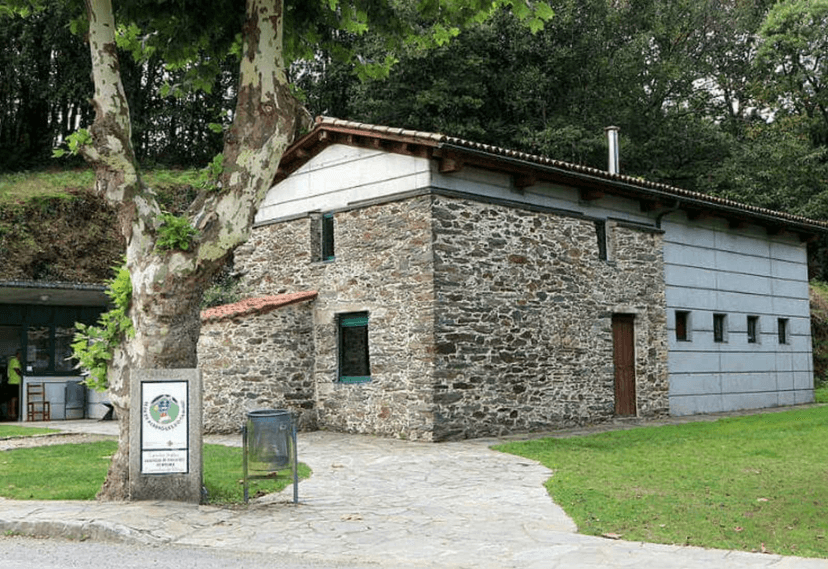
Private albergues dominate the route, typically charging €15-25/night with better facilities than municipals. Many are small (12-20 beds) creating intimate atmosphere where hosts know pilgrims' names. The new Albergue Casa do Mar in Ferrol exemplifies modern pilgrim accommodation—designed for family accessibility, spacious common areas, and welcoming atmosphere.
Private rooms (hotels, pensiones, casas rurales) exist in most towns, ranging €40-80/night. These provide comfort breaks from dormitory life or serve pilgrims preferring privacy throughout. Availability varies—larger towns offer choices, smaller hamlets may have single pension option or none.
Critical booking note: Unlike the Francés where same-day booking often succeeds, the Inglés requires booking 2-5 days ahead during summer (particularly Betanzos with limited beds). Shoulder seasons allow 1-2 days ahead, while winter often permits walk-in. The smaller infrastructure means less flexibility than major routes.
For detailed information about accommodation types, albergue etiquette, and booking strategies across all Camino routes, explore our comprehensive accommodation guide covering everything from dormitory basics to private room selection.
2. Food & Supply Access
The route passes through towns and villages where pilgrims purchase food and eat at local restaurants, though frequency differs from densest routes.
Bars and restaurants appear regularly—rarely walking more than 8-12km without encountering café for coffee and snacks. Most establishments serve Menu del Peregrino (€10-12 for three courses plus wine) at dinner, featuring Galician specialties. Breakfast typically consists of coffee and pastries at bars rather than albergue-provided meals.
Grocery stores exist in larger towns (Ferrol, Pontedeume, Betanzos, Sigüeiro) allowing stocking supplies. Smaller villages may have only basic tienda selling bread, cheese, chorizo, water, and essentials—sufficient for pilgrim needs but not extensive selection. Sunday closures affect shops and some restaurants—carry extra food if walking Sundays.
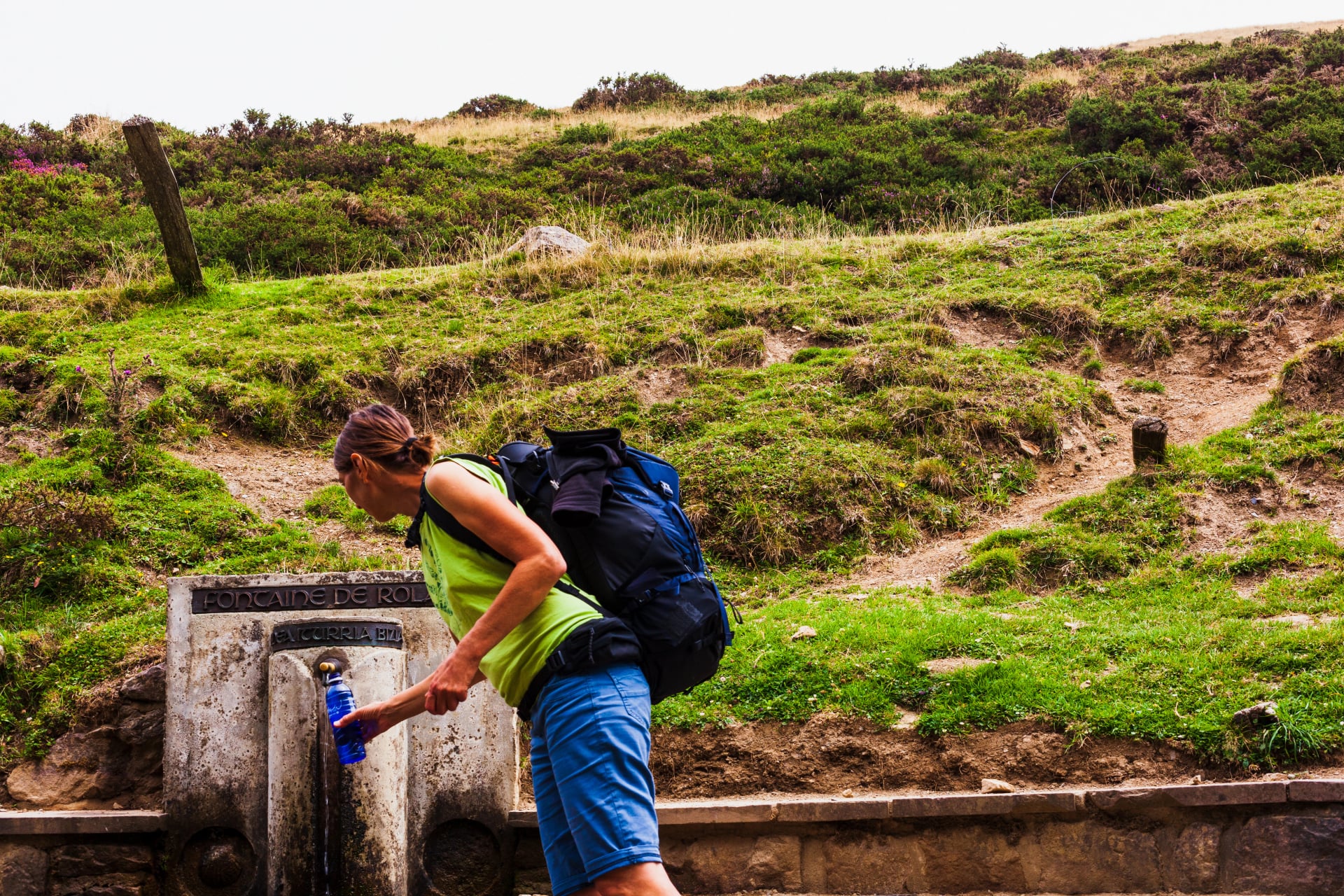
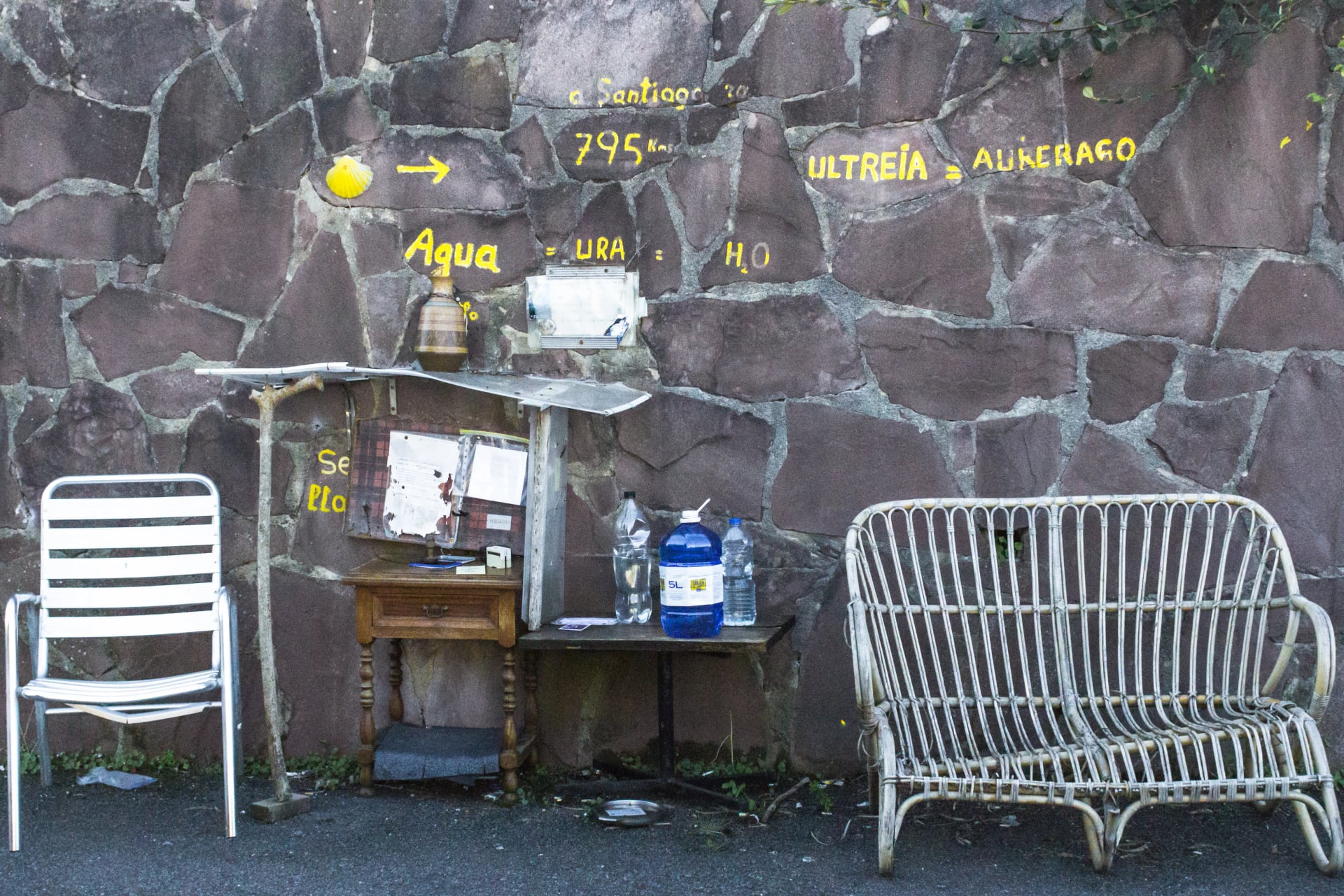
Water availability remains excellent—fountains appear regularly along trails and in every village, providing fresh drinking water. Unlike hot, dry routes requiring carrying 3+ liters, the Inglés's moderate climate and frequent water sources mean 1-2 liters suffices between towns.
3. Medical & Emergency Services
Larger towns provide healthcare facilities including pharmacies and medical centers. Ferrol and Santiago offer full hospital services, while intermediate towns have health clinics staffing nurses and visiting doctors.
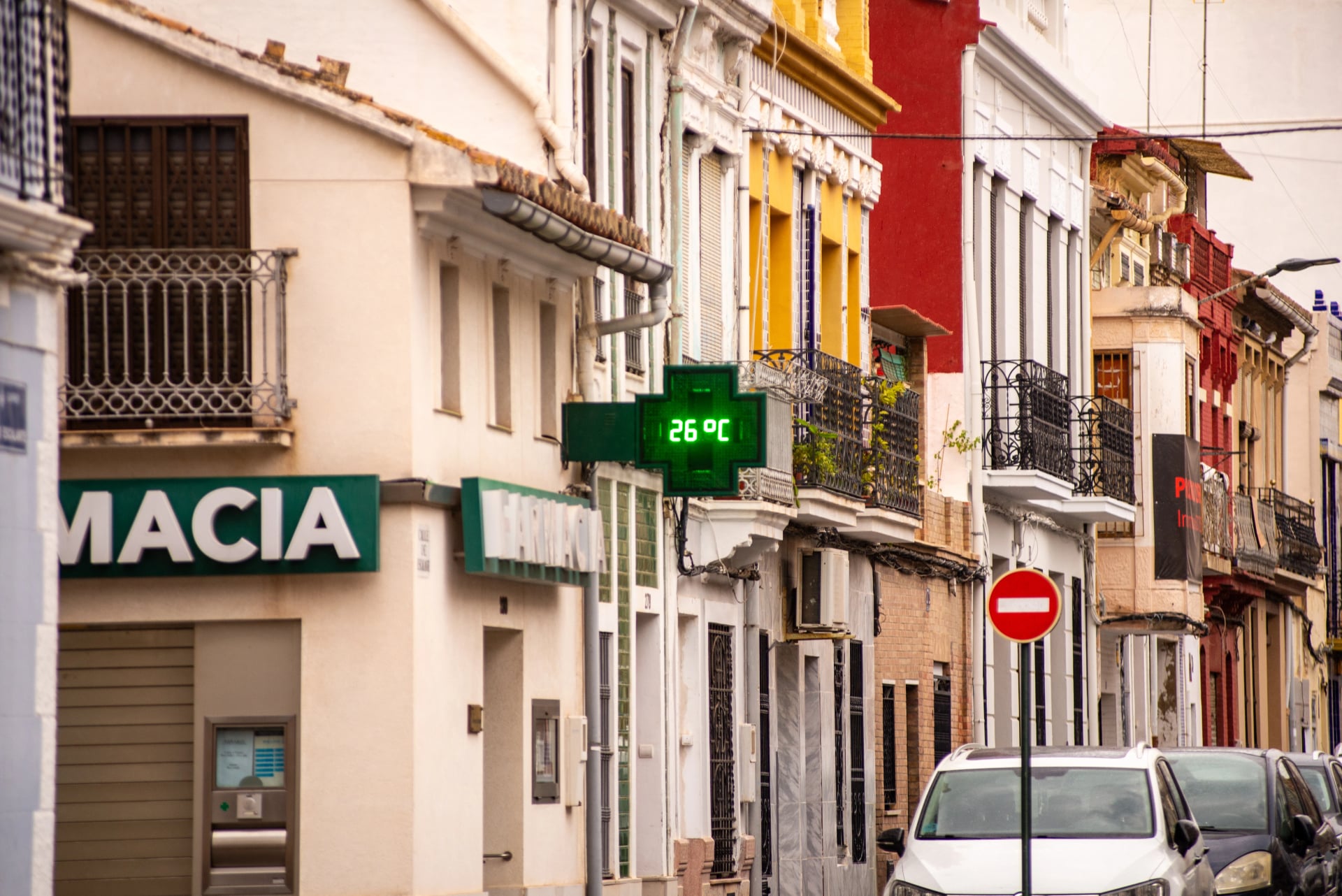
Pharmacies (farmacias, marked with green crosses) exist in most towns, providing over-the-counter medications for common pilgrim ailments: blisters, muscle pain, digestive issues, allergies. Pharmacists generally speak some English and help recommend treatments.
Emergency services (112 throughout EU) respond to problems, though coastal location means faster access than remote mountain routes. The Inglés's proximity to populated areas ensures help arrives relatively quickly if needed.
4. Transportation & Logistics
Public transportation connects major points—buses link Ferrol, A Coruña, Betanzos, and Santiago. Taxis operate in larger towns for emergencies or stage-skipping if injury/illness forces modifications.
Luggage transfer services operate on the Inglés, transporting backpacks from one accommodation to next (€7-10 per bag per stage). This service allows walking with just daypack, significantly reducing physical strain. However, advance accommodation booking becomes essential when using luggage service—drivers need specific delivery addresses.
5. Waymarking & Navigation
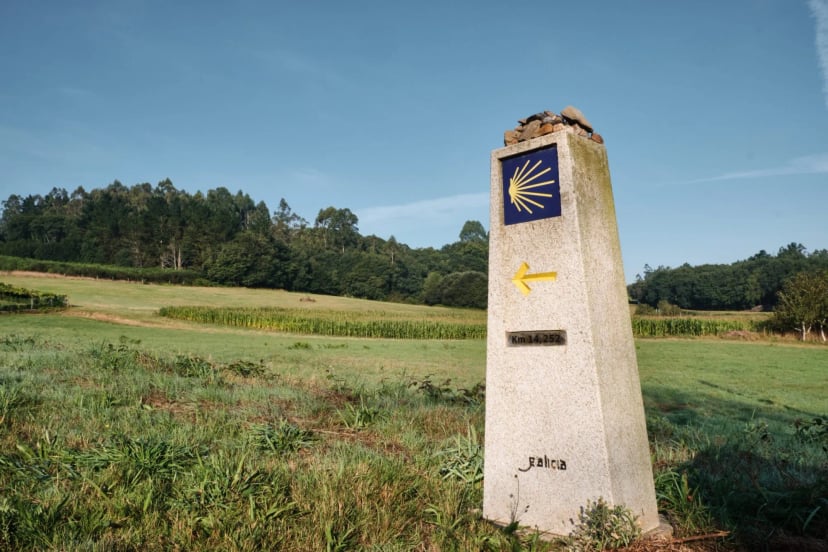
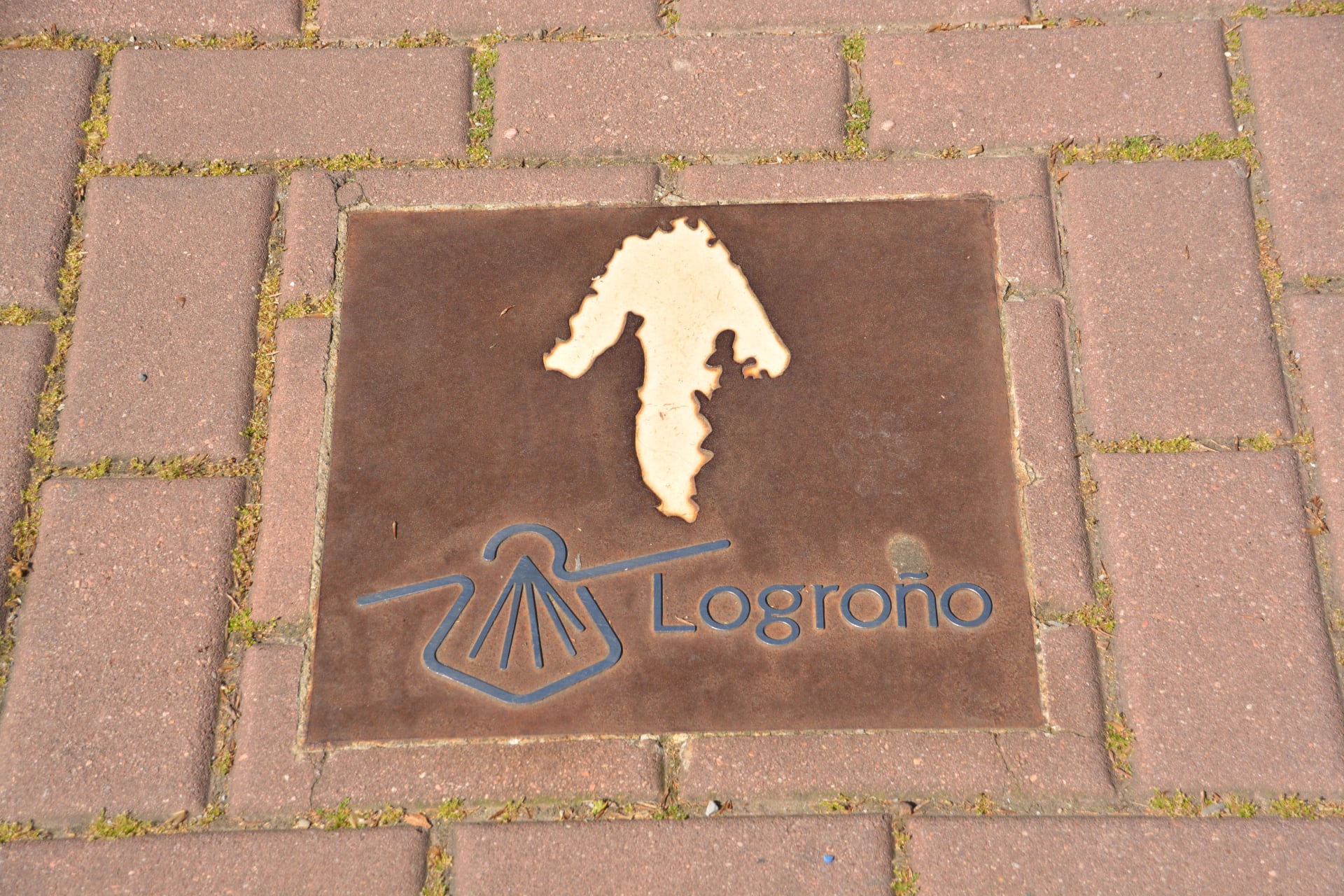
Trail waymarking proves excellent throughout—the familiar yellow arrows and scallop shell symbols appear consistently, supplemented by concrete kilometer posts marking distance remaining to Santiago. The Ferrol route receives more frequent waymarking than A Coruña variant due to higher traffic.
Navigation proves straightforward on the Inglés. The route follows obvious paths, signs appear at every junction where confusion might occur, and the coastal/rural terrain lacks maze-like urban environments where getting lost becomes easy. Smartphone apps (Buen Camino, Wise Pilgrim) provide backup guidance if needed.
Credential stamps prove readily available—bars, cafés, albergues, churches, and tourist offices all stamp credentials. Many establishments display signs indicating stamp availability. The Inglés's infrastructure ensures easy collection of required two-stamps-daily for Compostela qualification.
Overall Infrastructure Assessment
The Camino Inglés's infrastructure adequately supports comfortable pilgrimage while preserving authentic character. It offers fewer services than busiest routes—requiring slightly more planning and occasionally accepting limited options—but maintains everything necessary for safe, enjoyable journey. The balance appeals to pilgrims wanting authentic experience without extreme remoteness.
How to Get to the Starting Point
The Camino Inglés begins in either Ferrol or A Coruña, both located in northwestern Galicia, Spain. Reaching these starting points proves straightforward thanks to well-connected Spanish transportation networks.
Getting to Ferrol
By Air:
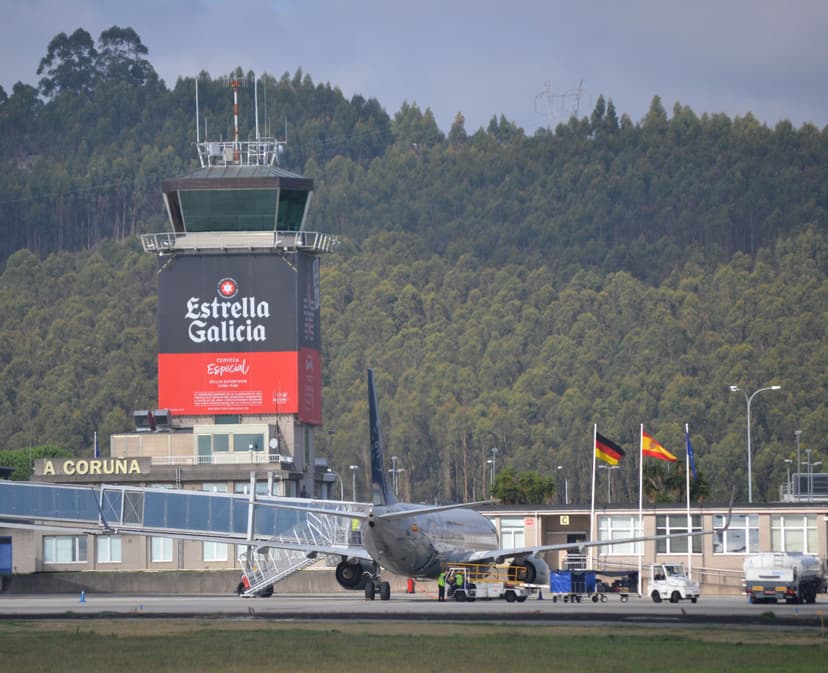
The closest airport is A Coruña Airport (LCG), located 60km from Ferrol. The airport serves domestic flights from Madrid, Barcelona, Sevilla, and limited European connections. International travelers typically connect through Madrid or Barcelona.
From A Coruña Airport:
ALSA bus to A Coruña bus station (€3, 30 minutes, frequent departures)
From A Coruña bus station to Ferrol: bus or train (details below)
Taxi directly airport to Ferrol (€80-100, 50 minutes)—convenient for groups sharing costs
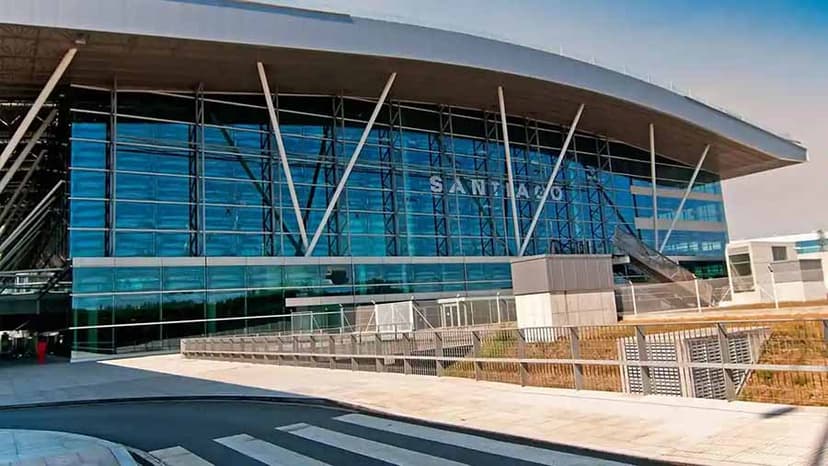
Santiago de Compostela Airport (SCQ) offers another option, located 100km from Ferrol with more international connections. From Santiago, take bus or train to A Coruña, then onward to Ferrol.
By Train:
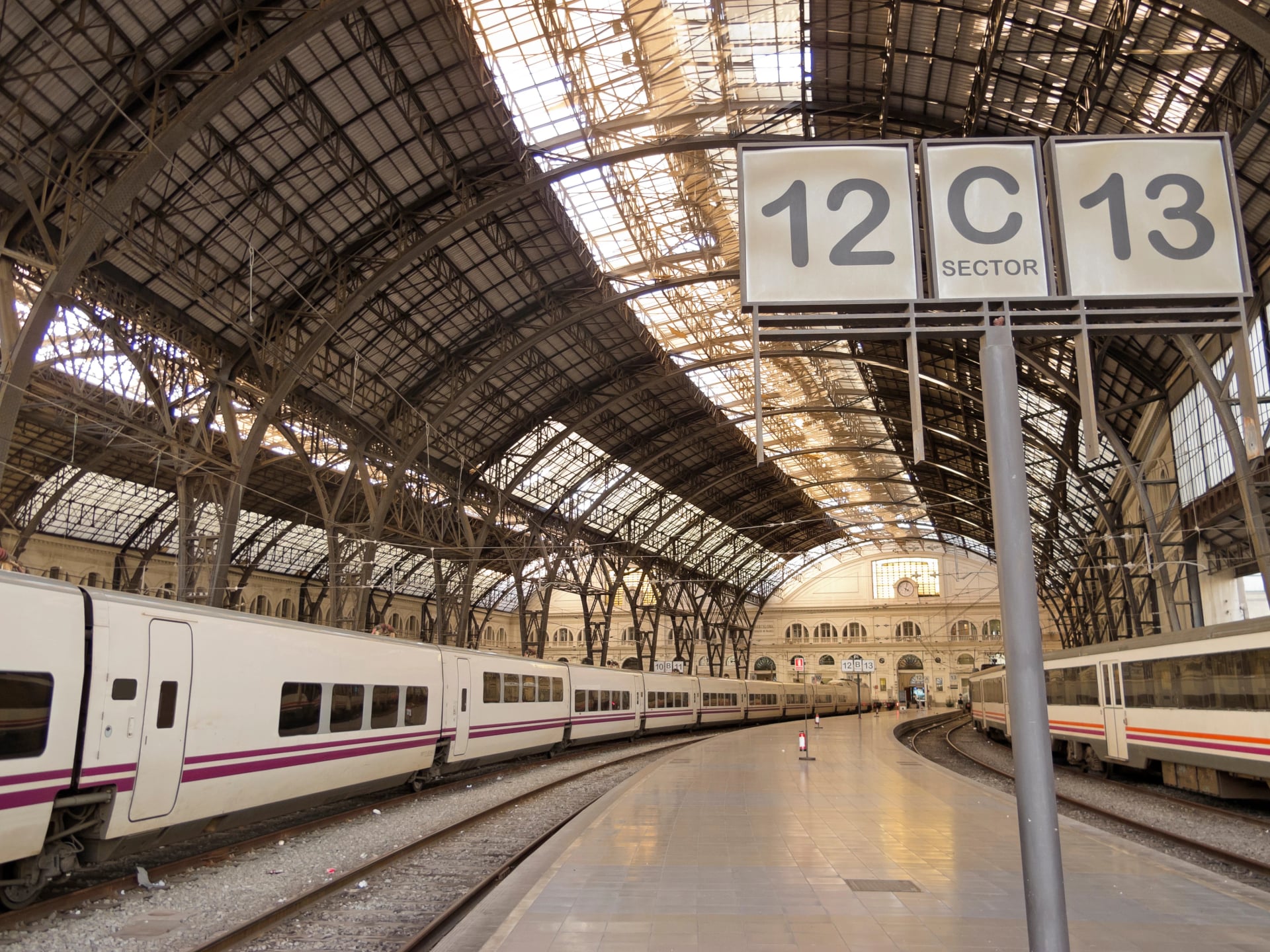
Ferrol connects to Spanish rail network via Renfe. Direct trains from Madrid take 7-8 hours, departing from Chamartín station. For travelers from Barcelona, Bilbao, or other cities, connections require changes at Madrid or A Coruña.
Train journey offers scenic route through Galician countryside, allowing landscape appreciation before walking begins. Book tickets at Renfe or directly at the station. Advance booking (2-4 weeks) secures better prices, though last-minute tickets usually available.
Ferrol's train station sits ~2km from old town/port where Camino begins. Taxi to port costs €7-10, or walk 25 minutes through city to starting point.
By Bus:
ALSA company operates extensive bus services to Ferrol from major Spanish cities. Direct buses run from Madrid (8-9 hours, €30-45), Barcelona (14+ hours with connection), and regional Galician cities.
From A Coruña to Ferrol: frequent buses (€8-10, 1 hour) and trains (€6-8, 1 hour) run throughout day, making A Coruña→Ferrol connection easy. This allows arriving A Coruña, exploring the city (Tower of Hercules, beaches, old town), then bus/train to Ferrol next morning to begin walking.
Ferrol's bus station (Estación de Autobuses) sits near train station, ~2km from port/starting point. Taxi or walk to reach official Camino start marker.
By Car:
Driving to Ferrol provides flexibility for pre-Camino exploration. Well-maintained highways connect Ferrol to major cities: A-6 from Madrid, AP-9 from Santiago/Pontevedra.
Parking challenges: Ferrol city center has limited street parking. Options include:
Municipal parking lots (€12-18/day)
Hotel parking (if booking accommodation first night)
Long-term arrangements (some establishments offer storage for walking duration)
Most pilgrims leave cars in Ferrol, returning via bus/train from Santiago (4-5 hours total) after completing pilgrimage. Coordinate retrieval plans before departing.
Local Transportation in Ferrol:
Once in Ferrol, the compact city center makes navigation easy. The port area where Camino officially begins lies within 15-20 minute walk from most central accommodations. Taxis cost €6-10 for short city trips. Local buses serve residential areas (€1.30/ride).
Starting point location: Official granite marker designating Camino Inglés start sits near waterfront Tourist Office/Pilgrim Office (Paseo da Mariña, 6). Obtain credentials here (€2, open 10am-1pm and 4-7pm daily, bring passport). The office provides excellent Inglés information, maps, and guidance.
Getting to A Coruña (Alternative Start)
By Air:
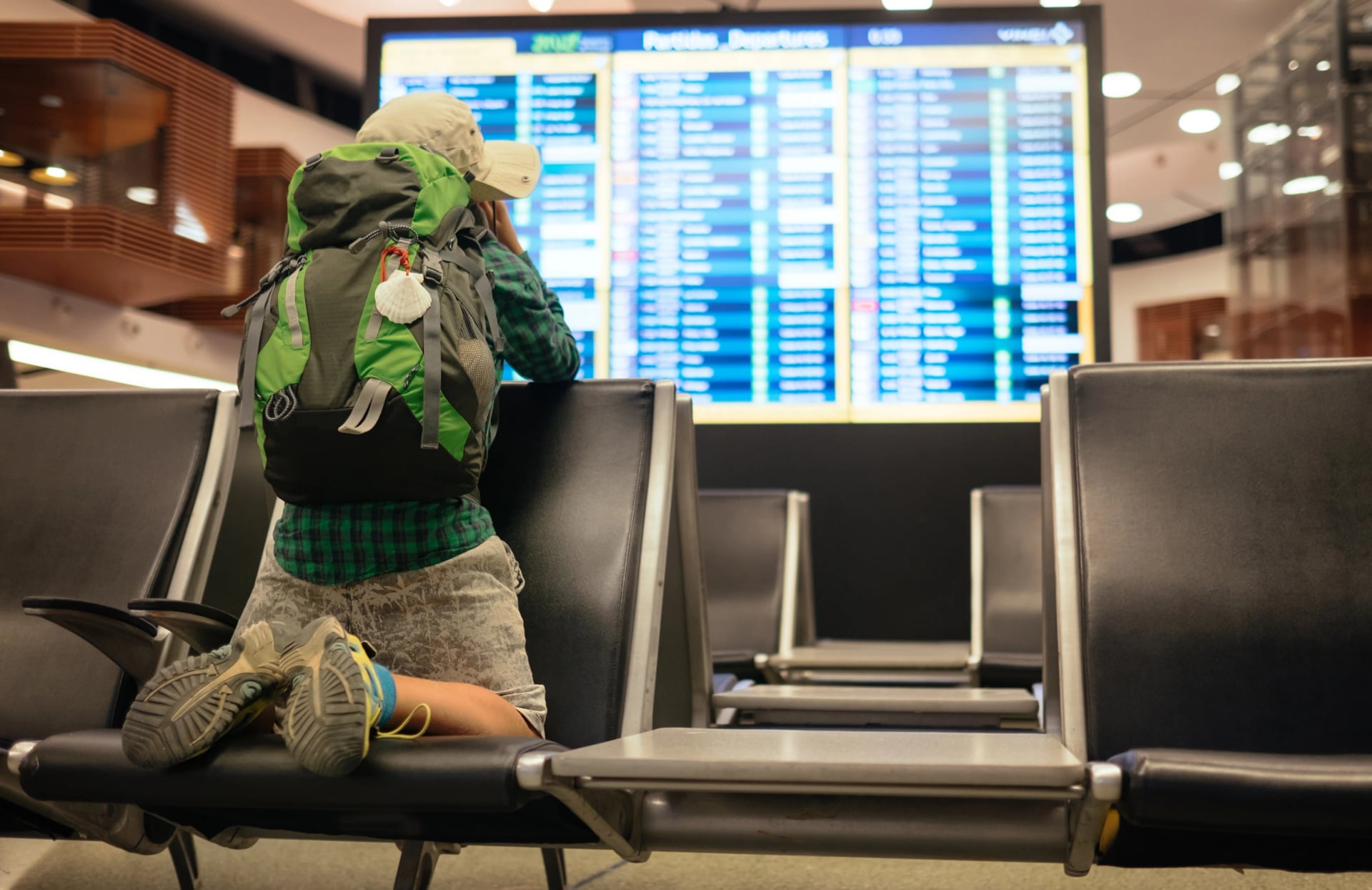
A Coruña Airport (LCG) provides most convenient access, located 8km from city center. Domestic flights from Madrid, Barcelona, Sevilla, and some European cities. International travelers typically connect through Madrid or Barcelona hubs.
From Airport to City:
ALSA bus (€3, 30 minutes, frequent service)
Taxi (€20-25, 20 minutes)
Rental car (agencies at airport)
By Train:
A Coruña enjoys excellent rail connectivity with major Spanish cities. Direct trains from Madrid reach A Coruña in 5.5-6 hours. Services also connect from Barcelona (with Madrid transfer), Vigo, Santiago, and other Galician cities.
A Coruña's train station (Estación de San Cristóbal) sits ~2km from city center/old town. Taxi to center costs €7-10, or take local bus (€1.30, routes serve tourist areas).
By Bus:
ALSA buses serve A Coruña from throughout Spain. Madrid (8 hours, €30-45), Barcelona (13+ hours), Santiago (1 hour, €7-10), and regional cities all connect. The bus station (Estación de Autobuses) is located near train station.
By Car:
A Coruña connects via AP-9 highway to Santiago, Pontevedra, and southern Spain. Well-maintained roads make driving feasible, though city parking proves challenging and expensive. Municipal lots charge €15-20/day.
Local Transportation & Starting Point:
A Coruña's compact old town centers on waterfront Plaza María Pita. The official Camino Inglés starting point (for alternative A Coruña route) begins near Tower of Hercules—visit the lighthouse for credential stamps and spectacular views before beginning.
Tourist Office near tower and in Plaza María Pita provides credentials, maps, and guidance. The city's size means taxis or buses help reach tower (3km from center), or enjoy walking the scenic waterfront promenade.
Practical Recommendations
Most efficient arrival pattern:
Fly into A Coruña airport (more direct flights than Santiago)
Spend 1-2 days exploring A Coruña (Tower of Hercules, beaches, old town)
Take bus to Ferrol (€10, 1 hour, frequent departures) morning of Camino start
Begin walking from Ferrol with fresh legs and Compostela qualification
This strategy combines A Coruña's beauty with Ferrol's traditional start and certificate eligibility.
Credential collection: Obtain pilgrim credentials in either city:
Ferrol: Tourist Office at Paseo da Mariña, 6
A Coruña: Tourist Office near Tower of Hercules or Plaza María Pita
Cost: €2, bring passport for registration
For comprehensive guidance about when to walk the Camino Inglés—considering weather, crowds, seasonal factors, and optimal months—explore our detailed Camino weather guide with month-by-month breakdowns for Galician coastal regions.
Departing From the Finish Point
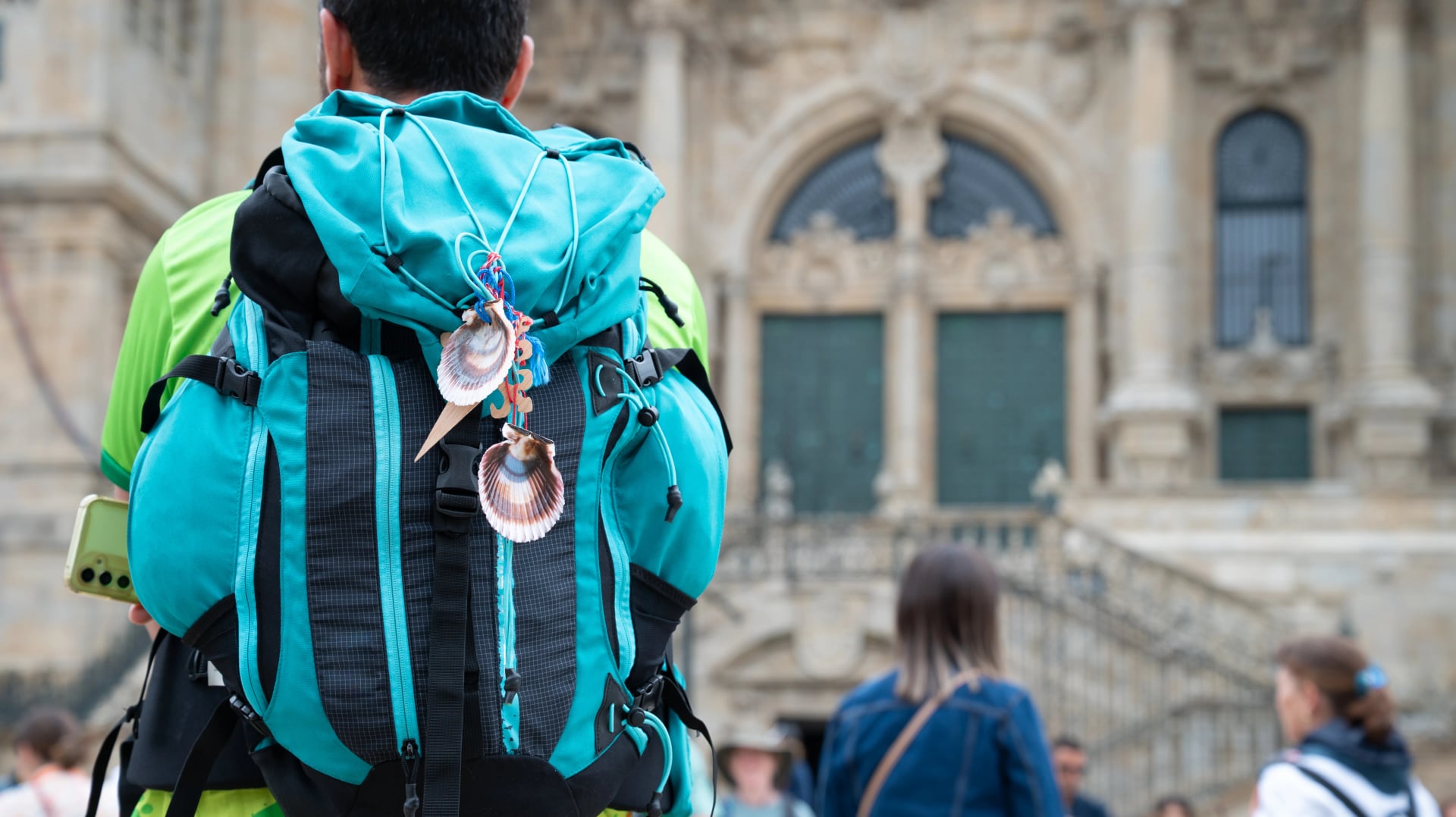
After completing your Camino Inglés pilgrimage, Santiago de Compostela offers excellent onward connections for continuing your journey or returning home. (See complete Santiago departure information in our Francés and Portugués guides—airport details, train connections, bus services, and Finisterre extension options.)
Accommodation on the Camino
The Camino Inglés offers diverse accommodation options suiting various preferences and budgets, though with less infrastructure density than busiest routes requiring more planning.
Municipal Albergues (€10-15/night)
Basic pilgrim hostels operated by towns exist in major stops—Ferrol, Betanzos (currently only 6 beds!), Hospital de Bruma, Sigüeiro, and final approach stages.
Dormitory-style accommodation (bunk beds in shared rooms)
First-come, first-served in most cases (no advance bookings typically)
Pilgrim credential required for check-in
Facilities: Shared bathrooms, sometimes kitchen, occasionally washing machines
Opens: Typically 1-3 PM
Quiet hours: 10 PM lights out, 6-7 AM checkout
Critical note: The Betanzos municipal albergue currently operates with only 6 beds—a significant bottleneck on the route. This small capacity combined with Betanzos being the most popular second-night stop means booking private accommodation in Betanzos often proves necessary summer months.
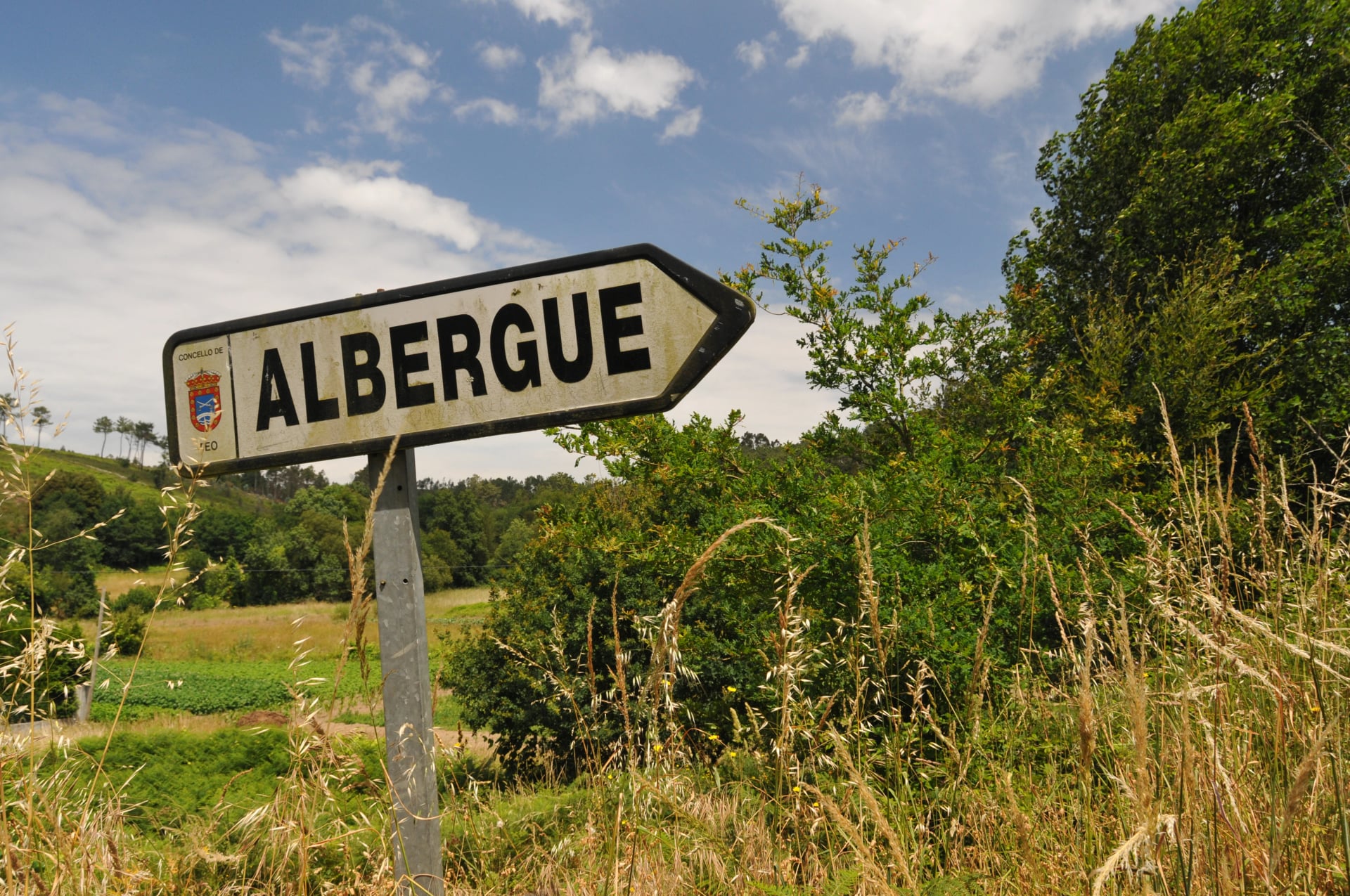
Private Albergues (€15-25/night)
Privately operated pilgrim hostels dominate the Inglés, offering better amenities and often more character than municipals.
Can book in advance (strongly recommended summer for limited-bed locations)
Better facilities (towels sometimes provided, better showers, comfortable common areas)
More services (breakfast options, luggage storage, laundry, local advice from hosts)
Many are small, family-run establishments (12-20 beds) creating intimate atmosphere
Hosts typically speak English and know pilgrims' names
The new Albergue Casa do Mar in Ferrol exemplifies modern pilgrim accommodation—designed for families, accessible facilities, and welcoming atmosphere representing Galicia's push to make the Inglés family-friendly.
Hotels & Pensions (€40-80+)
Private rooms provide comfort for those wanting privacy and better sleep.
En-suite bathrooms and personal space
Better sleep quality than dormitories
Often include breakfast
Book ahead summer (limited inventory means sold-out risk)
Best for periodic breaks every few nights or those avoiding dormitories entirely
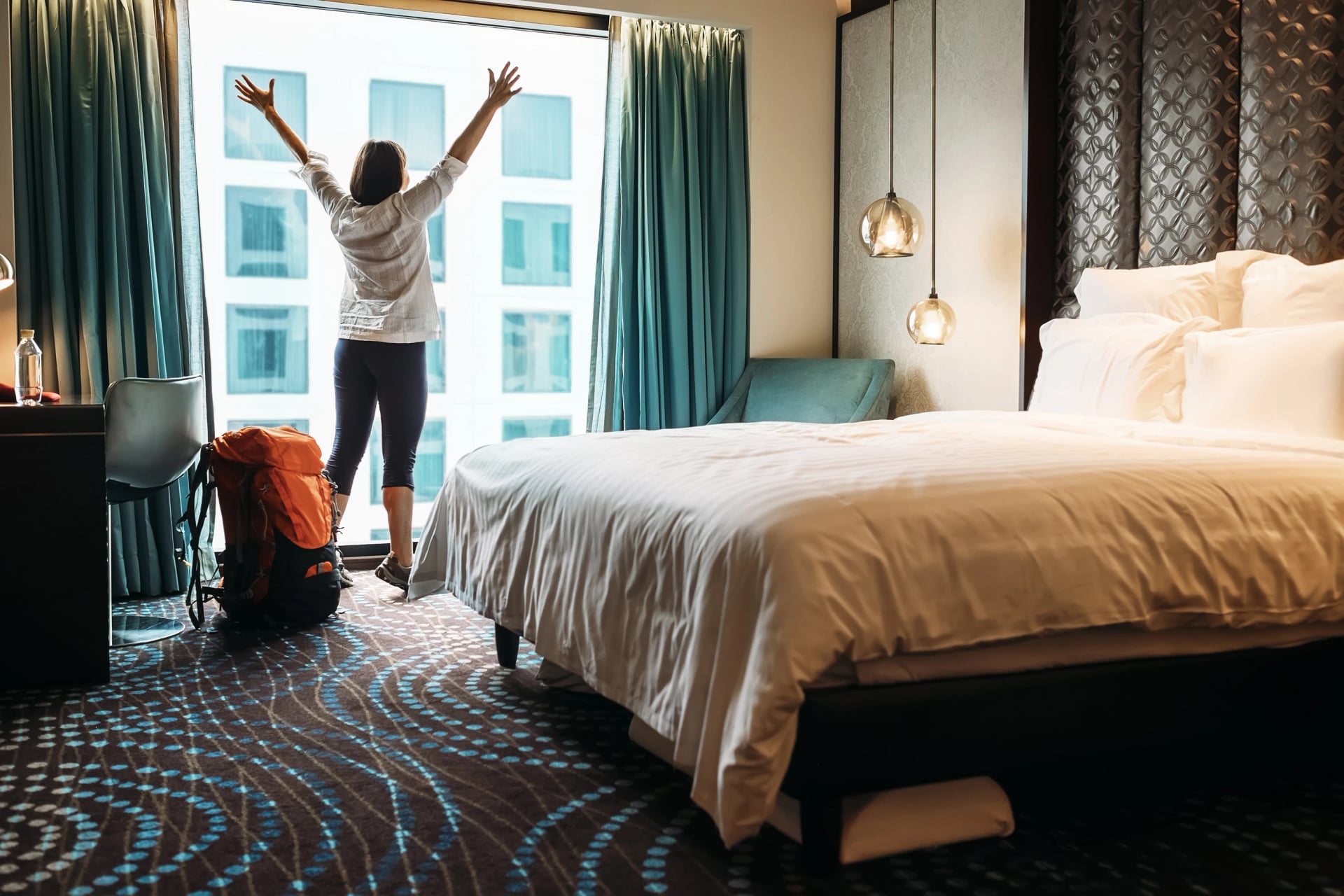
Many pilgrims alternate accommodation types—primarily albergues for budget and social experience, with strategic hotel nights for recovery or in towns where albergue quality/availability concerns exist.
When to Book Ahead
The Inglés's limited infrastructure means more advance booking required than the Francés or Portugués:
Summer (July-August):
Book 5-7 days ahead minimum, particularly Betanzos
Weekends book fastest (Spanish pilgrims doing weekend stages)
Private accommodations often required when municipals fill
Shoulder Seasons (May-June, September):
Book 2-4 days ahead for security
Betanzos still requires advance planning
Other stages sometimes allow same-day booking
Off-Season (October-April):
Usually 1-2 days ahead sufficient
Some albergues closed (particularly November-March)
More flexibility but reduced options

Critical bottleneck: Betanzos with 6-bed municipal means planning Betanzos accommodation carefully or splitting the stage differently to avoid the town entirely (sleep Pontedeume, walk longer to Presedo or Hospital de Bruma).
Booking Resources
For Inglés accommodations:
Booking lists many private albergues, hotels, and pensions
Direct phone calls work well for small albergues (hosts appreciate personal contact)
Tourist office websites provide accommodation lists with contact information
Camino apps (Buen Camino, Wise Pilgrim) include beds with booking capabilities
Accommodation Strategy
Most experienced Inglés pilgrims recommend:
Plan entire route accommodation before starting (unlike Francés improvising)
Book 3-7 days ahead depending on season
Have backup plans for Betanzos (stay Pontedeume and walk longer next day, or book private Betanzos accommodation early)
Consider splitting Stage 1 (Ferrol-Pontedeume is long; sleeping Neda breaks it comfortably)
Mix accommodation types for budget and comfort balance
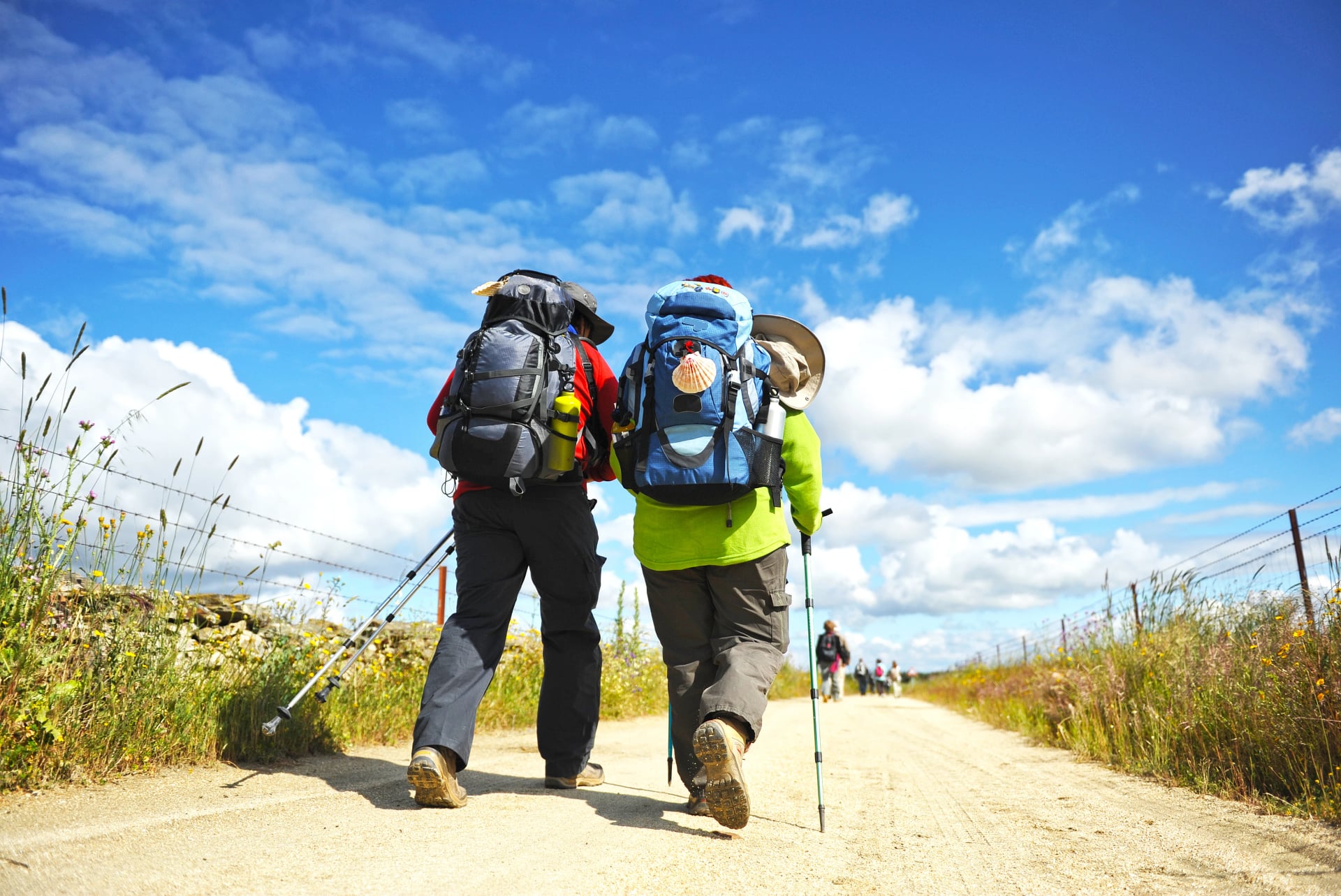
The tighter infrastructure compared to major routes means less spontaneity but forces better planning. Most pilgrims describe advance booking as minor inconvenience providing security worth the effort.
Practical Tips
These practical insights, learned from thousands of pilgrims' Inglés experiences, help avoid common mistakes and enhance your maritime pilgrimage journey.
Book Betanzos Accommodation Early: The municipal albergue currently has only 6 beds—the route's tightest accommodation bottleneck. Book private Betanzos accommodation 1-2 weeks ahead in summer, or plan alternative staging (sleep Pontedeume, walk longer to Presedo or Hospital de Bruma). This single accommodation issue causes more problems than any other Inglés logistical challenge.
Bridge Shortcut Decision in Ferrol: Two bridges across the Ría de Ferrol offer shortcuts reducing distance. Ponte das Pias (near port) cuts 14km, leaving exactly 100km—risky if miscalculated. Ponte AP-9 cuts 5-6km, leaving ~110km. Decide based on Compostela importance. Most pilgrims skip shortcuts to ensure qualification and experience full coastal route.
Stamps Readily Available Everywhere: Unlike some routes where obtaining two daily stamps challenges, the Inglés provides abundant stamping opportunities. Bars, cafés, albergues, churches, and municipal buildings all stamp credentials liberally. Many establishments display signs indicating availability. Getting required two-stamps-daily for Compostela proves effortless. Our team gathered everything you need to know about stamps and pilgrim passports in one blog.
Beach Swimming Opportunities Abound: Days 1-2 feature excellent beach access—Magdalena Beach in Cabanas, Pontedeume beaches, and Ferrol beaches all offer safe swimming. Carry swim gear for cooling off after morning walking. Atlantic temperatures (16-19°C summer) refresh rather than chill. Beach detours add minimal distance while providing memorable moments.
Sunday Closures Affect Everything: Spanish Sundays mean shops and many restaurants close—particularly smaller towns. If walking Sunday, carry extra food purchased Saturday. Bars typically stay open, but grocery shopping becomes impossible. Plan ahead to avoid hunger or relying exclusively on expensive bar food.
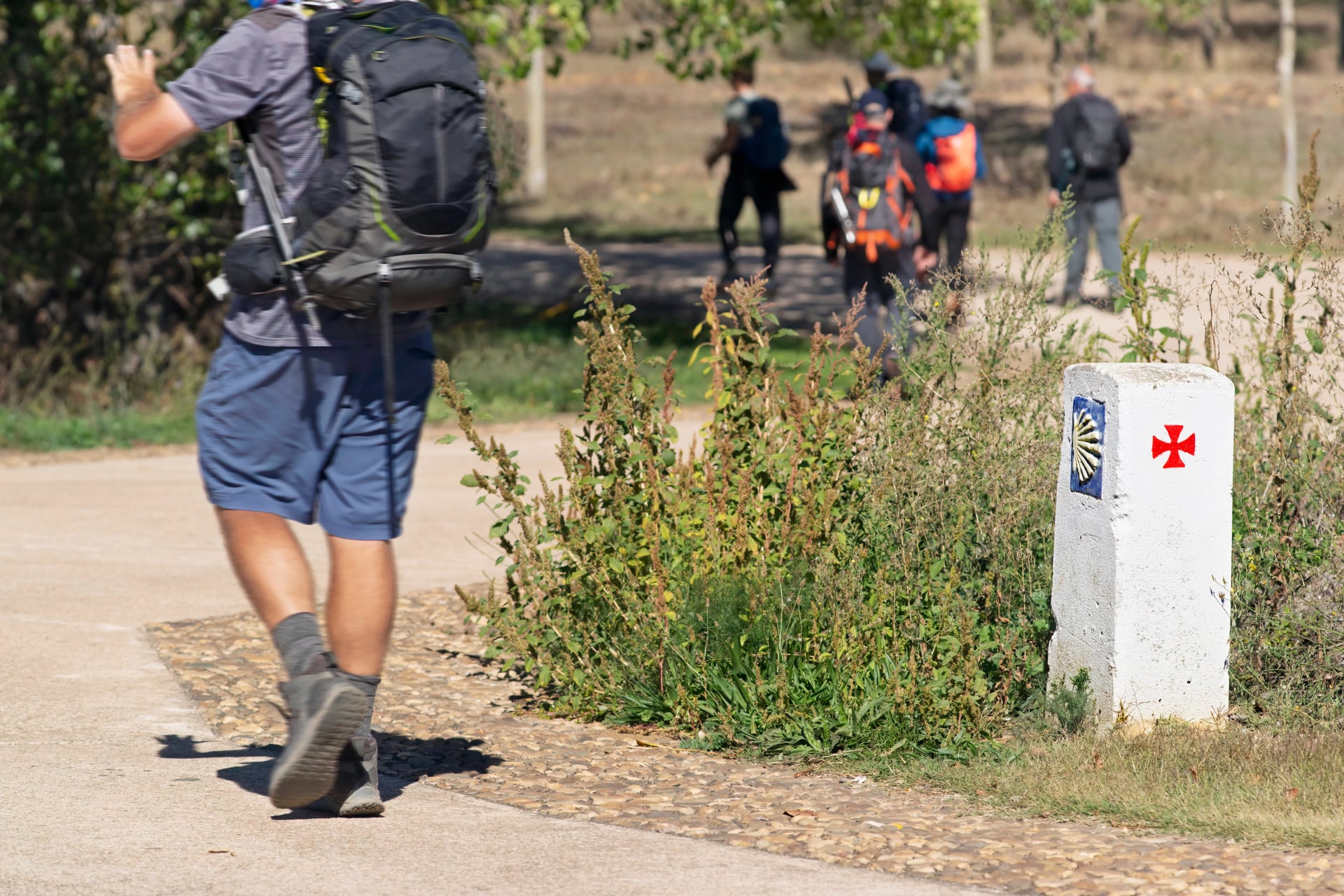
Industrial Ferrol Exit Requires Patience: The first 10-15km leaving Ferrol passes industrial shipyard areas—warehouses, maritime industry, urban sprawl creating less scenic walking. Persevere knowing the route improves dramatically after Neda. Many pilgrims describe feeling disappointed by opening, then elated by coastal beauty appearing. The industrial section is necessary geography, not route planning failure.
Don't Rush—Savor the Short Route: The Inglés's brevity tempts racing through stages. Resist this temptation—walk slowly, take photo stops, detour to beaches, explore towns thoroughly. You'll finish in five days regardless; quality of experience matters more than completion speed. The compressed timeframe makes every kilometer valuable.
Hospital de Bruma "Killer Day" Requires Preparation: Day 3 (Betanzos to Hospital de Bruma) earns reputation as hardest stage—28-30km with most elevation change. Start early (7-7:30am), carry sufficient food (only two bars en route), and pace conservatively. The nickname overstates difficulty but recognizes the stage challenges compared to easier coastal days preceding it.
Pack Lightweight Rain Gear Always: Galician weather changes rapidly. Rain jacket and pack cover prove essential regardless of forecast. The coastal location means Atlantic weather systems arrive quickly. Even sunny morning forecasts can become afternoon downpours. Quality rain gear (lightweight, breathable) weighs minimal but saves miserable walking when storms arrive.
For more practical advice, packing lists, training recommendations, and pilgrim experiences across various Camino routes, explore our blog featuring first-hand accounts and expert guidance from seasoned Camino walkers.
Why Book With Us?
For those seeking more structured and hassle-free Camino Inglés experience, traveling with a hiking agency provides valuable support, particularly given the route's accommodation challenges.
We offer comprehensive services including:
Pre-arranged accommodations at quality establishments—crucial for Inglés where Betanzos and other bottlenecks create booking challenges
Luggage transfer services on demand allowing walking with just daypack, significantly reducing physical strain
Detailed route information including maps, GPS tracks, stage-by-stage guidance, and current conditions
24/7 support throughout your journey for any questions, problems, or emergencies
Flexibility to customize itineraries matching your pace, preferences, and available time
Local expertise from our team's decades of Camino experience, including lesser-known routes like the Inglés
The Inglés's shorter duration and tighter infrastructure make professional support particularly valuable—we handle logistics while you focus on walking, experiencing Galician culture, and reaching Santiago de Compostela in just one week.
If you have questions about the Camino Inglés or want to discuss which route best suits your capabilities, time constraints, and goals, contact us or schedule a meeting with our team of experts who can provide personalized advice based on your specific situation.
Our Camino Inglés Tour
For those seeking structured and hassle-free Camino Inglés experience, our organized tours provide comprehensive support while maintaining the pilgrimage's independence and spiritual essence.
You can explore all our tours to find packages suiting your needs. Our services are designed to enhance your pilgrimage, ensuring memorable and fulfilling journey on the shortest route to Santiago de Compostela.


HASSLE-FREE
We handle itineraries, accommodations, and anything else you prefer not to deal with, so you can enjoy a carefree hike.
.svg)
TRIED & TESTED ADVENTURES
Only the best of Camino de Santiago, cherry-picked by our local team with an in-depth knowledge of the region.

SELF-GUIDED TRAVEL
Explore independently and with confidence while we keep everything running from behind the scenes.
.svg)
TRUSTED BY MANY
Since 2014, we have taken care of thousands of happy customers, making it our mission to put your satisfaction first.