Camino Footwear Guide: What Works Best
Choosing comfortable, reliable footwear that supports long walking days on the Camino, improves stability, and helps prevent common foot problems.

Anja
January 27, 2026
10 min read
Quick links
Choosing the right footwear is one of the most important decisions when preparing for the Camino de Santiago. Most pilgrims walk 15–25 km (9–15 miles) per day, often for 4–7 hours, over a mix of asphalt, dirt paths, gravel roads, and forest trails. Shoes must handle repetition and long hours without causing pain. Here are some key things to consider:
Best footwear for Camino: Lightweight, cushioned, stable, and fully broken in
Why it matters: Foot problems are more common than fitness problems
What to expect: Long days on hard surfaces mixed with uneven terrain
What to watch out for: Heavy boots, poor fit, and untested shoes
Pro tip: If you stop thinking about your shoes during the day, you’ve chosen well
Most experienced pilgrims choose trail shoes or light hiking shoes as their pilgrimage shoes. Comfort over distance matters far more than technical features or aggressive tread. In this guide you will find everything you need to know about making the right pick when choosing shoes for your upcoming Camino, as well as all the intricate details.
Why Footwear Matters on the Camino
The Camino de Santiago is not technically difficult, but it is demanding on the feet due to distance and repetition. Walking the equivalent of a half marathon or more each day places constant stress on the soles, toes, and joints.
Unlike a single long hike, Camino days repeat with limited recovery time. Small discomforts can quickly turn into real problems if footwear is not suitable. Shoes that feel fine on short walks often fail after several hours.
Terrain changes frequently. Pilgrims move between paved village streets, compact dirt paths, gravel sections, and forest trails, sometimes all in one day. Footwear must cushion hard surfaces while remaining stable on uneven ground.
Weather adds another variable. Shoes must handle heat, occasional rain, and morning moisture without becoming heavy or slow to dry. Good footwear works quietly in the background, allowing you to focus on walking rather than your feet.
What Makes Good Camino Footwear
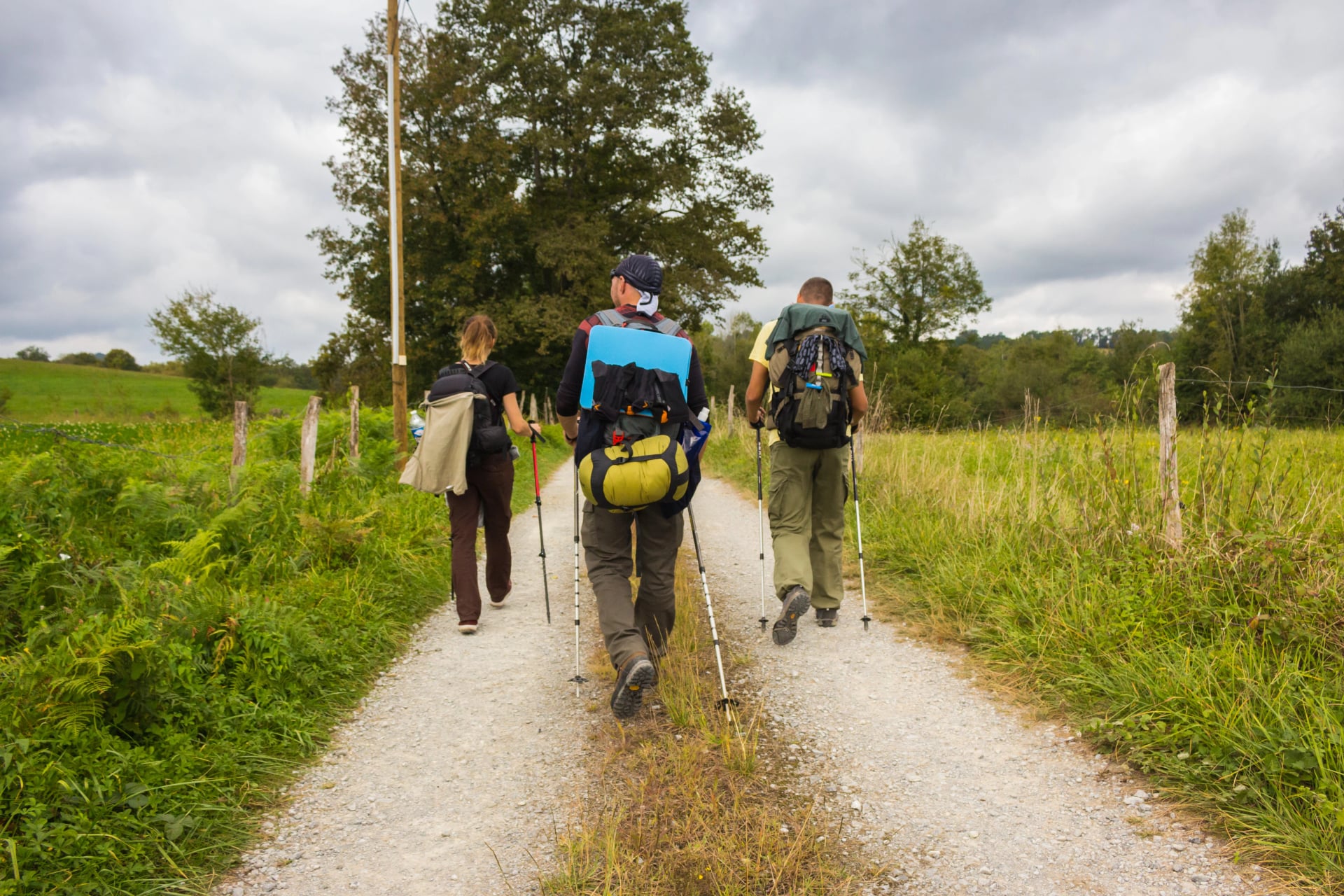
Good Camino footwear supports natural walking rather than restricting it. Shoes should feel comfortable from the start and remain comfortable at the end of a long day.
Fit is the most important factor. There should be enough room in the toe box to allow toes to move, especially after several hours of walking when feet naturally swell. Shoes that feel tight early in the day will feel worse later on.
Cushioning is essential, particularly on long asphalt sections. Hard surfaces can be surprisingly tiring, even for experienced walkers. At the same time, shoes should not feel unstable or overly soft.
Breathability matters more than full waterproofing for most pilgrims. Shoes that allow airflow and dry quickly help reduce moisture buildup and blister risk, especially in warmer months.
Trail Shoes or Light Hiking Shoes
Most pilgrims today choose trail shoes or light hiking shoes as their pilgrimage shoes, and for good reason. The Camino does not require technical mountaineering footwear, but it does demand comfort, stability, and durability over long distances. Both options can work very well, depending on your pack weight, the terrain you’ll encounter, and how you prefer your footwear to feel after several hours on your feet.
Trail shoes are lightweight and flexible, making them popular among pilgrims carrying lighter packs or using luggage transfer. Their lower weight reduces fatigue over long days and feels comfortable on paved and compact paths once broken in.
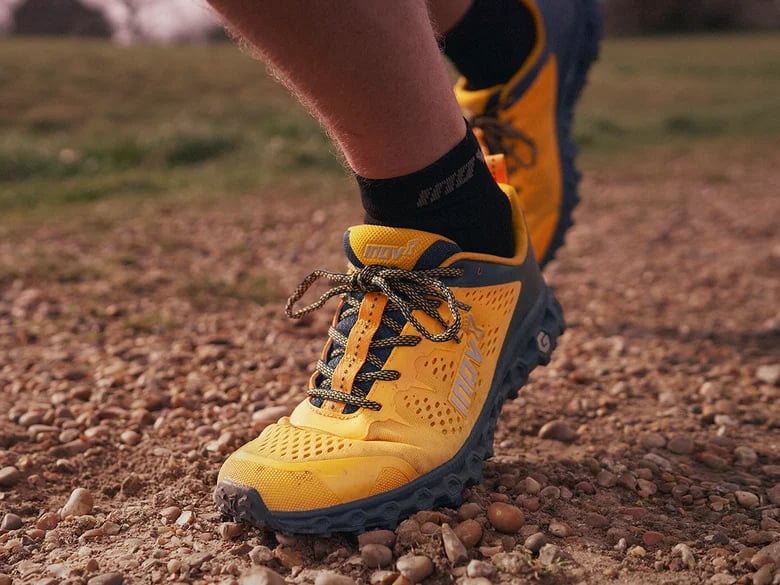
Light hiking shoes provide a bit more structure and support, which some walkers prefer when carrying heavier backpacks or walking on uneven terrain. They remain lighter and more flexible than traditional hiking boots while offering added stability.
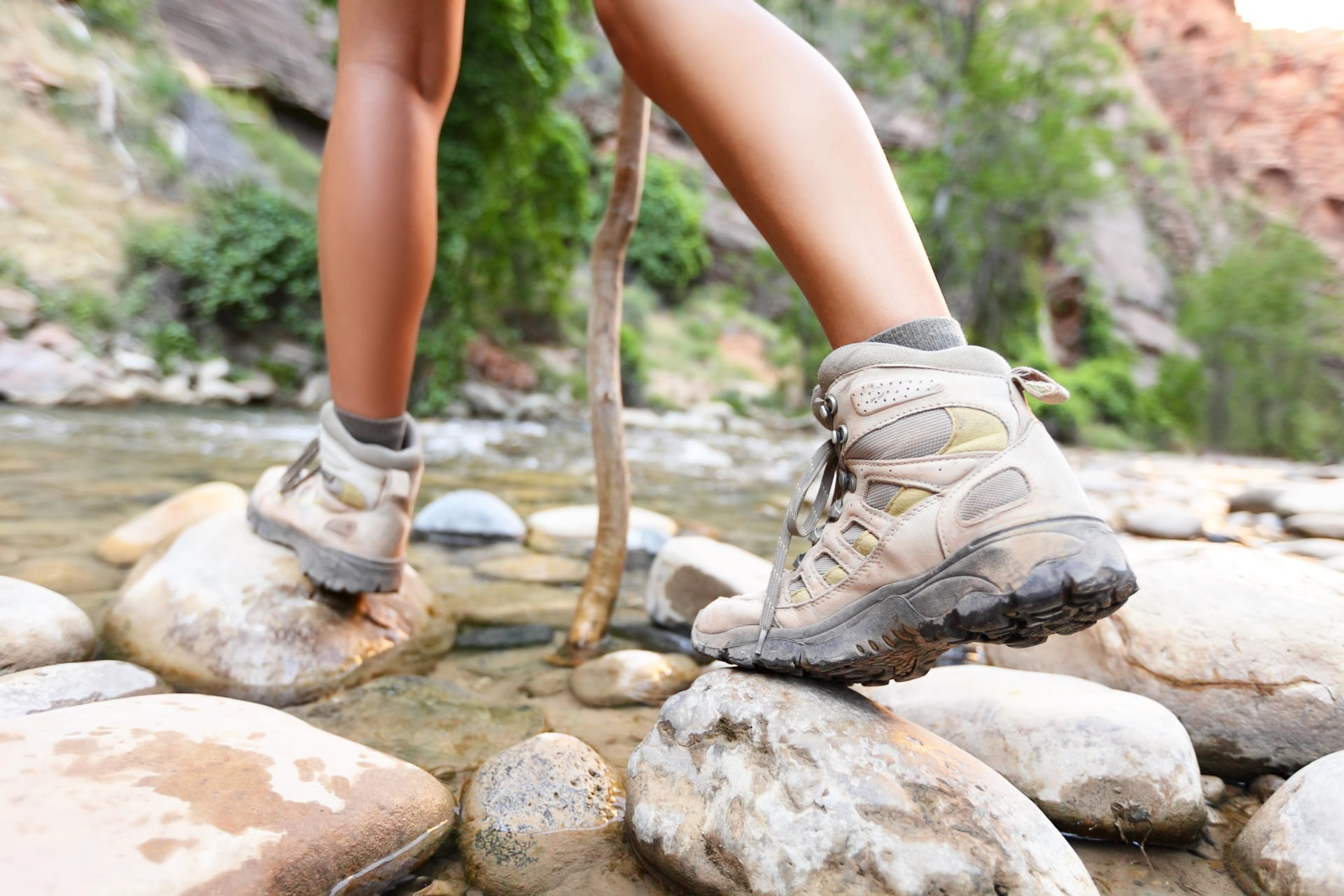
Heavy boots are usually unnecessary on the Camino. They add weight, limit natural foot movement, and often feel uncomfortable on paved sections that make up a large part of many routes.
Breaking in Your Shoes
Breaking in your Camino shoes properly is essential. Footwear should be fully broken in at least 4–6 weeks before departure, giving the shoes time to adapt to your feet and allowing you to identify any pressure points early.
Breaking in should be gradual rather than intensive. Start with shorter walks and slowly increase distance over time. Ideally, you should complete several 15–20 km training walks in your Camino shoes before leaving. This is the only reliable way to know how they will feel after hours on your feet.
If hot spots, rubbing, or discomfort appear during training, they are unlikely to disappear on the Camino itself. Training walks are the time to adjust lacing, socks, or even reconsider footwear if needed. Starting the Camino with brand-new shoes remains one of the most common — and avoidable — mistakes.
How to Break in Shoes Safely
A simple approach works best:
Begin with short, easy walks
Increase distance gradually over several weeks
Test shoes on mixed terrain similar to Camino conditions
Your goal is familiarity and comfort, not wearing the shoes out.
Socks and Foot Comfort
Socks play a surprisingly important role in foot comfort on the Camino and are often underestimated during preparation. Over long walking days, even small amounts of friction or trapped moisture can lead to hot spots and blisters, especially when repeated day after day. Good socks act as a buffer between your foot and shoe, helping regulate temperature, reduce rubbing, and keep your feet in better condition over long distances.
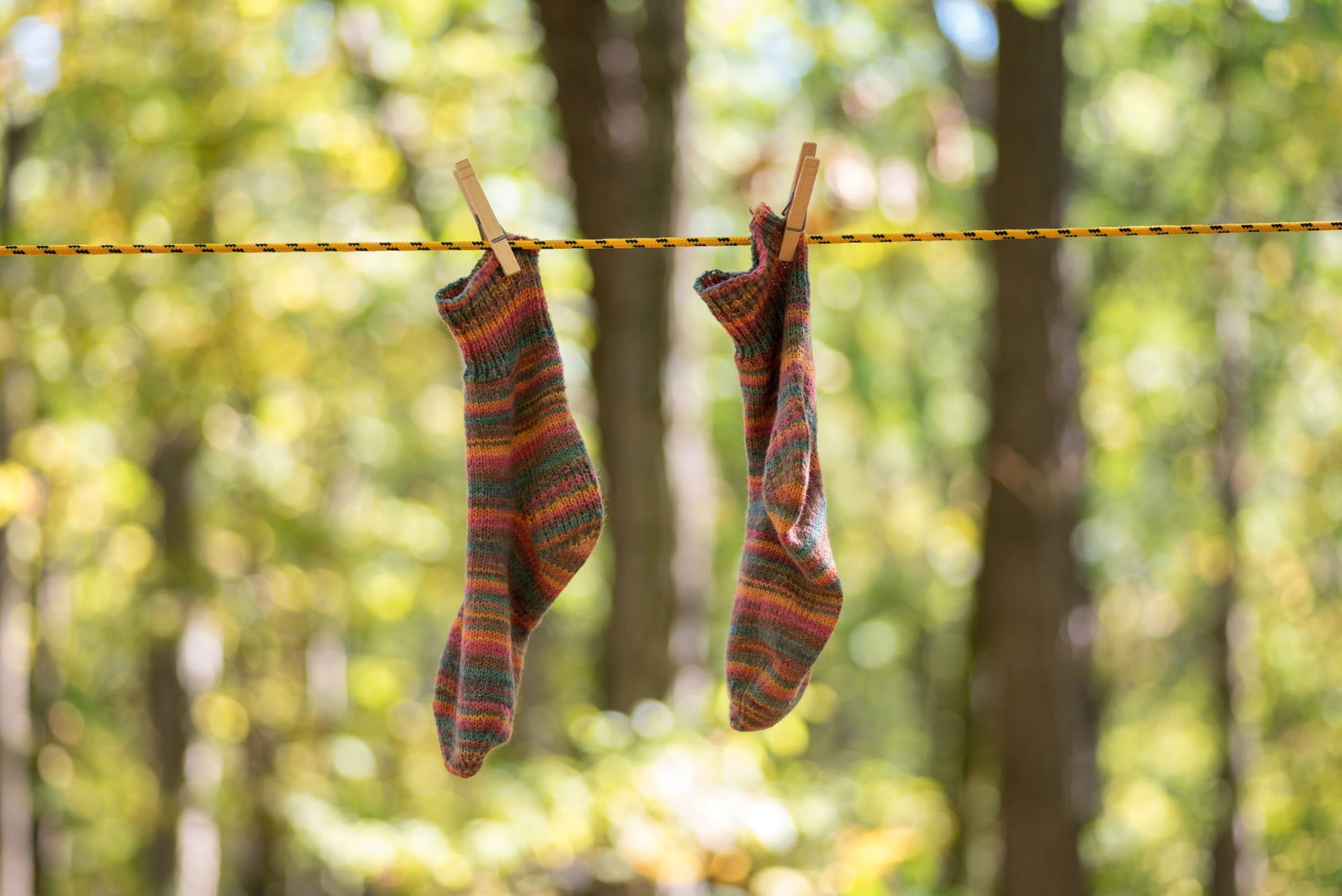
Most experienced pilgrims prefer moisture-wicking socks made from synthetic materials or merino wool. These fabrics manage sweat more effectively than cotton, dry faster after rain or washing, and remain comfortable in both warm and cooler conditions.
There is no single “best” sock setup, but common approaches include:
Single, well-fitted socks that sit smoothly against the foot
Double-layer socks designed to reduce friction between layers rather than against the skin
Both options work well, and training walks are the best time to figure out which feels right for you.
Whatever you choose, socks should fit without wrinkles or thick seams that can rub over time. Carrying a spare pair during the Camino allows you to change mid-day if your feet become wet or start to feel uncomfortable — a small habit that can make a big difference by the end of the day.
Foot Swelling and Shoe Fit
Feet naturally swell during long walks, especially in warm weather or after several hours on the trail. On the Camino, this happens day after day, and footwear needs to accommodate that change without becoming tight or restrictive. Shoes that feel fine in the morning can start causing pressure later in the day if there isn’t enough room. Planning for swelling is one of the simplest ways to avoid foot pain.
Many pilgrims choose shoes half a size larger than their everyday footwear. The extra space helps prevent pressure on the toes and reduces the risk of bruised toenails, especially on downhill sections.
Trying shoes later in the day, when feet are already slightly swollen, gives a more realistic sense of fit. Proper lacing also helps keep the heel secure and prevents the foot from sliding forward on descents.
Insoles and Extra Support
Some pilgrims replace the standard insoles that come with their shoes. Aftermarket insoles can improve cushioning or provide extra support, depending on individual needs and walking mechanics.
Pilgrims with a history of foot, knee, or lower-back issues may benefit from additional support, while others find the original insole setup works best. There is no universal solution, and comfort over several hours matters more than theory.
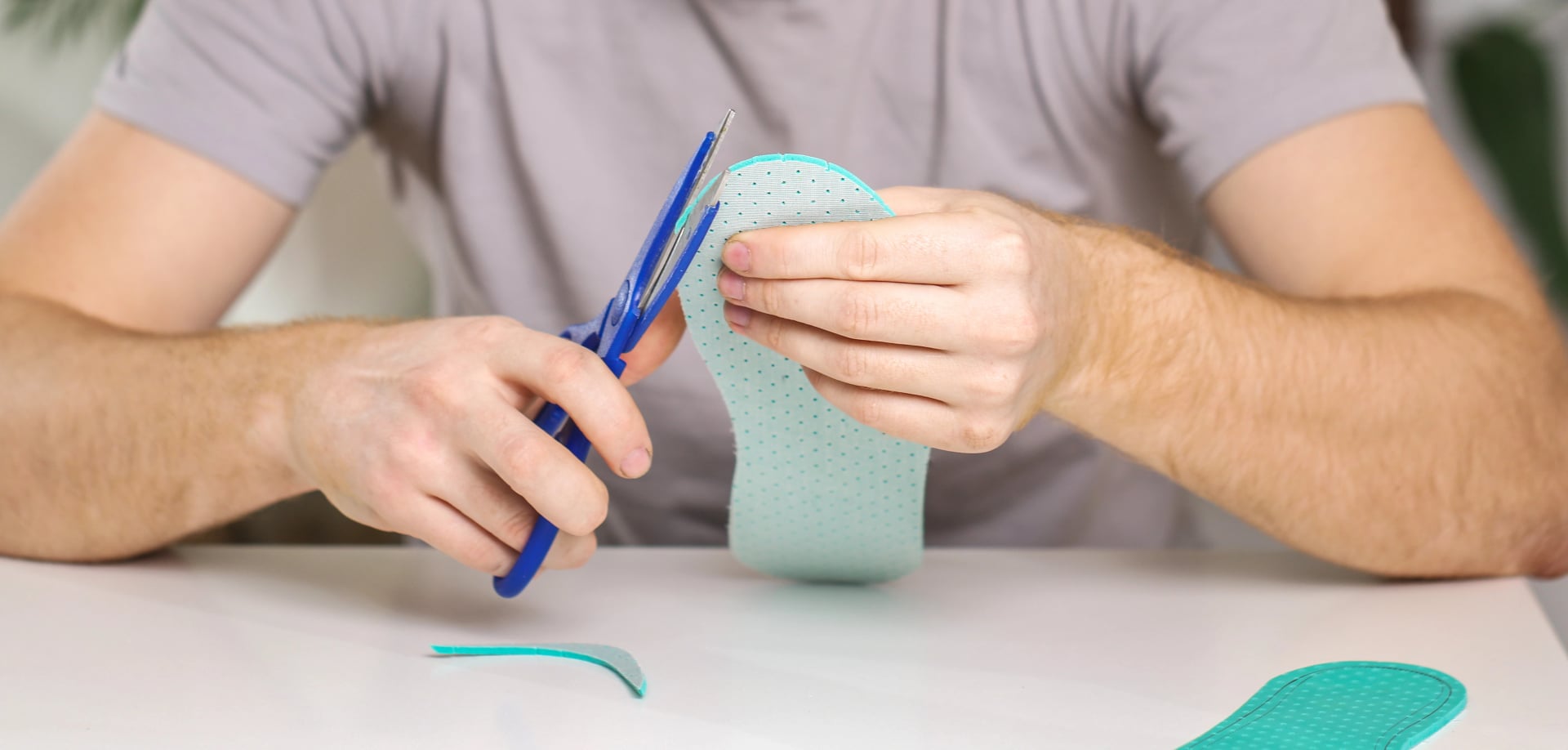
Any insole changes should always be tested during training. Introducing new insoles on the Camino itself is not recommended, as even small adjustments can significantly affect comfort over consecutive days.
If you’d like to hear how other pilgrims handled insoles, shoe changes, and foot support on the Camino, first-hand experiences offer useful, real-world perspective.
Weather and Seasonal Considerations
Camino conditions vary by season and route. Summer walking often means heat and dry trails, while spring and autumn can bring rain, cooler temperatures, and muddy sections — sometimes within the same week.
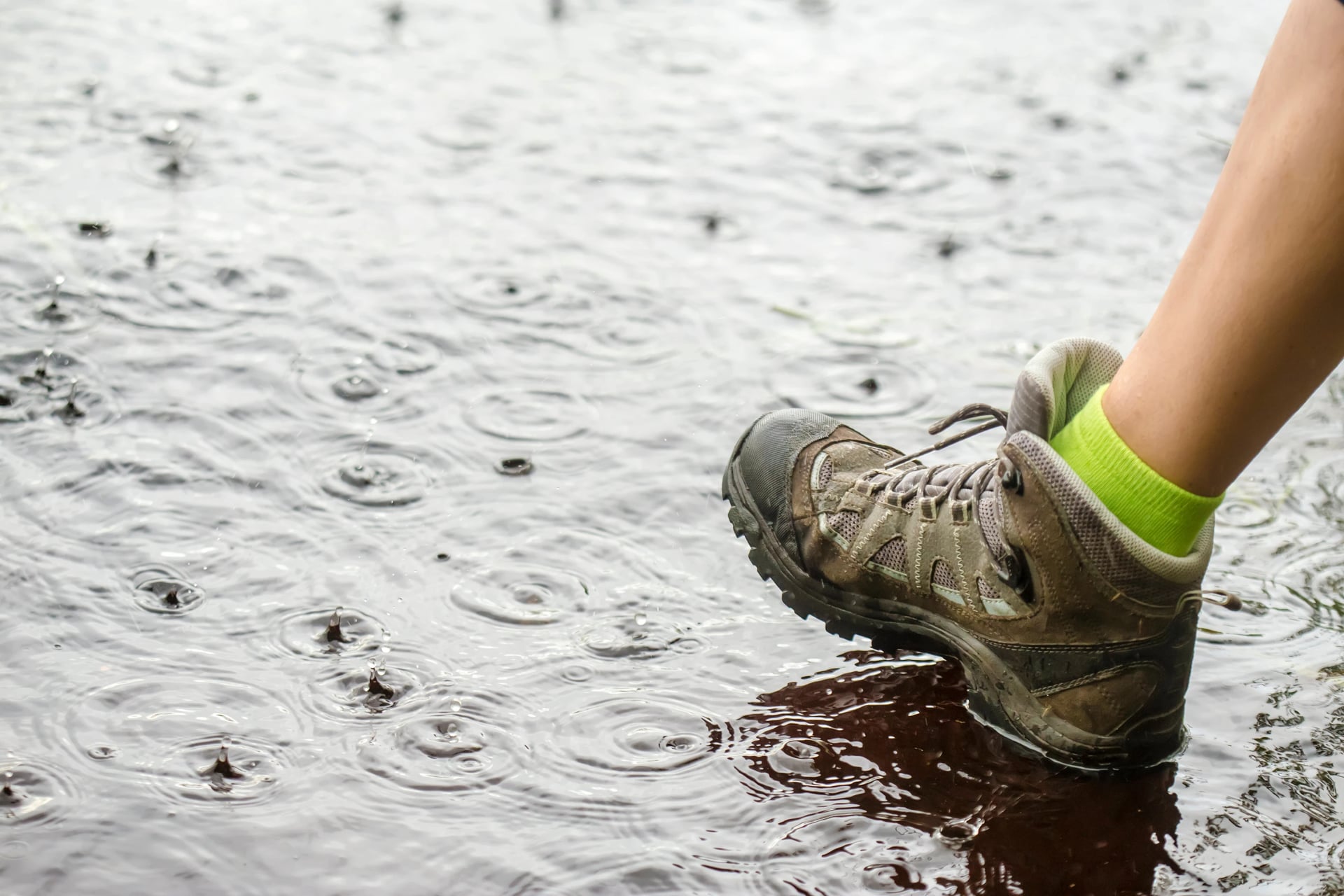
Breathable shoes are usually more comfortable than fully waterproof ones, especially in warm conditions. Waterproof footwear can help in prolonged rain but tends to dry slowly once soaked.
For this reason, many experienced pilgrims prioritize quick-drying footwear over full waterproofing. Wet shoes are sometimes unavoidable, but faster drying improves comfort and recovery the following day.
Common Footwear Mistakes
Many Camino foot problems start long before the first walking day. The most common issues are not caused by distance alone, but by footwear choices made during preparation — often because pilgrims underestimate how repetitive walking day after day can be.
Choosing shoes that are too heavy or stiff
Heavy or rigid shoes can feel supportive at first but often lead to fatigue and sore feet over long distances. On the Camino, lighter and more flexible footwear usually allows for better comfort and easier recovery, especially on routes with a lot of paved walking.Buying shoes too late
Purchasing footwear shortly before departure leaves no time to break them in properly. Shoes should be tested on longer walks so pressure points or fit issues can be addressed well in advance.Ignoring discomfort during training walks
Hot spots, rubbing, or pain during training are early warning signs. If something causes discomfort at home, it is very unlikely to improve once you’re walking longer distances on consecutive days.Copying someone else’s footwear choice
Foot shape, walking style, and comfort preferences vary widely. A shoe that works perfectly for another pilgrim may cause problems for you, which is why personal testing matters more than recommendations alone.
Footwear mistakes tend to have a bigger impact on longer routes, but they can just as easily affect shorter Caminos. Even if you’re planning a shorter itinerary — such as the shortest Camino walk — repeated daily walking still places stress on your feet, making comfort and fit just as important.
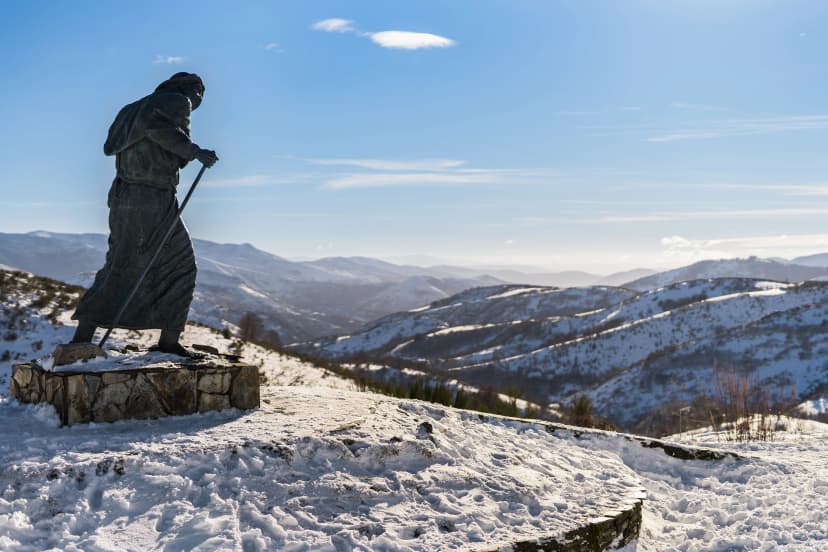
Season also plays a role. Walking the Camino outside the main summer months requires additional thought. If you’re planning a Camino in winter, footwear should accommodate thicker socks, colder temperatures, and wetter conditions. Extra warmth, moisture management, and quicker drying become more important than ventilation alone, and this should be factored into your shoe choice well before departure.
Avoiding these common mistakes does more to protect your feet than any single gear upgrade. Well-chosen, well-tested footwear allows you to focus on the Camino itself — regardless of distance, season, or route.
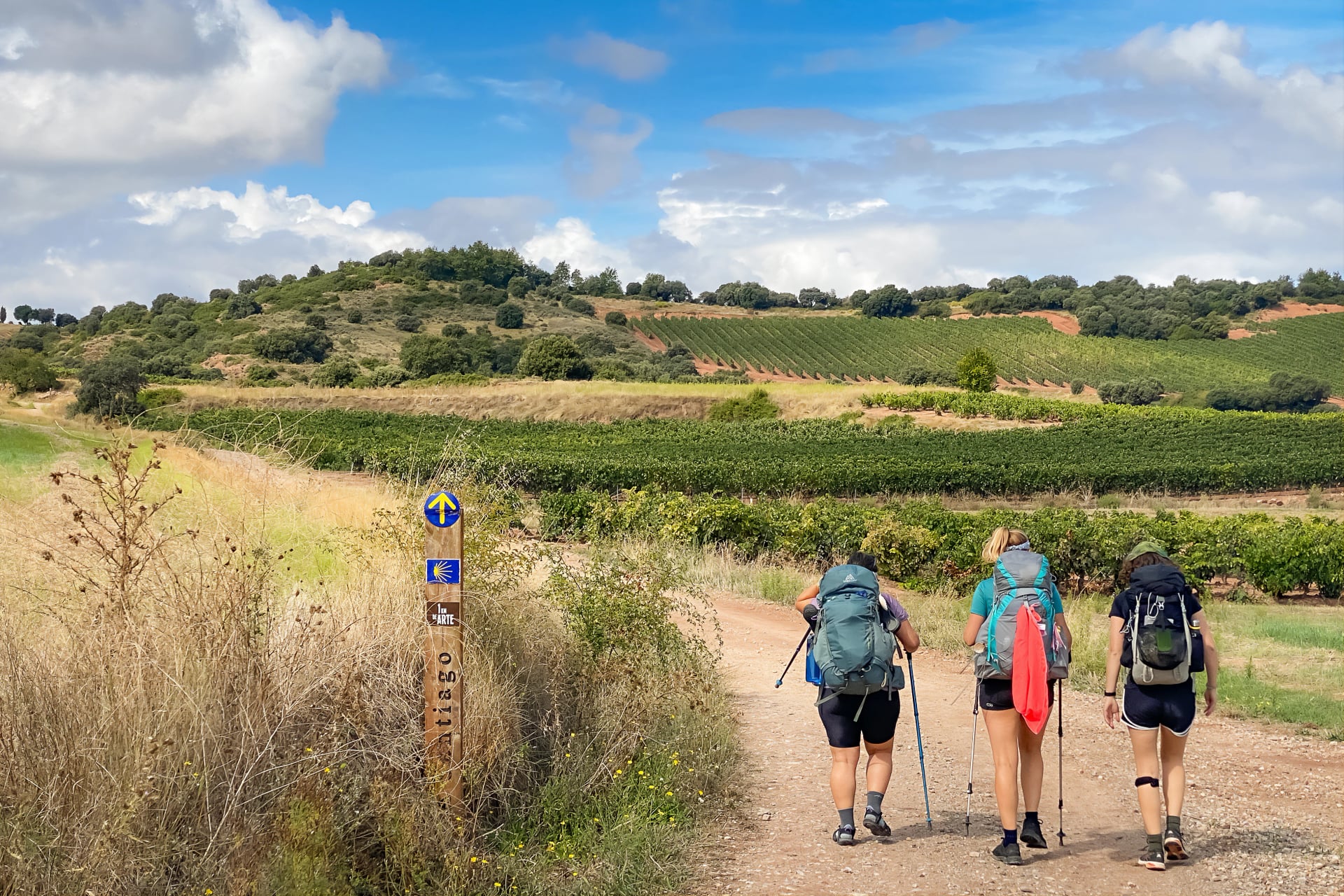
Choose the Right Support for Your Camino
Footwear is just one part of successful Camino preparation, but it plays a crucial role in daily comfort and recovery. The right shoes reduce fatigue, protect joints, and allow you to focus on the experience rather than discomfort.
Our Camino tours are designed with realistic daily distances and thoughtful pacing. If you’re unsure which pilgrimage shoes suit your route or season, explore our Ultimate Camino Guide or contact us for personal advice. We'll help you plan a Camino journey where every detail — from footwear to daily stages — is designed for comfort, confidence, and enjoyment.