Things to Do in Santiago de Compostela: Post-Camino Activities
Things to do in Santiago de Compostela after the Camino—main sights, food spots, cultural experiences, and how to plan 2–3 days post-finish.

Anja
January 23, 2026
5 min read
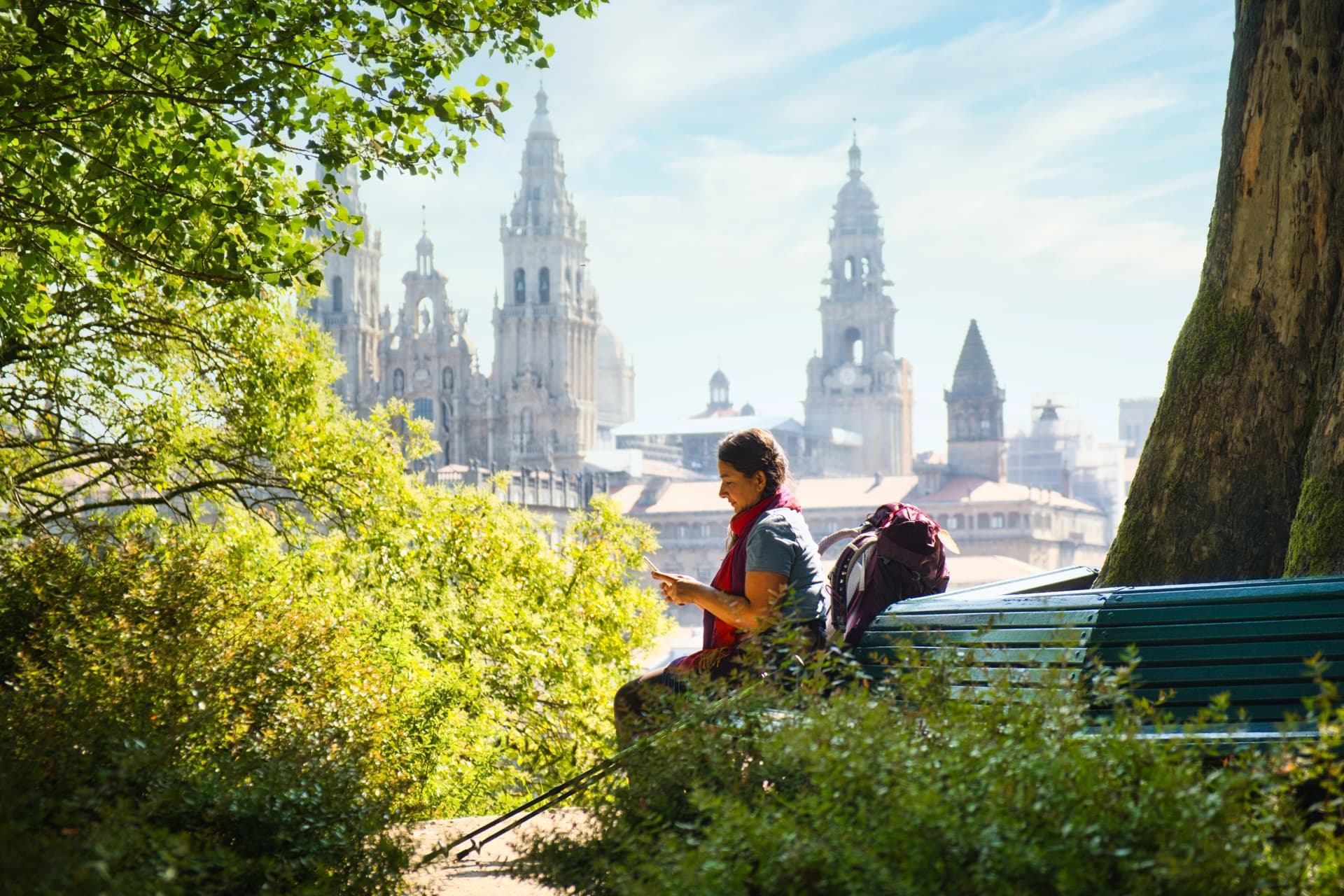
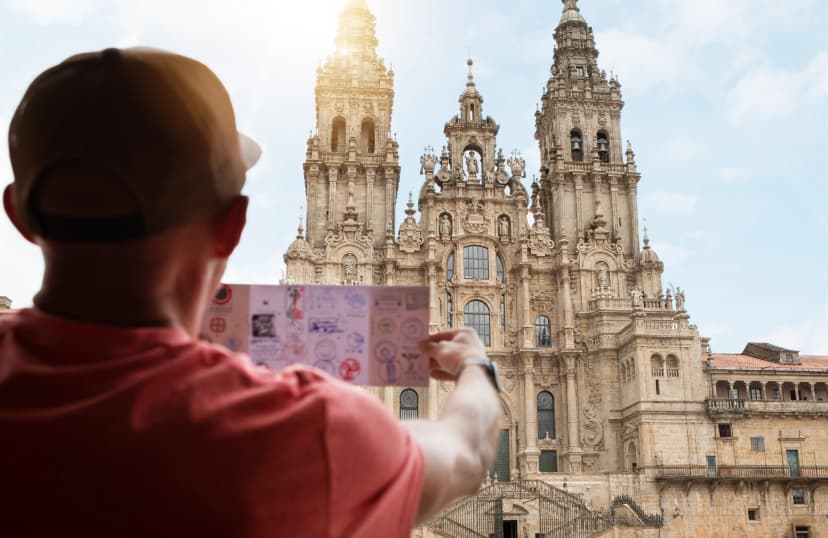
Arriving in Santiago de Compostela is both ending and beginning. The cathedral marks your journey's end, but the city offers days of discovery beyond that emotional first glimpse. After weeks of walking, Santiago reveals itself as a living medieval city, Galician cultural capital, and UNESCO World Heritage site.
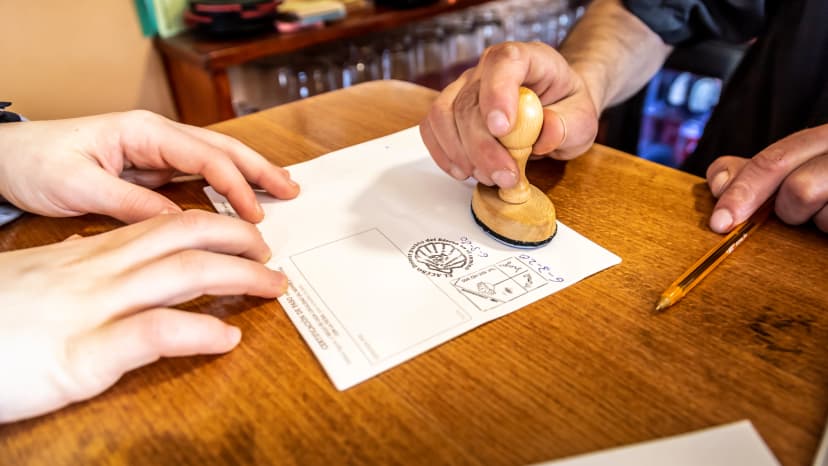
Most pilgrims stay 2-3 days minimum after collecting their Compostela. The city offers Romanesque architecture, vibrant food markets, peaceful parks, world-class Galician cuisine, and layered history. Use our Camino Weather Guide for easier planning on when you should time your Camino to end in Santiago based on seasonal conditions.
This guide covers the essential sites, cultural experiences, and dishes that make Santiago worth lingering.
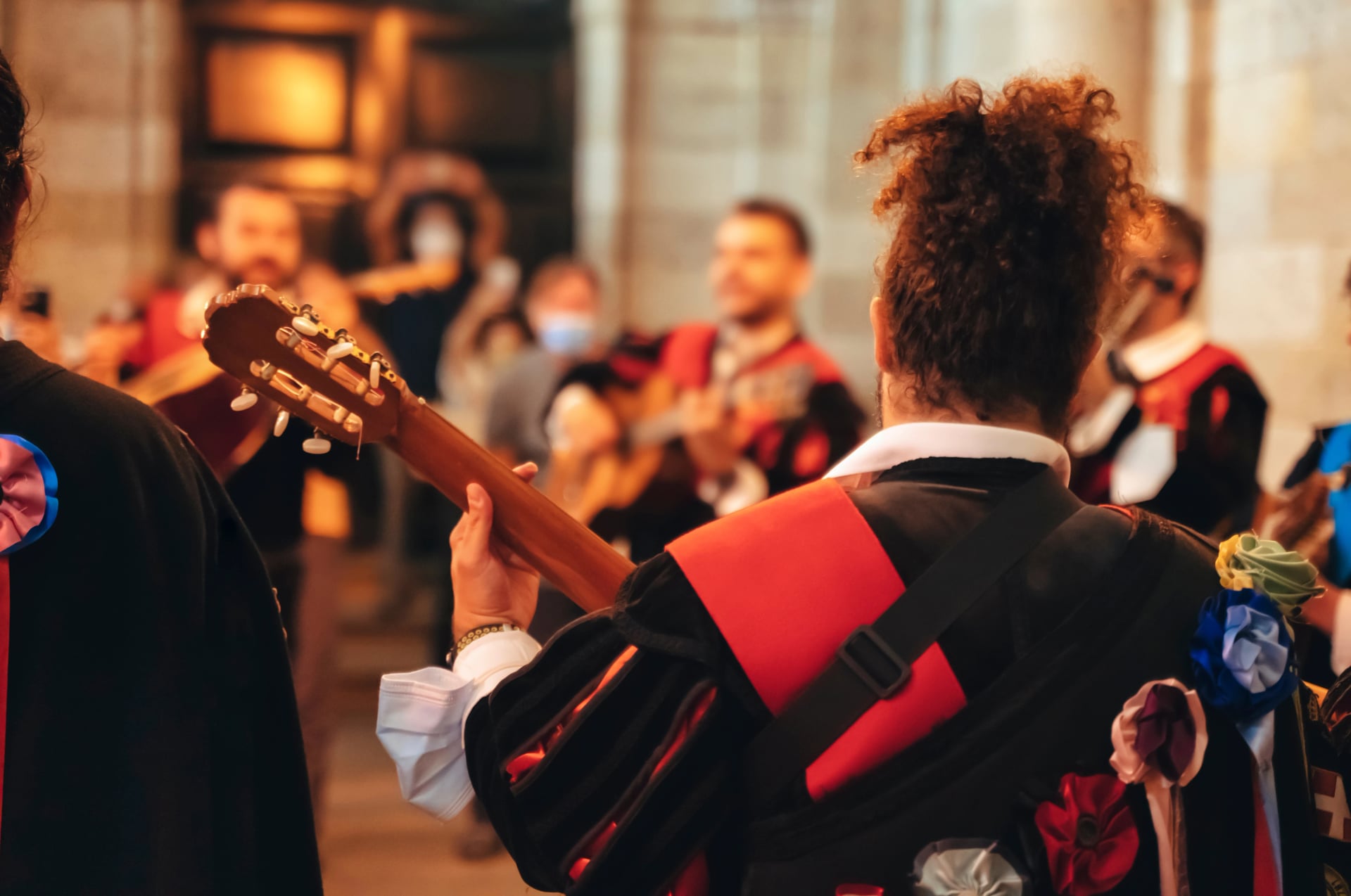
History & Significance
The legend begins in the 9th century when hermit Pelayo discovered an ancient tomb after following a star. Bishop Theodomir declared the remains those of St. James the Apostle (Santiago), who tradition says preached in Iberia before his 44 AD martyrdom. King Alfonso II made the first documented royal pilgrimage in 829 AD.
The discovery transformed remote Spain into Europe's third holiest pilgrimage destination after Jerusalem and Rome. Cathedral construction began in 1075. The Codex Calixtinus (1140s) became the world's first travel guide, establishing infrastructure still shaping modern Camino walking.
Medieval Santiago prospered on pilgrimage economy, developing universities, hospitals, and sophisticated urban fabric. The tradition declined during the Reformation and Franco era but experienced dramatic 1980s revival. UNESCO designated the Old Town and routes as World Heritage Sites in 1985. Today over 400,000 annual pilgrims walk to Santiago.
Santiago functions as the finish because it houses St. James's relics in the cathedral crypt, maintains unbroken tradition since the 9th century, and has issued official Compostela certificates since medieval times.
Must-See Sites
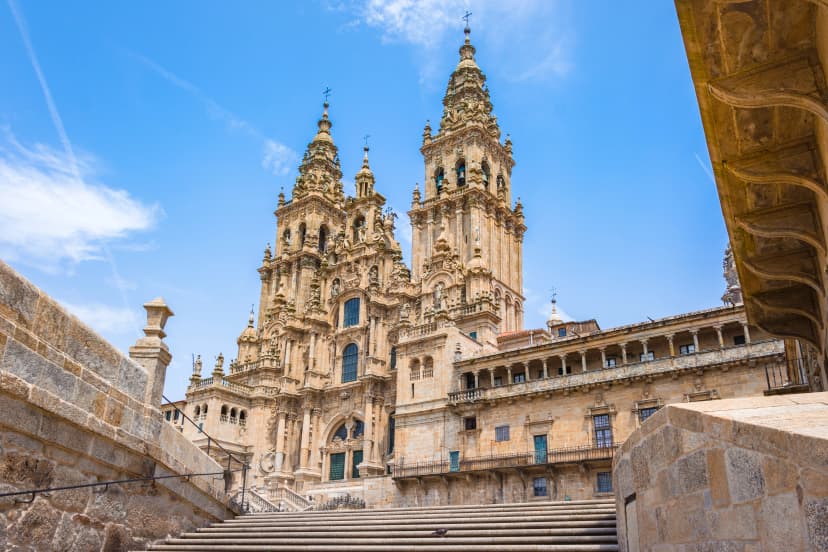
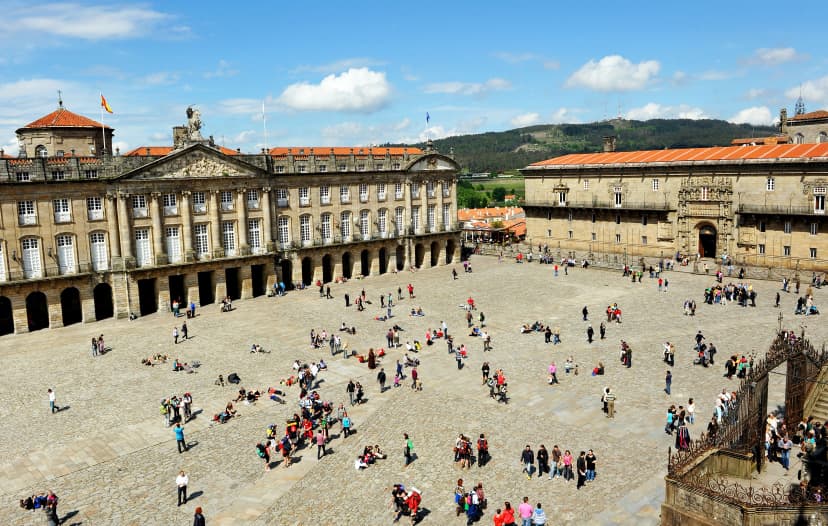
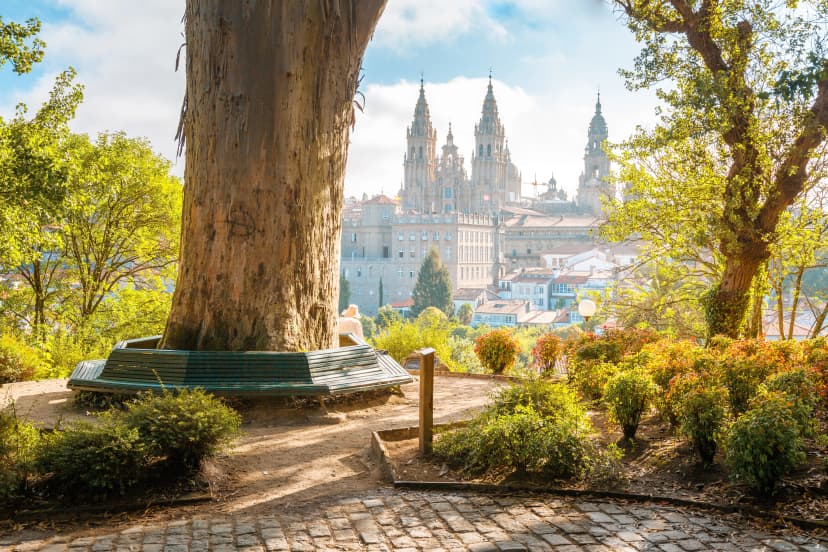
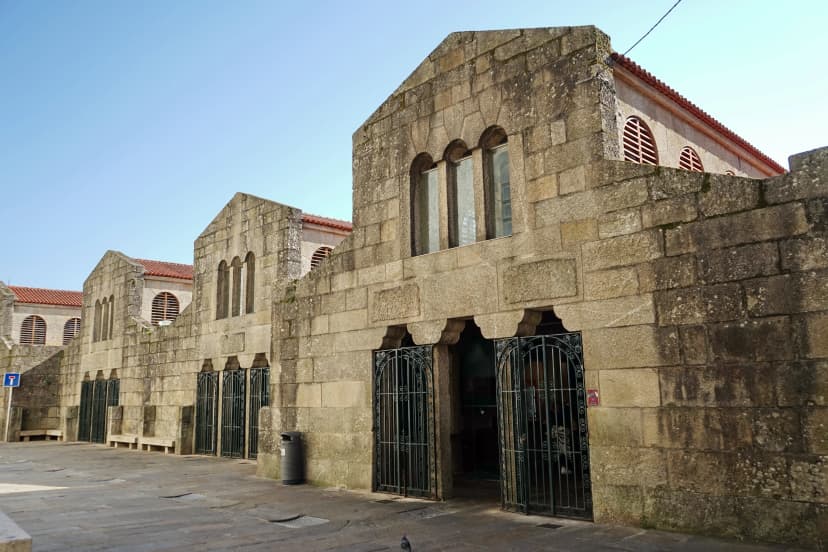
After the emotional cathedral arrival and Compostela collection, Santiago reveals itself worth exploration. These seven sites represent the essential Santiago experience:
These sites can fill 2-3 days comfortably. Many pilgrims stay longer than planned, drawn into Santiago's rhythm of exploration and rest.
Food to Try
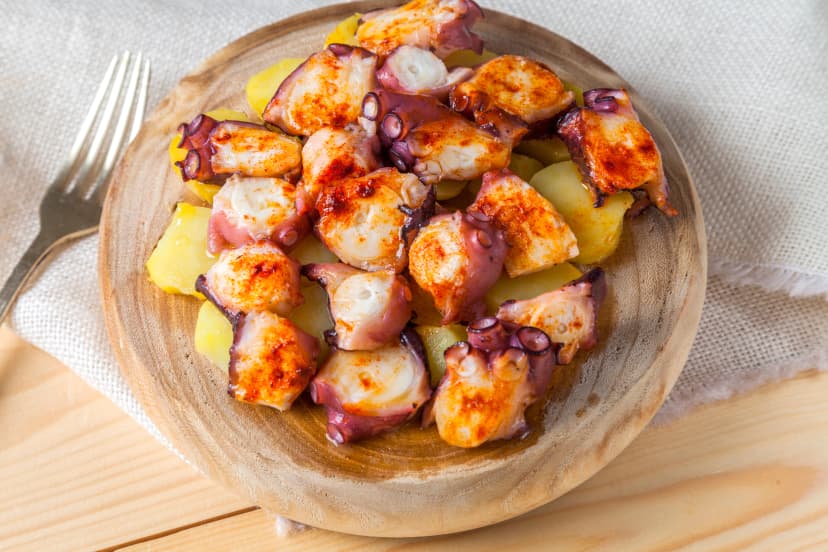
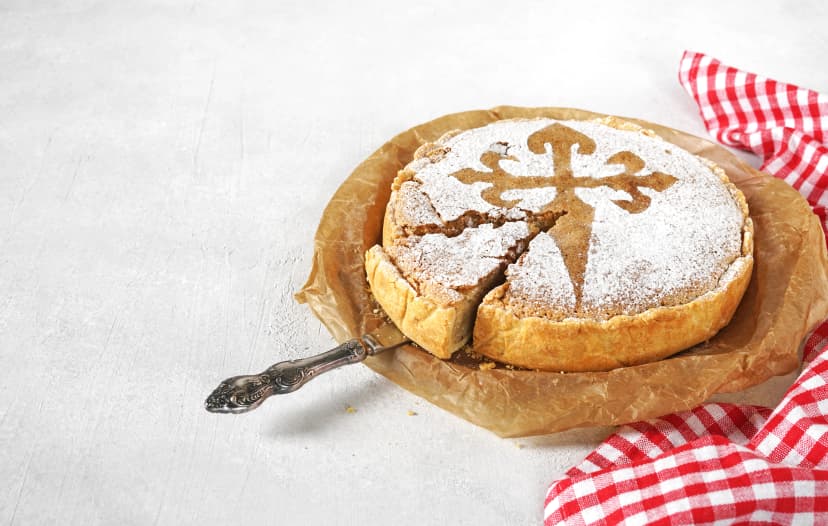
Galician cuisine reaches peak expression in Santiago, where centuries of pilgrimage wealth created sophisticated food culture. These three dishes represent essential Santiago eating.
Explore more dishes you will encounter on your way across multiple countries in our Camino food guide.
Pro tip: Budget €30-40 daily for meals including wine if eating like locals, €50-70 for nicer restaurants. Pilgrim menus (€10-15) remain available, but Santiago's food deserves splurging after weeks of basic fare.
Pilgrim Culture & Evening Life
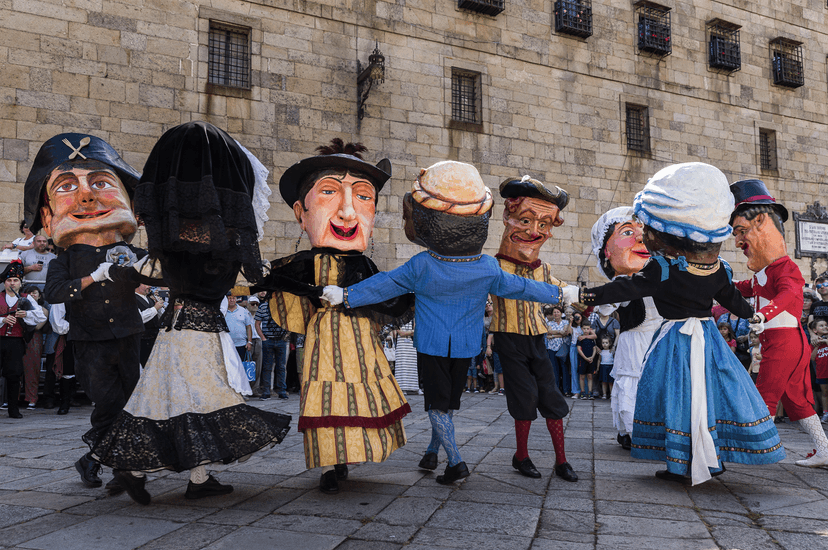
Santiago pulses with unique energy found nowhere else—thousands of pilgrims at different journey stages mixing with 30,000 university students and locals going about daily life. The city creates natural gathering spaces where exhausted arrivals meet energized locals, producing celebratory atmosphere that peaks each evening.
Where Pilgrims Gather
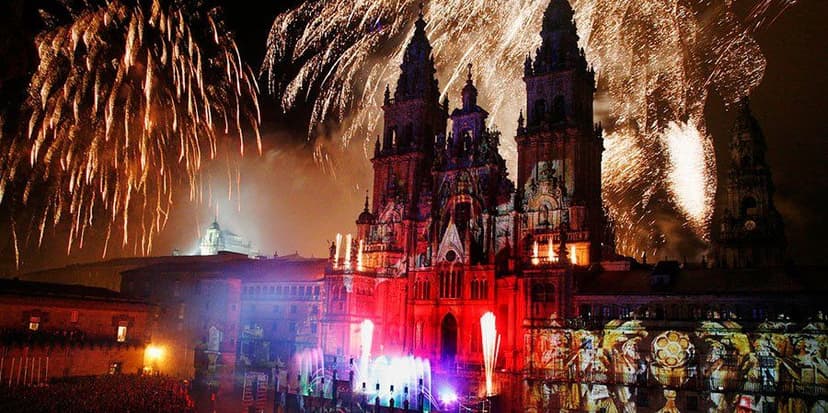
Cathedral steps at sunset: Before evening mass, pilgrims gather on Obradoiro steps watching light change on baroque facade, sharing final day emotions, arranging dinner plans
The evening paseo (traditional Spanish evening stroll) through Old Town reveals Santiago's character. Locals dress up and walk circuits greeting neighbors, families push strollers, couples hold hands—normal life flowing around pilgrim celebrations. The contrast between their daily routine and your extraordinary circumstance creates perspective many find grounding.
Most restaurants don't serve dinner until 8:30pm or later—embrace Spanish timing rather than eating at 6pm like on the trail. The extra evening hours allow processing the day's emotions, connecting with fellow pilgrims one final time, and gradually transitioning from trail community to solo traveler heading home. These unstructured evening hours often become as meaningful as the walking itself.
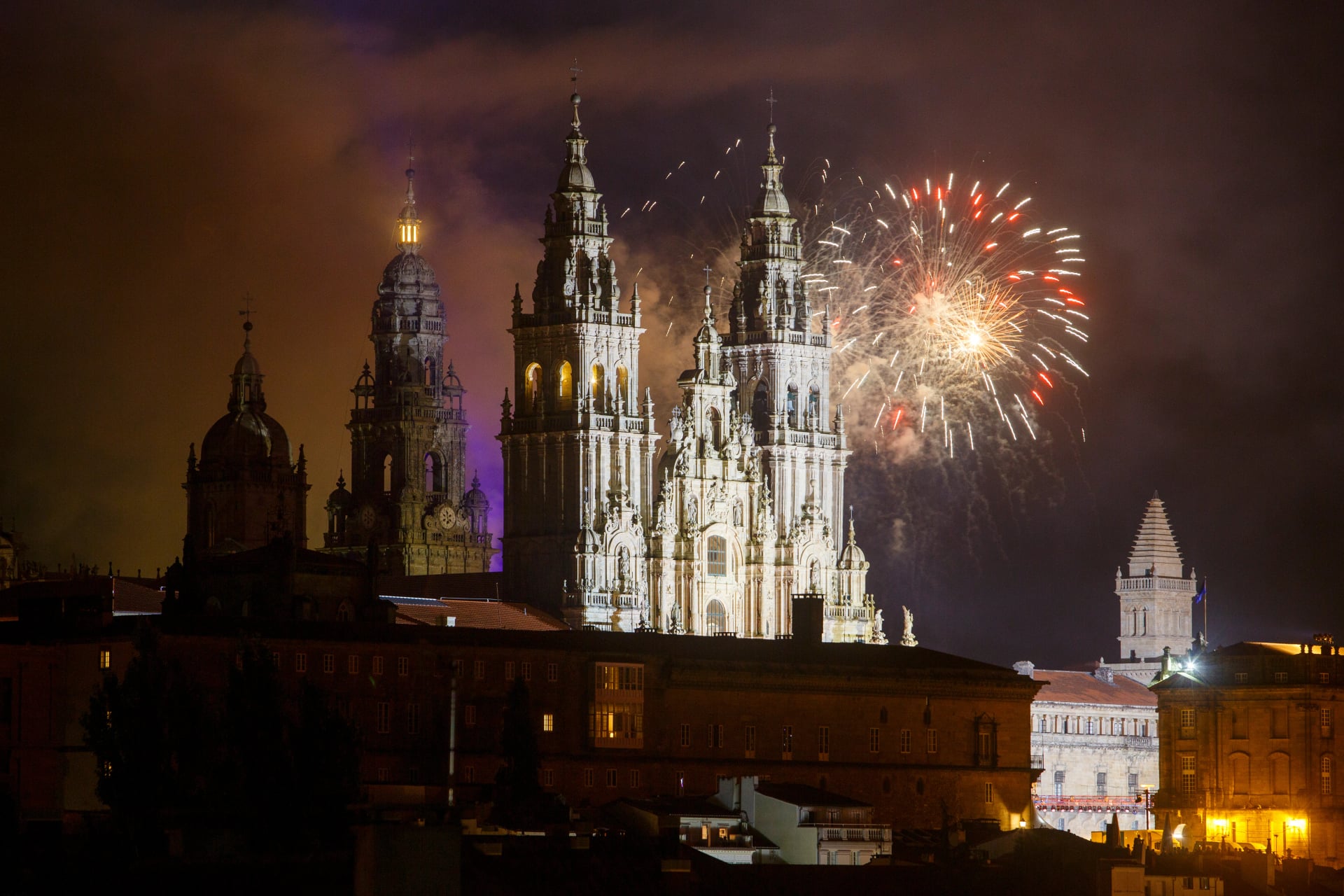
Making the Most of Santiago
How long to stay: Minimum 2 full days—one for Compostela and cathedral, one for exploration. We recommend 3-4 days for relaxed pace and full recovery. Many pilgrims arrive planning 2 nights and stay 5.
Accommodation requires booking even if you never reserved on the Camino—Santiago fills completely during summer. Options range from pilgrim albergues (€10-15) to budget hostels (€20-35), mid-range hotels (€60-100), and luxury paradores (€150+). Staying in Old Town eliminates walking. Book 1-2 weeks ahead during peak season.
Beyond Santiago, many extend to Finisterre (90km, 3-4 days) or Muxía (87km, 3-4 days). Day trips include Padrón, Cambados (wine country), and nearby beaches.
Santiago is Waiting!
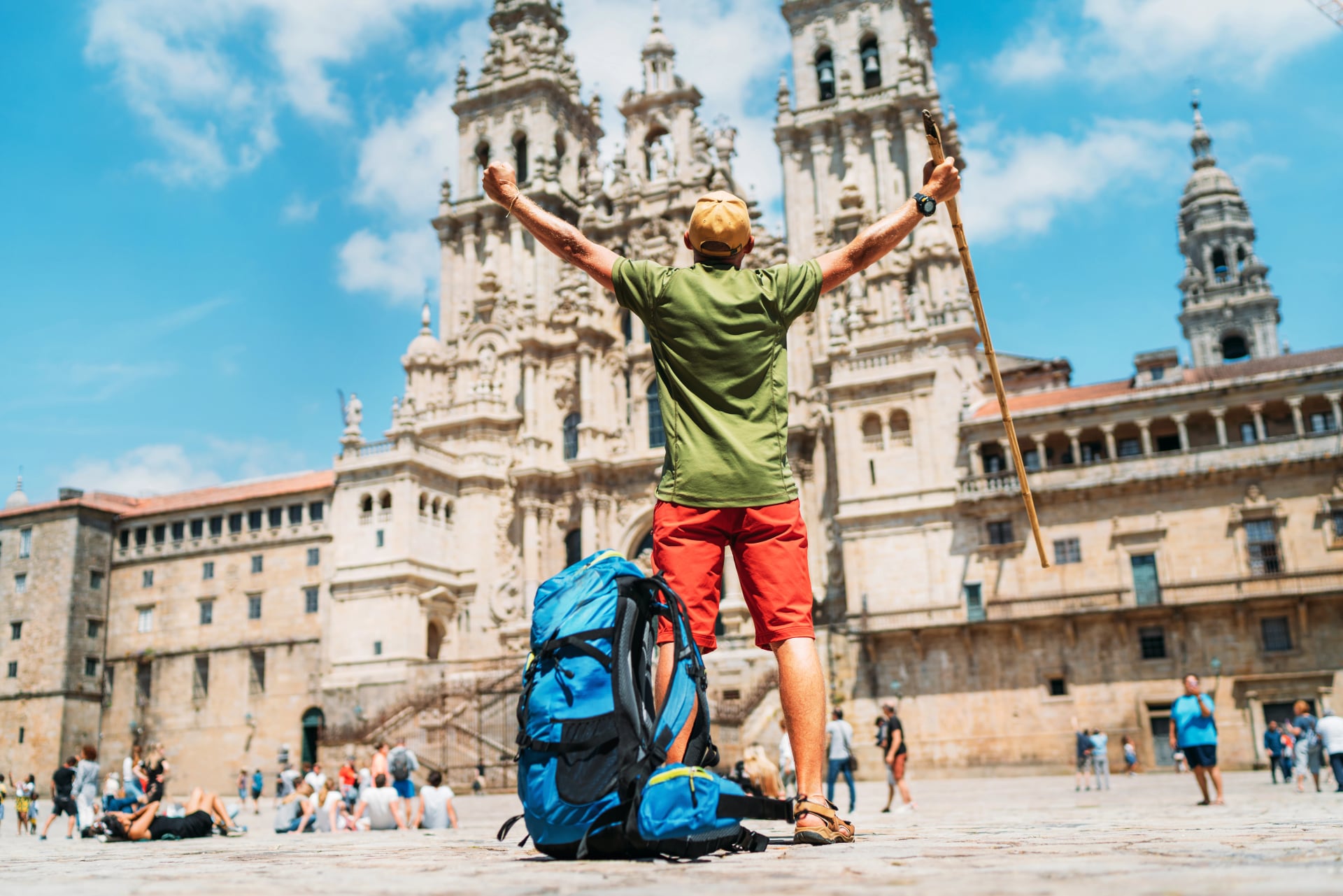
The city rewards patience and openness—this is where the journey integrates. Give yourself time to absorb what you've accomplished rather than rushing immediately back to airports and schedules. Santiago isn't just the finish line; it's the space where walking ends and understanding begins.
For comprehensive planning including route selection, training programs, and stage-by-stage breakdowns, visit our ultimate Camino de Santiago guide. If you'd prefer organized support with accommodations, luggage transfers, and local expertise included, browse our complete tour offerings. Have specific questions about your Santiago arrival or Camino plans? Contact us anytime.