Camino Passports and Certificates: A Complete Guide
Understand Camino credentials fast: where to buy a pilgrim passport, stamp requirements for the last 100 km, and how to get the Compostela certificate.

Anja
January 24, 2026
6 min read
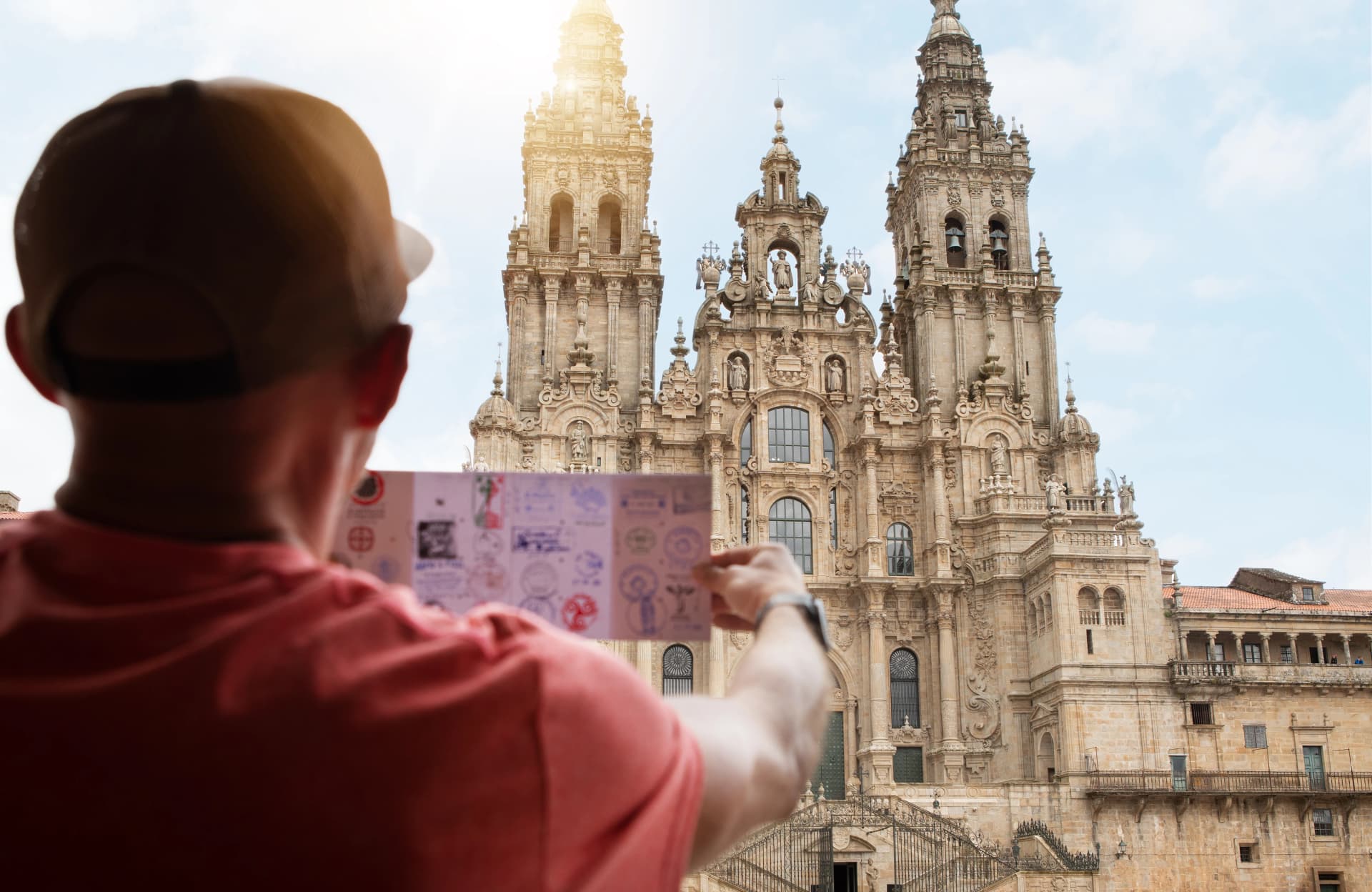
The credential and Compostela represent 1,200 years of pilgrimage tradition—tangible proof you've walked in the footsteps of millions before you. These documents transform your journey from personal adventure into officially recognized pilgrimage, connecting you to medieval walkers who carried similar papers toward Santiago.
Key Facts at a Glance:
Credential cost: ~€2-5 depending on location
Minimum distance for Compostela: 100km walking (200km cycling)
Stamp requirement: 1 per day normally, 2 per day for final 100km
Compostela cost: Free (religious/spiritual) or €3 (secular certificate)
Collection time: 30 minutes to 3 hours depending on season
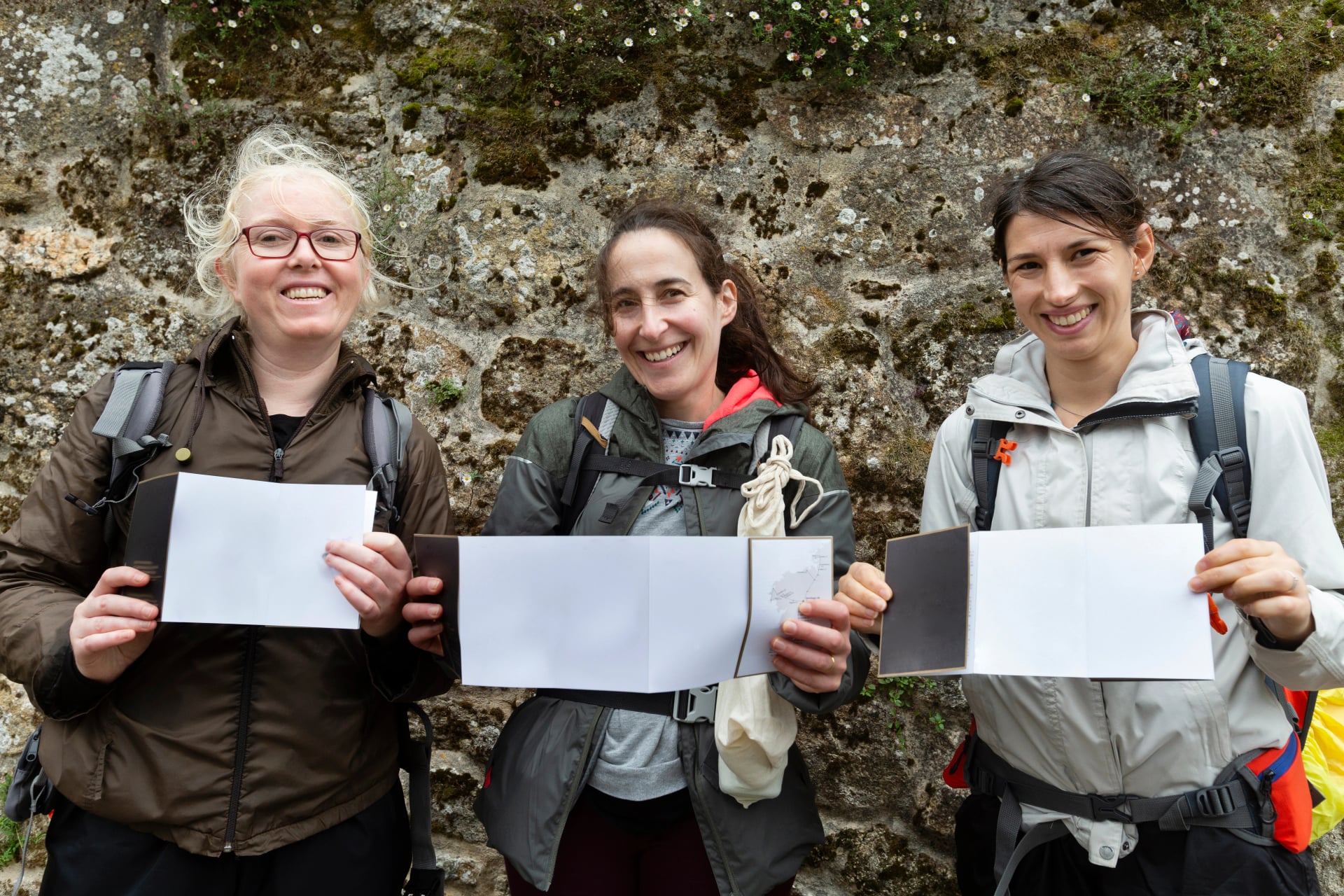
Credential size: Accordion-fold document, approximately 10x15cm when closed
Languages accepted: All major languages—staff at starting points speak English, French, German, Italian, Spanish
Replacement available: If lost, can obtain new credential at any pilgrim office along route
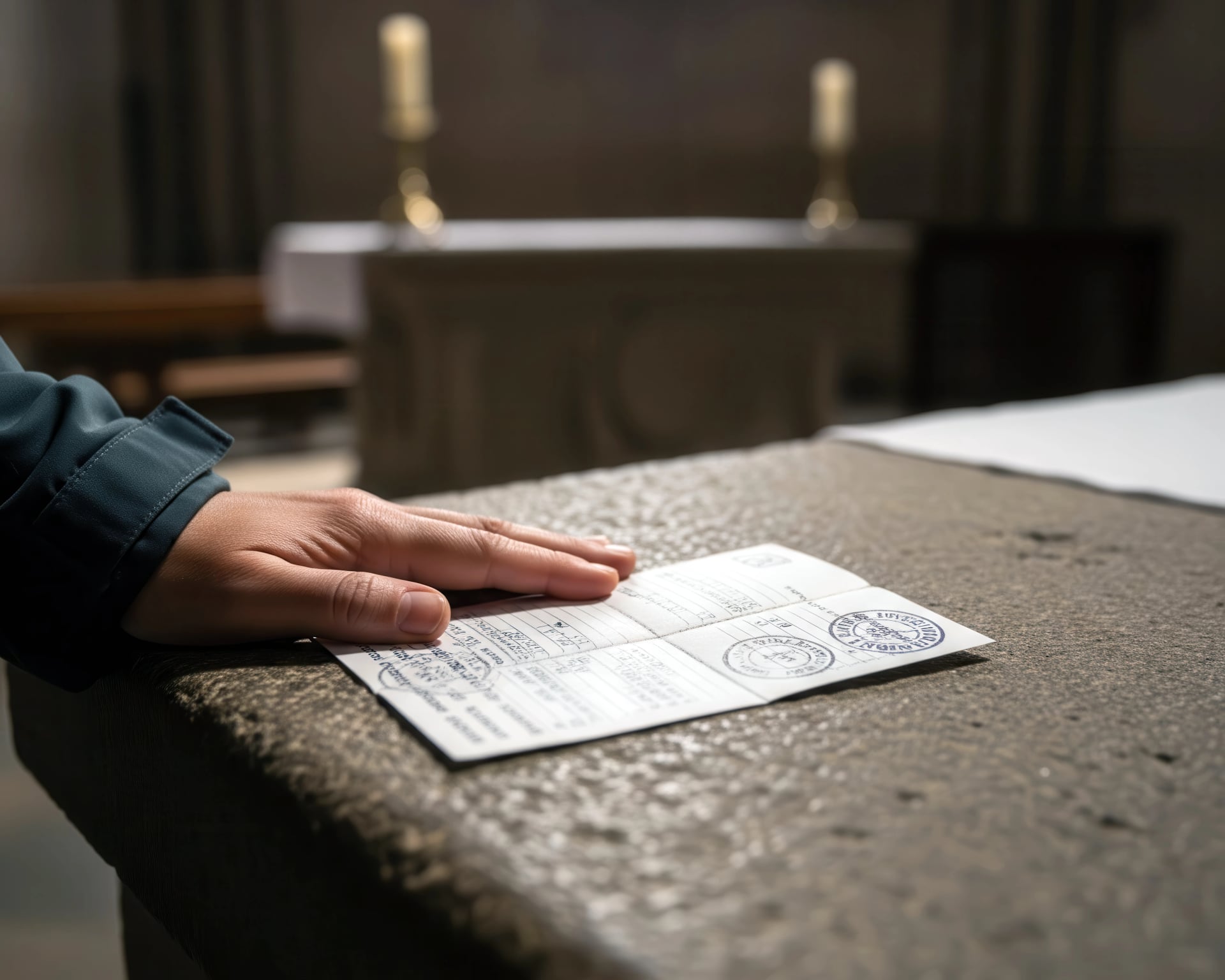
This guide covers obtaining your credential at major starting points, collecting the required stamps along your route, and claiming your certificate at the finish. Whether planning your first Camino or already booked and sorting administrative details, this is your practical reference for navigating the credential system. The process is simpler than many pilgrims expect—understanding the basic requirements eliminates stress and allows you to focus on the walking experience itself rather than paperwork concerns.
Understanding Your Credential
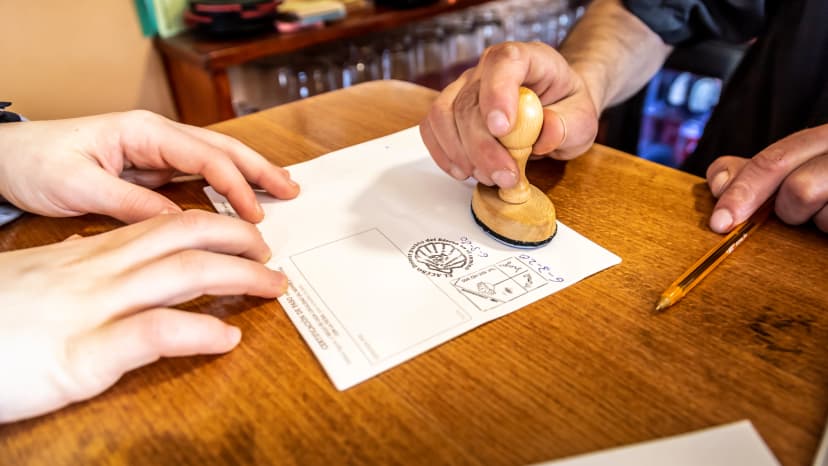
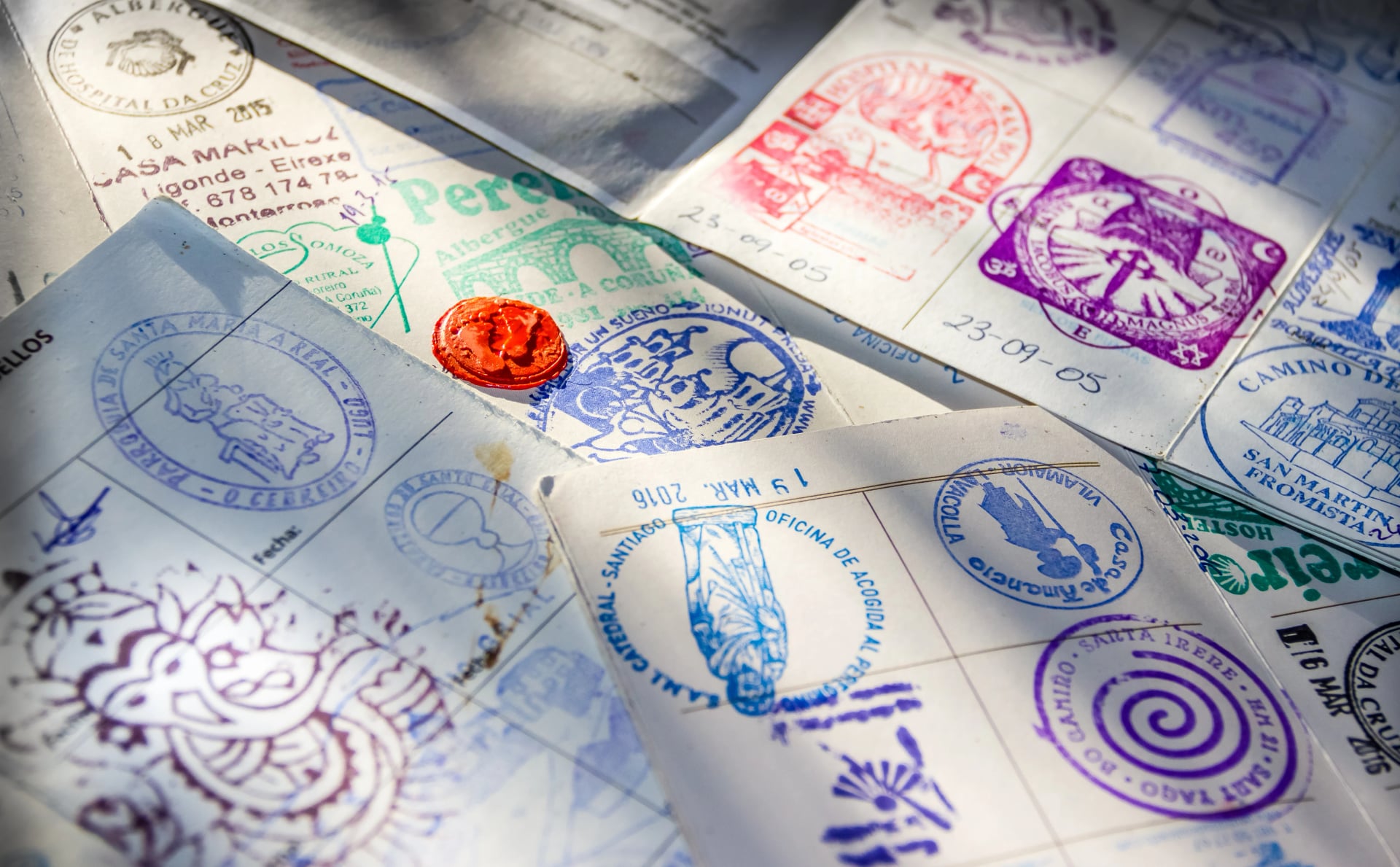
Your credential (pilgrim passport) is an accordion-fold document with spaces for stamps (sellos) collected along your route. It proves you walked the route, provides access to pilgrim-only accommodations at reduced rates, and qualifies you for the Compostela certificate.
The Stamping System:
Regular route: 1 stamp per day minimum
Final 100km: 2 stamps daily required from different locations
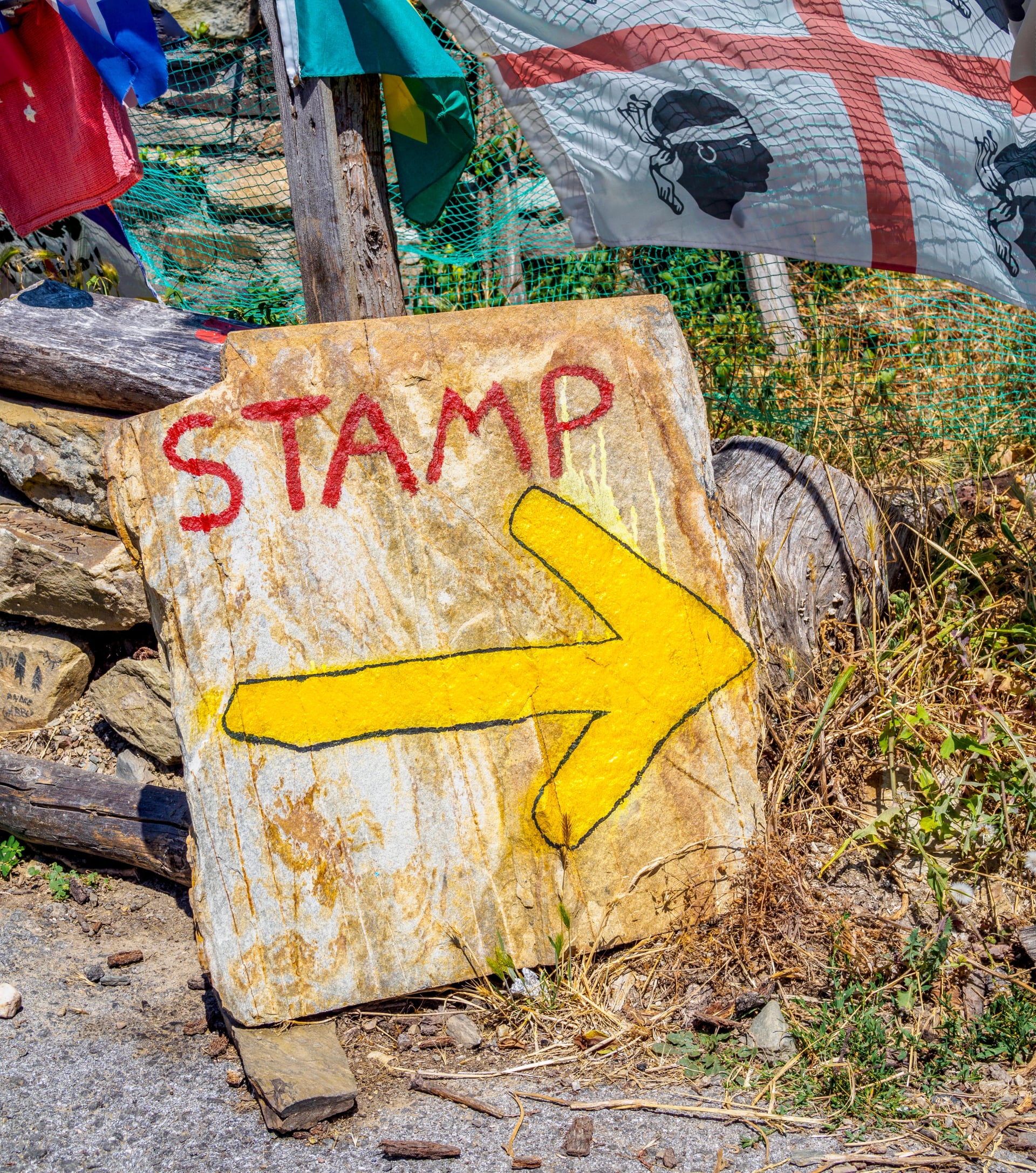
Stamp sources: Churches (always free), albergues (automatic at check-in), bars, restaurants, town halls, tourist offices
Best strategy: Morning stamp from accommodation, afternoon stamp from bar/restaurant
Churches keep stamps near entrances
Albergues stamp during check-in
Bars and restaurants display unique stamps creating a visual diary
Cost runs €2-5. All official credentials are equally valid for Santiago.
Understanding the Certificate
The Compostela is the official certificate from Santiago Cathedral confirming completed pilgrimage. Written in Latin with cathedral seal, it shows your name in Latin translation, completion date, and route walked.
Requirements:
100km on foot or 200km by bicycle minimum
2 stamps daily for final 100km
Religious/spiritual motivation stated at Pilgrim Office
Religious or spiritual motivation earns the free traditional Compostela. Touristic motivation earns a €3 Certificate of Completion. Additional certificates available: Distance Certificate (€3 showing exact kilometers), Fisterrana (Finisterre extension), Muxiana (Muxía extension).
Obtaining Your Credential - Starting Points
Where you obtain your credential depends on which route you're walking. Most pilgrims collect credentials at their official starting point, though they're also available at churches, pilgrim offices, and associations along every route if you need a replacement or start partway through.
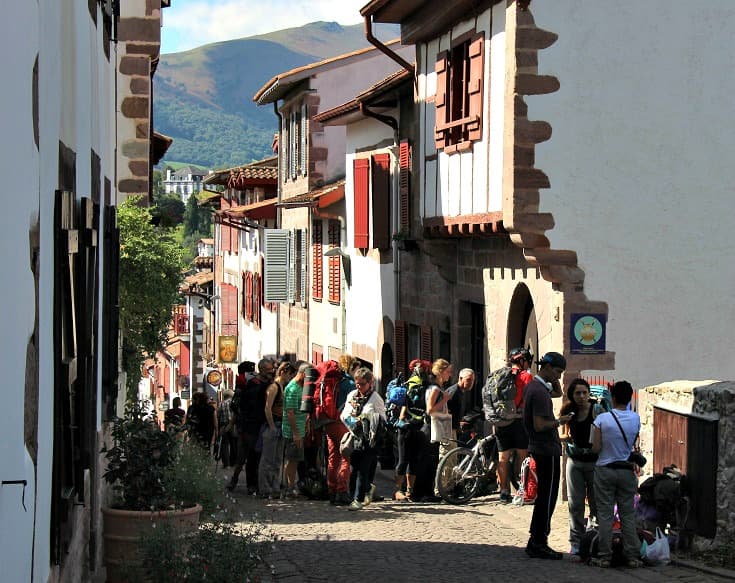
The Camino Francés is the most popular route, beginning in the French Pyrenees and crossing northern Spain through historic cities like Pamplona, Logroño, Burgos, and León. St-Jean-Pied-de-Port serves as the traditional starting point, offering the full 780km pilgrimage experience.
The Camino Inglés follows the medieval route of English and Irish pilgrims who arrived by ship at Galician ports. Starting in Ferrol provides the full 118km route, while A Coruña offers a shorter 75km alternative.
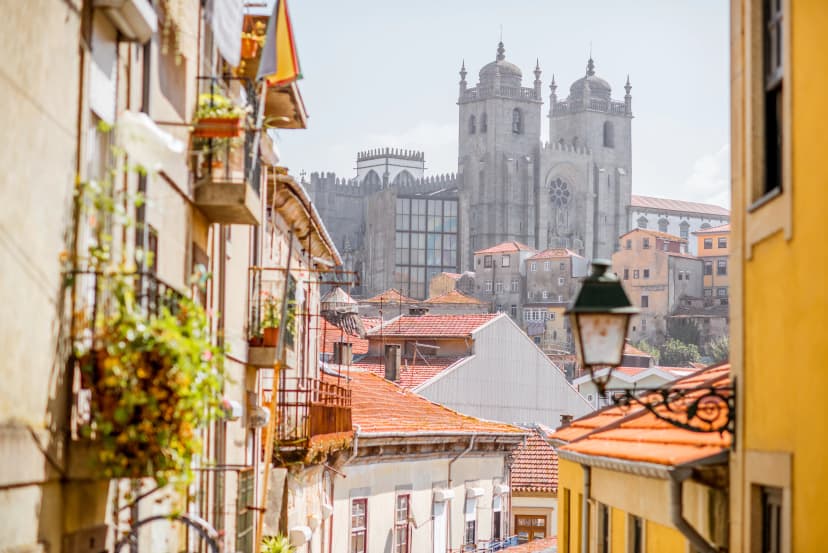
The Camino Portugués offers two variants from Porto: the Central route through inland wine country, and the Coastal route following the Atlantic shore. Both paths merge before entering Galicia and continuing north to Santiago.
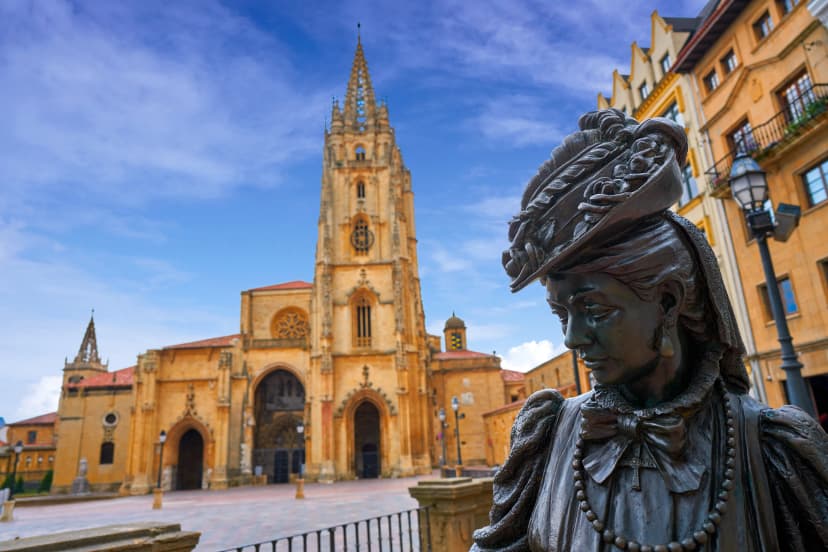
The Camino Primitivo is the original pilgrimage route to Santiago, following King Alfonso II's 9th-century path through the mountains of Asturias. This challenging route offers dramatic landscapes and fewer pilgrims than other major Caminos.
Starting in Sarria allows pilgrims to walk the minimum 100km required for the Compostela certificate. This option appeals to those with limited time or who prefer a shorter, more manageable pilgrimage experience.
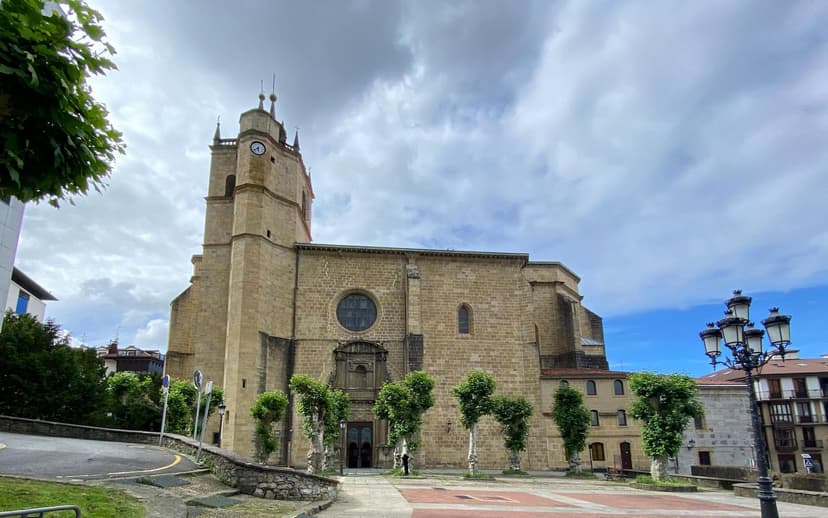
The Camino del Norte follows Spain's stunning northern coast through Basque Country, Cantabria, and Asturias before turning inland toward Santiago. This route offers dramatic ocean views, excellent seafood, and significantly fewer crowds than the Francés.
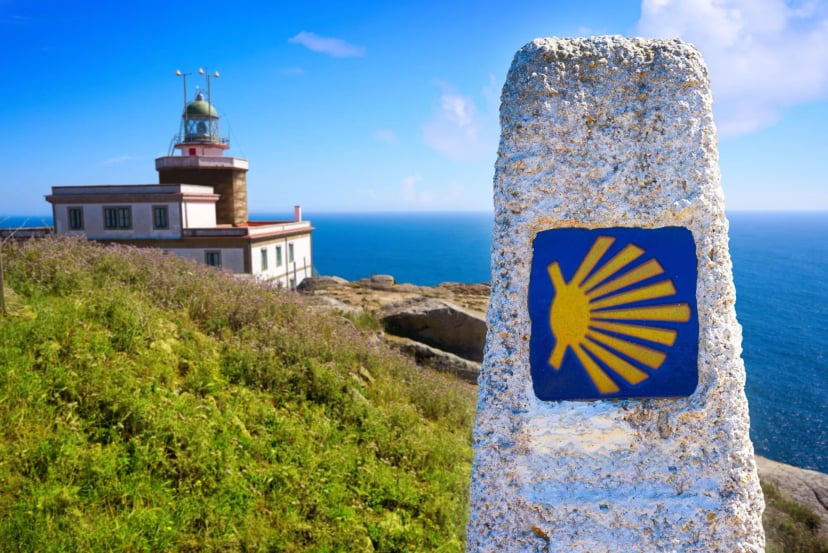
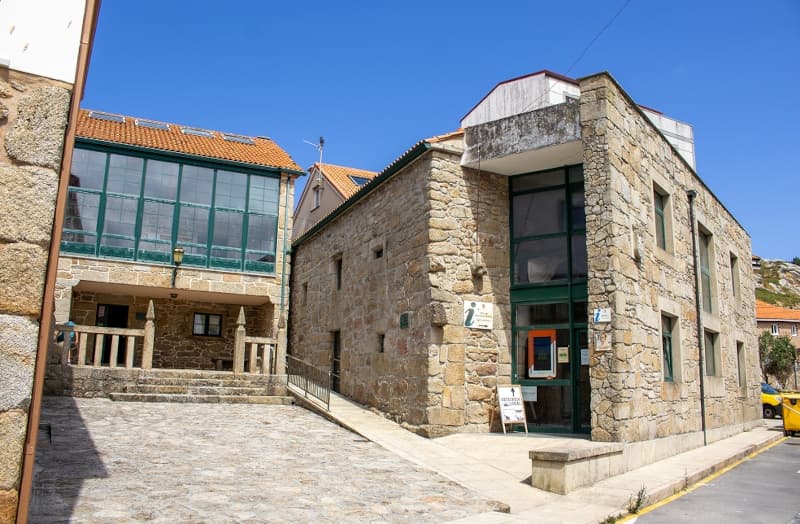
The Camino Finisterre extends beyond Santiago to the Atlantic coast, following the medieval tradition of continuing to "the end of the world." This 90km route can be walked as a standalone journey or as the conclusion to any Camino ending in Santiago.
Important Notes:
Via Francigena is a completely separate pilgrimage system leading to Rome rather than Santiago. It uses a testimonium document administered by Opera Romana Pellegrinaggi in Rome, following entirely different rules and requirements. If planning Via Francigena, the Camino credential and Compostela system doesn't apply. Explore more about the documentation for Francigena route on their website.
All prices are approximate and are subject to change depending on the season, weather and other factors.
Collecting Your Certificate - Finish Points
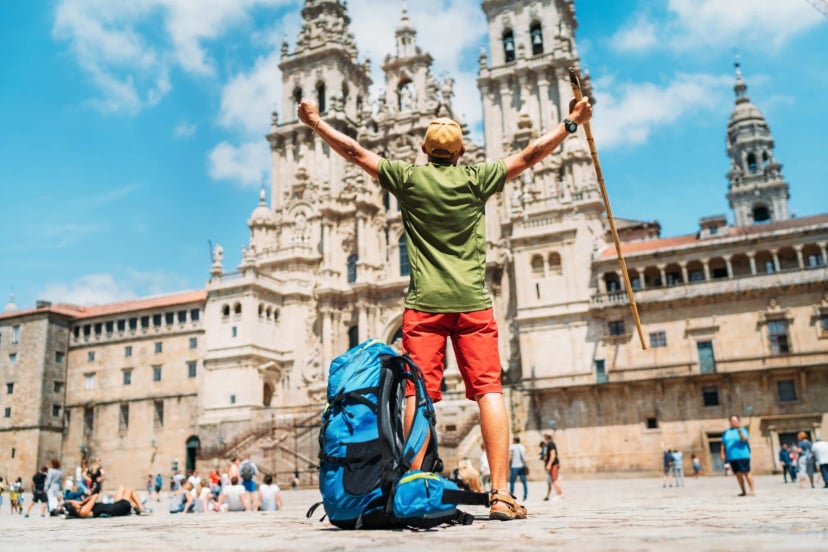
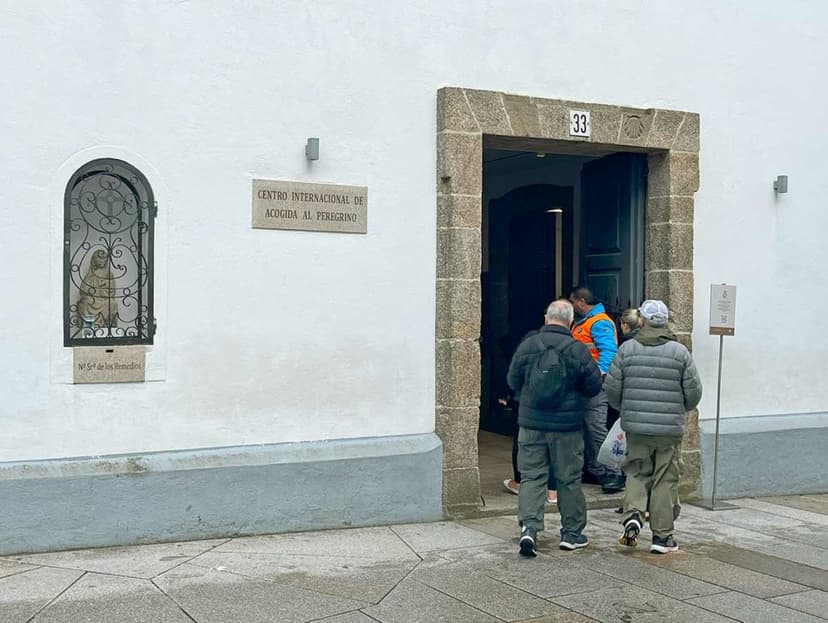
After completing your Camino, collecting your certificate marks the official conclusion of your pilgrimage. Here's where to go for each route's formal endpoint and what to expect during the collection process. Here are the main offices on the most popular finish locations:
Practical Tips
Stamps: For the final 100km, collect two daily from different locations—morning from accommodation/church, afternoon from bar/restaurant. Photograph credential pages periodically as backup.
Lost credential: Get replacement at any church or pilgrim office. Previous stamps lost but continue from there. Santiago accepts credentials showing 100km completion regardless of earlier documentation.
Santiago timing: Weekdays beat weekends. Late afternoon (5-7pm summer, 4-6pm winter) often moves fastest. Grab queue number, monitor online, explore rather than standing in line. If exhausted, wait until next morning when you're rested.
Not meeting requirements: Walked less than 100km? Request certificate noting actual distance. Forgot stamps in a section? If other sections show clear documentation and dates progress logically, typically accepted. Staff verify genuine walking, not rigid bureaucracy.
Ready to Go?
The credential and Compostela connect you to centuries of pilgrims. Don't let bureaucracy create anxiety—credentials are simple to obtain, stamps easy to collect, and the Compostela process functions efficiently. Focus your energy on preparing to walk—the documents handle themselves.
For more planning advice, visit our ultimate Camino de Santiago guide.
Still haven’t made up your mind on which Camino to take? Browse our tours and feel free to contact our team with questions.
Buen Camino—may your credential fill with stamps and your Compostela hang proudly as a reminder of the journey that changed you!