Shortest Camino Walk
Short pilgrimage routes to Santiago de Compostela, defined by manageable distances, gentle terrain, and well-developed services along the final stages.

Anja
January 30, 2026
7 min read
Quick links
An Overview in Numbers
Minimum distance to Santiago: 100 km (62 miles)
Typical shortest routes: 100–120 km (62–75 miles)
Common starting points: Sarria, Tui, Valença, Ferrol
Average short Camino duration: 5–7 days
Daily stages: 15–25 km (9–15 miles)
Elevation profile: Generally low to moderate, depending on route
Technical difficulty: 1–2/5
Fitness level: 2–3/5
Ideal for: First-time pilgrims, time-limited walkers, and those seeking the easiest or shortest Camino walk while still reaching Santiago de Compostela
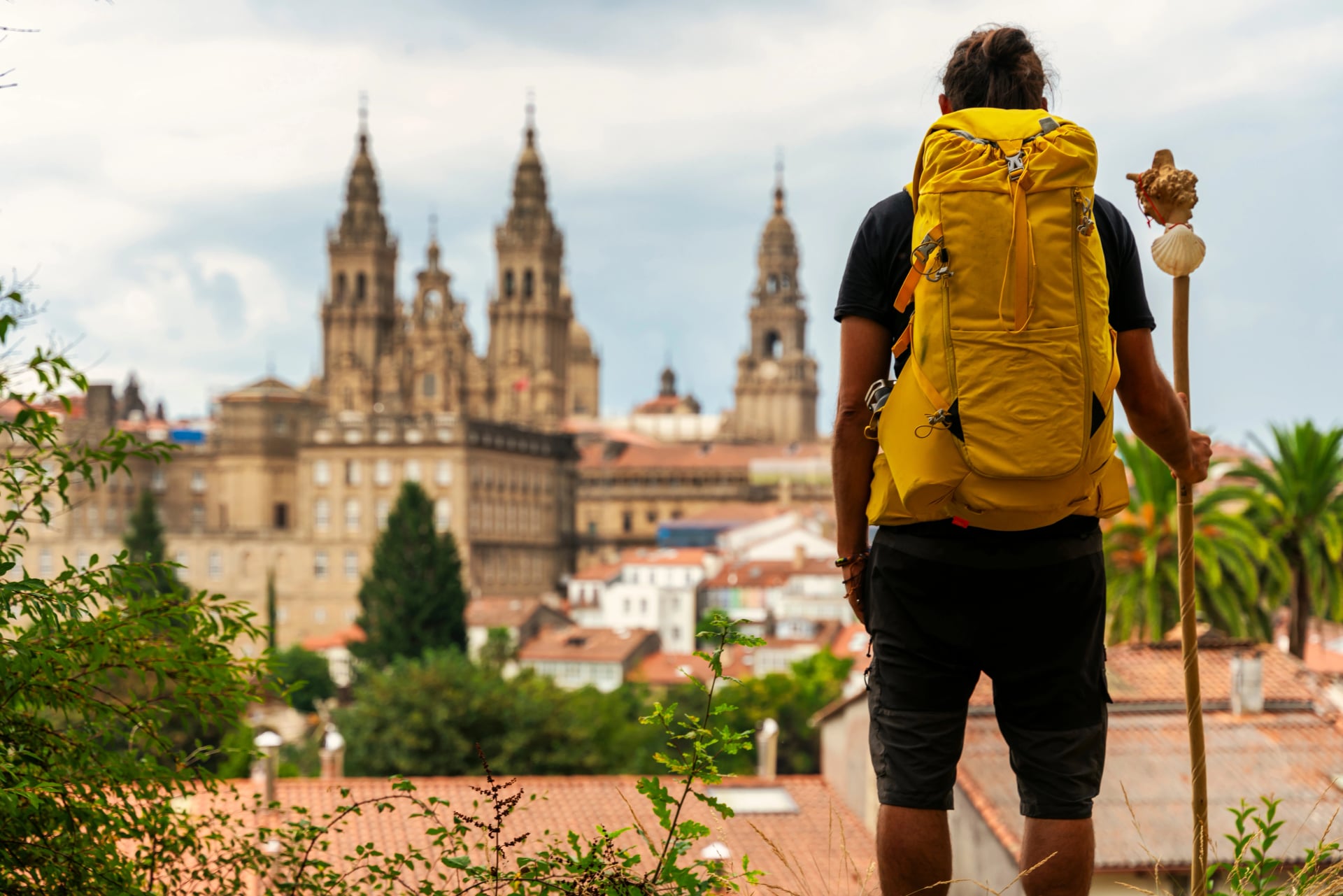
The Shortest and Easiest Camino Routes
Several Camino routes meet the minimum distance required to reach Santiago de Compostela while offering manageable stages and strong infrastructure. These routes are commonly chosen by first-time pilgrims, time-limited walkers, and those looking for the easiest or shortest Camino walk.
Camino Inglés: The Shortest Camino Walk to Santiago
The Camino Inglés is the shortest officially recognized Camino route that meets the 100 km requirement for receiving the Compostela. Starting in Ferrol, the route covers approximately 119 km and is usually completed in 5–6 days.
Historically used by pilgrims arriving by sea to northern Spain, the route passes through Galicia’s inland countryside, combining quiet rural stages with small towns. Compared to other short Caminos, it sees fewer walkers and offers a more contained, less crowded experience.
Why this route
The shortest Camino that qualifies for the Compostela
Quieter stages compared to other short routes
Clear waymarking and defined daily stages
A strong sense of continuity without heavy crowds
Who it’s for
Walkers with limited time who still want a complete Camino experience
Pilgrims seeking a quieter alternative to busier routes
Those comfortable with slightly fewer services between towns
Walkers who prefer a focused, less social walking environment
Sarria to Santiago: The Most Walked Short Camino
The section from Sarria to Santiago follows the final ~114 km of the Camino Francés and is the most walked short Camino route. This stretch represents the minimum distance required to receive the Compostela and typically takes 5–7 days, depending on stage length and pacing.
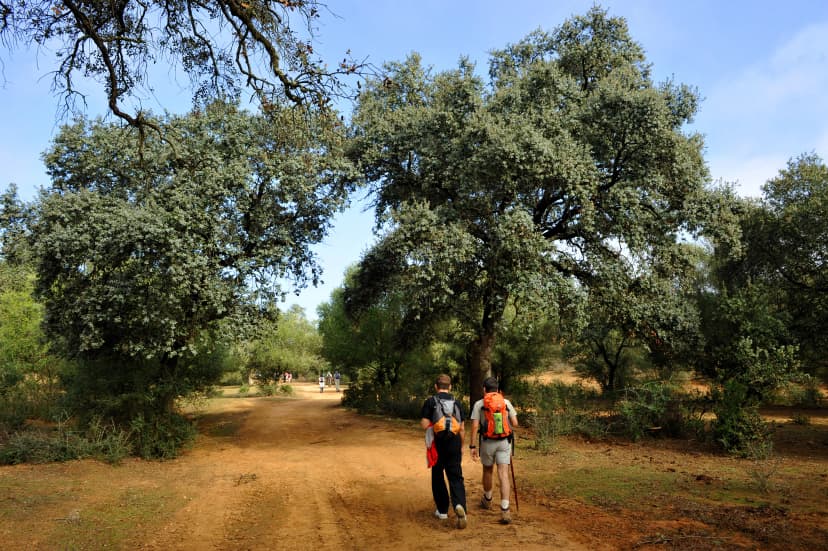
The route passes through rural Galicia, with frequent villages, gentle hills, and consistent access to services. Its popularity has shaped a well-developed walking infrastructure, making daily planning straightforward even for first-time pilgrims.
Why this route
Follows the final stages of the Camino Francés, the most established Camino route
Dense network of accommodation, cafés, and services
Clear waymarking and well-maintained paths
Flexible stage planning due to closely spaced towns
Who it’s for
First-time Camino walkers
Pilgrims with limited time
Those who prefer strong infrastructure and a social walking atmosphere
Walkers aiming to meet the Compostela requirement with manageable daily stages
Camino Portugués: The Easiest Camino Walk
The Camino Portugués from Tui covers approximately 115 km and is often considered one of the easiest Camino walks. Most pilgrims complete the route in 5–6 days, walking through a mix of forest paths, historic towns, and gentle countryside before reaching Santiago.
The route is known for its balanced terrain and steady rhythm, with fewer steep climbs than many other Camino options. Towns and services are consistently spaced, making daily distances easy to adjust and plan.
Why this route
Generally gentle elevation profile
Well-marked paths and reliable infrastructure
Frequent towns offering accommodation and services
A good balance between walking comfort and scenic variety
Who it’s for
Walkers looking for the easiest Camino option
Those seeking shorter daily stages and smoother terrain
Pilgrims who value comfort and predictability
Anyone wanting a calm introduction to Camino walking
You can also book a free consultation to discuss your plans with one of our Camino experts and receive tailored advice on route selection and timing.
What Walking a Short Camino Is Like
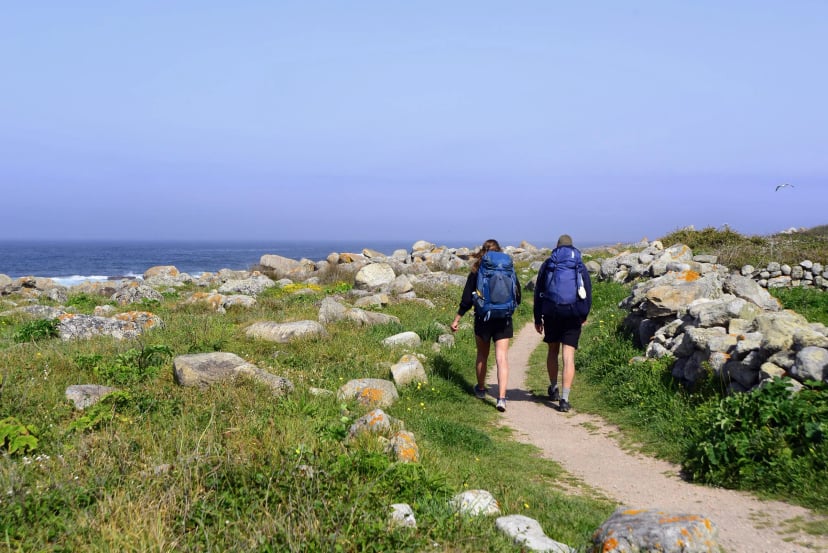
Walking a short Camino typically follows a steady and predictable daily rhythm. Most stages range between 15 and 25 km, with walkers starting early in the day and reaching their next town by mid-afternoon. This allows time for rest, meals, and basic recovery without the sustained fatigue of longer routes.
Short Camino routes are generally well supported. Accommodation, cafés, and services are available daily, particularly on popular sections such as Sarria to Santiago and the Camino Portugués. This reduces the need for long planning horizons and allows walkers to adjust stages more easily if needed.
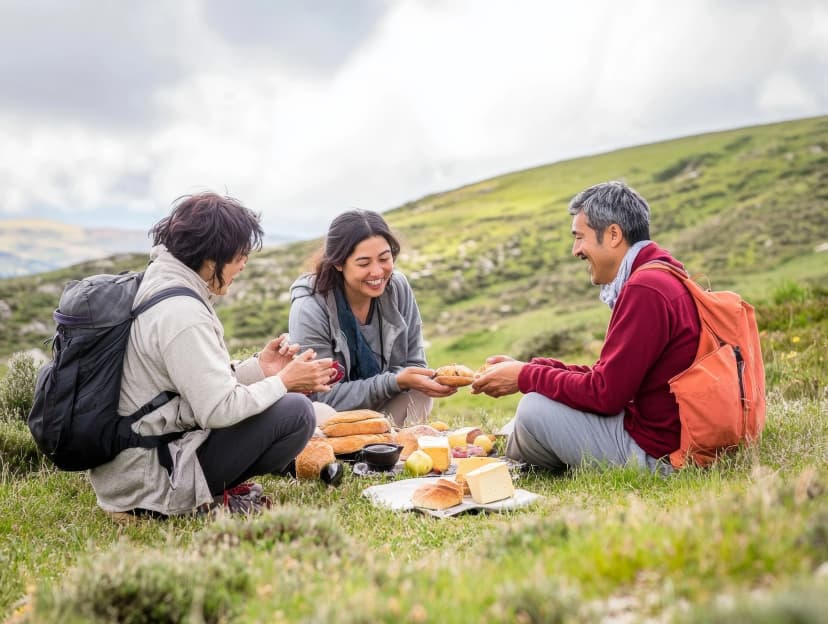
Crowd levels vary by route and season. Busier short Caminos offer a social atmosphere and reliable services, while quieter routes provide a more contained experience with fewer walkers.

Navigation and Waymarking
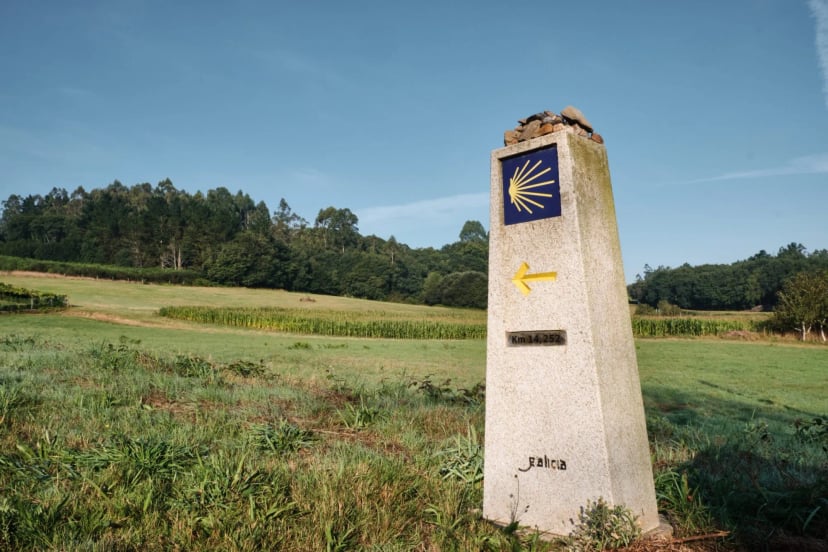
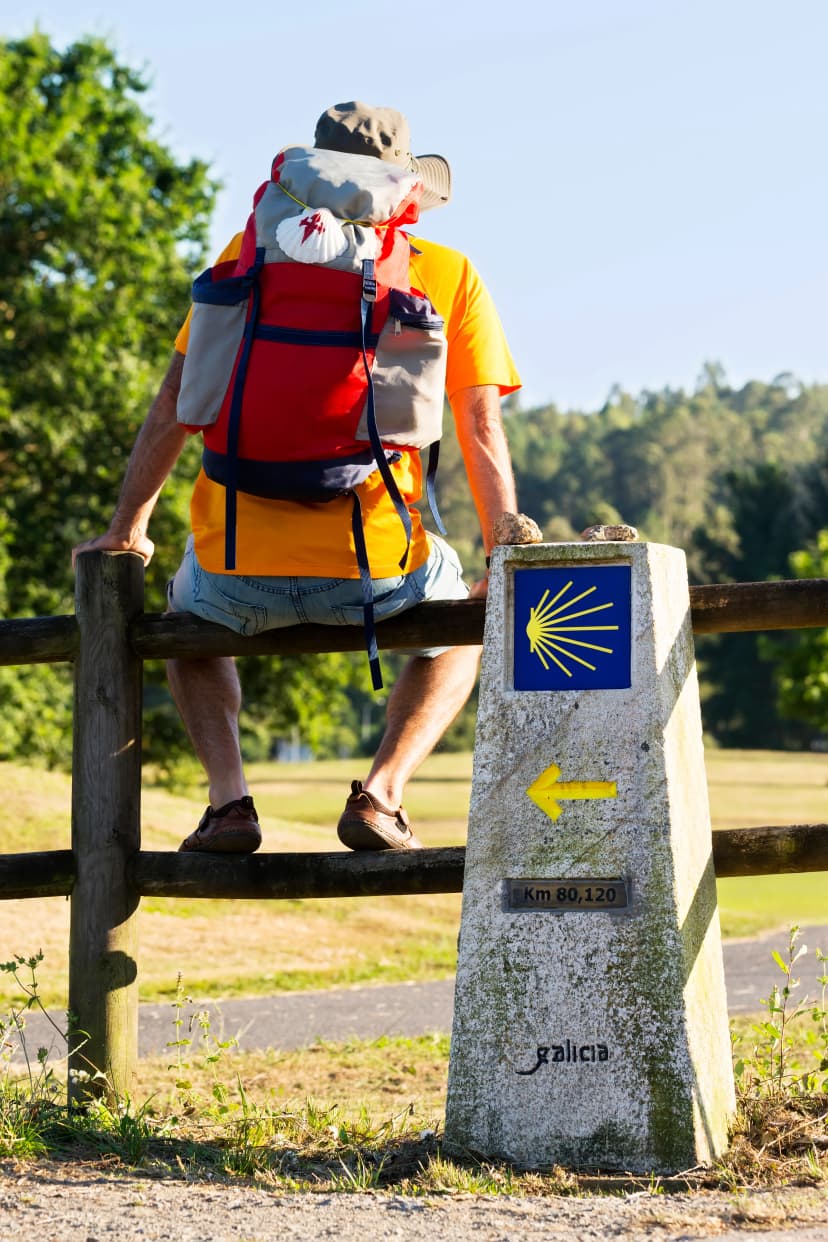
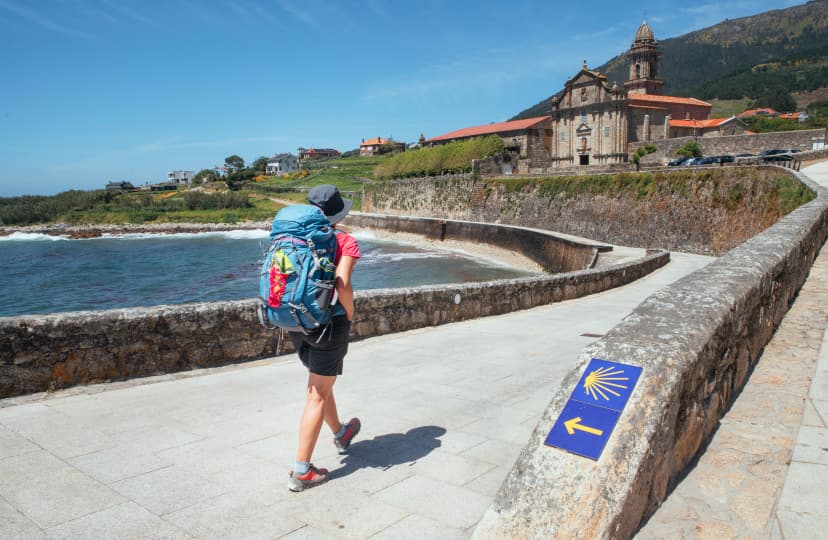
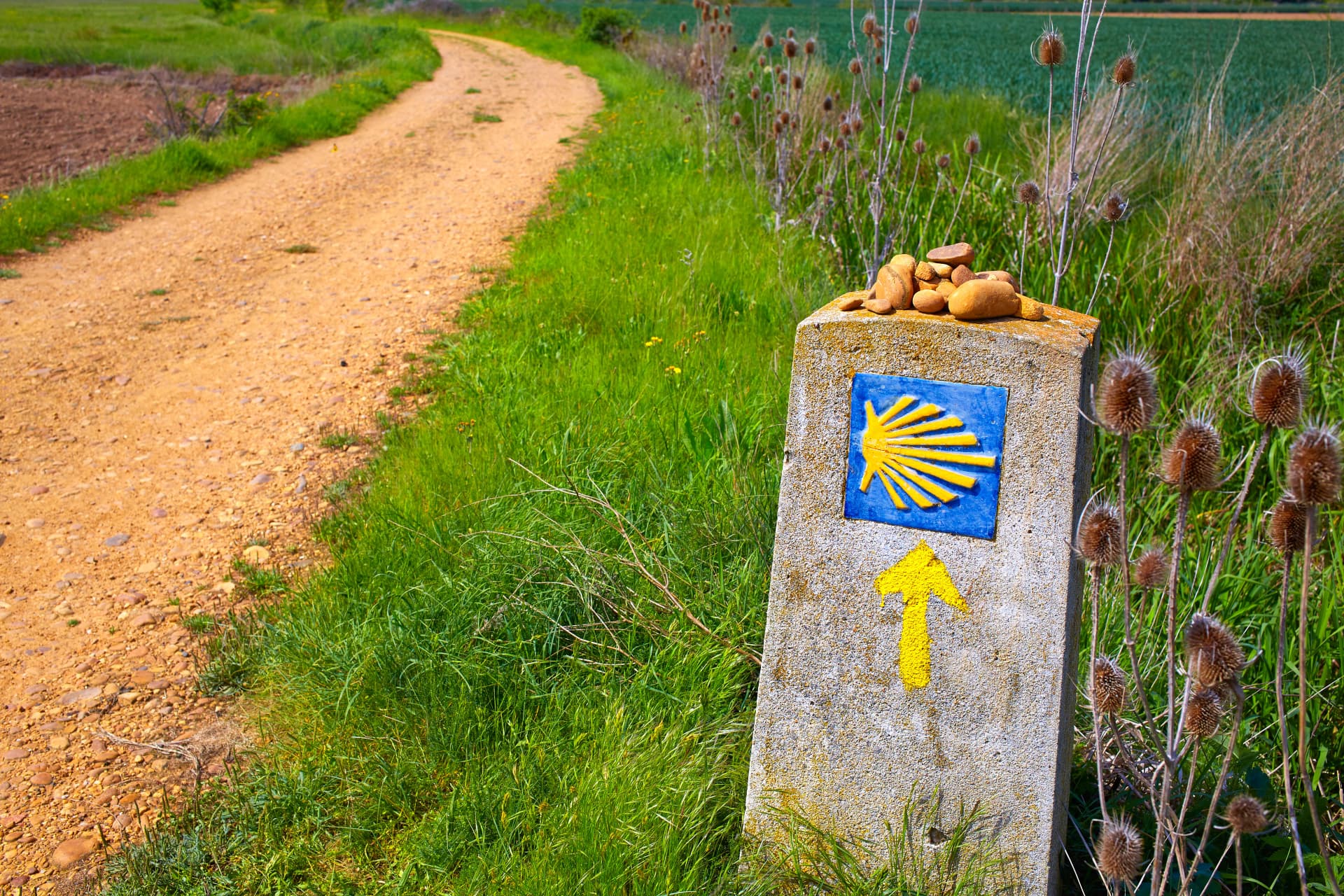
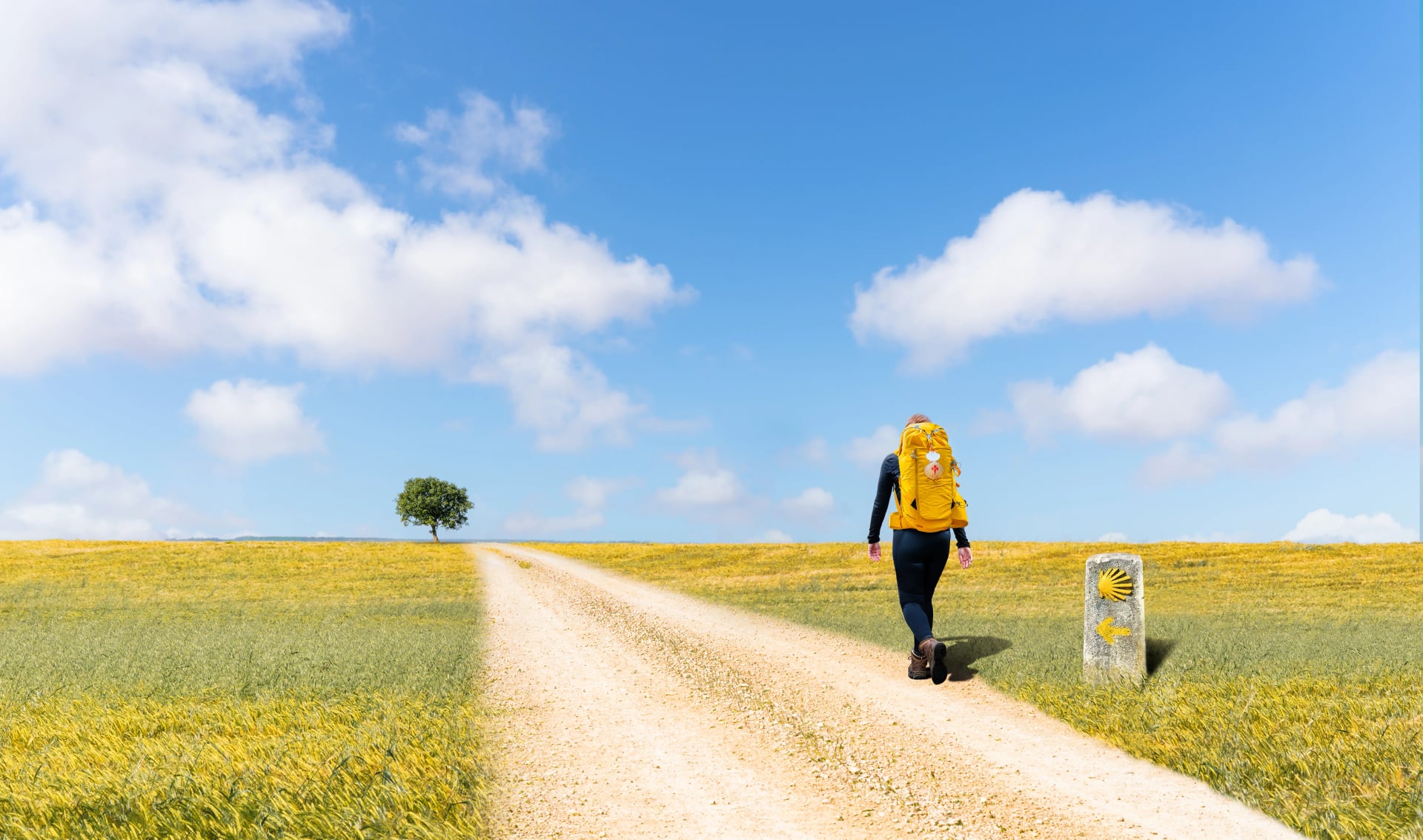
Navigation on short Camino routes is generally straightforward. Like all major Camino paths, these routes are marked with yellow arrows and scallop shell symbols, guiding walkers through towns, countryside, and urban areas.
Because these routes are well established and frequently walked, waymarking is usually clear and regularly maintained. Junctions, town entrances, and route changes are typically signposted, reducing the need for constant navigation decisions during the day.
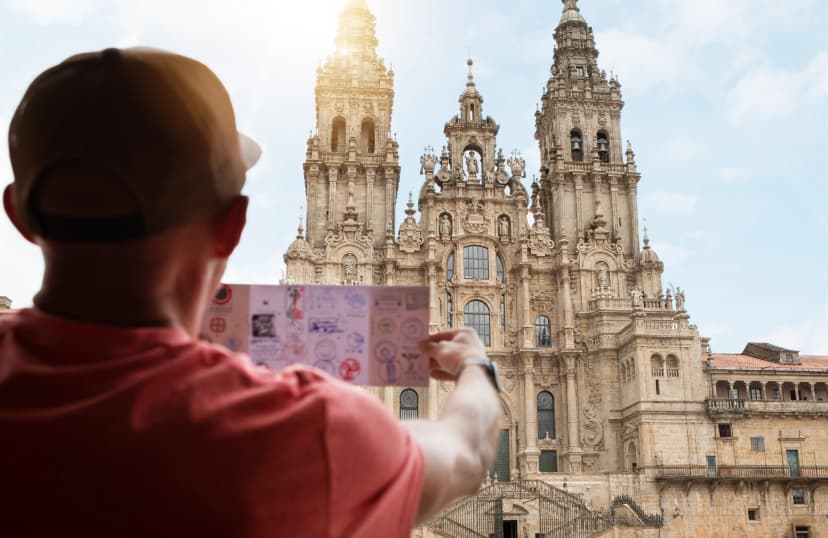
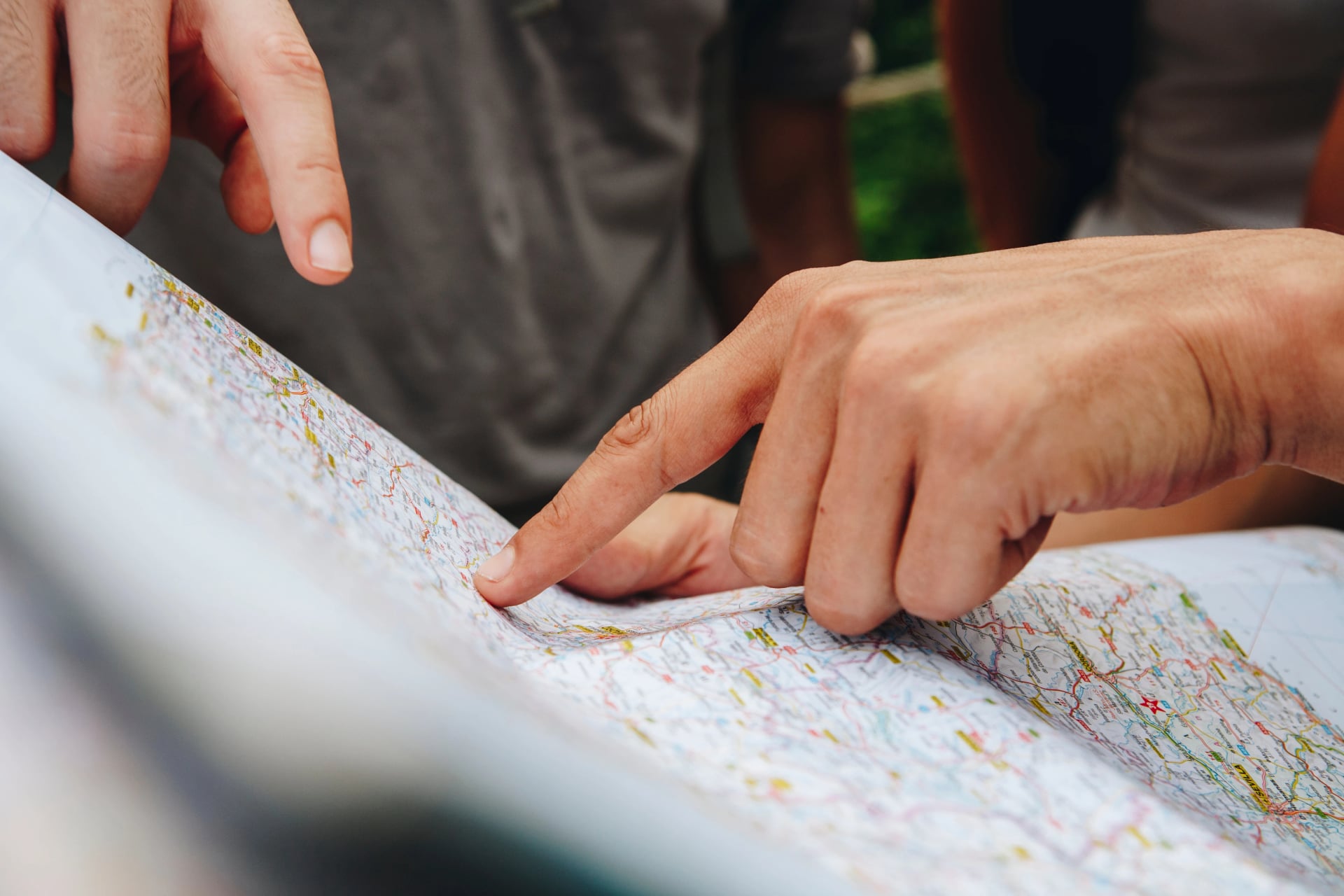
Many walkers still choose to carry a Camino map or use digital navigation tools to support daily planning. Maps are especially useful for understanding stage distances, identifying accommodation options, and managing minor route variants near towns or road sections.
Accommodation Options
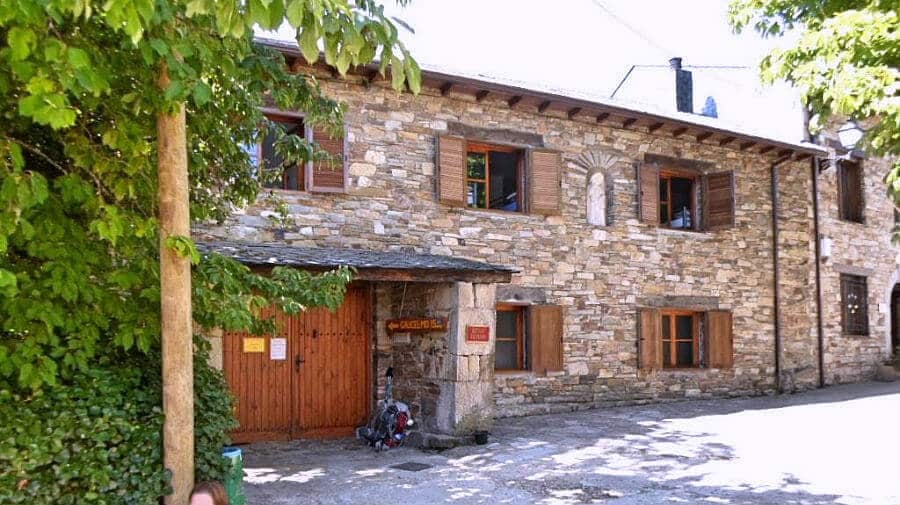
Accommodation on short Camino routes is widely available, particularly on popular paths leading into Santiago de Compostela. Walkers typically find pilgrim albergues, guesthouses, and small hotels in most towns along the way, allowing stages to be planned with flexibility.
On the most walked short routes, availability is generally reliable, though accommodation can fill quickly during peak season. Understanding the range of options and local customs helps avoid last-minute stress and supports a smoother walking experience.
For a detailed overview of accommodation types, booking considerations, and what to expect along different routes, see our full accommodation guide.
Crowds and Seasonality
Crowd levels on short Camino routes are closely tied to both season and route popularity. Because these routes require less time, they attract a higher concentration of walkers during peak months, particularly on well-known sections such as Sarria to Santiago (the final stretch of the Camino Francés) and the Camino Portugués.
The busiest period generally runs from May to September, with the highest numbers in June, July, and August. During these months, accommodation fills more quickly and stages closer to Santiago can feel busy, especially in the afternoons.
Spring and early autumn often provide a more balanced experience, combining milder temperatures with fewer walkers while services remain fully available.
Seasonal considerations:
Spring and early autumn: generally offer the most balanced conditions, combining milder temperatures, fewer walkers, and full availability of services.
Summer: brings long daylight hours that allow flexible pacing, but also higher temperatures and heavier foot traffic on popular short routes.
Winter: short Caminos remain walkable, though daylight hours are limited and some services may close in smaller towns.
Final Considerations Before You Choose
Choosing a short Camino route is less about taking a shortcut and more about understanding how time, terrain, and personal expectations come together. While shorter routes reduce the overall duration of the walk, daily effort is still influenced by factors such as elevation, weather, and pacing, rather than distance alone.
Experiences can differ noticeably even among the shortest Caminos. Some routes are shaped by frequent services and a social walking rhythm, while others feel quieter and involve longer stretches between towns. Being clear about which environment suits you best helps set realistic expectations and supports a smoother experience on the trail.
What does not change is the broader context of the journey. A short Camino follows the same historic paths that have guided pilgrims toward Santiago de Compostela for centuries, sharing the same symbols, destination, and sense of continuity that define the pilgrimage as a whole.
If you’d like support in choosing a short Camino route or shaping the walk around your available time and preferences, you can explore our other Camino tours or get in touch to discuss the options in more detail.