The Complete Off-Season Camino Guide
Cold, quiet, rewarding winter Camino de Santiago planning with weather truth, safer route picks, packing essentials, and off season lodging tips.

Anja
January 26, 2026
10 min read
Quick links
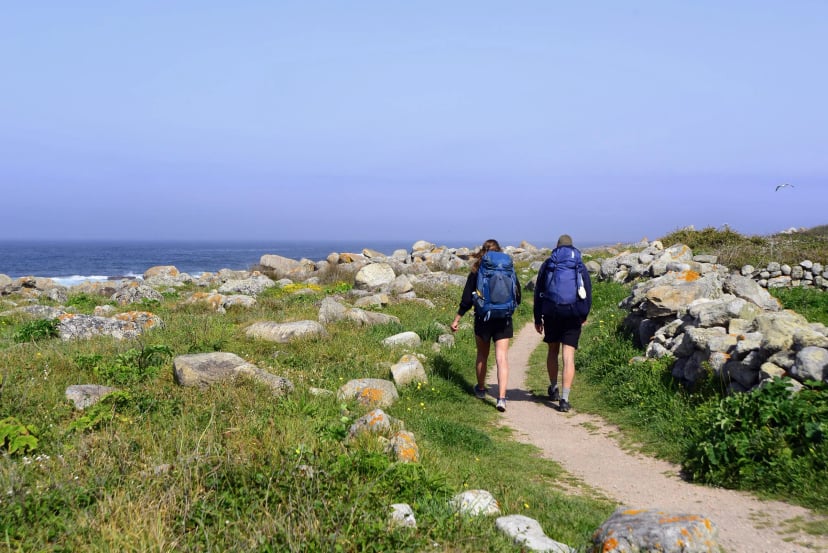
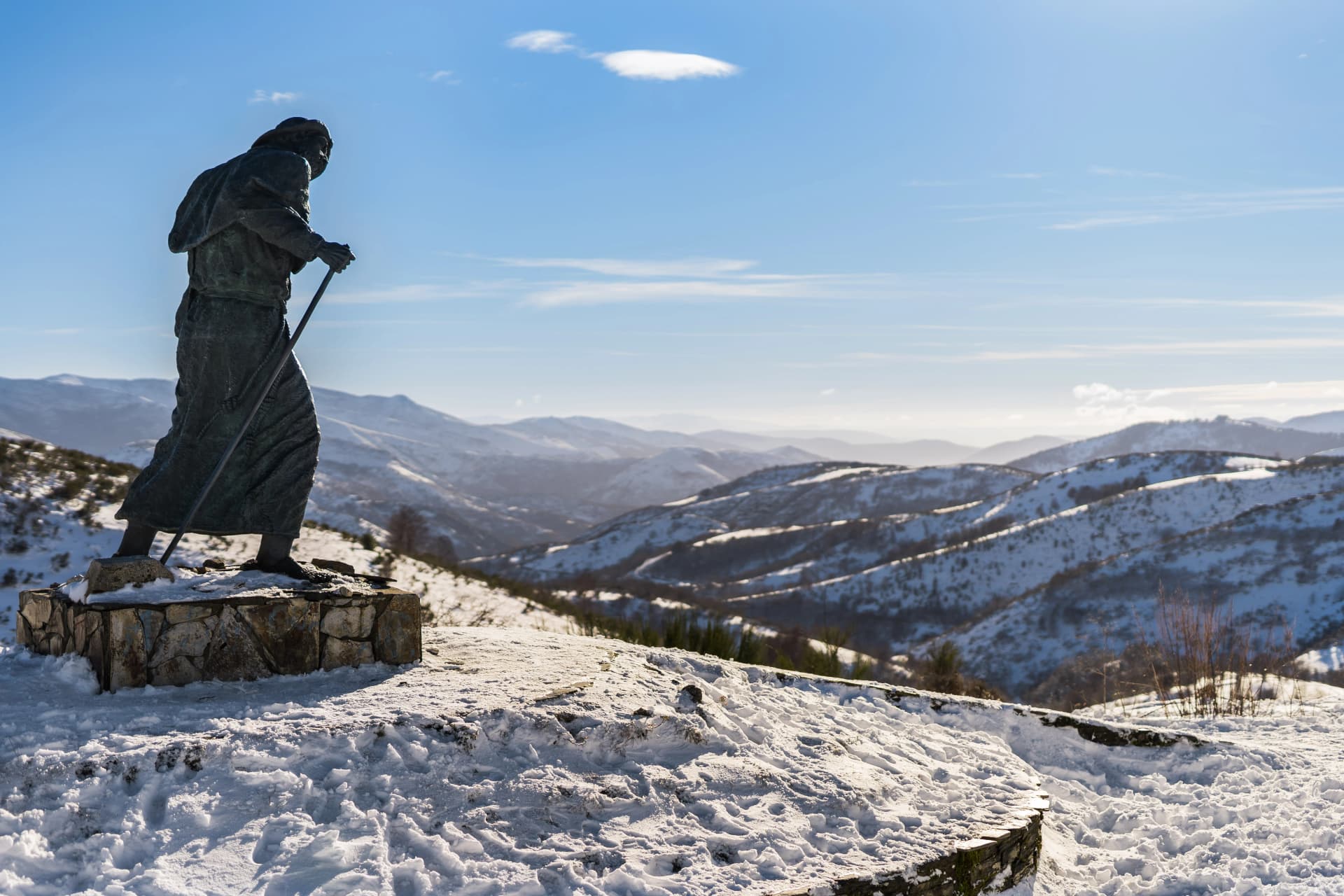
While 60,000+ pilgrims crowd the Camino trails each August, fewer than 2,000 reach Santiago in January—a 97% reduction that transforms the pilgrimage entirely. Winter Camino walking strips away the social tourism of peak season to reveal what medieval pilgrims experienced: genuine solitude, weather challenges, and the resilience required to reach Santiago when conditions discourage casual walkers.
This isn't romantic adventure—it's cold, wet, demanding. But for those seeking authentic pilgrimage rather than well-marked hiking vacation, winter delivers what summer can't. You'll walk hours without encountering another soul, experience culture as locals live it, and arrive in Santiago having earned your Compostela through real adversity.
This guide covers realistic weather expectations for winter months, which routes remain safely walkable, essential preparation, and why this challenging season creates the most meaningful pilgrimages.
Why Choose Winter?
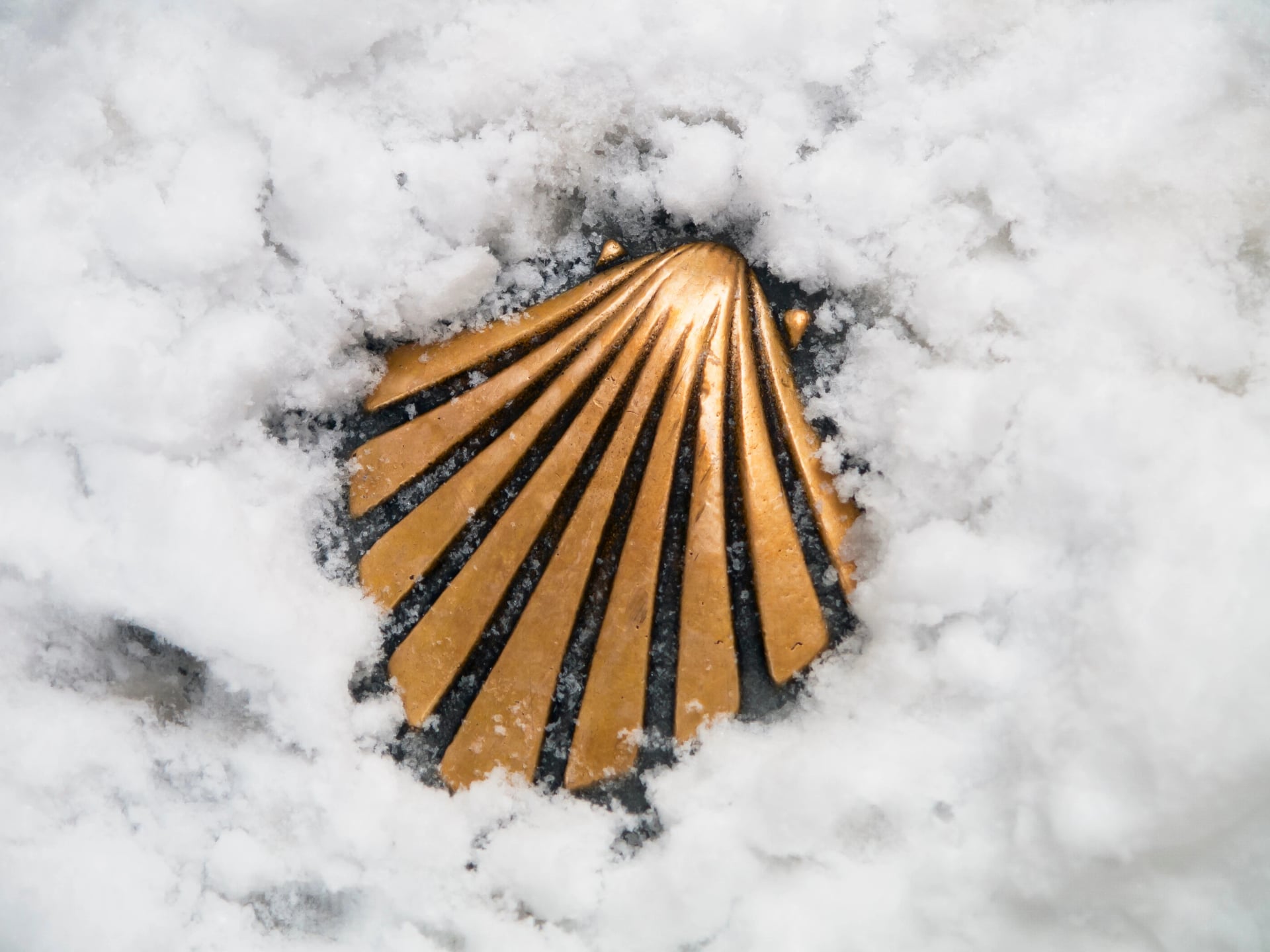
Profound solitude: Winter delivers entire days encountering perhaps two other pilgrims. The silence becomes almost tangible. Your thoughts become primary companion, creating space for reflection impossible amid summer's social intensity.
Authentic cultural immersion: Winter strips away tourist infrastructure. Bars serve locals going about normal lives. You experience culture as it exists, not packaged for visitors.
Significant cost savings: Off-season pricing means 30-40% lower accommodation costs. Hotels charging €80-100 in July offer rooms for €50-60 in February. Flights cost half summer prices.
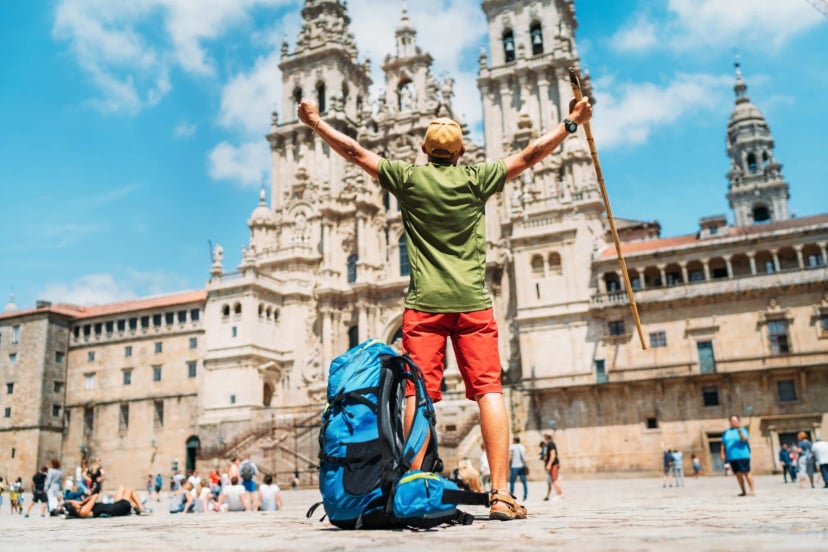
Earning your Compostela: Winter pilgrims face freezing rain, snow, mud, wind. Reaching Santiago after overcoming genuine obstacles creates substantial accomplishment.
Practical benefits: No booking stress, flexibility in planning, immediate Pilgrim Office service, and authenticity summer inevitably dilutes.
Weather Reality Check
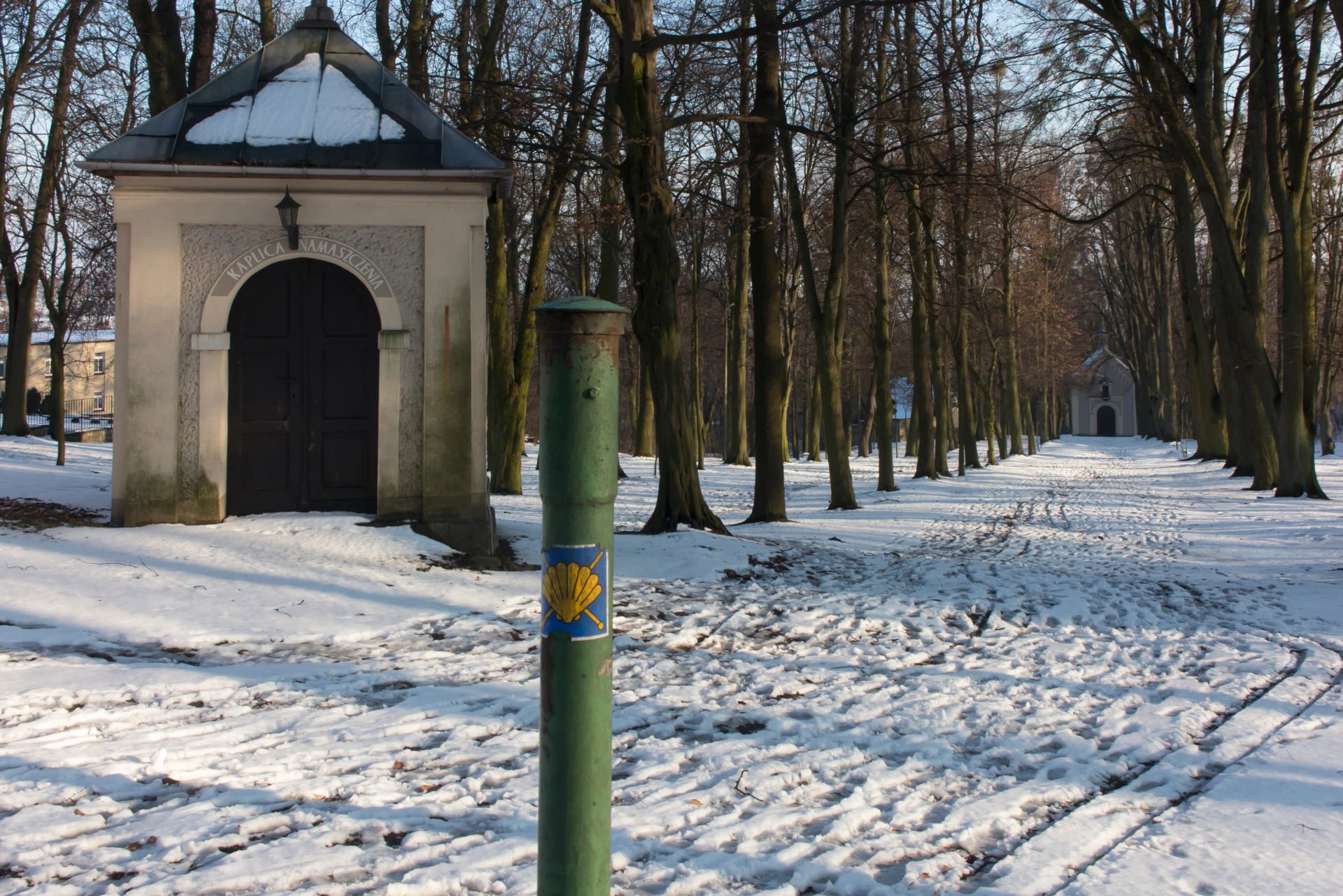
Understanding winter Camino weather requires abandoning romantic notions about "refreshing cold" and facing realistic conditions that range from uncomfortable to genuinely challenging.
Temperature Ranges by Region
The Pyrenees and mountain sections: January sees daytime highs of 2-6°C (36-43°F) with lows frequently below freezing. The Napoleon Route (the first day of Camino Frances) closes November-March due to snow and avalanche risk. Even the lower Valcarlos alternative requires careful monitoring.
The Meseta: January averages 0-8°C (32-46°F) with wind chill making it colder. Hours walking across wheat fields with zero wind shelter. February moderates to 3-12°C (37-54°F).
Galicia and coastal regions: January: 4-12°C (39-54°F), February: 5-14°C (41-57°F). However, Galicia compensates with relentless rain—10-15 rainy days monthly, 150-200mm (6-8 inches) precipitation. Portuguese coastal route is marginally warmer and drier.
Rain, Snow, and Mud
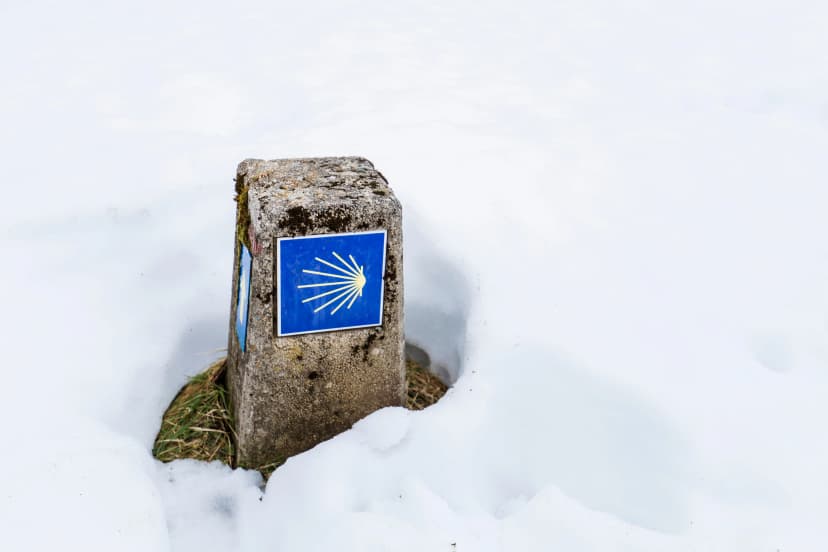
Rain dominates winter concerns more than cold. The Camino Francés sees 15-20 rainy days monthly in Galicia during deep winter, with multi-day storms common. The Norte (northern coastal route) experiences similar patterns plus Atlantic winds making rain feel penetrating regardless of gear quality. Central sections receive less total rainfall but occasional snow—Burgos and León see 5-10 snowy days during peak winter.
The Portuguese routes (Central and Coastal) offer most reliable conditions—still wet with 12-15 monthly rainy days, but rarely snow, milder temperatures, and occasional sunny stretches. Mud becomes constant companion on unpaved sections, making proper waterproof boots with aggressive tread essential.
Daylight Constraints
Winter's short days create logistical challenges often overlooked during planning:
January sunrise occurs around 8:30am in northern Spain, with sunset by 6:00pm—providing roughly 9.5 hours daylight.
February gains about an hour: 7:30am sunrise, 6:30pm sunset. This compressed window means either starting in darkness (requiring headlamps), finishing stages in darkness (problematic for navigation and safety), or completing shorter distances (15-18km rather than typical 20-25km).
The psychological impact surprises many—arriving at your destination by 3:00pm leaves long evenings with limited activities in villages where everything closes by 8:00pm. The darkness and isolation can feel oppressive, particularly for solo walkers. Conversely, some find these long evenings create essential space for reading, journaling, and reflection.
For detailed monthly breakdowns including wind patterns, regional variations, and historical averages, consult our comprehensive weather guide for Camino.
Pro tip: For real-time conditions, check AEMET (Spain's official meteorological agency) before and during your walk.
Winter Highlights Along Camino
Certain places transform during winter, revealing beauty and character invisible during summer's crowds.
Winter Festivals: Cultural Warmth in Cold Months
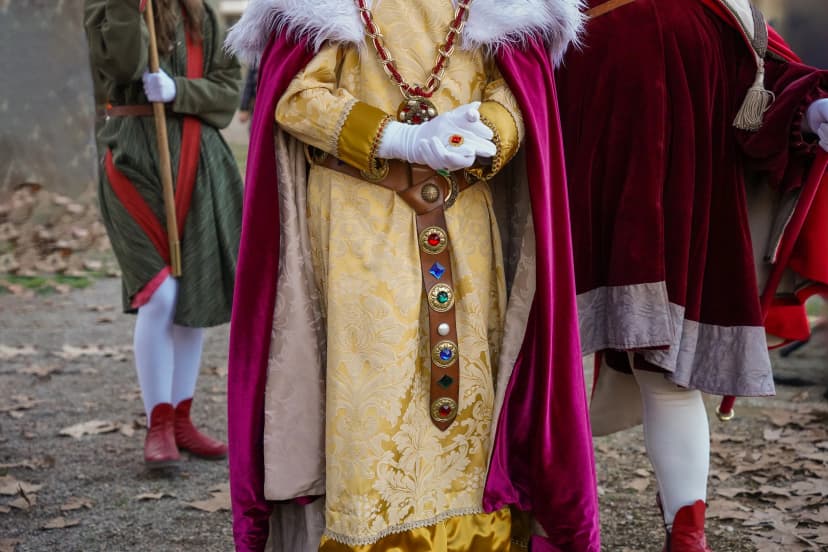
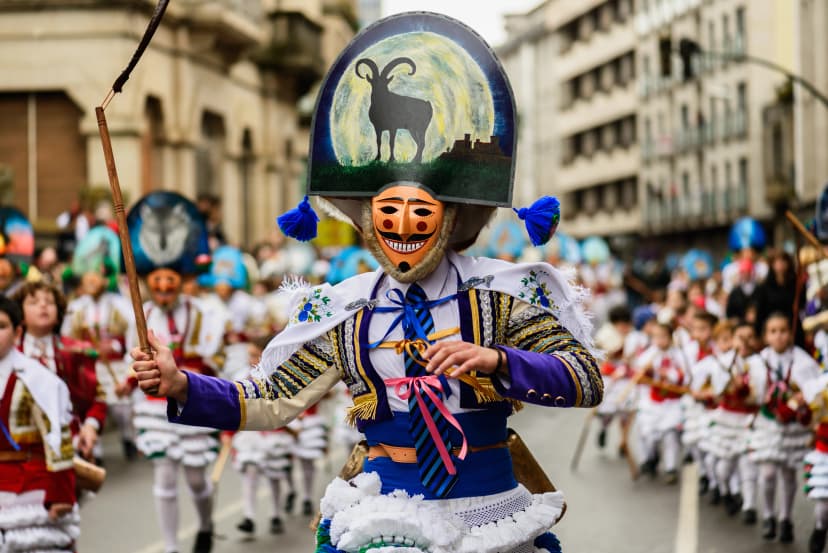
Winter Camino walking offers unexpected cultural rewards—traditional festivals that most summer pilgrims miss entirely. While December sees Christmas markets and nativity scenes throughout Spain and Portugal, the two most significant winter celebrations provide genuine insight into local traditions that predate modern tourism. Three Kings Day transforms every Spanish town on January 5-6, while Carnival in late February brings some of Spain's most authentic pre-Lenten celebrations, particularly in Galicia where ancient traditions persist.
Winter pilgrims discover that cold, dark evenings become opportunities for genuine celebration rather than isolation—the festivals transform potential loneliness into community, making winter's challenges feel less daunting when shared with locals marking centuries-old traditions.
Winter Essentials
Winter success depends on realistic preparation.
Clothing and Gear Requirements
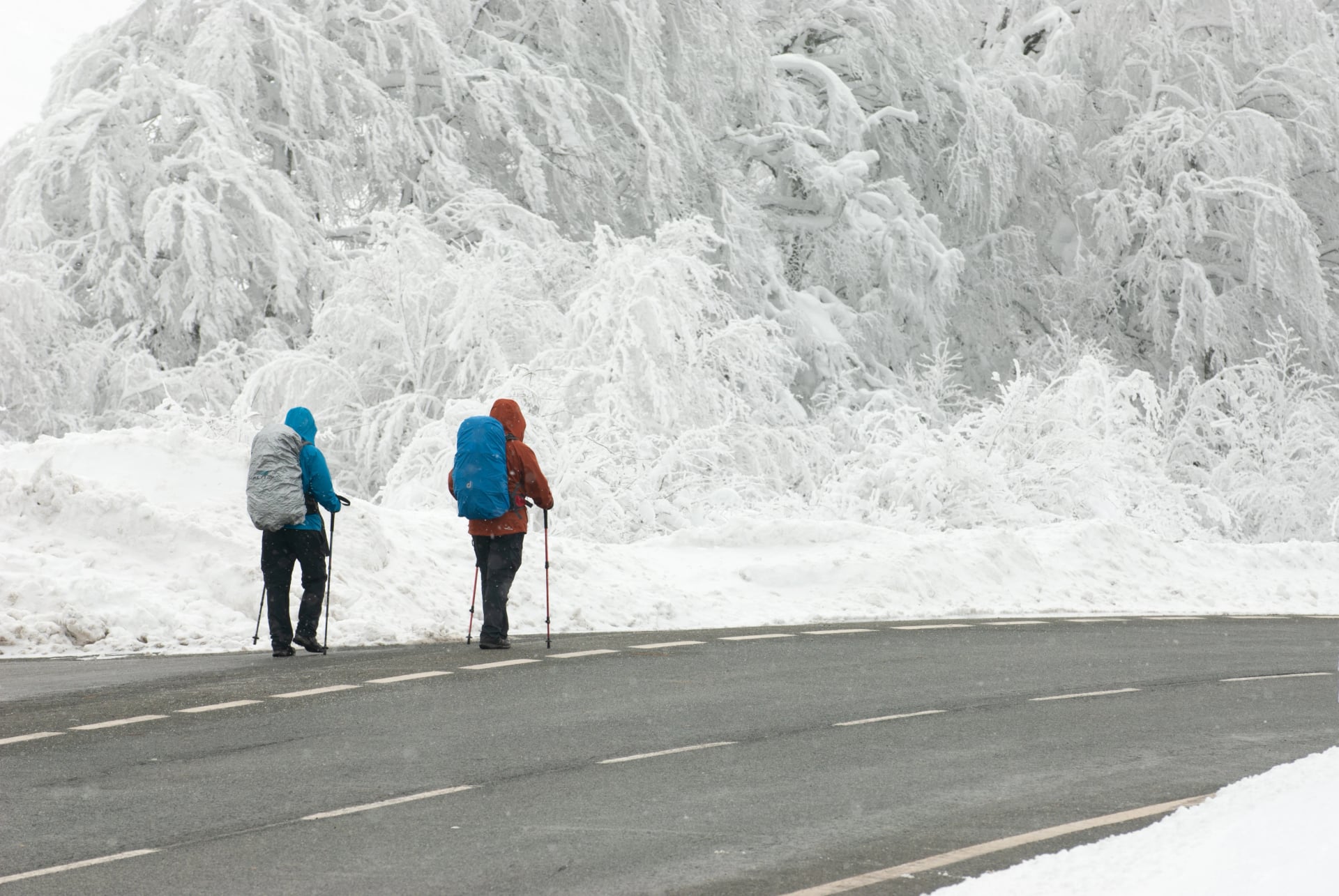
Base layers are critical—merino wool or quality synthetics that wick moisture while providing warmth when wet. Cotton kills in winter. Pack three sets for dry rotation.
Essential gear:
Waterproof/breathable rain jacket and pants
Insulation layer (synthetic or waterproof down)
Waterproof gloves and wool hat covering ears
Waterproof hiking boots with ankle support and aggressive tread
Gaiters to keep water out of boots
Trekking poles for stability
Headlamp for darkness
Lightweight sleeping bag (minimal heating in accommodations)
Explore our full list of packing suggestions in our ultimate camino guide.
Routes That Work in Winter
Not all Camino routes handle winter equally. Some remain walkable with proper preparation; others become dangerous.
Best Winter Routes:
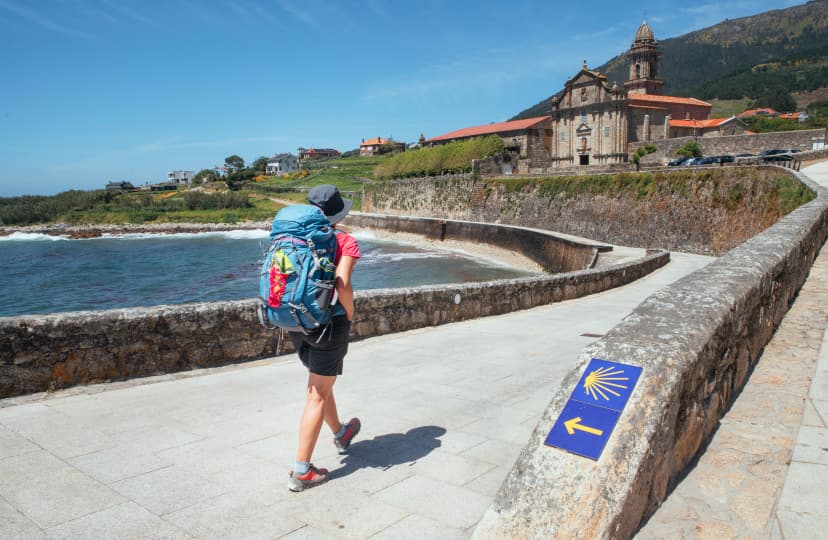
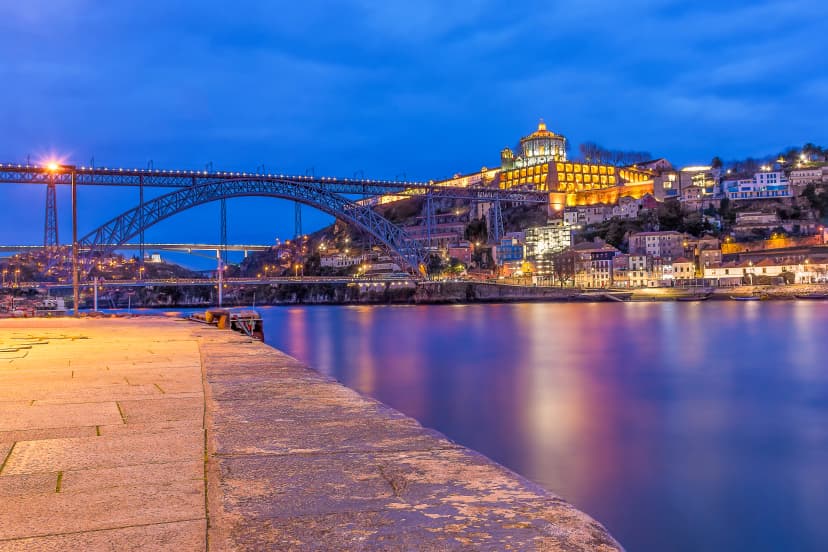
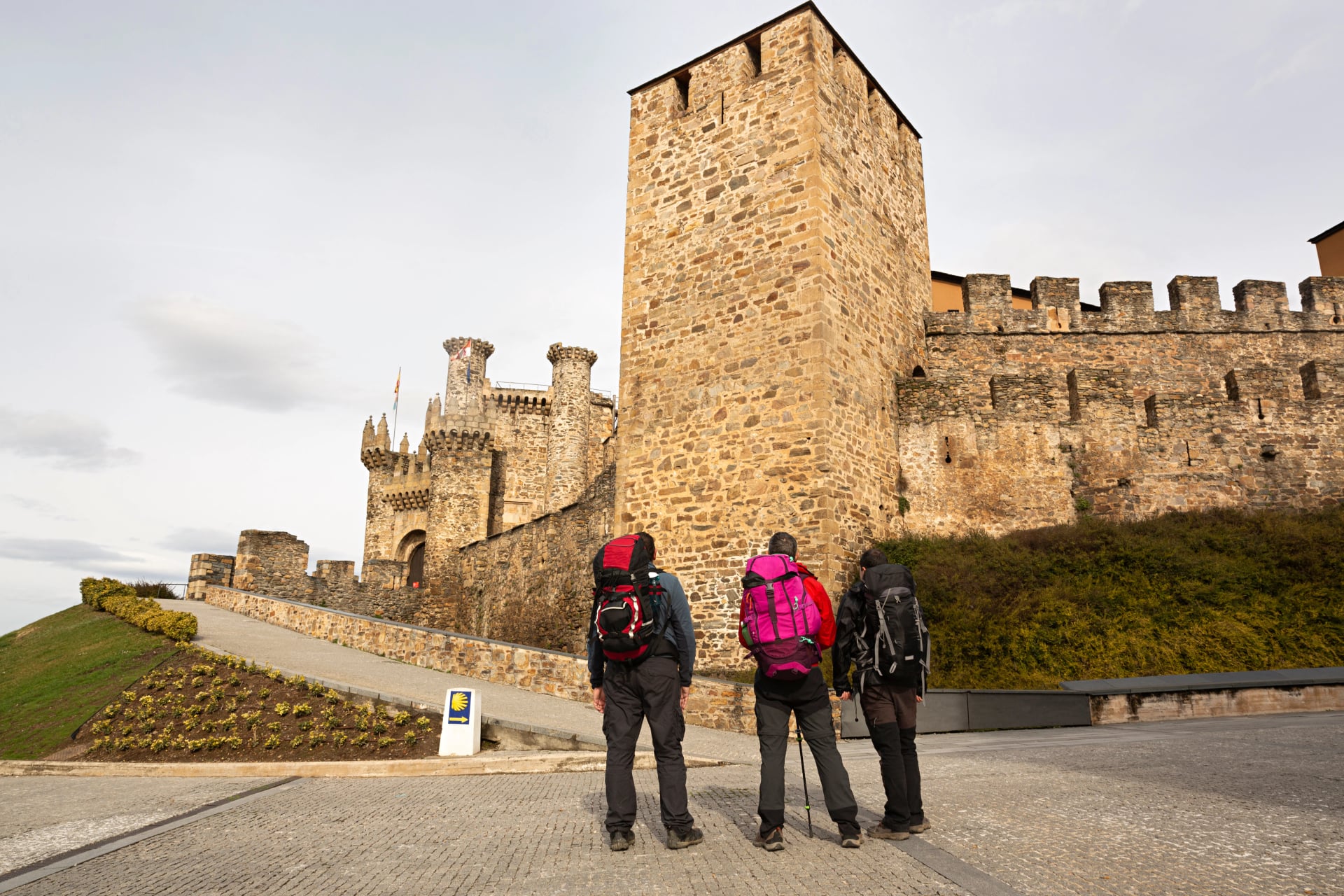
1. The Camino Portugués from Porto (Central or Coastal) ranks as the best winter option. The 240-280km distance allows completion in 10-14 days, temperatures stay mild (5-14°C), snow is nonexistent at low elevations, and infrastructure stays operational year-round. The coastal variant offers Atlantic views, seafood villages with full services, and boardwalks handling rain better than muddy trails.
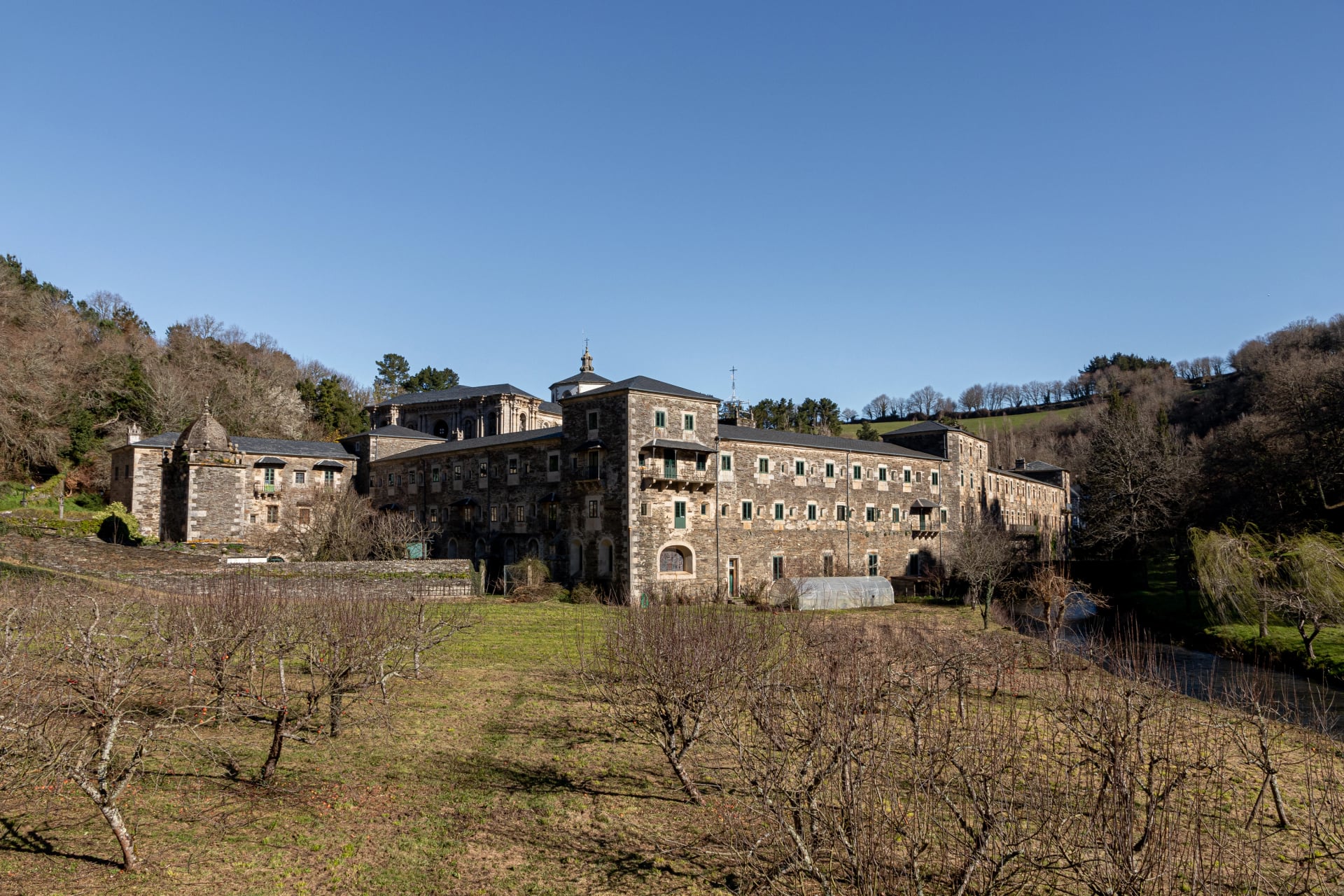
2. The Camino Inglés from Ferrol provides another excellent choice. At just 118km (5-7 days), it qualifies for Compostela while minimizing cold exposure. The coastal location keeps temperatures moderate, and short duration means one bad weather system won't ruin your trip.
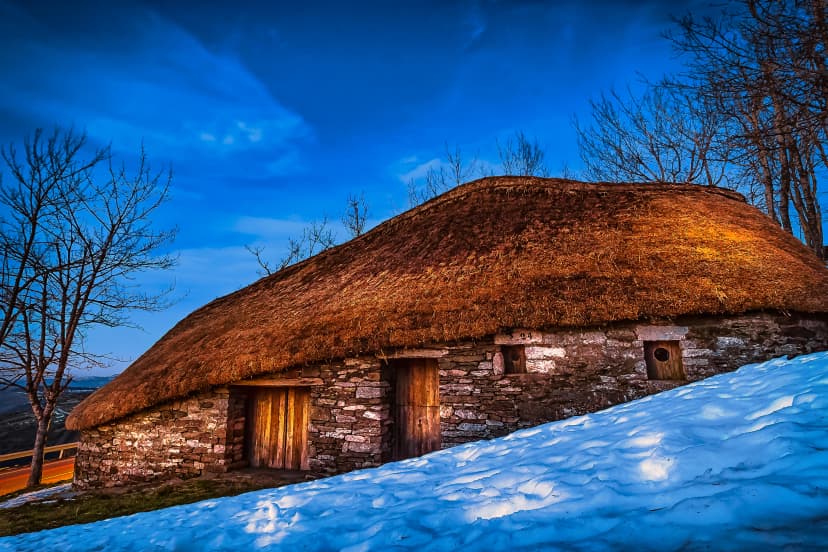
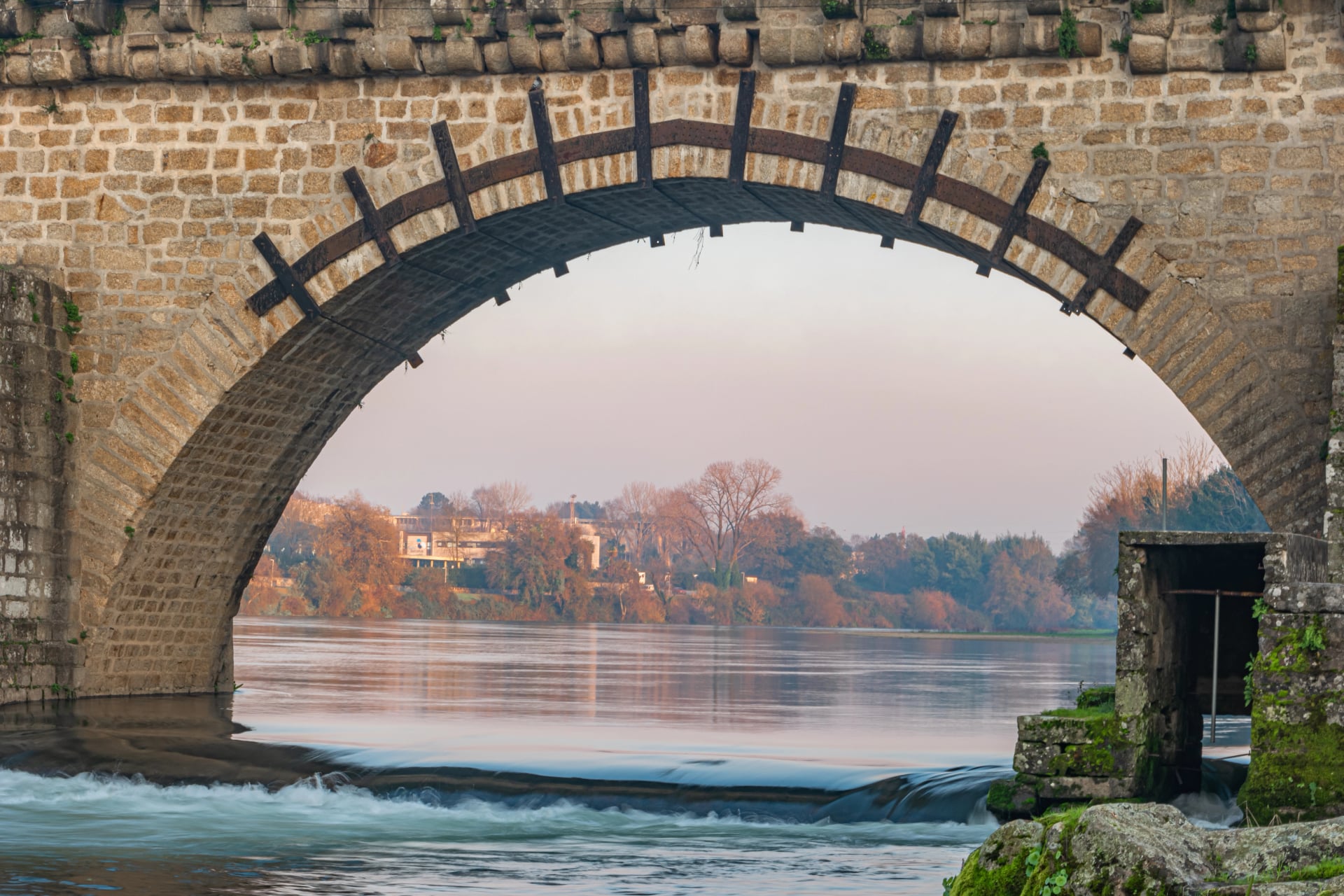
3. The Sarria to Santiago (final 100km) remains reliably walkable though more challenging than summer. Sarria maintains year-round accommodation, 100km proves achievable in 5-6 days, but expect cold, wet conditions and occasional snow at O Cebreiro.
Challenging But Possible:
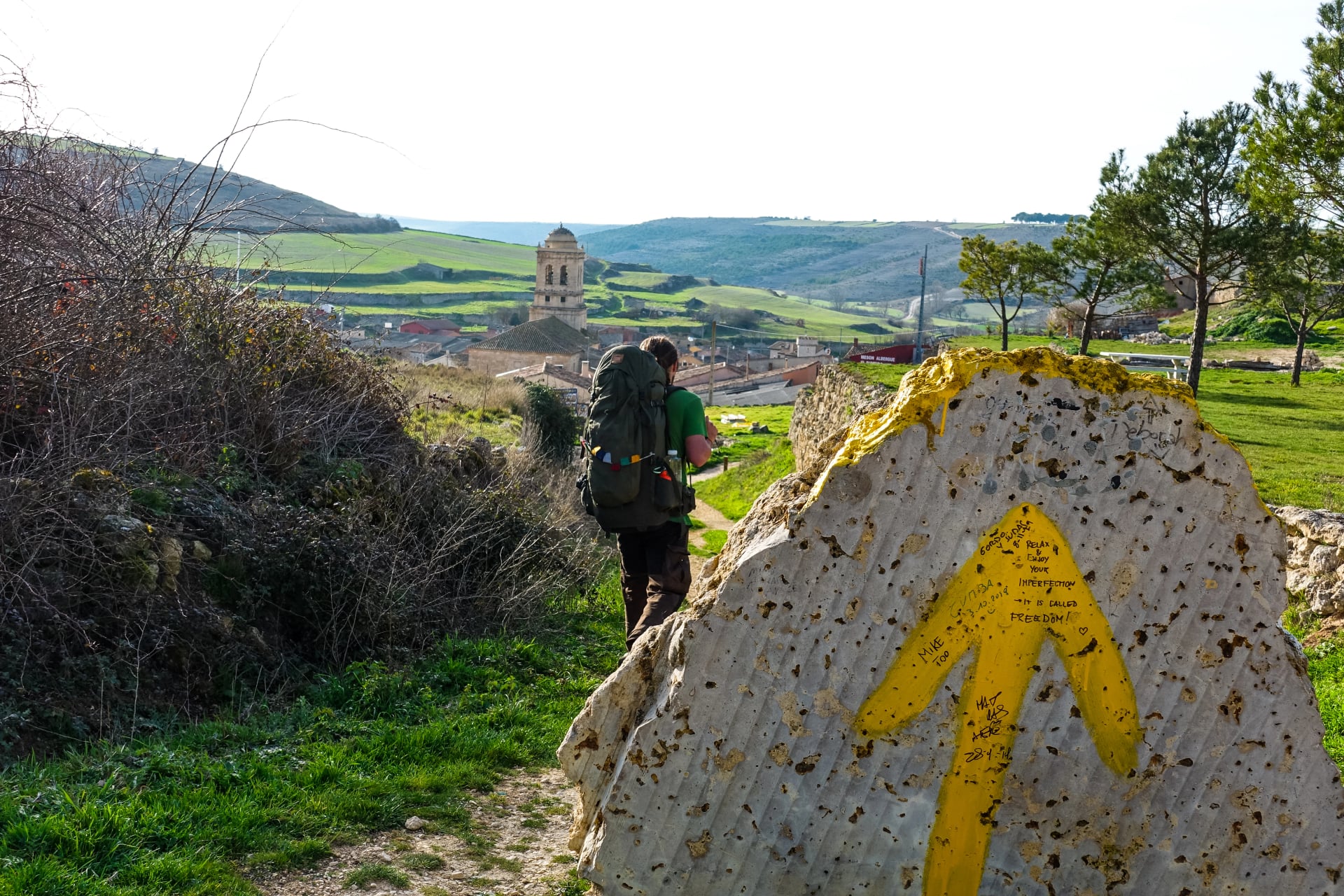
The full Camino Francés from St. Jean separates experienced winter hikers from casual walkers. The mandatory Valcarlos route presents snow challenges, the Meseta offers zero wind shelter, and many villages close all services. Requires prior winter experience and flexibility.
Routes to Avoid:
The Camino Primitivo becomes genuinely dangerous—mountain passes above 1,300m see frequent snow, fog reduces visibility, remote sections mean help isn't available, and albergue closures create 30+km accommodation gaps.
The Camino del Norte presents similar challenges with constant icy elevation changes, Atlantic storms, and closed infrastructure.
Special Mention: The Camino de Invierno ("Winter Way") was designed for medieval pilgrims avoiding mountain passes. The route from Ponferrada through Sil River valley offers lower elevations but requires navigation skills due to limited waymarking. Learn more in our Camino de Invierno guide.
Our Prepared Winter Tours
Tours organized by our team of experts provide particular value for winter walking, eliminating accommodation uncertainty and providing support when conditions deteriorate.
1. Camino Portugues
This route offers the single best winter Camino experience for most pilgrims.
Why it works in winter:
Coastal location keeps temperatures moderate (5-15°C even in deep winter)
240km distance allows completion in under two weeks
Portuguese infrastructure stays fully operational year-round
Wooden boardwalks handle wet conditions better than muddy trails
Spectacular Atlantic views even in grey weather
Fishing villages maintain authentic character year-round
What our tour includes:
Pre-booked accommodation every night (crucial when showing up without reservations risks finding everything closed)
Waterproof route notes and 24/7 phone support for bad weather days
Flexibility for rest days if weather requires pausing
Winter pricing 20-30% below peak season while maintaining same quality
View full details on our Camino de Santiago tours page.
2. Sarria to Santiago de Compostela
The classic "last 100km" works well in winter for those with limited vacation time or testing winter walking before committing to longer routes.
Why it works in winter:
Most reliable winter infrastructure—Sarria through Santiago keeps services operational
Short duration means even a week of bad weather doesn't ruin your trip
Experience winter authenticity without month-long exposure
Ideal winter introduction to assess whether you enjoy off-season walking
What our tour includes:
Guaranteed accommodation (crucial when places close without notice)
Daily breakfast included (eliminating cold morning café-finding)
Luggage transfer so you carry only small daypack (reducing physical strain)
Support for planning more ambitious future pilgrimages
3. Camino Ingles
This overlooked route proves ideal for winter with coastal mildness and cultural depth.
Why it works in winter:
118km distance qualifies for Compostela while minimizing cold exposure
Coastal location avoids snow and extreme cold
Ferrol and A Coruña maintain urban infrastructure regardless of season
5-7 day duration minimizes exposure to extended bad weather
Relative obscurity means walking alone or with just 1-2 other pilgrims
What our tour includes:
Accommodation and luggage transfer throughout
Cultural insights about the route's unique English pilgrim history
Access to authentic Galicia: fishing villages on traditional cycles, local festivals, seafood restaurants serving neighborhood regulars
Accommodation and Food Strategy
Municipal albergues close November-March. Private albergues are 60-70% closed. Rely on hotels and guesthouses. Book 2-4 days ahead—showing up without reservations risks finding everything closed. Join the Camino de Santiago Forum where recent winter pilgrims share which accommodations stayed open and current conditions.
Services are limited: Bars close early (6-7pm) or don't open. Carry substantial snacks rather than assuming you'll find cafés. Stock up at supermarkets in larger towns. Breakfast often requires self-service. Pilgrim menus largely disappear—expect €20-30 for dinners when restaurants are open.
Safety Considerations
Winter injuries: twisted ankles in mud, falls on ice, hypothermia if wet and unable to warm up. Comprehensive travel insurance covering hiking is essential. Know hypothermia symptoms: uncontrollable shivering, confusion, slurred speech. Treatment requires immediate warming—get to next town regardless of distance.
Carry phone charged with emergency contacts: 112 (European emergency), accommodation numbers, Camino de Santiago tours number. Download offline maps. Vaseline prevents chafing, blister supplies essential when wet boots create problems fast.
Is Winter Camino Right for You?
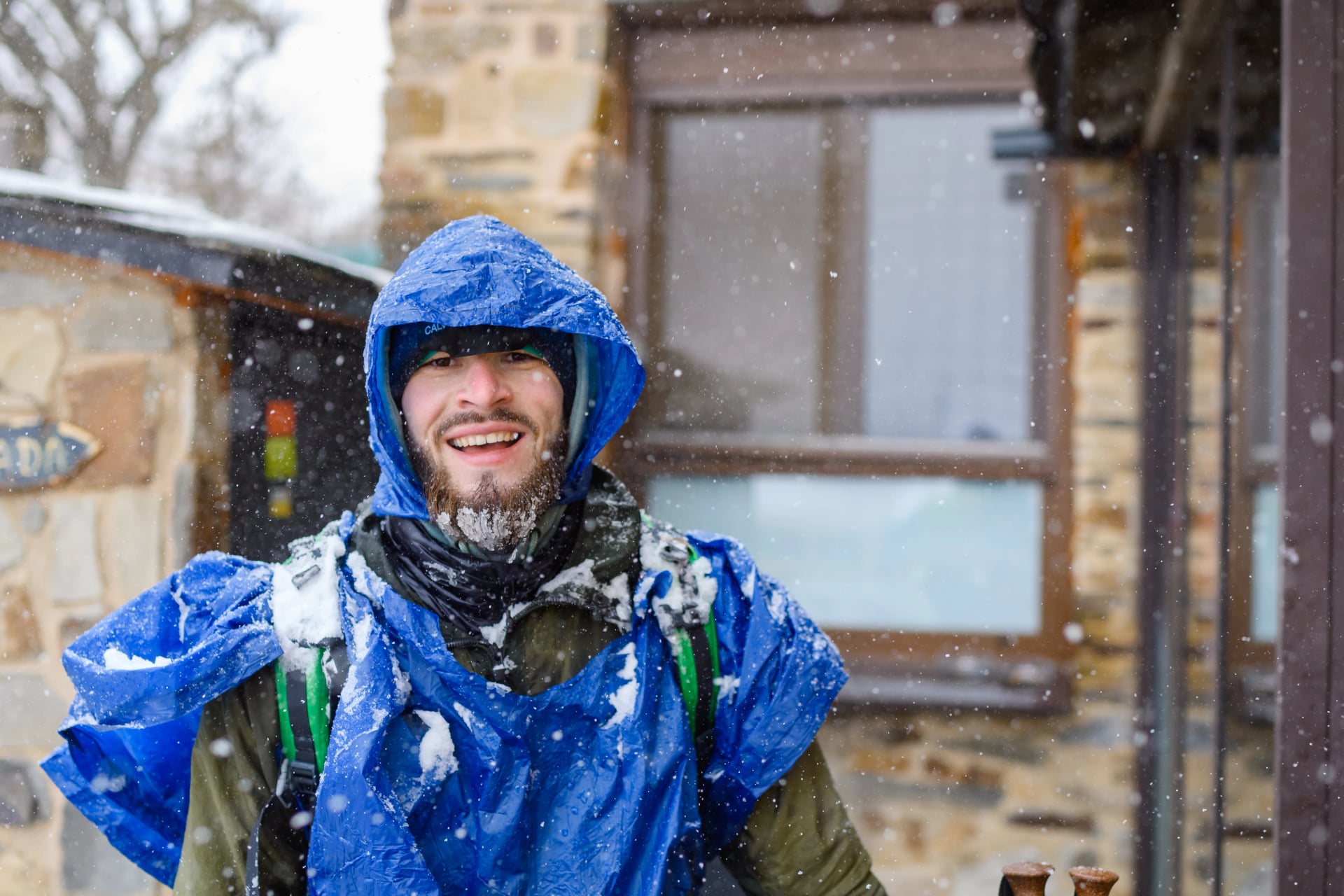
Winter walking isn't for everyone. Consider winter if you seek solitude over social connection, enjoy challenging conditions, have winter hiking experience, value authentic cultural immersion, want cost savings, and have a flexible schedule. Reconsider if you prefer social Camino, lack cold-weather experience, need reliable daily services, dislike dark/wet/cold conditions, or want maximum comfort.
Medieval pilgrims walked whenever circumstances allowed, often arriving in winter after months of travel through harsher conditions than modern pilgrims with technical gear face. That hardship created meaning. Winter restores the element of sacrifice that made pilgrimage significant across centuries.
Ready for winter walking with expert support? Dress warmly, walk bravely, and earn your certificate the way medieval pilgrims did: through genuine adversity overcome by determination. Explore our complete tour offerings or contact us to discuss customizing a winter itinerary.