Training for the Camino de Santiago
Preparing your body and mind for long walking days on the Camino, with practical guidance on endurance, recovery and realistic expectations.

Anja
January 27, 2026
10 min read
Quick links
The Camino de Santiago is not a technical hike, but it is a long-distance walk that places steady demands on your body. Most pilgrims walk 15–25 km (9–15 miles) per day, often for 4–7 hours, and repeat this effort day after day. Training for the Camino is about adapting to this rhythm — not about speed, strength, or peak fitness.
Quick Facts
Training style: Long-distance walking with gradual progression
Best timeframe: 8–12 weeks before departure
Why it matters: Distance and repetition are the real challenge
What to expect: Long days on mixed terrain and back-to-back walking days
What to watch out for: Overuse injuries caused by rushed preparation
Pro tip: Consistency beats intensity every time
Before you set off for Camino, you should feel comfortable:
walking 20–25 km in a day at an easy pace
repeating that effort on consecutive days
carrying your expected backpack weight without discomfort
How Fit Do You Need to Be?
You don’t need to be an athlete to walk the Camino de Santiago, but you do need functional endurance. The Camino rewards people who can maintain a steady, comfortable pace day after day — not those who push hard for short bursts.
If you can already walk 10–15 km comfortably, you have a solid starting point. Camino de Santiago training builds from there by gradually increasing distance and frequency rather than speed.
Cardiovascular fitness helps, but joint resilience is often the limiting factor. Knees, hips, ankles, and feet absorb tens of thousands of steps every day. That’s why preparation needs time — connective tissue adapts more slowly than muscles or lungs.
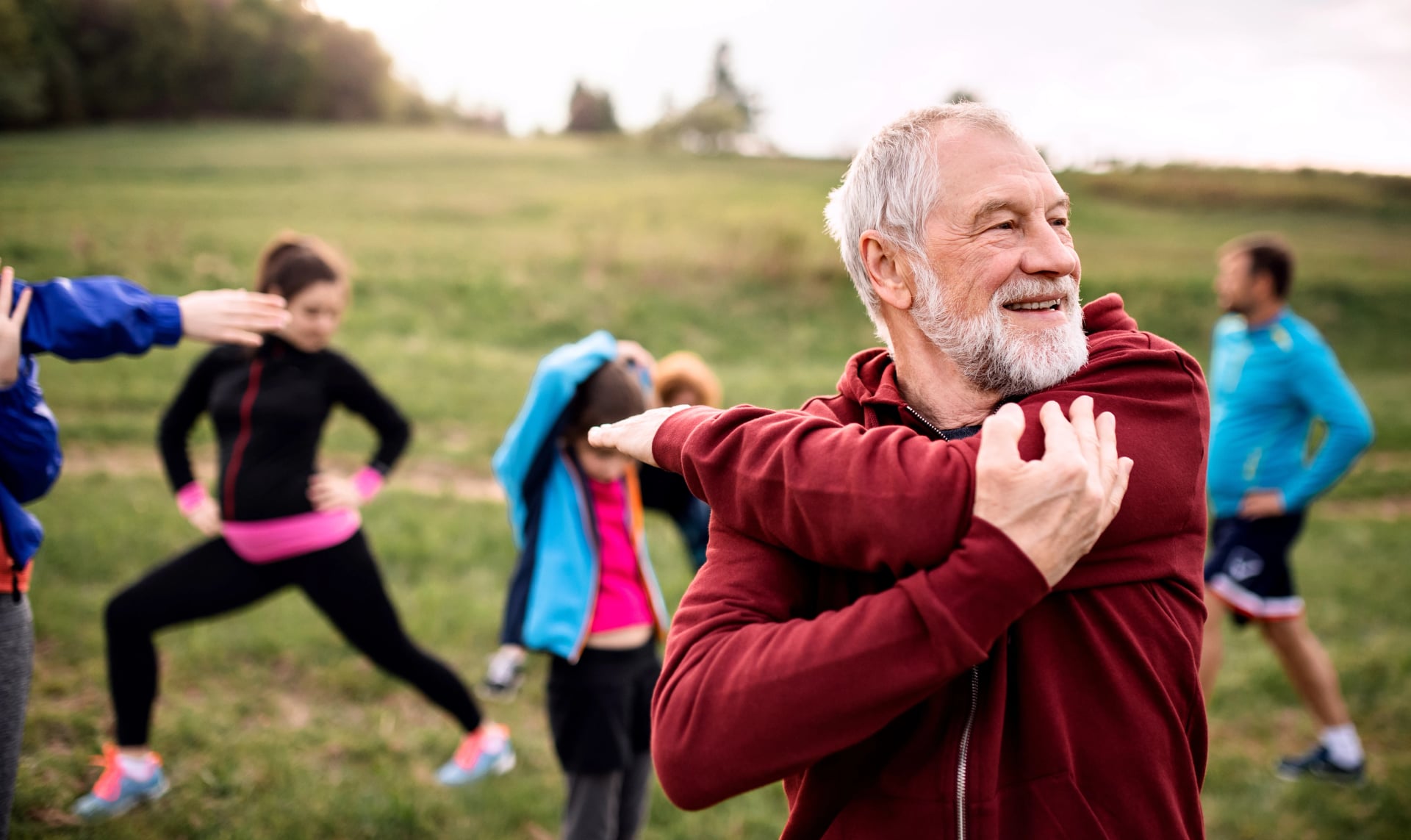
Age is not a deciding factor. Pilgrims of all ages successfully complete the Camino each year. Preparation level matters far more than how old you are. Find out more in our Camino for seniors guide.
Training and Your Camino Plan
Training influences almost every other decision you make about your Camino journey. A well-prepared body gives you more flexibility and fewer limitations once you’re on the route.
Good Camino preparation helps you:
choose realistic daily distances
recover better between stages
handle hills, heat, or long flat sections more comfortably
enjoy the Camino experience instead of managing pain
Knowing how to train properly ensures the Camino feels challenging but sustainable — exactly how it’s meant to feel.
How Long to Train
How long you should train for the Camino depends on your current activity level, walking experience, and backpack weight. Most people preparing for the Camino fall into one of these categories.
1. Minimum: 6–8 weeks
This works for people who already walk regularly and are comfortable with longer distances. Training still needs structure and progression. There is little margin for error.
2. Ideal: 8–12 weeks
This is the safest and most effective timeframe. It allows gradual distance increases, adaptation to repetition, and proper recovery between sessions.
3. Extended: 12+ weeks
This option works best for beginners, those returning after a long break, or anyone carrying a heavier pack. Starting earlier allows slower progression and more recovery between sessions.
Starting early rarely causes problems. Starting late often does.
Walking Is the Training
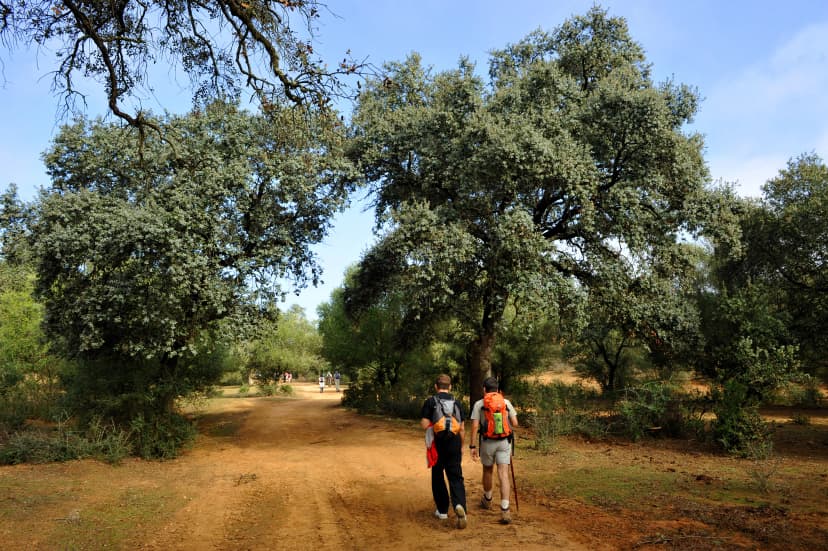
Walking is the single most effective way to train for the Camino de Santiago. No gym workout or cross-training activity fully replicates the physical and mental demands of long days on your feet.
Aim to walk 3–5 days per week. Begin with distances that feel manageable and increase gradually. One of the most common training mistakes is increasing distance too quickly instead of first increasing frequency.
As training progresses, include back-to-back walking days. This prepares your body for walking while slightly fatigued — exactly how Camino days feel.
A simple training progression looks like this:
Training Phase | Focus | Typical Distance |
Weeks 1–3 | Build consistency and walking habit | 8–12 km walks |
Weeks 4–6 | Increase endurance, add mixed terrain | 14–18 km walks |
Weeks 7–9 | Introduce back-to-back walking days | 18–22 km |
Weeks 10–12 | Peak Camino rhythm, then taper | One 20–25 km day + one shorter day |
The pace should always feel relaxed. You should be able to hold a conversation without breathlessness.
Backpack Weight Matters
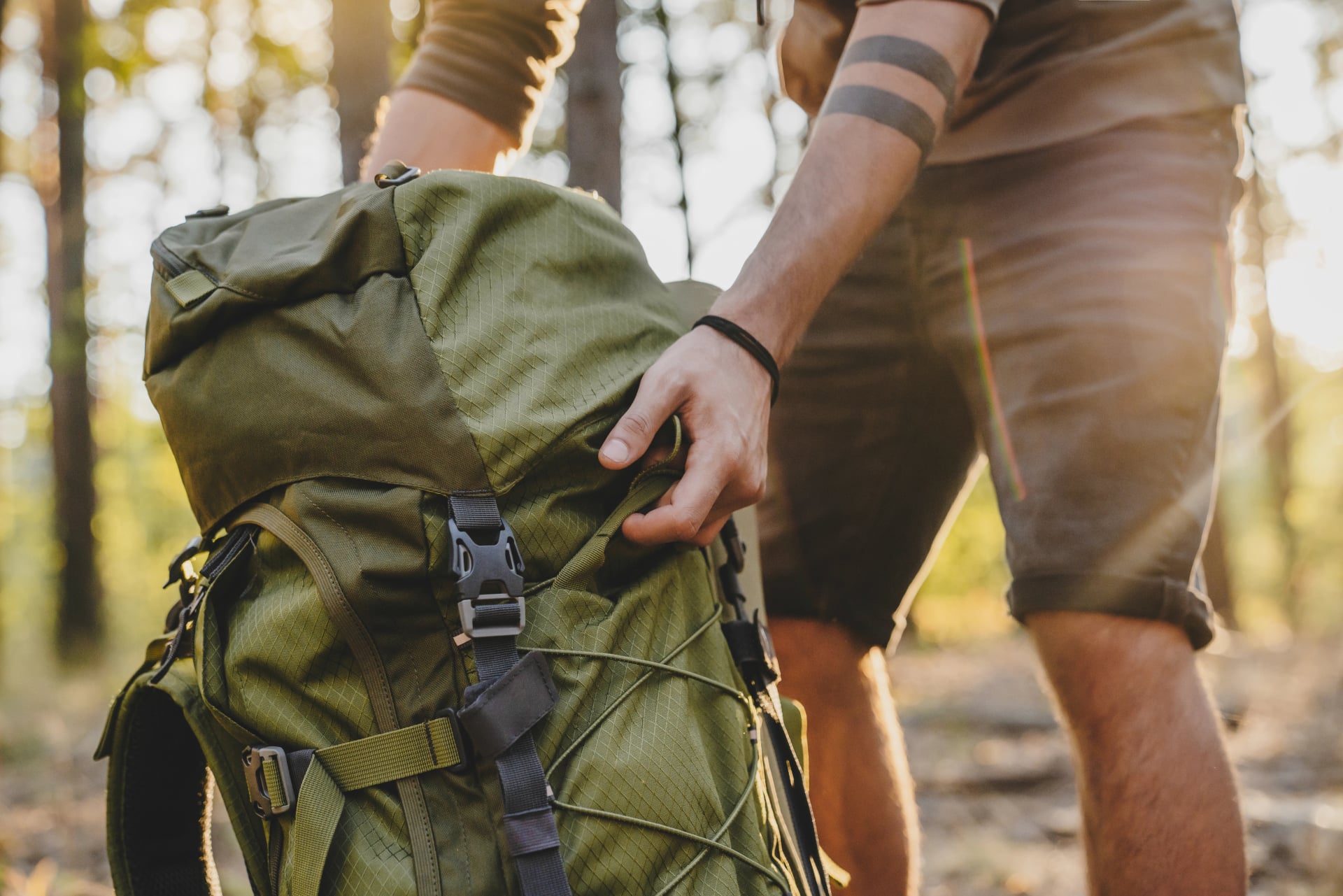
Backpack weight plays a major role in fatigue, comfort, and injury risk on the Camino. Even a few extra kilograms significantly increase stress on knees, hips, ankles, and the lower back — especially when walking long distances on consecutive days.
Many pilgrims underestimate how much weight matters. What feels manageable on a short walk can feel very different after 20 km, repeated day after day. This is why load management is one of the most important — and most personal — decisions in Camino preparation.
Most pilgrims fall into one of two categories, depending on whether they use luggage transfer services or carry everything themselves.
With Luggage Transfer
Pilgrims who use luggage transfer typically carry a lighter daypack weighing around 5–7 kg (11–15 lbs), containing water, snacks, layers, and daily essentials. Their main backpack is transported ahead to the next accommodation.
This option is worth exploring if you want to reduce physical strain and focus on walking rather than load management.
Benefits of luggage transfer include:
noticeably less stress on joints and lower back
easier recovery between stages
more flexibility with daily distances
reduced risk of overuse injuries
Luggage transfer is especially popular with first-time pilgrims, walkers returning after injury, and those planning longer routes. The main drawbacks are the added cost and a reduced sense of full self-sufficiency, which some pilgrims value as part of the Camino experience.
Self-Supported Walking
Fully self-supported pilgrims usually carry 8–10 kg (18–22 lbs) or more, depending on gear choices and season. Everything you need travels with you every day.
This approach appeals to those who enjoy independence and simplicity once on the route. However, the added weight increases physical demands and requires more careful training, stronger core stability, and greater attention to recovery.
Carrying everything works best for experienced walkers who have trained with their full pack weight and understand how their body responds to load over multiple days.
What This Means for Training
Your training should reflect how you plan to walk the Camino. Start with 50–60% of your expected pack weight, then increase gradually. By the final weeks before departure, you should complete longer walks carrying your full load.
A common mistake is training light and carrying heavy once on the Camino. If something causes discomfort during training, it will almost certainly feel worse after several consecutive days on the route.
Want to avoid this mistake? See our packing advice in the Ultimate Guide to Camino walking, where we break down what to carry, what to leave behind, and how to keep your pack weight realistic.
Strength That Helps Walkers
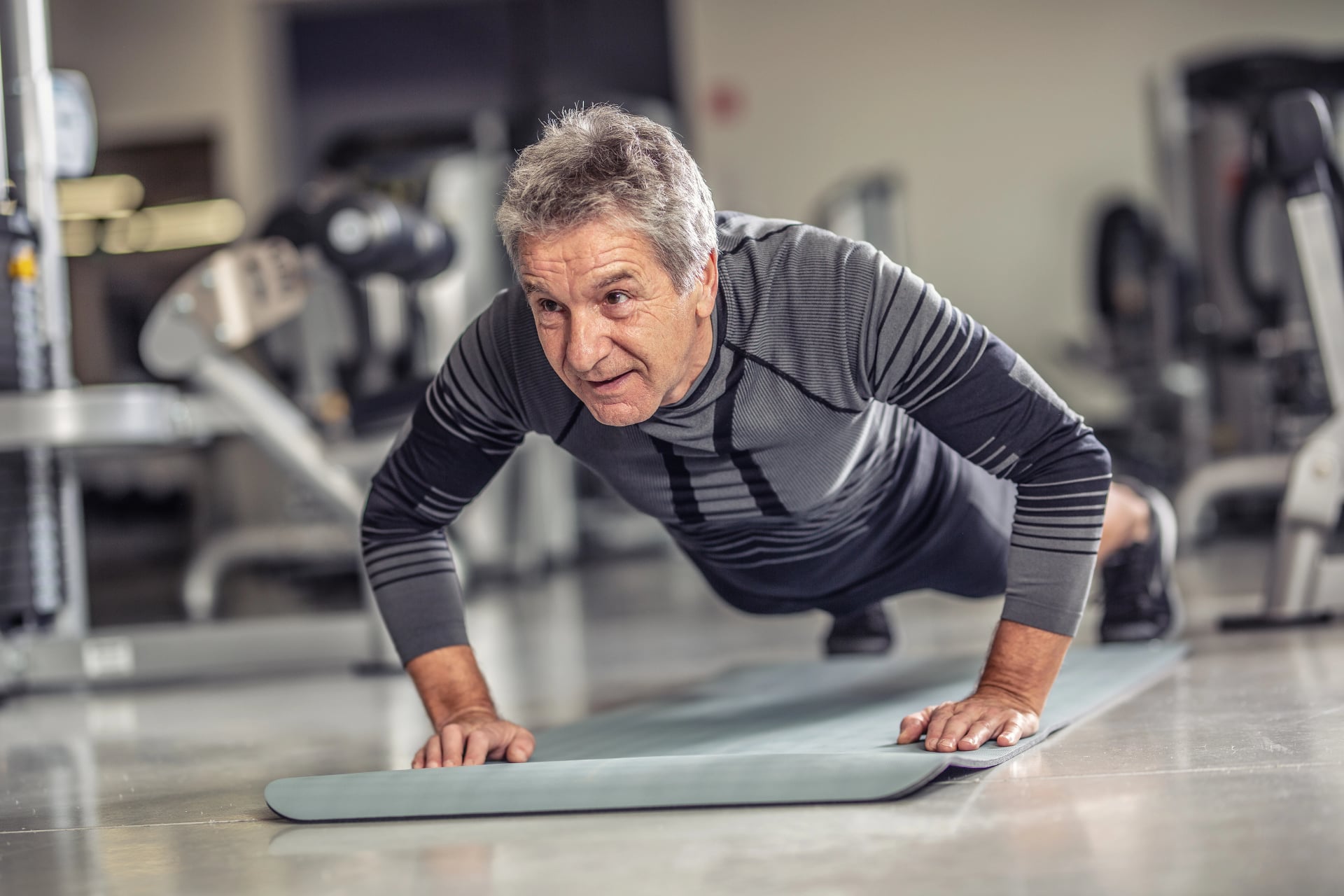
Strength training supports Camino preparation by improving joint stability, posture, and overall walking efficiency. The goal is injury prevention, not muscle building or heavy lifting. Even simple exercises done consistently can make a noticeable difference over long walking days.
You don’t need a gym or complex routines. Short sessions, done two or three times per week, are enough to support your walking training and help your body cope better with distance and repetition.
Focus on simple, functional movements that mirror the demands of walking:
Step-ups or stairs
Step onto a bench, step, or stair and slowly lower back down. This builds strength in the legs and hips and closely mimics uphill walking and stair climbs you’ll encounter on the Camino.Lunges or split squats
These strengthen quads, glutes, and hips while also improving balance. They’re especially helpful for downhill control and uneven terrain.Calf raises
Strong calves help absorb impact and support the Achilles tendon. They’re particularly important if you’ll be walking long distances on paved surfaces.Core holds (planks, side planks)
A stable core reduces strain on the lower back and helps maintain good posture when carrying a backpack, even a light one.Basic balance exercises
Standing on one leg or using a balance cushion helps train the small stabilizing muscles around the ankles and knees, reducing the risk of missteps on uneven ground.
Keep strength sessions short — 20–30 minutes is enough — and pair them with your walking schedule. If an exercise causes pain rather than mild muscle fatigue, skip it or adjust the movement.
You don’t need to feel sore for strength training to be effective. The goal is to feel more stable, resilient, and confident as your walking distances increase.
Training for Terrain
Camino routes vary significantly, and training should reflect the terrain you’ll encounter.
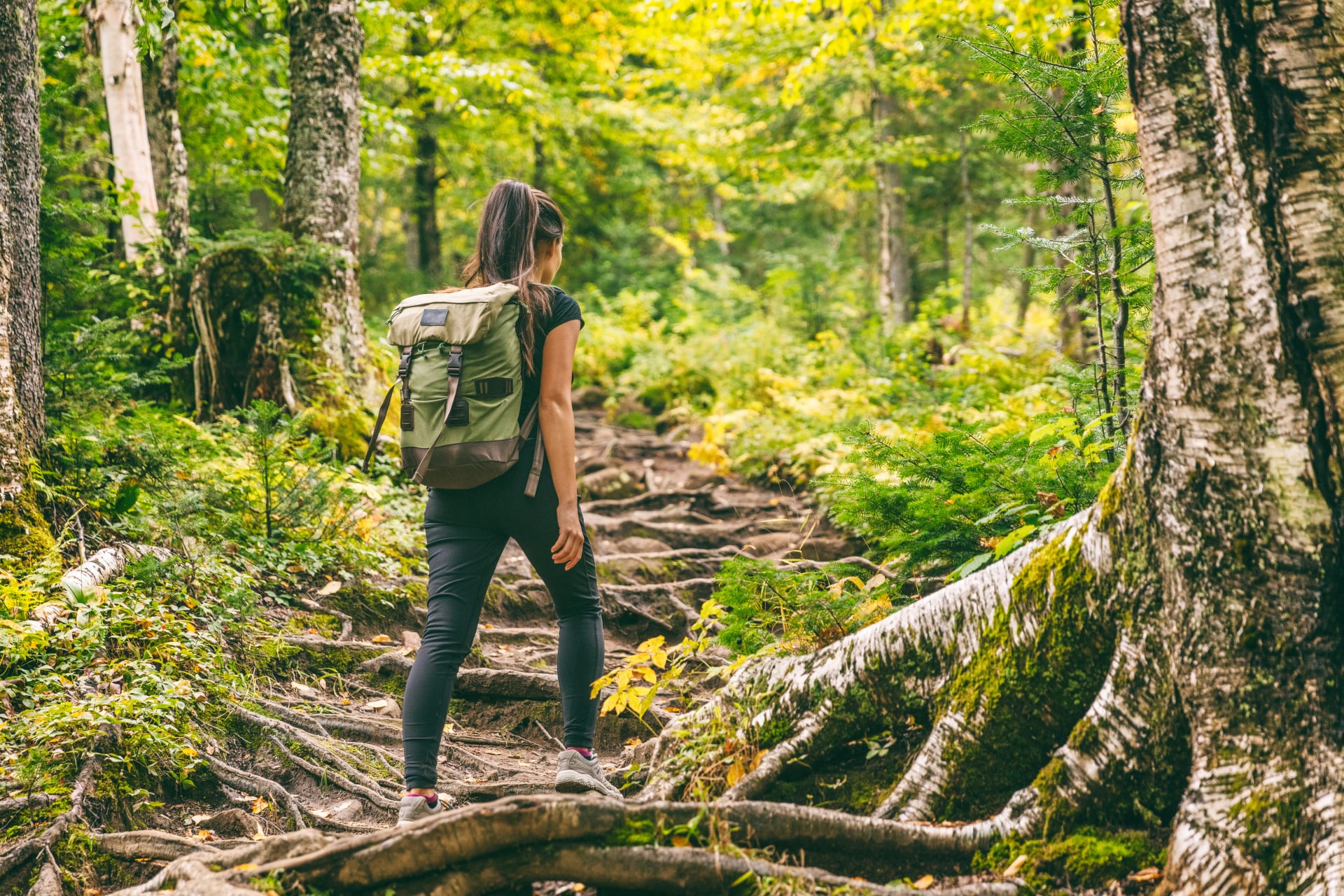
Camino Francés & Portuguese route: More paved surfaces and gentle gradients. Joint resilience and cushioning matter most.
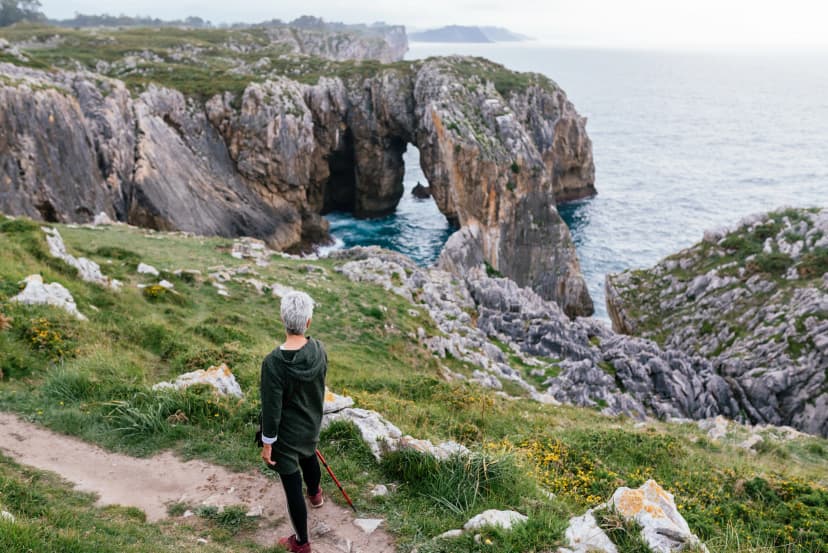
Camino del Norte & Primitivo: More hills, uneven terrain, and steeper climbs. Include hills and trail walking in training.
Coastal or rural variants: Long flat days with wind exposure. Focus on steady pacing over longer distances.
Training on mixed terrain prepares stabilizing muscles and reduces surprises once the Camino begins.
Recovery Is Essential
Recovery allows your body to adapt to training. Without it, fatigue accumulates, performance drops, and injuries become more likely — especially when walking long distances on consecutive days.
During training, plan at least one rest day per week. Adequate sleep, hydration, and light stretching are usually enough to support recovery and keep small issues from becoming bigger problems.
The same principle applies on the Camino itself. Rest and lighter days are just as important as walking days, particularly on longer routes. Planning realistic stage lengths and allowing time for recovery makes the journey far more sustainable and enjoyable.
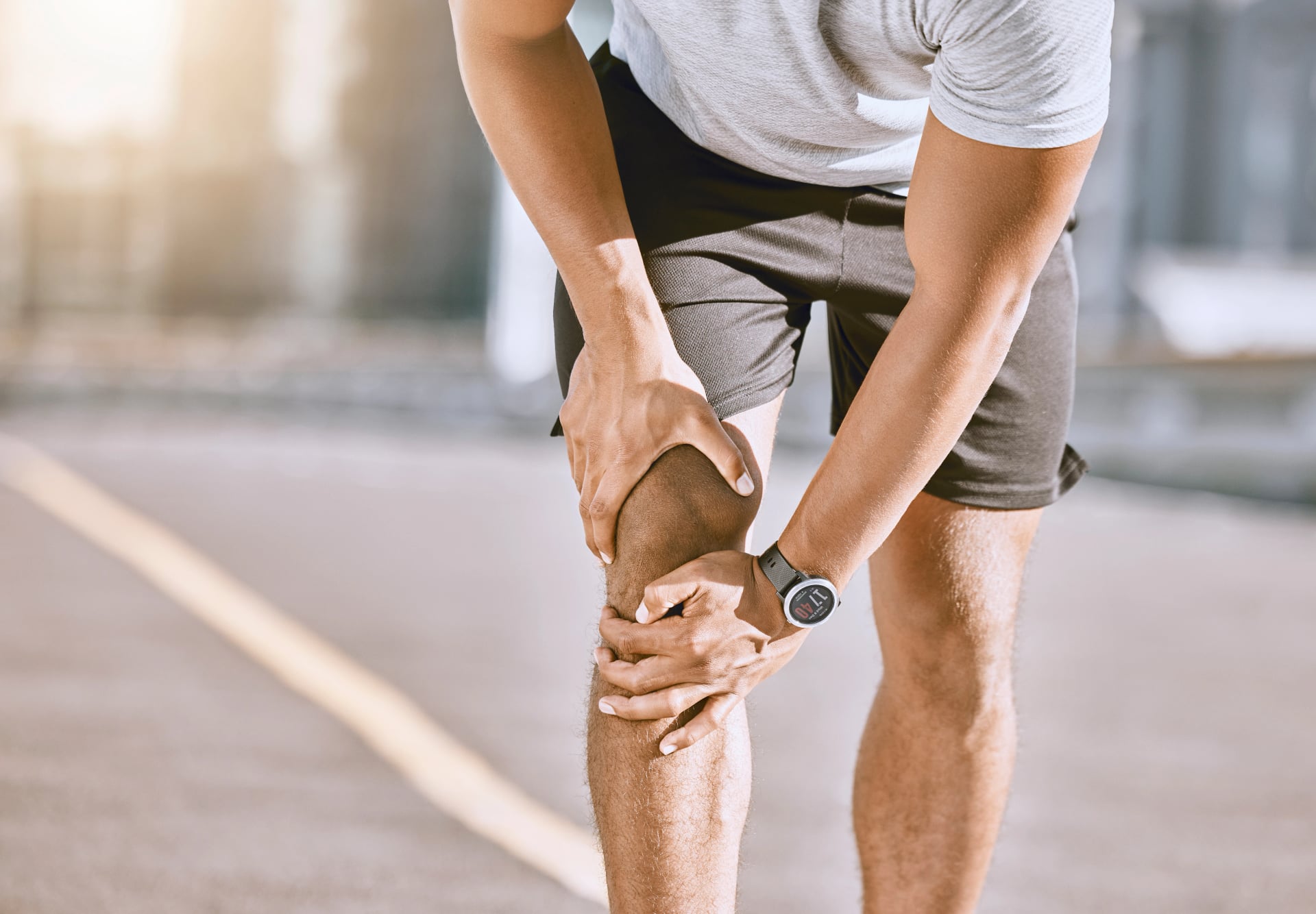
Warning signs that you need more rest include:
persistent joint pain
sharp or worsening foot discomfort
pain that changes your walking pattern
Ignoring these signs during training often leads to problems on the Camino itself.
When planning your Camino tour, recovery should be part of the itinerary, not an afterthought. Our team is happy to help you plan a route with sensible pacing, optional rest days, and daily distances that match your fitness level — so you can walk strong, recover well, and enjoy the experience from start to finish.
Common Training Mistakes
Many Camino problems don’t start on the trail — they start weeks before departure. Training mistakes made early often show up later as fatigue, joint pain, or injuries that are difficult to manage once the journey begins.
The Camino rewards steady, patient preparation. Most setbacks happen when training is rushed, inconsistent, or focused on the wrong priorities.
The most common mistakes include:
starting training too late
increasing distance too quickly
skipping rest days
ignoring persistent discomfort
focusing on speed instead of endurance
Avoiding these mistakes does more for a successful Camino than any single workout or training plan. A calm, consistent approach gives your body time to adapt and allows you to start the Camino feeling confident rather than underprepared.
Ready, Set, Camino!
Our Camino tours are planned with these principles in mind, balancing realistic daily distances with enough recovery so the walk feels sustainable from start to finish. Thoughtful pacing allows you to settle into the rhythm of the Camino rather than pushing through it.
If you’re still deciding which route fits your current preparation level, our Ultimate Camino Guide offers a clear overview of routes, distances, and what to expect — helping you choose with confidence.
And if you’d prefer personal guidance, feel free to contact us. We’re happy to talk through your fitness, expectations, and walking style, and help you find a Camino journey that truly suits you.